

 Azzam Bilal Chamdy
 Neng Nana
 Nana Muazin
 Dwi Wanna
 Raul Delapena Setiawan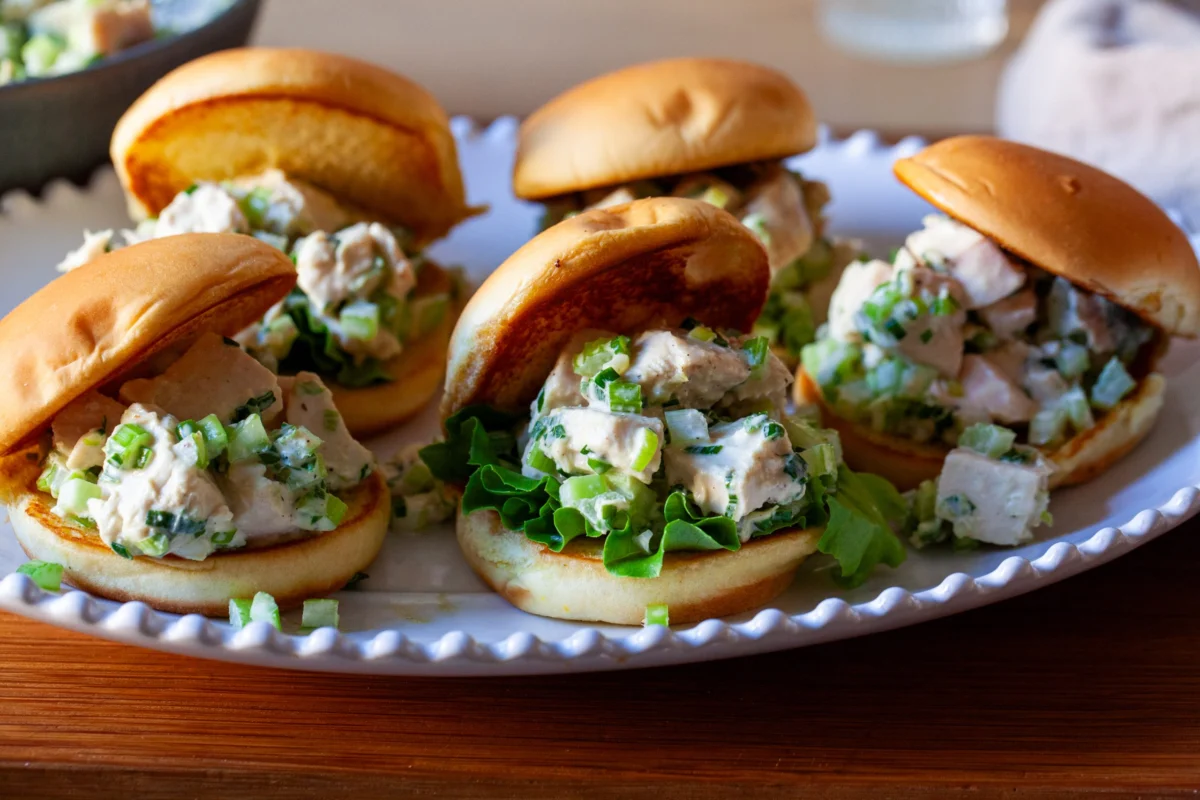
In the pantheon of comfort foods, few dishes are as polarizing as chicken salad. For many, the mere mention of the dish evokes memories of soggy, over-mayonnaised mystery meat served at lukewarm luncheons. However, for a growing movement of culinary enthusiasts, the dish is undergoing a significant renaissance. At the center of this revival is a philosophy that prioritizes texture, integrity of ingredients, and, perhaps most controversially, a radical devotion to celery.
This shift in perspective suggests that chicken salad is not merely a "leftover" meal to be thrown together with pantry staples, but a deliberate culinary construction. As we look at the modern approach to this classic, it becomes clear that the difference between a mediocre bowl of chicken salad and a transcendent one lies in the details.
The Anatomy of a Perfect Chicken Salad
The consensus among modern food writers and home chefs is that the primary failure of traditional chicken salad is a lack of structural integrity. When the chicken is over-processed and the dressing is heavy-handed, the result is a homogenous paste that lacks excitement.

The current "gold standard" involves a return to basics. The foundation of the dish must be high-quality, bone-in, skin-on chicken breasts. While modern convenience often pushes consumers toward boneless, skinless cuts, the culinary trade-off is significant. Roasting bone-in, skin-on chicken ensures that the meat remains succulent and flavorful, retaining the natural juices that are essential for a balanced salad.
The Celery Mandate
Perhaps the most notable trend in contemporary chicken salad preparation is the elevation of the vegetable component. For those who find the traditional "ratio" of chicken to crunch lacking, the new standard calls for a 50/50 split between protein and celery. This isn’t just about nutrition; it is about textural contrast. The sharp, clean snap of fresh celery provides the necessary counterpoint to the richness of the poultry and the creaminess of the dressing.
The Crispy Skin Innovation
In an era focused on reducing food waste, a fascinating sub-trend has emerged: the utilization of chicken skin as a garnish. By baking the reserved skin at 400°F (205°C) until it reaches a state of glass-like crispness, home chefs are creating a "nature’s potato chip" topping. This addition provides a salty, savory crunch that elevates the sandwich from a standard lunch to a sophisticated, multi-textural experience.

Chronology of a Culinary Revival
The trajectory of chicken salad has evolved significantly over the last two decades.
- Early 2000s: Chicken salad was largely defined by "mix-ins." This era was characterized by a heavy reliance on fruit—cranberries, grapes, and apples—and the aggressive use of tarragon or curry powder. These additions were often used to mask the dryness of overcooked, pre-boiled chicken.
- The 2010s: A period of "culinary fatigue" set in. As home cooks became more food-conscious, the "mayo-pond" style of chicken salad fell out of favor. Consumers began demanding transparency in ingredients and a reduction in processed additives.
- 2020 to Present: The "Back-to-Basics" movement. Influenced by a broader interest in homesteading, beekeeping, and scratch-cooking, home chefs are now emphasizing the quality of the primary protein. The modern focus is on "seasoning early," ensuring that flavor is built into the chicken during the roasting process rather than relying on a heavy dressing to provide all the seasoning at the end.
Supporting Data: Why Texture Matters
From a sensory perspective, the "Celery-Heavy" model of chicken salad is supported by principles of gastrophysics. The human palate is naturally drawn to foods that offer a variety of textures in a single bite.
According to culinary experts, the "mouthfeel" of a dish is just as important as its flavor profile. By increasing the volume of celery—which maintains its crunch even when exposed to dressing—and pairing it with soft, succulent chicken and a crisp, buttery toasted roll, the chef creates a "sensory loop." This encourages slower eating and increased satisfaction.

Furthermore, the practice of seasoning the chicken immediately after dicing—before the introduction of the mayonnaise—allows the salt to penetrate the fibers of the meat. When this is followed by a light application of Dijon mustard, the result is a complex flavor profile that requires less salt in the final assembly, addressing modern health concerns regarding sodium intake.
Culinary Perspectives and Expert Opinions
Professional chefs and home-cooking advocates alike have weighed in on the "mayo meter." The consensus is clear: mayonnaise should be an adhesive, not a medium.
"I need to know where they fall on the mayo meter," one culinary commentator recently noted. "Do they believe it should cling gently to pieces of chicken, or should it be a pond that the chicken wades in?" The industry standard is shifting firmly toward the former. The ideal chicken salad uses just enough binding agent to hold the ingredients together, ensuring that the freshness of the scallions and the crunch of the celery remain the stars of the show.

Regarding the inclusion of herbs and aromatics, the minimalist approach is gaining ground. While some purists argue for the inclusion of tarragon or fresh dill, a significant segment of the culinary community is moving toward a simpler profile: high-quality chicken, abundant celery, and finely minced scallions. This allows the natural, roasted flavor of the chicken to take center stage, unencumbered by conflicting botanical notes.
Implications for the Home Kitchen
The rise of the "curated" chicken salad has significant implications for how we host and feed our families. The trend toward "deconstructed" assembly—where components are set out in separate bowls, allowing family members to customize their sandwiches—is a direct response to the varying preferences of modern households.
This approach not only accommodates picky eaters but also turns a simple lunch into an interactive event. The use of high-quality slider rolls, lightly toasted in butter, further signals a shift toward treating chicken salad as a legitimate, elevated dinner option rather than a quick, utilitarian fix.

The "Monthly Chicken Salad" Movement
As household schedules become increasingly fragmented, many families are adopting a "monthly chicken salad night." By designating this as a recurring meal, it transforms from a last-minute scramble into a planned, anticipated event. The integration of "ruffled potato chips"—a non-negotiable side for many—adds a nostalgic, comforting layer to the meal.
Conclusion: The Future of the Salad
Ultimately, the revitalization of chicken salad is a testament to the fact that no dish is truly "done." Even the most ubiquitous staples can be reinvented through a shift in perspective. Whether you are a devotee of the celery-heavy school of thought or a proponent of the crispy skin garnish, the current trends indicate that we are moving away from the era of "convenience-first" cooking and back toward a model that prizes flavor, texture, and personal agency.
As we move forward, the "right way" to make chicken salad will continue to be a subject of spirited debate. But if the current interest is any indication, the future of the dish is bright, crunchy, and, most importantly, exactly how the chef intended it to be.
Recipe Snapshot: The Celery Enthusiast’s Standard
- The Chicken: Roasted bone-in, skin-on breasts, cooled and diced into ¾-inch cubes.
- The Crunch: An equal volume of finely diced celery to chicken.
- The Binding: A light coating of high-quality mayonnaise and sharp Dijon mustard, applied only after the chicken has been seasoned with salt and pepper.
- The Finish: Finely minced scallions and, for the adventurous, strips of baked, crispy chicken skin.
- The Serving: Toasted slider rolls, butter-brushed and topped with crisp lettuce.


 Basiran
 Jia Lissa
