

 Ali Ikhwan

 Iffa Jayyana

 Muslim

 Nana

 Dwi Wanna
 Asro
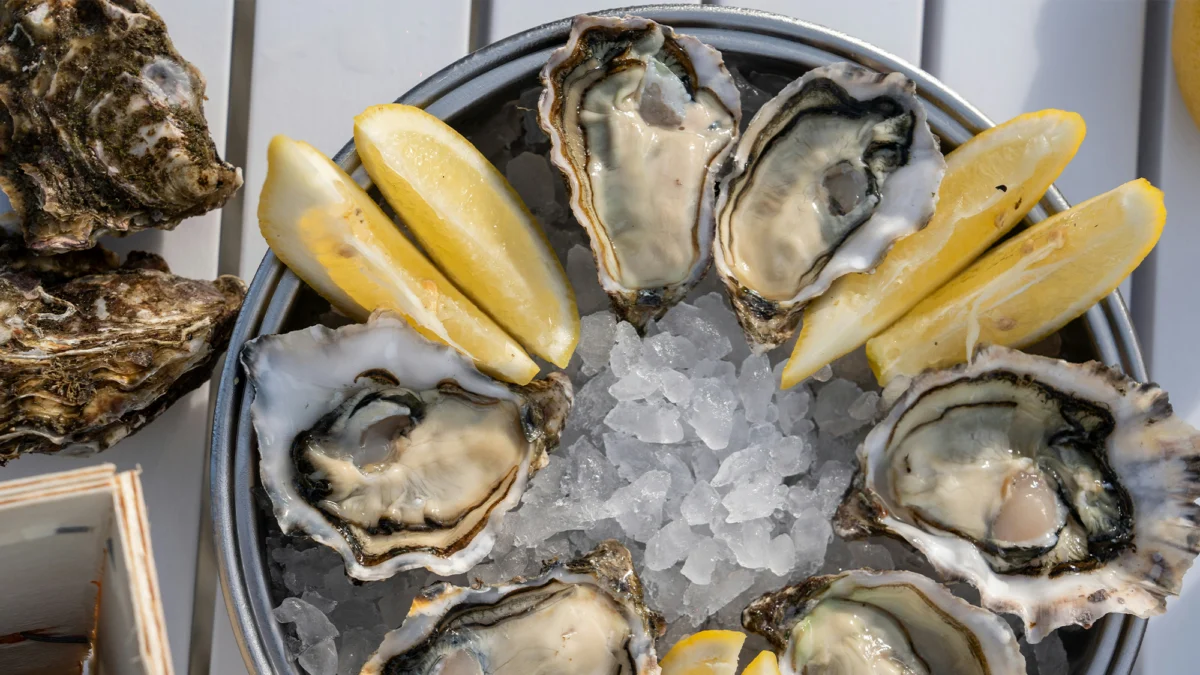
Oysters are the undisputed aristocrats of the raw bar. Often presented with theatrical flair—perched atop towering tiers of crushed ice, glistening under the ambient glow of a dining room—they represent the intersection of luxury and primal nature. Whether you are splashing them with a bright, acidic mignonette, a squeeze of fresh lemon, or pairing them with the classic effervescence of Champagne, a crisp Sancerre, or even the surprising, hearty depth of a pint of Guinness, the experience is quintessentially glitzy.
However, beneath the polished exterior of the oyster service lies a daunting reality for the uninitiated: the menu. For many diners, navigating a list of regional varieties like “Blue Point,” “Pemaquid,” or “Bombazine” feels less like ordering dinner and more like deciphering an ancient, obscure dialect. Unlike the world of fine wine, where a sommelier is typically on hand to bridge the gap between complexity and palate, the "oyster sommelier" remains a rarity in the hospitality industry.
To demystify the bivalve, we turned to Ben Crispin, General Manager of Brooklyn’s renowned Maison Premiere, to help us categorize the nuance of flavor and texture that defines the world’s most celebrated oysters.
The Anatomy of Choice: Flavor and Texture
When you approach an oyster menu, you are effectively standing at the intersection of geography and biology. The environment in which an oyster matures—known as its terroir (or merroir in aquatic terms)—dictates everything about its profile.
"Snapping a photo of an aesthetically arranged platter is easy," says Crispin. "But understanding what you’re actually going to taste requires a bit of education."
Before you commit to a dozen, it helps to identify your preference on two primary spectrums:
- The Brine Scale: Do you crave that intense, exhilarating rush of the open ocean, or do you prefer a more subtle, delicate saltiness?
- The Texture Scale: Are you seeking a "meaty" experience—a substantial bite that fills the mouth—or something "lean," silky, and effortless to consume?
By understanding these two pillars, diners can move beyond the random selection process and curate an experience tailored to their personal preferences.
A Chronology of the Oyster Experience
The history of the oyster as a culinary staple is as rich as the flavor of the mollusks themselves.
- Pre-Industrial Abundance: For centuries, oysters were not the elite delicacy they are today. In the 18th and 19th centuries, particularly in places like New York City, oysters were a ubiquitous street food, sold from carts for pennies. They were the "protein of the people," harvested in such abundance that they were considered a cheap, reliable food source for the working class.
- The Great Decline: As urbanization and pollution began to affect coastal waterways in the early 20th century, the oyster population plummeted. This scarcity transformed the oyster from a common snack into a luxury item, solidifying its status as an aspirational dish.
- The Modern Raw Bar Era: The late 20th and early 21st centuries saw a resurgence of interest in aquaculture. Chefs and restaurateurs began to treat oysters with the same reverence as wine, focusing on sustainable harvesting, specific farm origins, and the unique flavor profiles imparted by different currents and mineral-rich waters.
- The Digital Age: Today, the "Instagrammable" nature of the oyster tower has brought the mollusk back into the spotlight of popular culture. The modern dining experience now focuses on the story behind the shell, with menus often listing the specific farm and date of harvest.
Supporting Data: Understanding the Flavor Map
To assist our readers, we collaborated with Ben Crispin to chart 15 distinct varieties of oysters. By mapping these across the axes of salinity and density, we can provide a guide for what to expect when you see these names on a chalkboard.
The Creamy & Lean Spectrum
These oysters are often characterized by a buttery, sweet finish. They are frequently found in protected bays or estuaries where the salinity is slightly lower, allowing the glycogen—the oyster’s natural sugar—to shine through.
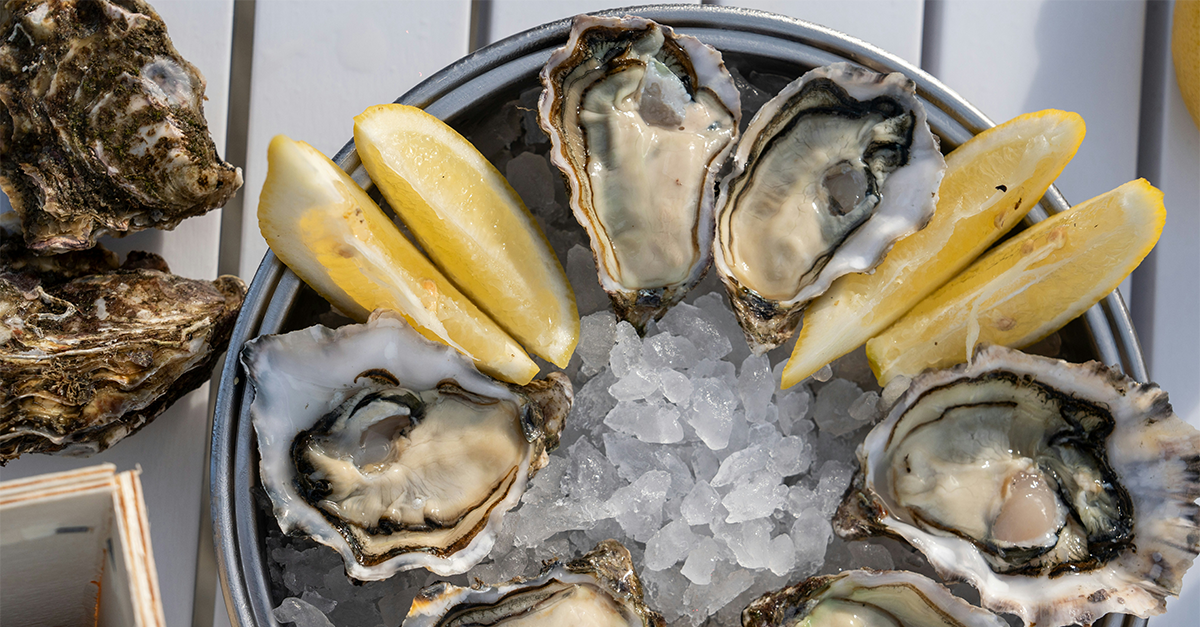
- The Experience: These are perfect for those who find the intense brine of East Coast varieties overwhelming. They glide across the palate and often leave a nutty or cucumber-like finish.
The Briny & Meaty Spectrum
These are the powerhouses of the raw bar. Often grown in the cold, aggressive waters of the North Atlantic, these oysters work hard to survive the tides.
- The Experience: The result is a firm, muscular meat and a punchy, mineral-forward flavor profile that acts as a palate cleanser. These are the varieties that pair best with a dry, mineral-heavy wine or a sharp, vinegar-based mignonette to cut through the salt.
Expert Insights: A Conversation with Ben Crispin
In our discussion with Ben Crispin of Maison Premiere, he emphasized that there is no "correct" way to enjoy an oyster, provided the diner is informed.
"We often see guests who are intimidated by the terminology," Crispin explains. "The most important thing we can do as hospitality professionals is to demystify the process. When a guest asks, ‘What does a Pemaquid taste like?’ they are really asking, ‘Will I like this?’ My job is to translate that question into a flavor profile they can understand."
Crispin notes that the biggest mistake beginners make is over-dressing the oyster. "If you have a high-quality, cold-water oyster, you want to taste the environment it came from. A drop of lemon is fine, but don’t drown it. Let the oyster speak for itself."
Implications for the Modern Diner
Why does it matter if you can distinguish between a meaty oyster and a creamy one? The implication is simple: value and satisfaction.
When you understand what you are ordering, you are far more likely to have a positive dining experience. If you are a fan of sweet, buttery flavors and you accidentally order a notoriously salty, deep-cup oyster from a cold-water bay, you may be disappointed. Conversely, if you crave that crisp, clean hit of salt, a mild, creamy oyster might feel lackluster.
Furthermore, being an educated consumer allows you to better appreciate the labor involved in aquaculture. Oysters are a filter-feeding organism that actually improves the water quality of their environment. By choosing to order a variety of oysters and asking questions about their provenance, you are supporting a sustainable industry that relies on healthy, clean coastal ecosystems.
Conclusion: How to Order Like a Pro
Next time you find yourself standing in front of a sprawling raw bar menu, take a breath. Follow these simple steps to ensure you get exactly what you want:
- Ask for the "House" recommendation: Most raw bars have a specific variety that they are currently excited about. It’s usually a safe and delicious bet.
- Define your profile: Simply tell your server, "I prefer something that isn’t too salty," or "I really like a firm, meaty texture." This allows the staff to guide you toward the right choice.
- Go for a mix: Don’t feel the need to order a dozen of the same type. Order two of three different varieties to explore the range of flavors.
- Savor the journey: Treat the oyster as a single-bite experience. Chew it once or twice to release the liquor (the natural brine inside) and the flavors of the meat before swallowing.
The oyster is more than just a glamorous garnish for a night out—it is a connection to the sea, a masterclass in flavor, and a uniquely personal culinary experience. Armed with this knowledge, you are ready to navigate any raw bar with the confidence of an expert, turning a potentially confusing menu into a map for a truly exquisite meal.
For more information on pairing your oysters with the perfect beverage, check out our guide on the science of oyster and wine chemistry.


 Sagoh

