

 Ali Ikhwan

 Iffa Jayyana

 Muslim

 Nana

 Dwi Wanna
 Ammar Sabilarrohman
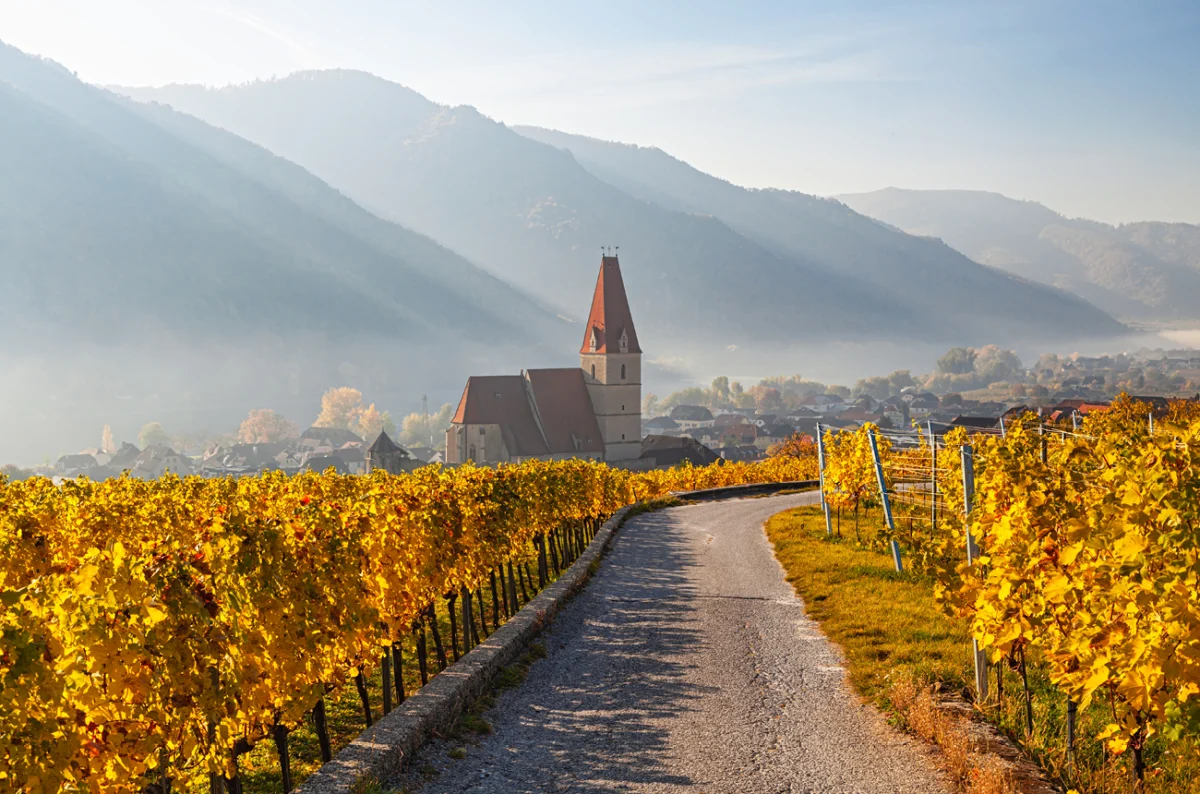
The global wine landscape is currently witnessing a profound shift, with the spotlight increasingly turning toward the historic yet often under-represented terroirs of Central and Eastern Europe. Last week, this evolution was on full display at the Brdo Congress Centre in Slovenia, which hosted the 12th edition of the Salon of Decanter medal winners. The one-day event served as a prestigious showcase for the triumphs of the 2026 Decanter World Wine Awards (DWWA), bringing together more than 45 elite producers from Slovenia, Serbia, Croatia, Montenegro, Bosnia and Herzegovina, Italy, and France.
For trade professionals, sommeliers, and dedicated oenophiles, the Salon was more than a mere tasting; it was a masterclass in the intersection of tradition and innovation. Attendees were invited to traverse a landscape of lesser-known indigenous varieties—grapes that define the cultural identity of their respective regions—while simultaneously exploring how these producers are applying modern winemaking techniques to international grape varieties.
The Chronology of the Event
The Salon, which has become a staple in the European wine calendar, followed a structured program designed to facilitate deep engagement between producers and the public.
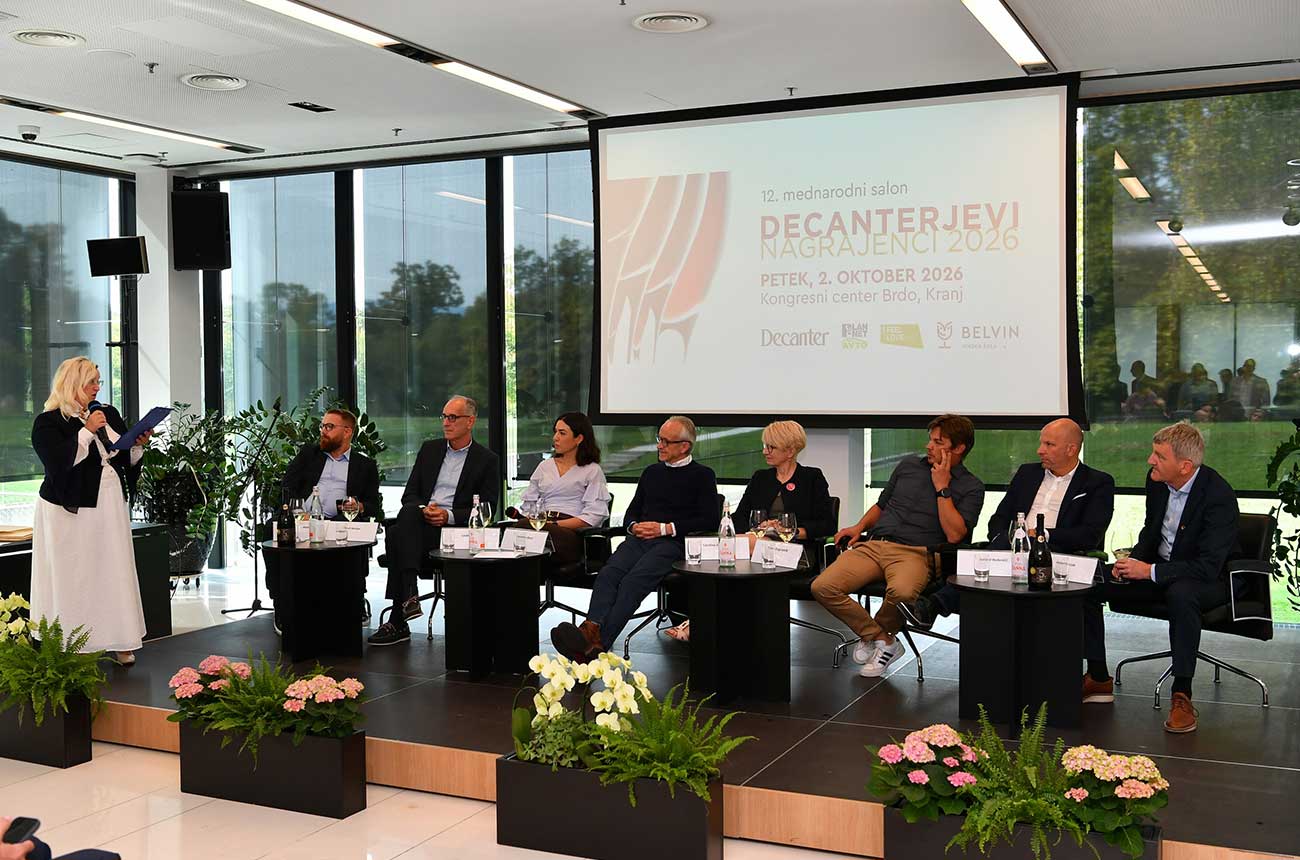
The day commenced with an exclusive press conference, acting as the formal opening of the event. Representatives from Decanter, esteemed DWWA judges, and the organizers of the Salon gathered alongside the winning winemakers to discuss the current trajectory of the industry. This dialogue set the tone for the afternoon, emphasizing the rigorous standards of the 2026 competition and the rising profile of Balkan wines on the global stage.
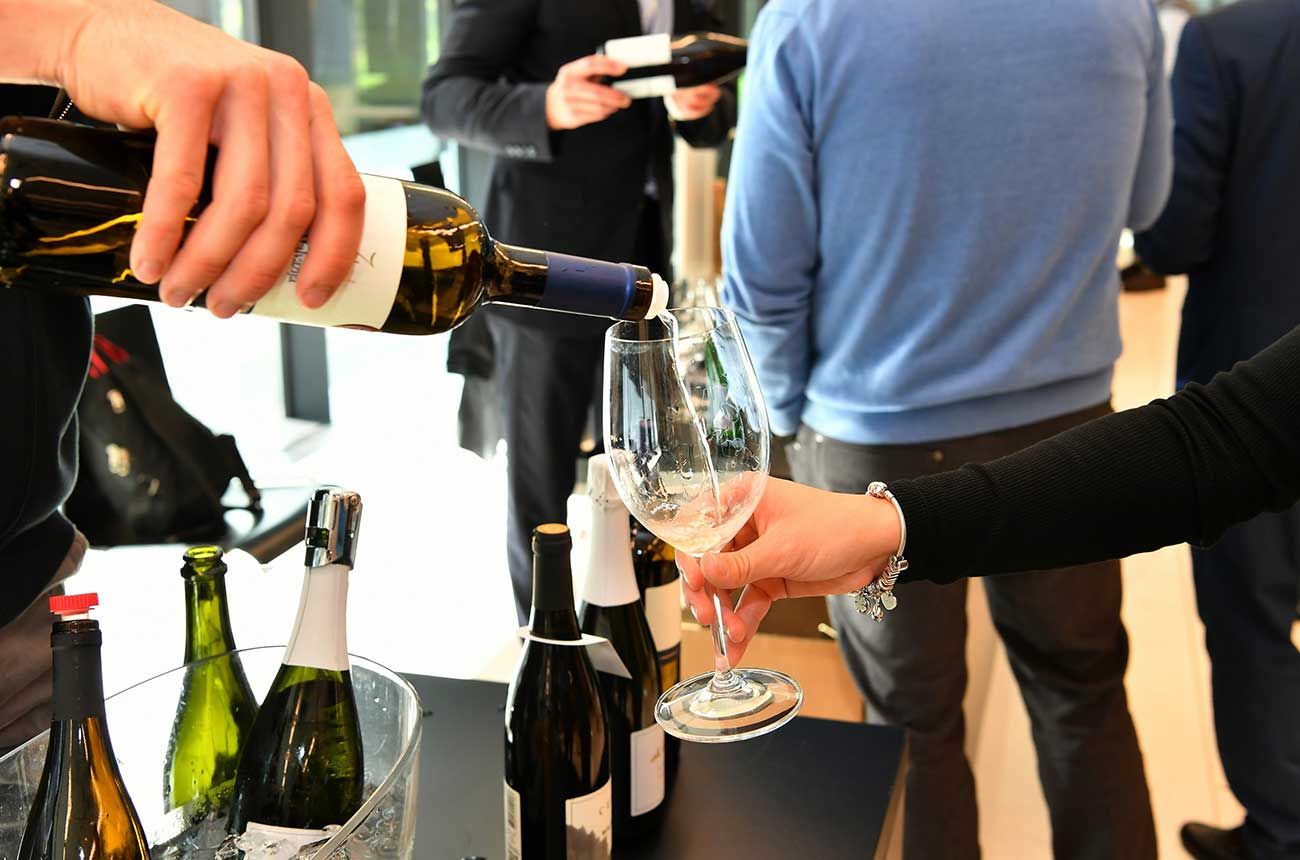
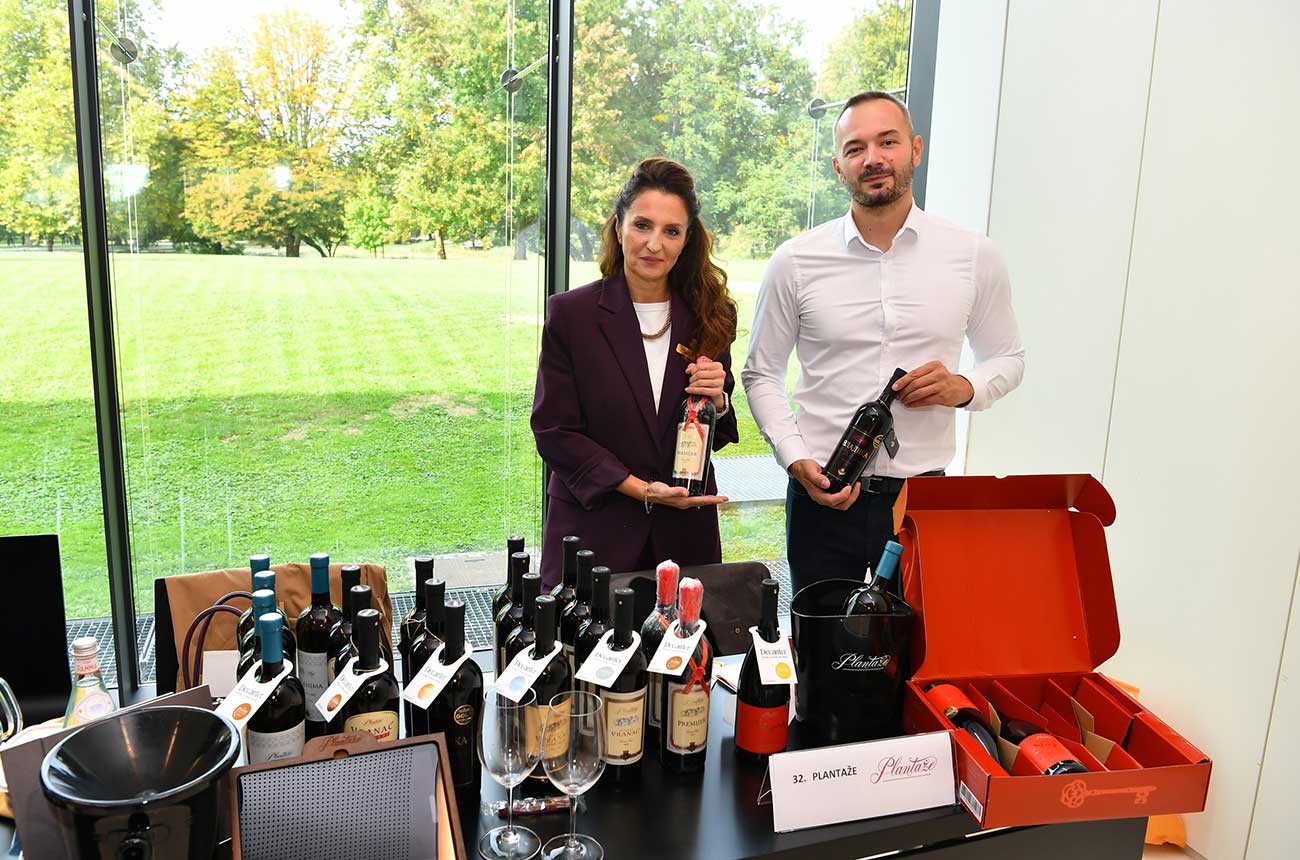
Following the press conference, the doors opened to the public and trade representatives. The event was curated to allow guests to sample a wide array of award-winning wines, ranging from crisp, high-altitude whites to complex, robust reds. Throughout the day, seminars and informal guided tastings allowed attendees to engage directly with the men and women behind the labels, providing a rare opportunity to hear firsthand about the challenges of the 2026 harvest and the specific characteristics of the terroirs represented.
Supporting Data: A Record-Breaking Year
The 2026 edition of the DWWA has been particularly significant for the region, with data showing a marked increase in both the quantity and the caliber of submissions.
Slovenia, acting as the gracious host, saw a spectacular performance, accumulating a total of 202 medals. Among these were two highly coveted Platinum medals, a testament to the country’s ability to compete with the world’s most established wine-producing nations. Notably, a 1993 Puklavec Family Wines Welschriesling secured one of these Platinum spots, serving as a poignant reminder that Slovenia possesses the climate and expertise to produce sweet wines that age with grace and complexity.
The success, however, was not confined to Slovenia. The wider Balkan region saw an impressive haul:
- Croatia: Secured 40 top-tier medals, marking a historic milestone with its first-ever "Best in Show" award for a Plavac Mali, a native grape that is finally receiving the international recognition it deserves.
- Serbia: Demonstrated its rising strength by collecting three Platinum and seven Gold medals.
- Montenegro and Bosnia and Herzegovina: Continued to build on their reputations, securing a robust spread of Gold, Silver, and Bronze medals, proving that their unique microclimates are capable of delivering world-class results.
Official Perspectives: The Experts Speak
The presence of DWWA Co-Chair Andrew Jefford and Dr. Caroline Gilby MW, the Regional Chair for the Balkans, Central & Eastern Europe, added significant weight to the proceedings.
Andrew Jefford, a long-time advocate for the diversity of the wine world, described the DWWA as a "super pillar" in his professional life. His enthusiasm was palpable as he spoke about the judging process: "I look forward to judging each year because I get to taste wines from regions which are moving really fast in the wine world. The energy here in Slovenia is infectious; you can feel that the producers are not just following trends, but are actively creating their own identity."
Dr. Caroline Gilby MW offered a more granular analysis of the technical improvements observed during this year’s judging. She emphasized that the standard of winemaking has reached a pivotal turning point. "Some of the things that have been particularly exciting and are reflected in this year’s DWWA results are the sheer quality of winemaking, and seeing indigenous grapes from the region reaching global levels," she stated.
Gilby, who has long been a champion of indigenous varieties, noted that these grapes are the key to the region’s future success. "They are so connected to place," she explained. "When a consumer drinks a wine made from a grape that has been grown in a specific valley for centuries, they are tasting the history and the soil of that place. That is an authentic experience that the modern wine market is desperately seeking."
The Implications for Global Markets
The success of the 2026 Salon carries significant implications for the future of the regional wine industry. Firstly, it validates the strategy of focusing on indigenous varieties rather than attempting to replicate the styles of Bordeaux or Tuscany. By leaning into their unique viticultural heritage, countries like Croatia and Serbia are creating a "niche" that is becoming increasingly attractive to global importers who are tired of the homogeny of international grape varieties.
Secondly, the event highlighted the importance of professional recognition. The "Decanter" seal of approval is a powerful marketing tool. For smaller, family-run wineries in Bosnia and Herzegovina or Montenegro, receiving a Gold or Silver medal at the DWWA is a gateway to international distribution. It provides a level of credibility that can open doors to markets in the UK, Asia, and North America.
Thirdly, the event underscored the necessity of collaborative marketing. By hosting a regional salon rather than individual country-specific events, these producers are effectively branding the Balkans as a "wine region to watch." This collective approach is essential for attracting wine tourists and serious trade buyers who prefer to visit regions where they can explore multiple, high-quality producers in a single trip.
Looking Ahead: The Future of the Salon
As the 12th edition of the Salon of Decanter medal winners concludes, the message is clear: the Balkans are no longer "emerging" markets—they have arrived. The challenge now lies in maintaining this momentum. Producers must balance the urge to scale up with the need to preserve the artisanal quality that earned them their medals.
For the organizers, the success of this year’s event sets a high bar for 2027. The integration of technology in wine production, combined with an ever-increasing understanding of sustainable viticulture, suggests that the next few years will see even higher standards of quality.
The Salon serves as an annual reminder that the world of wine is vast, and the most exciting stories are often found in the places where the vines have been growing in quiet, persistent harmony with the landscape for generations. As the wine world continues to evolve, the Balkan region stands ready to claim its rightful seat at the table, offering bottles that are not only delicious but deeply rooted in the soil, the culture, and the spirit of the people who cultivate them.
For those interested in exploring the specific award-winning bottles from this year’s competition, the full results remain accessible through the official Decanter website, providing a roadmap for any enthusiast looking to expand their cellar with the very best of what the 2026 vintage has to offer.

 Asro

 Sagoh

