

 Dwi Wanna
 Nana Wu
 Muslim
 Reynand Wu
 Ammar Sabilarrohman
The arrival of Seville oranges in Parisian markets is more than just a seasonal shift; it is a culinary signal that the mid-winter preserve season has officially commenced. For enthusiasts of traditional British-style breakfast preserves, these distinct, craggy-skinned fruits are the holy grail. While often elusive, their recent abundance has sparked a renewed interest in the labor-intensive, yet deeply rewarding, craft of homemade marmalade. Through a blend of historical context and modern, streamlined techniques, the pursuit of the perfect jar has never been more accessible.
The Evolution of the Marmalade Craft
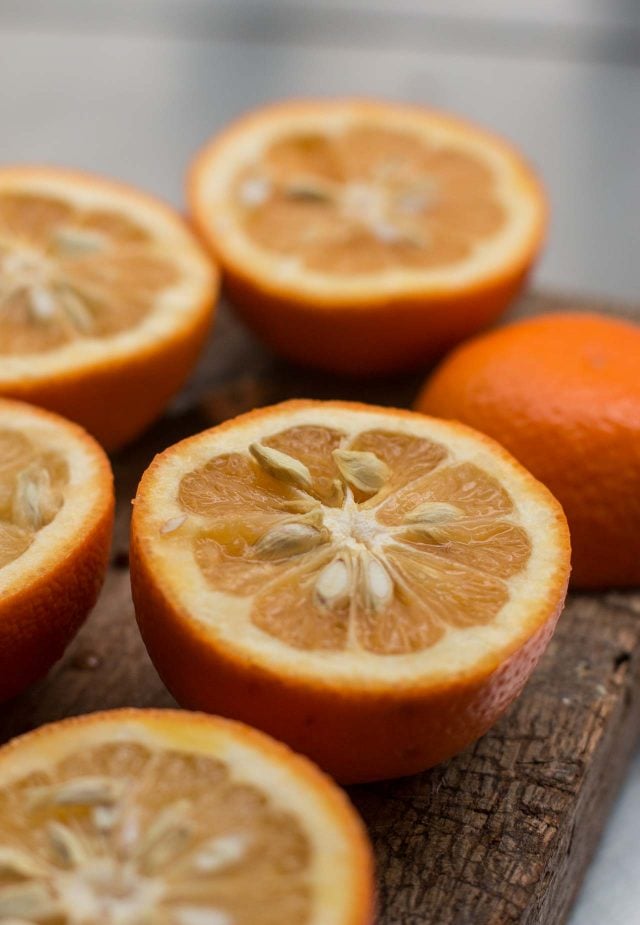
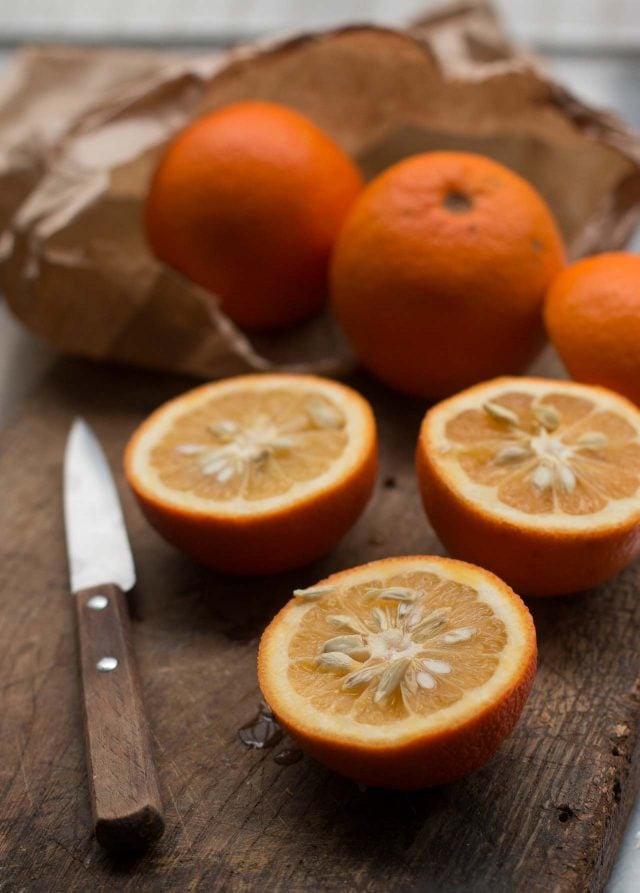
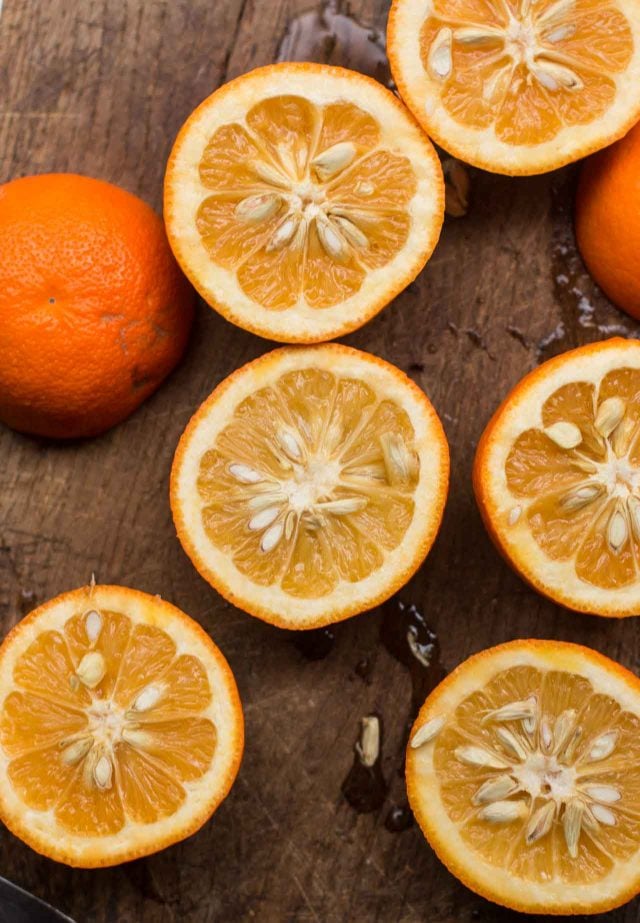
For years, the primary barrier to entry for the home cook was the sheer, slippery complexity of the Seville orange itself. These fruits are notoriously dense with seeds—a single specimen can contain anywhere from twenty to thirty. Historically, the process of preparing these oranges involved a tedious, messy ordeal: slicing through the fruit while simultaneously fishing out dozens of seeds with sticky, citrus-coated fingers.
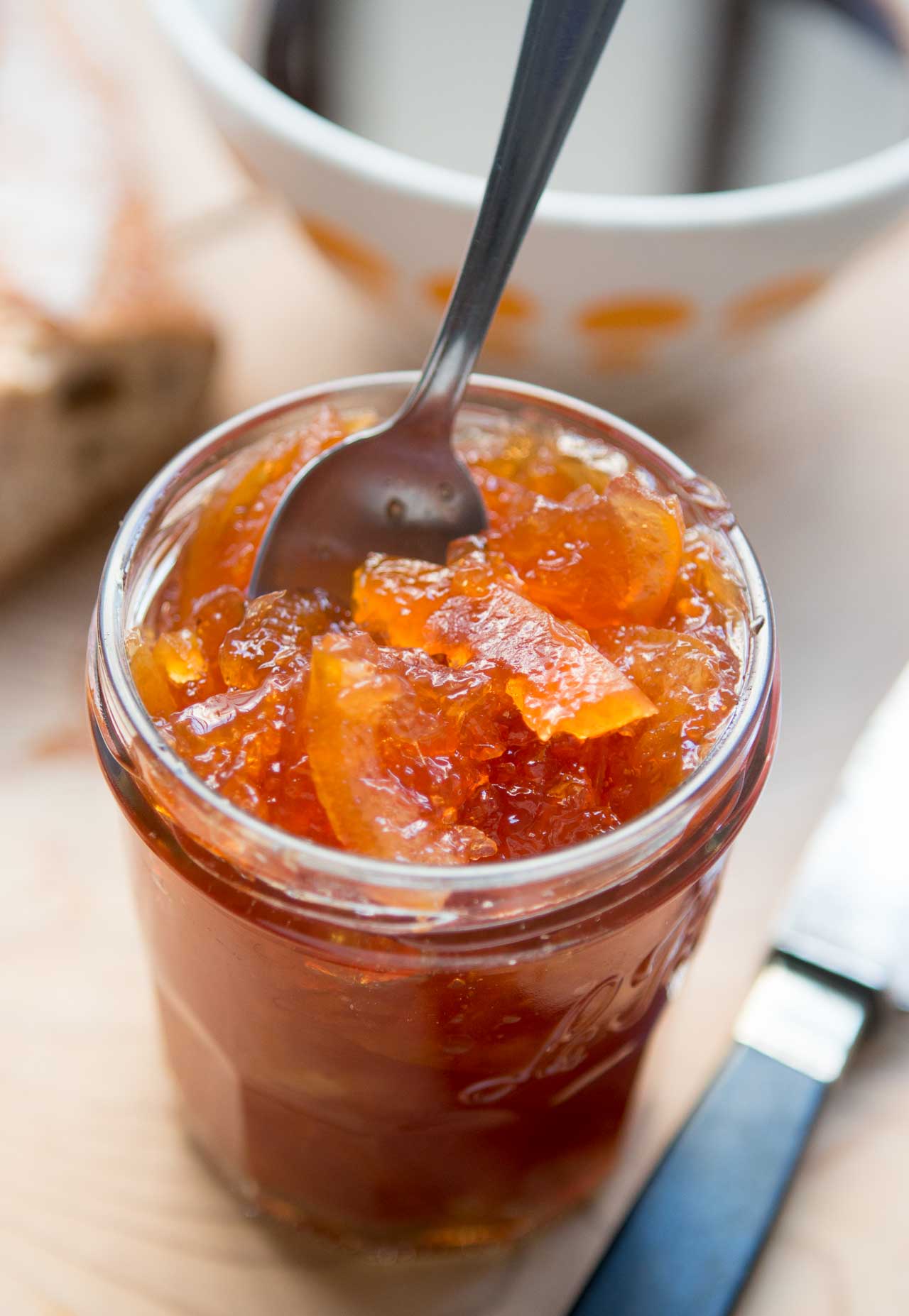
The breakthrough in this process, championed by culinary experts like David Lebovitz, involves a revolutionary shift in sequence. Instead of fighting the anatomy of the fruit during the slicing phase, the modern technique calls for extracting the juice and seeds first. By straining the liquid and isolating the seeds, the cook simplifies the slicing of the rinds significantly. This is not merely a convenience; it is a scientific adjustment. The seeds are the engine of the marmalade’s texture, packed with the natural pectin required to achieve that elusive, “suave” jellied consistency. By tying these seeds in a cheesecloth sack and cooking them alongside the rinds, the cook extracts maximum gelling power without the structural nightmare of picking seeds out of a boiling pot.
A Historical Accident: The Origins of a Breakfast Staple
The existence of this bittersweet delight is, if legend is to be believed, the result of a serendipitous mistake. The narrative dates back to the early 18th century in England, where a grocer’s wife found herself in possession of a cargo of sour oranges. These fruits had been salvaged from a storm-battered ship arriving from Seville, Spain.

The oranges were deemed inedible due to their extreme acidity and intense bitterness—a far cry from the sweet table oranges favored by the public. Rather than allowing the stock to go to waste, the grocer’s wife opted to experiment, combining the sour fruit with a significant amount of sugar. The result was a revelation. The bitterness of the peel, tempered by the sugar and set by the natural pectin of the seeds, created a complex, vibrant preserve that would soon define the British breakfast table. This "error" transformed a rejected, sour cargo into a global culinary icon.
Supporting Data: The Science of Pectin and Setting
Achieving the perfect set in marmalade relies heavily on understanding the chemistry of the fruit. Seville oranges (Citrus aurantium) are the premier choice for marmalade because they contain a higher concentration of pectin than sweet oranges.
The Role of Pectin
Pectin is a structural polysaccharide found in the cell walls of plants. When combined with acid and sugar at high temperatures, it forms a gel. The traditional method of leaving the seeds in the boiling mixture works, but the "sieve-first" method provides more control. By suspending the seeds in a muslin or cheesecloth bag, the cook ensures that the pectin is released directly into the simmering liquid.
Thermal Regulation
Temperature management is the second pillar of success. To ensure a proper "set," the mixture must reach the sugar’s setting point—typically around 104°C (220°F). However, because the pectin levels can vary between batches of fruit, many chefs recommend the "plate test." By placing a small dollop of the boiling marmalade on a chilled plate, one can observe the "wrinkle" test; if the surface wrinkles when pushed with a finger, the marmalade is ready to be jarred.
Culinary Implications and Professional Standards
While the home-cook method is sufficient for domestic consumption, commercial producers adhere to strict standards regarding Brix levels—a measure of the sugar content in the final product. For the home enthusiast, however, the primary concern is preservation and texture.
It is important to note the distinction between "refrigerator jams" and "canned preserves." The standard home recipe—often adapted from classic texts such as Ready for Dessert—frequently suggests that the marmalade can be stored in the refrigerator for extended periods. However, for those looking to stock their pantries for the entire year, water-bath canning is the professional standard. This process involves submerging sealed jars in boiling water for a specific duration to create a vacuum seal, ensuring safety against botulism and spoilage.
The Cultural Significance of the Season
In France, where these fruits are known as oranges amères, the season is fleeting. Market vendors typically stock them only during the peak of winter. This creates a "gold rush" mentality among pastry chefs and home cooks alike. The act of making marmalade is increasingly seen as a meditative, slow-food practice—a rejection of the mass-produced, high-fructose corn syrup alternatives found on supermarket shelves.
Furthermore, the "rest period" described in many professional recipes—where the fruit, water, and sugar are allowed to macerate overnight—serves a dual purpose. It softens the thick, bitter rinds and ensures that the pectin is fully hydrated before the heat is ever applied. This patience is the final, and perhaps most critical, ingredient in the process.

Final Considerations for the Home Preserver
For those attempting this for the first time, keep the following in mind:
- Preparation is Key: Do not underestimate the time required for slicing. Uniformity in the width of the peel is essential for an even cook and a balanced texture in the final jar.
- The Seed Sack: Never discard the seeds. Even if the "sieve-first" method is used, the seeds remain the most potent source of pectin in the entire fruit.
- Storage: If you do not wish to engage in the canning process, ensure your jars are sterilized and that the product is kept consistently chilled.
- Sourcing: Look for organic, unwaxed Seville oranges if possible, as the entire peel is used in the final product.
The Seville orange is a testament to the idea that some of the world’s greatest pleasures are derived from the most unlikely sources. Through the simple, yet revolutionary, act of separating the juice from the pulp, we have turned a sour, bitter fruit into a bright, glistening, and essential companion to morning toast. Whether you are a professional pastry chef or a novice in the kitchen, the mid-winter ritual of marmalade-making remains one of the most satisfying traditions in the culinary calendar.

 Nana Muazin
 Evan Lee Salim