 Raul Delapena Setiawan
 Ammar Sabilarrohman
 Lina Irawan
 Suro Senen
 Asep Darmawan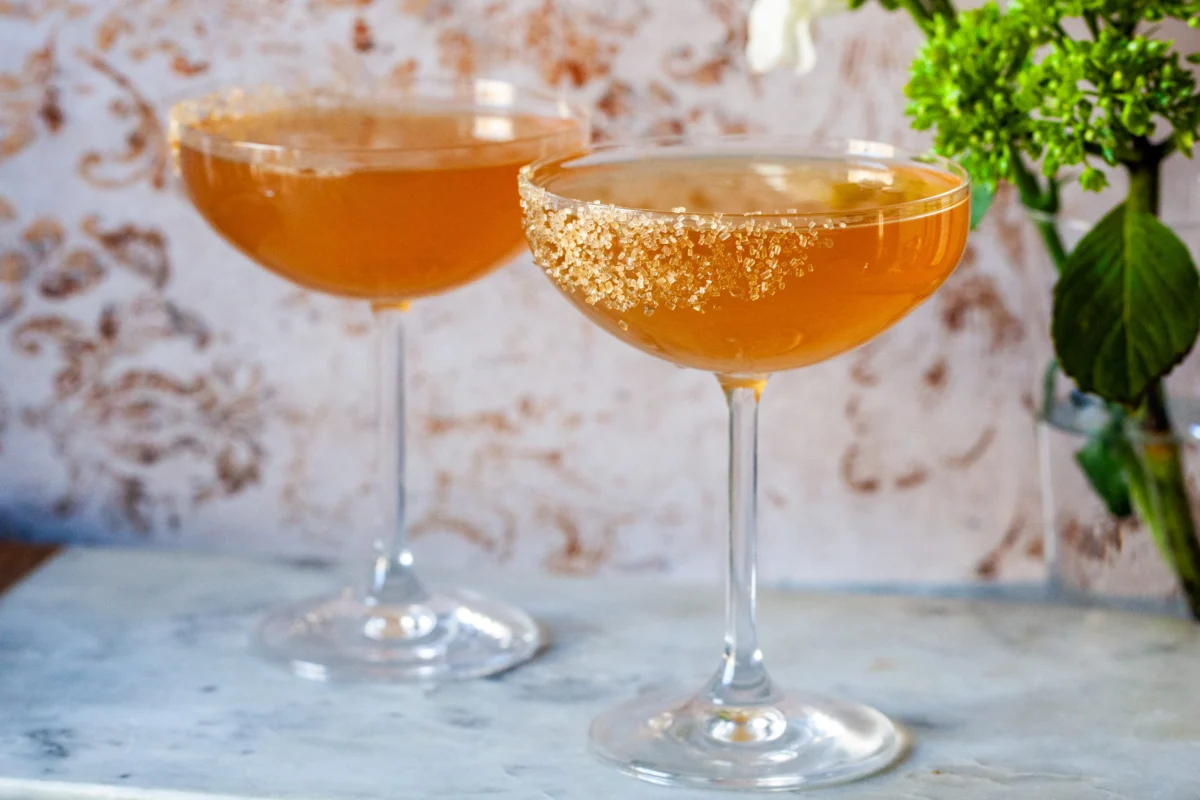
For nearly two decades, the digital landscape of home cooking and cocktail culture has been punctuated by the passionate, often persuasive recommendations of culinary enthusiasts. From the breezy appeal of the Porch Swing to the sharp, seasonal bite of a Blood Orange Margarita, the evolution of the modern home bar often mirrors our changing tastes and the stories we choose to inhabit. Recently, the conversation has shifted toward a cornerstone of the Prohibition era: the Sidecar.
Elegant, deceptively simple, and shrouded in historical ambiguity, the Sidecar has re-emerged as the quintessential cocktail for those seeking a balance of sophistication and punch. Often described as the "French cousin" of the Margarita, this classic sour has transcended its 1920s origins to become a fixture in contemporary mixology, inviting both skepticism regarding its lore and adoration for its flavor profile.
Main Facts: Deconstructing the Classic Sour
At its core, the Sidecar is a study in structural harmony. It follows the fundamental architecture of the "Daisy"—a cocktail family consisting of a base spirit, a citrus element, and a sweetener. The traditional ratio is 2:1:1, though modern iterations often tweak these proportions to suit contemporary palates that lean toward less acidity.
The standard components include:
- Cognac or Brandy: The backbone of the drink, providing warmth and a complex, oak-aged foundation.
- Orange Liqueur: Typically Cointreau or a similar triple sec, which adds the necessary aromatic sweetness to bridge the gap between the potent spirit and the tart citrus.
- Lemon Juice: Freshly squeezed is non-negotiable, providing the bright, acidic lift that makes the drink refreshing rather than heavy.
While the classic preparation calls for a sugared rim—a stylistic flourish that catches the light and adds a tactile sweetness to the first sip—many purists argue that the drink is balanced enough to stand on its own. However, the ritual of the sugared rim remains a testament to the drink’s theatrical history.

Chronology: The Murky Origins of a Prohibition Legend
The history of the Sidecar is as fractured as a shattered cocktail glass, with conflicting accounts emerging from the post-World War I era. Most historians agree that the drink materialized in the early 1920s, likely in Paris, but the "who" and "why" remain subjects of spirited debate.
The Captain’s Carriage
The most enduring, if somewhat whimsical, origin story involves an American army captain stationed in Paris during the twilight of World War I. According to the legend, the officer would frequently arrive at iconic establishments like the Hôtel Ritz Paris or Harry’s New York Bar in the sidecar of a motorcycle. The narrative suggests that he requested a cocktail that would mirror the warmth of the engine and the thrill of his arrival, leading bartenders to name the concoction after his unique mode of transportation.
The Bartender’s "Sidecar"
A more pragmatic, albeit less romantic, theory suggests that the name derived from the practice of utilizing "sidecars"—small glasses used to hold the excess liquid left over in the shaker after the main glass had been filled. In this version, the drink was named for the vessel, not the vehicle, representing the resourceful nature of the era’s mixologists who refused to waste a drop of their creations.
Regardless of which story one chooses to believe, the Sidecar represents the cultural intersection of American G.I.s and French hospitality that defined the Jazz Age. It was a time of experimentation, where the necessity of masking the harsh flavors of bootleg spirits led to the refinement of sophisticated, citrus-forward cocktails.
Supporting Data: The Anatomy of a Perfect Pour
To understand the enduring popularity of the Sidecar, one must look at its versatility. While cognac is the traditional base, the drink is surprisingly resilient to substitution.

The Bourbon Adaptation
Recent trends in craft cocktail bars, such as the Albany Ale & Oyster, have demonstrated that the Sidecar is not strictly tied to the vineyards of France. Substituting high-proof bourbon for cognac introduces a vanilla-forward, caramelized profile that works exceptionally well with the bite of the orange liqueur and lemon. This adaptation highlights a key tenet of modern bartending: the "classic" recipe is a blueprint, not a commandment.
The 2:1:1 Calibration
The traditional 2:1:1 ratio is a starting point, but contemporary home bartenders often find that reducing the lemon juice by a quarter-ounce yields a more rounded, velvety mouthfeel. This adjustment prevents the citrus from overwhelming the delicate floral notes of a high-quality cognac, allowing the orange liqueur to shine as the primary sweetener.
Official Responses and Culinary Perspectives
Professional mixologists often emphasize that the quality of the ingredients in a Sidecar is paramount, precisely because there is nowhere for low-quality components to hide. Unlike drinks buried under syrups or fruit purees, the Sidecar relies on the quality of the spirit.
"The beauty of the Sidecar lies in its transparency," notes one industry expert. "When you shake cognac, Cointreau, and fresh lemon with ice until the shaker is almost painfully cold, you are creating a perfect emulsion. The temperature is just as important as the ratio."
Furthermore, the "sparkle" provided by a raw sugar rim is often defended by those who value the sensory experience of a drink. While some may view it as an unnecessary indulgence, the golden glint of the sugar against the amber hue of the cognac serves a dual purpose: it prepares the palate for a hint of sweetness while elevating the visual appeal of the cocktail in a low-light setting.

Implications: The Sidecar in the Modern Home
The persistence of the Sidecar in home bars today speaks to a broader trend of "nostalgia-chic." As society navigates an increasingly digital and disconnected world, there is a renewed interest in the tangible, tactile rituals of the early 20th century. Mixing a cocktail by hand—measuring, shaking, and straining—is a form of "slow living" that mirrors the growth of the home-cooking movement.
The Social Component
The Sidecar is inherently communal. It is a drink designed for slow sipping and conversation, whether served in a chilled coupe or a classic martini glass. Its rise in popularity, alongside other classics like the Boulevardier or the Manhattan, suggests that consumers are moving away from overly complicated, ingredient-heavy drinks in favor of timeless, balanced compositions.
A Legacy of Hospitality
The Sidecar also serves as a bridge to other resources, such as the culinary community’s efforts to support independent literature. As independent booksellers continue to play a vital role in preserving the art of the cookbook, the sharing of recipes like the Sidecar becomes a way to foster connection. Whether it is through ordering signed cookbooks for Mother’s Day or sharing a newly mastered drink recipe with friends, the cocktail serves as a catalyst for human interaction.
Conclusion: Crafting Your Own Chapter
The Sidecar is more than a drink; it is a historical artifact that changes slightly with every hand that shakes it. Whether you adhere strictly to the 1920s proportions or experiment with modern spirits like bourbon, the core experience remains the same: the bright, sharp, and sophisticated pleasure of a perfectly balanced sour.
As we continue to revisit these vintage classics, we aren’t just repeating the past; we are curating it. We are choosing to keep the stories of the motorcycle-riding captains and the resourceful bartenders alive, one shaker at a time. So, the next time you find yourself craving something that is both nostalgic and bracingly fresh, reach for the cognac and the lemons. Shake until your hands are cold, rim your glass with raw sugar, and toast to the fact that some things, like a well-made Sidecar, never truly go out of style.

Recipe Note: To prepare the perfect Sidecar, ensure your ice is plentiful and fresh. Swipe a wedge of lemon around the rim of your glass, dip it into raw sugar, and shake the liquid ingredients vigorously. Strain immediately into the prepared glass to capture the icy, crisp essence that defines this century-old favorite. Cheers.

 Nana Muazin