

 Azzam Bilal Chamdy
 Neng Nana
 Nana Muazin
 Dwi Wanna
 Raul Delapena Setiawan
 Pevita Pearce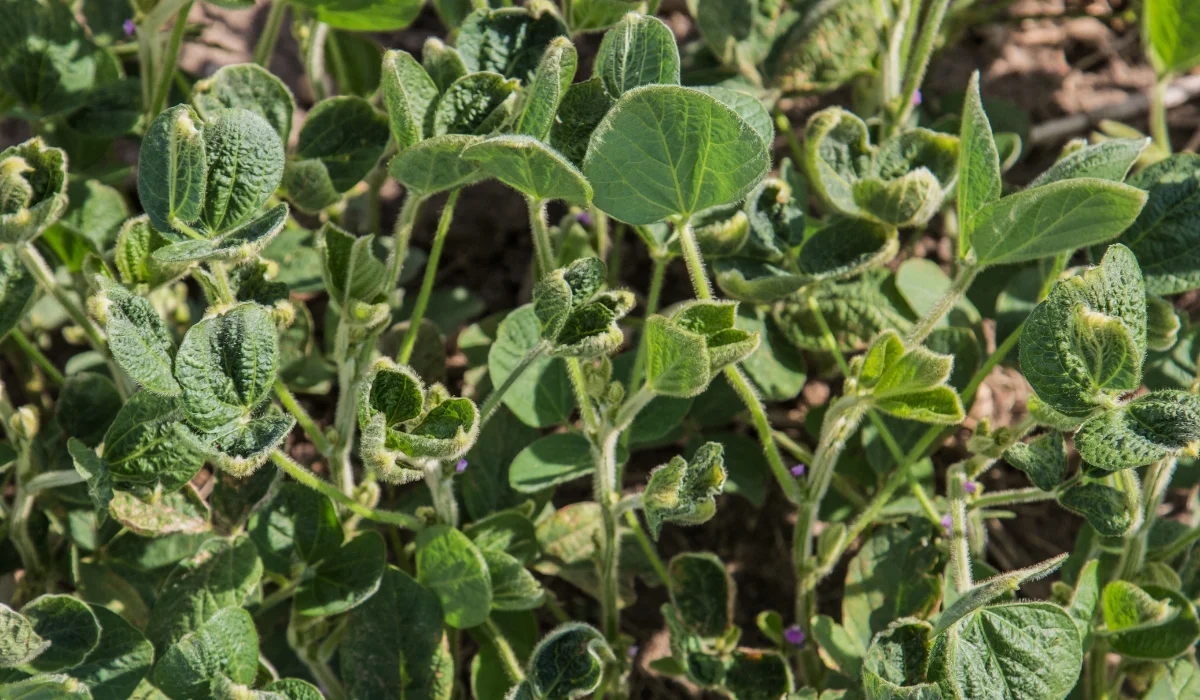
By Honor May Eldridge
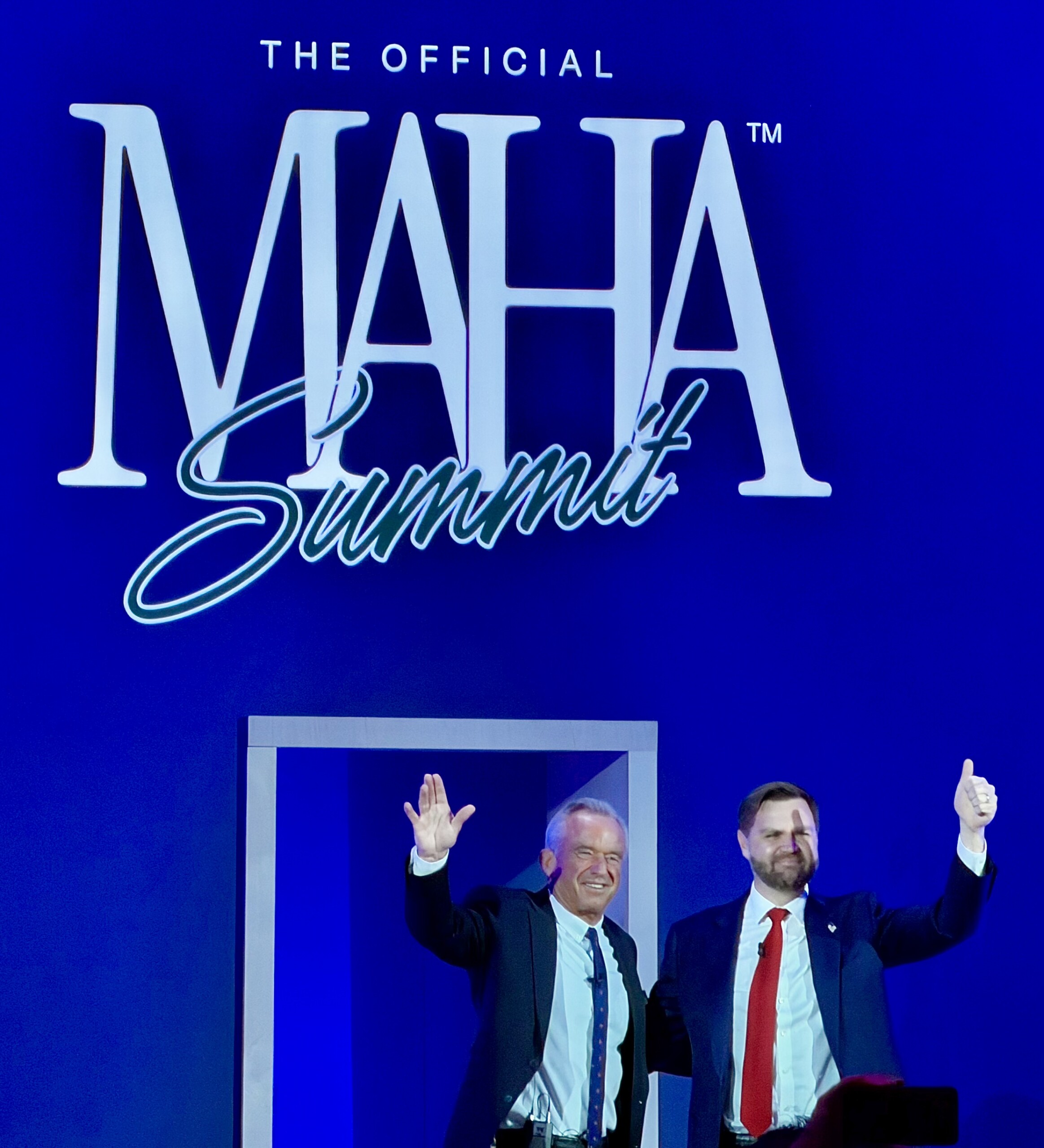
In the landscape of the 2024 presidential election, the American political vernacular underwent a profound transformation. Concepts that were once the domain of fringe environmentalists—the toxicity of ultra-processed foods, the ubiquity of agricultural chemicals, and the systemic decline of public health—suddenly occupied the center of the national stage. Spearheaded by Robert F. Kennedy Jr. under the banner of "Make America Healthy Again" (MAHA), this movement deliberately mirrored Donald Trump’s "Make America Great Again" (MAGA) slogan, signaling a bold intent to link the nation’s cardiovascular and metabolic crisis directly to the industrial food system.
However, halfway through the current presidential term, a jarring disconnect has emerged. The high hopes of MAHA advocates, who believed that a seat at the cabinet table for Kennedy would usher in a new era of chemical-free, regenerative agriculture, have been met with the cold, pragmatic, and protectionist machinery of a government focused on national security and industrial output. As the administration balances these competing visions, the result has been a series of policy reversals that prioritize the status quo of industrial monoculture over the promise of a healthier, more resilient food system.
The Chronology of a Failed Convergence
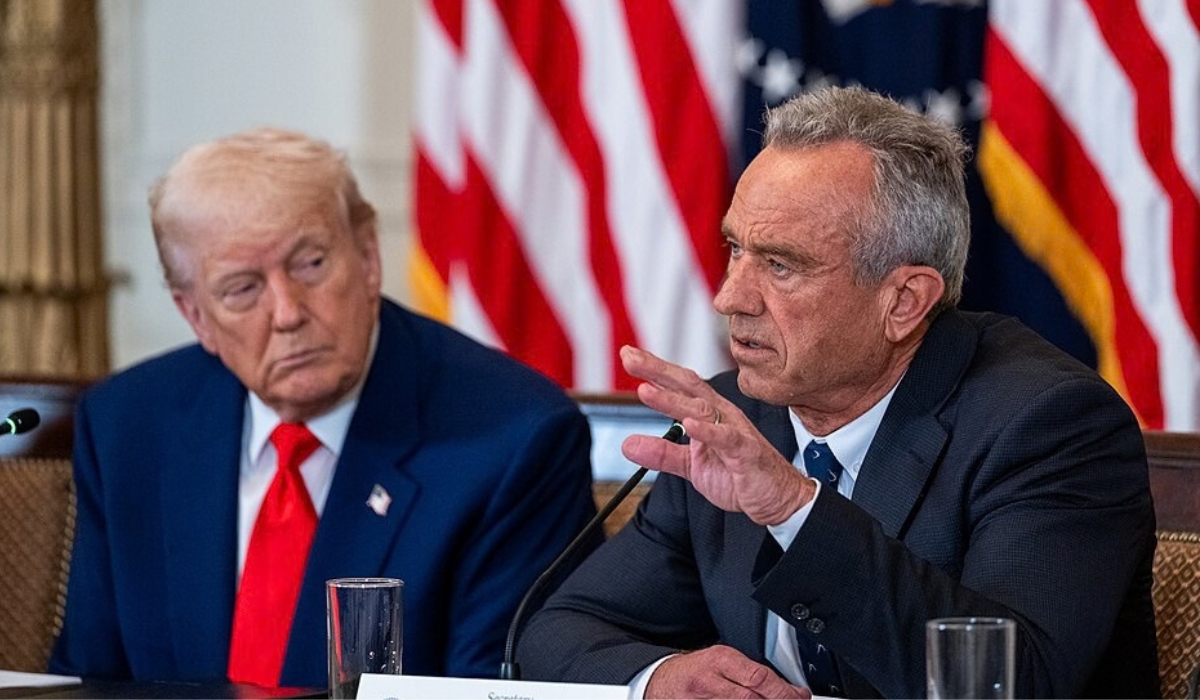
The trajectory of this movement can be traced back to the summer of 2024, a pivotal moment when Kennedy suspended his independent bid to endorse Donald Trump. For many of his followers, this was seen as a strategic alliance: a way to force mainstream Republicans to confront the "corporate capture" of federal agencies like the FDA and EPA.
- Summer 2024: The "MAHA" movement gains national traction, successfully lobbying for a public reckoning regarding herbicides and ultra-processed foods.
- August 2024: Kennedy endorses Trump, transferring his policy platform into the mainstream MAGA fold.
- February 2026: The administration reverses a federal court ruling on dicamba, re-authorizing the herbicide despite years of evidence regarding its tendency to "drift" into non-target fields.
- February 2026: The Trump administration invokes the Defense Production Act, classifying the domestic manufacture of glyphosate as a matter of "national security."
- July 2026: Growing disillusionment among original MAHA activists as the EPA continues to green-light chemical-intensive agricultural practices.
Dicamba: A Case Study in Regulatory Reversal
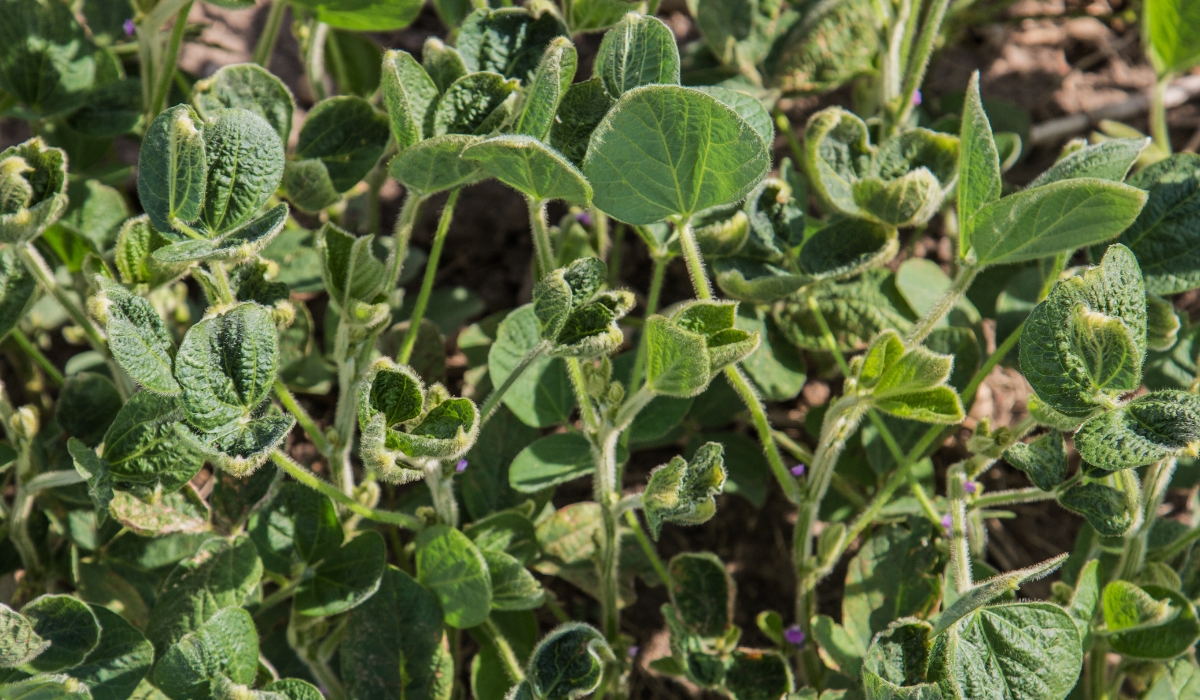
Perhaps no issue illustrates the friction between MAHA’s vision and the administration’s reality more clearly than the status of the herbicide dicamba. In 2024, a landmark federal court ruling sent shockwaves through the agricultural sector by halting the widespread use of dicamba. The decision was rooted in scientific evidence demonstrating that the EPA had failed to adequately account for "dicamba drift"—the chemical’s volatility, which causes it to lift and migrate onto neighboring farms, devastating crops that were not genetically modified to withstand it.
For small-scale farmers and organic producers, the 2024 pause was a "vital victory," as described by the Center for Food Safety. It promised a reprieve from the legal and financial ruin caused by neighboring operations. Yet, in 2026, the administration moved to reverse this progress. The EPA re-approved the use of dicamba-tolerant seeds and the associated herbicide, claiming that "tighter safeguards"—such as increased buffer zones and temperature restrictions—would mitigate the risk of drift.
Critics, however, argue that these restrictions are largely unenforceable and serve only to provide a veneer of regulation over a fundamentally flawed practice. The move has been widely interpreted as a surrender to the lobbying power of agrochemical giants, prioritizing corporate profit margins over the stability of the American agricultural landscape.
Glyphosate and the Security Narrative
The most striking shift, however, occurred when the administration utilized the Defense Production Act (DPA) to protect the domestic supply of glyphosate. Originally designed for wartime emergencies, the DPA is an extraordinary tool that grants the president the power to dictate the priorities of private industry. By framing the production of a herbicide as a matter of national security, the administration successfully aligned its agricultural policy with its broader "America First" trade agenda.
The logic follows a protectionist framework: the U.S. relies on imported precursor chemicals from China to manufacture glyphosate. By securing domestic production, the administration argued it was insulating American farmers from global supply chain shocks. While this may hold weight from a purely geopolitical perspective, it represents a catastrophic abandonment of the MAHA mission to reduce chemical dependency.
By defining the chemical as a strategic asset, the government has essentially codified the current industrial agricultural model as the only acceptable form of production. This effectively freezes the status quo, making any transition toward regenerative or low-input farming significantly more difficult to implement at a federal level.
The Fragility of Industrial Monocultures
The administration’s reliance on these chemicals rests on a foundational error: the belief that productivity is the same as resilience. Industrial monocultures—vast fields of single-crop soybeans, corn, or cotton—are undeniably productive in the short term, provided they are drenched in the required cocktail of herbicides and fertilizers. However, they are also inherently fragile.
Ecologically, these systems are "brittle." By stripping away biodiversity, they destroy the natural defenses—such as beneficial insects and complex soil microbiomes—that would otherwise manage pest populations. As climate change accelerates, causing more frequent droughts, heatwaves, and unpredictable weather patterns, these monocultures are becoming increasingly vulnerable.
When a system is built to rely on external inputs like synthetic chemicals, it loses its ability to self-regulate. Every time an herbicide fails to stop a resistant weed, the industry demands a stronger chemical. This "chemical treadmill" does not enhance national security; it undermines it by creating a system that is entirely dependent on an increasingly volatile and toxic supply chain.
Implications for the Future of Food
The disillusionment among MAHA supporters is a symptom of a much larger, global problem. We are living through a period of profound systemic shocks—climate instability, geopolitical conflict, and public health crises. In this context, the decision to double down on an outdated, chemical-heavy agricultural paradigm is a missed opportunity of historic proportions.
True food security cannot be found in the bottom of a spray tank. It must be built into the soil. Resilience is created through:
- Diversity: Moving away from monocultures to polycultures that can withstand localized pests and diseases.
- Soil Health: Prioritizing organic matter and microbial life to allow crops to weather droughts and floods.
- Decentralization: Strengthening regional food systems that do not rely on global, long-distance supply chains for their basic inputs.
As we look toward the future, the lessons of the past two years are clear. The promises of "making America healthy" cannot be fulfilled while the government continues to treat the agricultural chemical industry as a sacred pillar of national defense. A paradigm shift is required—one that recognizes that the health of the American people is inextricably linked to the health of the American land.
Without a move toward regenerative practices and a reduction in chemical dependency, the current administration risks leaving behind a legacy of further degradation. Resilience must be the core of our policy, not an afterthought. For the sake of future generations, we must pivot from the brittle security of the past to the sustainable, diverse, and robust food systems of the future. The real "Make America Healthy Again" movement must ultimately be a movement to restore the earth itself.


 Iffa Jayyana
