

 Azzam Bilal Chamdy
 Neng Nana
 Nana Muazin
 Dwi Wanna
 Raul Delapena Setiawan
 Nana
Nana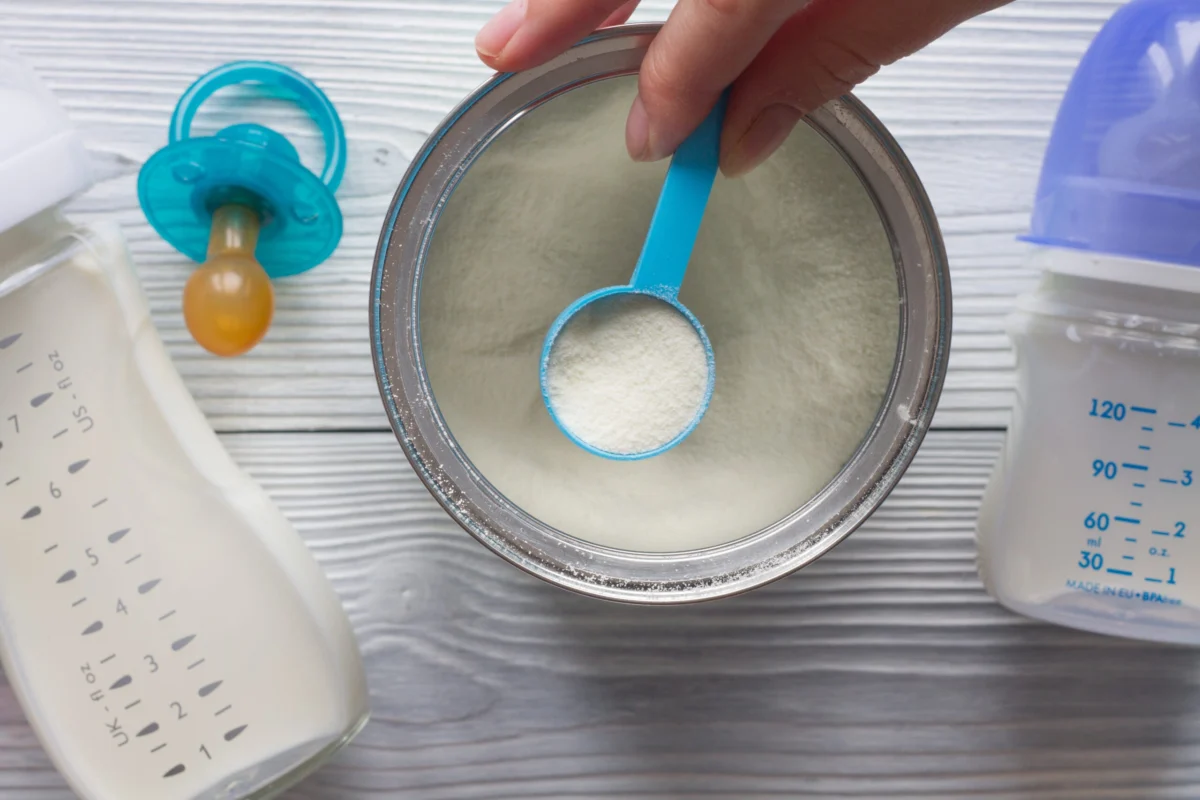
The sight of empty shelves in the baby aisle is perhaps one of the most visceral symbols of economic instability a society can face. Over the past two years, the United States has grappled with an unprecedented infant formula shortage, transforming a routine household necessity into a source of profound anxiety for millions of parents. While the immediate crisis was exacerbated by supply-chain fractures, the situation has unveiled deep-seated vulnerabilities in the nation’s nutritional infrastructure, highlighting the intersection of industrial manufacturing, public health policy, and the stark realities of modern parenthood.
Main Facts: The Anatomy of a Shortage
At its core, infant formula is not merely a commodity; it is a life-sustaining medical necessity. For infants who are not breastfed, or whose medical conditions—such as metabolic disorders, severe allergies, or gastrointestinal issues—preclude standard feeding methods, formula is their sole source of nutrition.
The crisis reached a boiling point due to a "perfect storm" of factors. The U.S. market for formula is highly concentrated, with a handful of major manufacturers producing the vast majority of the national supply. This lack of diversification meant that when a significant disruption occurred at a major production facility, the entire domestic supply chain buckled. Pandemic-related labor shortages, transportation bottlenecks, and a recall of specific products created a vacuum that could not be filled by local inventories, leaving families scrambling for alternatives that were either unavailable or priced at predatory levels by third-party resellers.
Chronology: From Stability to Scarcity
The timeline of this crisis is a study in systemic fragility.
- Pre-2020: The infant formula market operated on a "just-in-time" supply chain model, optimized for efficiency rather than resilience. While stable, this model left little room for error.
- 2020–2021: The onset of the COVID-19 pandemic introduced unprecedented volatility. Manufacturing plants faced periodic closures due to outbreaks, while raw material imports were delayed by global logistics failures.
- Early 2022: The situation escalated dramatically following a voluntary recall of specific powdered infant formulas produced at a key facility in Michigan. This recall, initiated due to potential bacterial contamination, took a significant percentage of the market’s production capacity offline overnight.
- Spring 2022: Panic buying set in. Retailers responded by imposing purchase limits, but these measures often served to heighten public anxiety, leading to a self-perpetuating cycle of empty shelves.
- Mid-2022 to Present: The federal government initiated "Operation Fly Formula," an emergency measure to import safe, foreign-manufactured formula via military aircraft. While this stabilized the most acute deficits, it underscored the desperation of a nation unable to meet its own basic nutritional requirements for infants.
Supporting Data and the Reality of Breastfeeding
While public health agencies—such as the American Academy of Pediatrics and the CDC—strongly advocate for breastfeeding, the rhetoric often fails to account for the socioeconomic barriers facing many families.
Data consistently shows that the return to the workforce is a primary driver of formula dependency. In the United States, a lack of universal paid family leave and inadequate lactation support systems means that many mothers cannot sustain breastfeeding exclusively. Furthermore, for the estimated 1% to 2% of infants with specific medical needs—such as those requiring hypoallergenic or elemental formulas—there is no "natural" substitute. These infants are entirely dependent on highly specialized industrial formulas. When these specific stocks run low, the health consequences for these children can be immediate and severe, ranging from failure to thrive to acute allergic reactions.
Official Responses: Government and Policy Intervention
The federal government’s response was multifaceted, ranging from emergency logistical support to regulatory loosening.
- Operation Fly Formula: This initiative was a stark admission of failure in domestic supply chain resilience. By utilizing Department of Defense aircraft to transport millions of bottles of formula from Europe and Australia, the U.S. managed to bridge the gap.
- FDA Enforcement Discretion: The Food and Drug Administration (FDA) temporarily relaxed import requirements, allowing foreign manufacturers that met stringent safety standards to enter the U.S. market. This was a critical pivot, as it acknowledged that the domestic market had become a dangerous oligopoly.
- WIC Program Flexibility: The Special Supplemental Nutrition Program for Women, Infants, and Children (WIC) accounts for roughly half of all formula sales in the U.S. The government allowed states to waive certain contract requirements, permitting parents to use their WIC benefits on a wider variety of brands and sizes.
Implications: What Parents Must Know
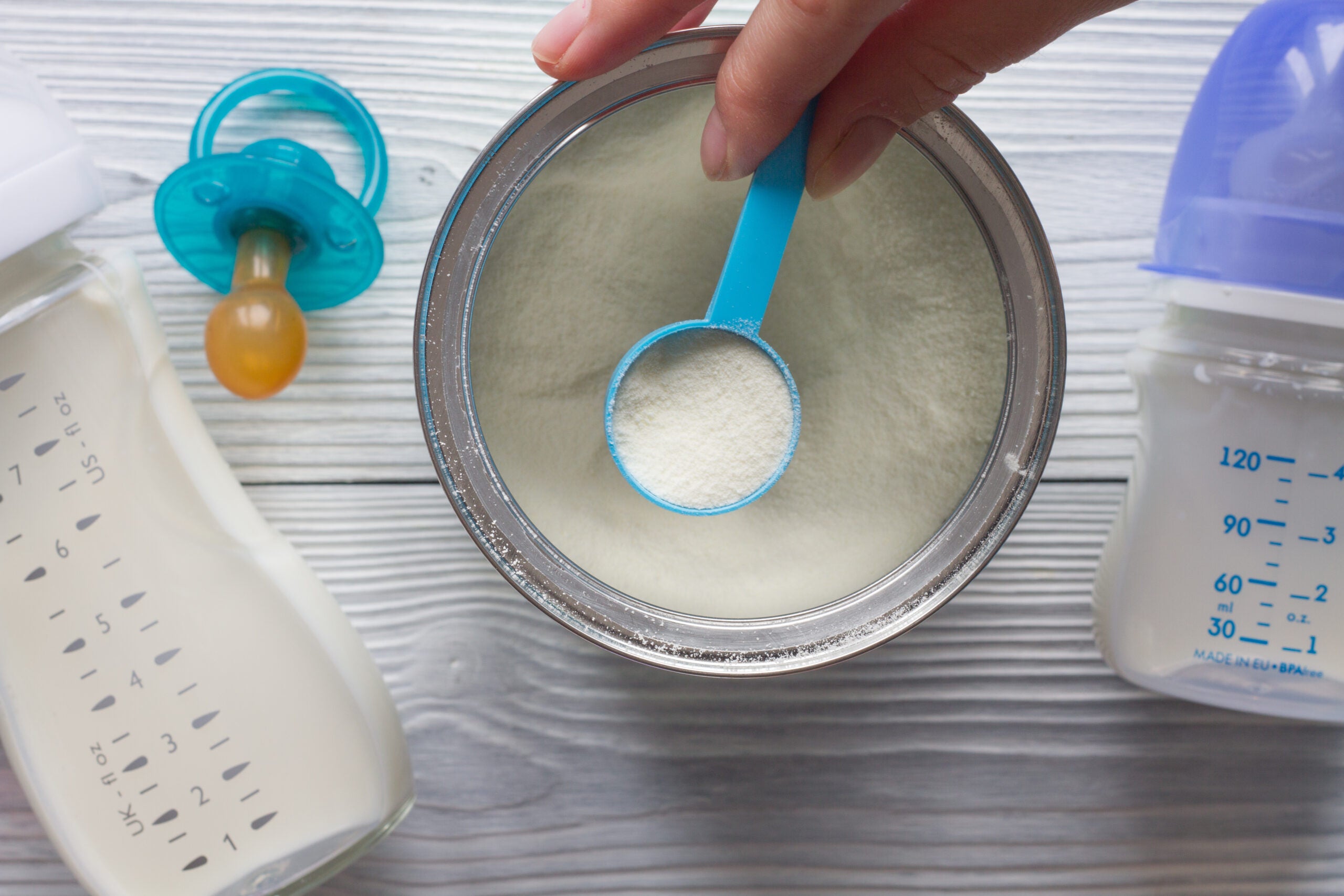
In the wake of this crisis, parents have been left to navigate a landscape of uncertainty. Experts advise that while the supply chain has largely stabilized, preparedness is a new standard for families.
What to do now:
- Consult your pediatrician: Before making any drastic changes to an infant’s diet, always consult a medical professional, especially for infants with underlying health conditions.
- Explore safe alternatives: If your preferred brand is unavailable, talk to your doctor about nutritionally equivalent alternatives.
- Community support: Utilize local resources such as human milk banks if medically indicated, but avoid unvetted peer-to-peer milk sharing, which carries risks of contamination.
What not to do:
- Do not dilute formula: Never add extra water to stretch your supply. This alters the nutrient density and can cause electrolyte imbalances that are dangerous, even fatal, to infants.
- Do not make homemade formula: Online "recipes" for homemade formula are not nutritionally balanced and often lack essential vitamins and minerals required for infant development. They pose a severe risk of malnutrition.
- Do not use cow’s milk for infants under one: Cow’s milk lacks the iron, vitamin C, and other essential nutrients an infant needs and is difficult for their digestive systems to process.
Future Directions: Building a Resilient Infrastructure
To prevent a recurrence, structural reform is non-negotiable. As highlighted in the American Journal of Clinical Nutrition, policy shifts must focus on long-term sustainability rather than short-term fixes.
1. Diversification of Production
The current model, which relies on a few massive facilities, is inherently risky. Regulatory policies should incentivize the entry of smaller, regional, and diverse manufacturers into the market to ensure that a single factory shutdown does not trigger a national crisis.
2. Strengthening Global Supply Chains
The U.S. should formalize and maintain trade agreements with international partners who maintain high safety standards for infant formula. Integrating these suppliers into the domestic market permanently—rather than just during emergencies—would provide a vital buffer against domestic production halts.
3. Enhancing Parental Support
The most effective way to reduce the impact of formula shortages is to reduce the absolute necessity of formula for every infant. This requires robust federal support for breastfeeding, including universal paid family leave, protected time for pumping in the workplace, and better access to professional lactation consultants. By ensuring that parents have the time and support to choose breastfeeding if they wish, the country reduces the strain on the formula market.
4. Improving FDA Oversight and Resilience
The FDA needs the resources and the mandate to monitor the infant formula market not just as a consumer good, but as a critical piece of national health infrastructure. This includes proactive monitoring of production capacities and clearer communication protocols with manufacturers to identify supply chain fractures before they become empty shelves.
Conclusion
The infant formula shortage of the early 2020s was a wake-up call. It revealed that in an era of global interconnectedness, the most basic needs of our most vulnerable citizens remain precarious. Moving forward, the goal must be a dual-track approach: empowering parents through better workplace support while ensuring the formula industry is diverse, regulated, and resilient enough to withstand the unpredictable nature of our global economy. Protecting the nutritional security of infants is not just a logistical challenge—it is a fundamental public health imperative.


 Nila Kartika Wati
 Iffa Jayyana
