

 Ali Ikhwan

 Iffa Jayyana

 Muslim

 Nana

 Dwi Wanna
 Reynand Wu
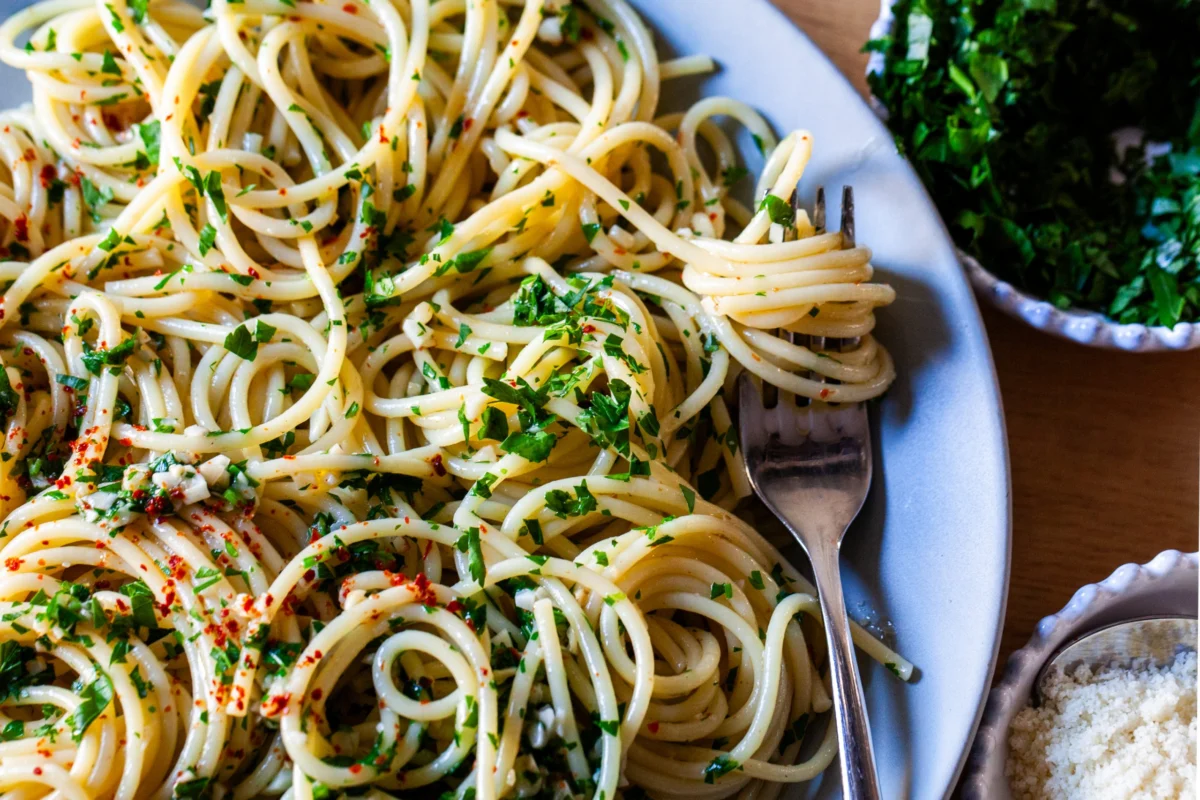
In the modern culinary landscape, where home cooks are increasingly pressured to produce elaborate, visually stunning, and complex meals, there is a quiet, aromatic revolution happening in kitchens across the globe. It requires no specialized equipment, no exotic ingredients sourced from specialty importers, and, most importantly, very little emotional labor. It is spaghetti aglio e olio—a classic Neapolitan staple that serves as a profound reminder that the most sophisticated flavors are often found in the most humble of ingredients.
Main Facts: The Essence of Aglio e Olio
At its core, spaghetti aglio e olio is a testament to the Italian philosophy of cucina povera, or "peasant cooking." The dish is defined by its brevity: long, slender spaghetti tossed in an emulsion of high-quality extra virgin olive oil and thin slivers of garlic, typically elevated by a pinch of red chili flakes and fresh parsley.
While the ingredients list is remarkably short, the technique is where the "wizardry" happens. The dish relies on the creation of an emulsion—a delicate balance where the starchy, salty pasta water bonds with the fat of the olive oil to create a silky, glossy coating that clings to every strand of pasta. It is not merely "oily noodles"; it is a cohesive, textured, and deeply aromatic experience. For the exhausted home cook, the vacation-rental traveler, or anyone navigating the "dog days of summer," it represents the gold standard of high-reward, low-effort sustenance.

A Chronological Evolution of a Staple
The origins of aglio e olio are rooted deeply in the culinary history of Naples. Historically, it was a dish of necessity, born from a time when the ingredients—dried pasta, garlic, and oil—were staples found in virtually every pantry in Southern Italy.
- The Early Period: Initially, the dish was a simple survival food. Without the luxury of abundant fresh produce or expensive proteins, cooks relied on the intense pungency of garlic to provide depth to otherwise bland starch.
- The Mid-20th Century: As post-war Italy saw a rise in domestic kitchens, the dish migrated from rural households to urban settings. It became a beloved "late-night" snack, often prepared by chefs after a long shift or by students seeking a hearty meal on a budget.
- The Modern Era: Today, aglio e olio has achieved a status of global prestige. It is frequently featured on the menus of high-end Italian restaurants, where chefs elevate it with artisanal pasta and single-origin olive oils. It has also become a social media darling, with thousands of home cooks sharing their variations, proving that its accessibility is its greatest strength.
Supporting Data: The Science of the Emulsion
Why does such a simple dish garner such high praise? The answer lies in the chemistry of the "pasta water."
When pasta boils, it leaches amylose—a starch—into the water. This water, which is usually discarded, is liquid gold in the kitchen. Professional chefs understand that this starchy, salted water is the secret to emulsification. When added to the pan containing the sautéed garlic and olive oil, the agitation of the noodles forces the water and fat to combine.

Key Technical Parameters:
- Temperature Control: Starting the garlic in cold oil is a crucial technique. It allows the fat to infuse with the garlic’s flavor slowly as the temperature rises, preventing the bitter char that occurs if garlic is dropped into a smoking hot pan.
- Starch Concentration: The "1 to 2 minutes shy of done" rule ensures that the pasta finishes cooking in the sauce. This allows the pasta to absorb the infused oil rather than just being coated by it.
- Flavor Profile: The ratio of garlic to oil determines the intensity. A standard approach uses 4 to 6 cloves of garlic for every half-pound of pasta, though regional variations in Italy range from subtle to aggressively pungent.
Official Perspectives and Culinary Philosophy
Culinary historians often point to aglio e olio as the "litmus test" of a cook’s capability. While it is simple, there is nowhere to hide. Because there are no heavy sauces, meats, or cheeses to mask errors, the quality of the ingredients is paramount.
"There is an inherent honesty in this dish," notes food critic and writer Elena Rossi. "When you strip away the distractions of complex recipes, you are left with the fundamental relationship between the heat, the fat, and the starch. It teaches the cook how to listen to the sizzle and how to observe the change in the consistency of the liquid. It is a masterclass in foundational technique."

Furthermore, the dish has gained a reputation for its "aromatherapy" properties. It is a well-documented phenomenon that the scent of garlic hitting hot oil acts as a sensory beacon. In many households, the sound of sizzling garlic and the resulting aroma serves as an immediate invitation to the table, cutting through the noise of digital distractions and sedentary routines.
Implications for the Modern Home Cook
The endurance of aglio e olio in our culture speaks volumes about our changing relationship with the kitchen. We live in an era of "recipe fatigue," where meal-prep services and social media algorithms push increasingly complex dishes. Aglio e olio offers a necessary, restorative alternative.
1. The Psychology of the "Backpocket Recipe"
Having a reliable, pantry-stable recipe like this reduces the "decision fatigue" that often leads to ordering takeout. Knowing that a delicious, comforting meal is only 15 minutes away changes the cook’s mental approach to dinner.

2. Customizability and Versatility
While purists argue for the traditionalist approach, the dish is a blank canvas.
- The "Fridge-Cleanout" Method: It serves as a perfect vehicle for leftover roasted vegetables, wilted greens, or stray mushrooms.
- Protein Integration: For those desiring a more robust meal, the addition of grilled shrimp, seared chicken thighs, or even canned anchovies (for an aglio, olio e acciughe variant) elevates the dish into a complete nutritional profile without compromising its soul.
- The Cheese Debate: While traditionalists often omit Parmesan, the modern home cook operates under the mantra: "Your house, your rules." A dusting of Parmigiano-Reggiano or Pecorino Romano adds a layer of umami that, while technically an addition, is widely embraced by the international community.
3. Sustainability and Economic Impact
In a time of rising food costs, aglio e olio is an economic hero. It relies on shelf-stable dry pasta and garlic, which are among the most affordable items in the grocery store. It encourages the use of pantry staples and reduces food waste by acting as a secondary use for vegetable scraps and leftover proteins.
Conclusion: A Gentle Nudge
As we move through the remaining weeks of summer, there is a profound grace in slowing down. The kitchen should be a place of respite rather than a source of stress. Whether you are navigating the quirks of a vacation rental, managing the chaos of family life, or simply seeking a quiet moment of comfort, spaghetti aglio e olio is there.

It does not ask for your best performance. It does not demand hours of marinating or chopping. It asks only for your attention, a bit of salt, a heavy hand with the olive oil, and the willingness to let simplicity do the heavy lifting. In return, it offers a glossy, aromatic, and deeply satisfying bowl of pasta that tastes like home, no matter where you are. Consider this a reminder to keep it in your rotation—not just because it is easy, but because it is, in every sense of the word, perfect.

 Lina Hope

 Jia Lissa

