

 Azzam Bilal Chamdy
 Neng Nana
 Nana Muazin
 Dwi Wanna
 Raul Delapena Setiawan
 Nila Kartika Wati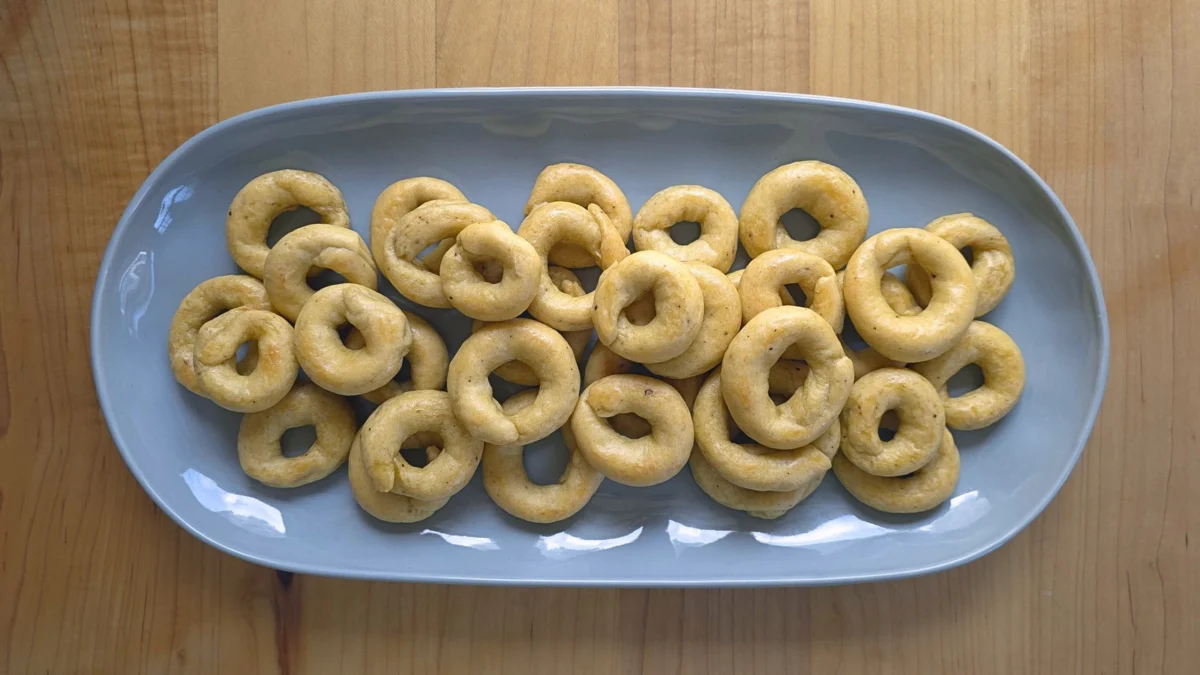
In the landscape of Italian snack culture, few items command the same level of nostalgic reverence as the tarallo. These small, ring-shaped crackers—simple in appearance but complex in execution—serve as the backbone of the Southern Italian aperitivo. While they have become a staple in Italian-American households from Rhode Island to California, their roots remain firmly planted in the sun-drenched soil of Puglia, the "heel" of Italy’s boot.
For those who have experienced the authentic crunch of a freshly baked tarallo, the appeal is immediate. It is a sensory experience defined by a distinct "mouth-tingling" quality—often derived from cracked black pepper—balanced by the rich, fruity notes of high-quality olive oil and the subtle acidity of dry white wine. To replicate this experience at home is to participate in a culinary tradition that dates back to the 1400s.
Main Facts: The Anatomy of a Perfect Tarallo
The tarallo is not merely a cracker; it is a testament to the Italian philosophy of cucina povera—the art of making exceptional food from modest, readily available ingredients. Historically, the recipe was a way for farmers to utilize surplus olive oil and wine.
At its core, the authentic tarallo is composed of four primary components:
- Durum Flour: While all-purpose flour is a common shortcut, the secret to a professional-grade crunch lies in high-quality durum flour. This grain provides a distinct buttery, nutty profile that white flour simply cannot mimic.
- Extra Virgin Olive Oil: Puglia is Italy’s largest producer of olive oil, and the quality of the oil is the defining factor in the cracker’s richness. A low-grade oil will result in a flat, greasy flavor; a premium, cold-pressed oil provides the necessary depth.
- Dry White Wine: The wine acts as both a flavoring agent and a structural element. Its acidity tenderizes the dough, while its alcohol content—which largely evaporates during the boiling and baking process—adds a layer of complexity that water cannot provide.
- The Aromatics: While the base remains consistent, the flavor profile is dictated by the baker’s choice of inclusions. Black pepper is the traditional gold standard, though fennel seeds (which offer a bright, licorice-like finish) and red pepper flakes (for a lingering heat) are equally revered in regional Italian bakeries.
Chronology: From the Fields of Puglia to the Modern Kitchen
The journey of the tarallo is one of geographic migration and culinary evolution.
The 15th Century Origins: Legend suggests that the tarallo originated in Puglia when a mother, faced with empty cupboards, combined flour, olive oil, and white wine to feed her children. The resulting dough was shaped into rings, boiled to set the texture, and baked to create a shelf-stable snack.
The Migration to America: As waves of Italian immigrants settled in the United States, they brought their regional recipes with them. In centers of Italian-American life like Rhode Island, the tarallo became a staple of the deli and bakery circuit. For many second- and third-generation Italians, the first taste of a "real" tarallo occurs in the kitchen of an elder, reinforcing the emotional weight of the food.

The Home-Cooking Renaissance: In recent years, home bakers have moved beyond the store-bought versions to reclaim the process. Early attempts at home-made taralli often involve substituting water for wine for convenience, resulting in a product that is "adequate" but lacks the signature snap. The modern trend, however, is a return to traditional methodology: using premium durum flour and high-acid white wines to recreate the complex, layered flavor profiles found in Italian bakeries.
Supporting Data: The Science of the "Double-Cook"
The unique texture of the tarallo—a balance between a biscuit and a cracker—is achieved through a two-stage cooking process that is scientifically precise.
The Boiling Phase
Unlike most crackers, which go straight from the mixing bowl to the oven, the tarallo is briefly boiled. This process gelatinizes the starches on the surface of the dough ring, creating a "skin." This skin is crucial; it ensures that the cracker maintains its signature ring shape and develops a glossy, golden-brown finish during the subsequent bake.
The Baking Phase
Once the rings are boiled and dried, they are moved to a hot oven. The goal here is to remove moisture from the interior without scorching the exterior. This is where the choice of flour becomes critical. Durum wheat, being high in protein, creates a sturdy gluten network that resists becoming overly brittle, allowing for that satisfying "snap" upon the first bite.
Alcohol Content and Evaporation
A common question among home bakers concerns the use of wine. According to research from institutions like Idaho State University, the evaporation of alcohol during cooking is a function of both temperature and surface area. While it is a common myth that all alcohol disappears instantly, the tarallo’s extended bake time and high surface-area-to-volume ratio ensure that the final product is essentially a flavor-concentrated vessel. After 30 minutes in a hot oven, only a negligible amount of alcohol remains, leaving behind only the esters and acids that contribute to the cracker’s sophisticated profile.
Official Perspectives on Regional Authenticity
In Italy, the tarallo is protected by the Prodotti Agroalimentari Tradizionali (PAT) designation, a status that recognizes its importance to regional heritage. Experts from the Pugliese culinary community emphasize that authenticity is not just about ingredients, but about the "hand-feel" of the dough.
"To understand the tarallo," says one artisanal baker from Bari, "you must understand the elasticity of the dough. If the olive oil is not properly emulsified with the wine and flour, the crackers will shatter rather than snap."

These experts advocate for the use of locally sourced fennel seeds and hand-cracked black peppercorns rather than pre-ground spices. The commitment to these small details is what elevates the tarallo from a simple snack to a cultural artifact.
Implications: The Future of the Traditional Snack
The modern resurgence of the tarallo signals a broader shift in consumer behavior. As home cooks become more discerning, there is a clear move away from ultra-processed, preservative-heavy snacks toward items that are "handmade and heart-felt."
The Charcuterie Board Revolution
The tarallo has found a new home on the modern charcuterie board. Because of its structural integrity, it is the ideal vehicle for soft cheeses, cured meats, and tapenades. Unlike delicate water crackers, the tarallo holds its own against intense flavors like gorgonzola or spicy salami, making it a versatile tool for the home entertainer.
The Sustainability of Home Baking
By returning to traditional methods—sourcing high-quality durum flour and local olive oils—home bakers are not only producing a superior product but are also participating in a more sustainable food cycle. Moving away from the convenience-based "water-only" recipes of the 1990s and 2000s, the current generation of bakers is prioritizing quality and depth of flavor.
A Lasting Legacy
Ultimately, the tarallo remains a symbol of hospitality. Whether served alongside a glass of crisp white wine or enjoyed as a mid-afternoon pick-me-up, it serves as a bridge between the past and the present. It reminds us that even in a fast-paced world, there is still space for the patience required to boil, shape, and bake a perfect, golden ring of dough. As we continue to refine our methods, the tarallo will undoubtedly remain a cornerstone of the global pantry, a small but mighty piece of Italian tradition that continues to wow, one crunch at a time.

 Evan Lee Salim
