

 Azzam Bilal Chamdy
 Neng Nana
 Nana Muazin
 Dwi Wanna
 Raul Delapena Setiawan
 Lina Irawan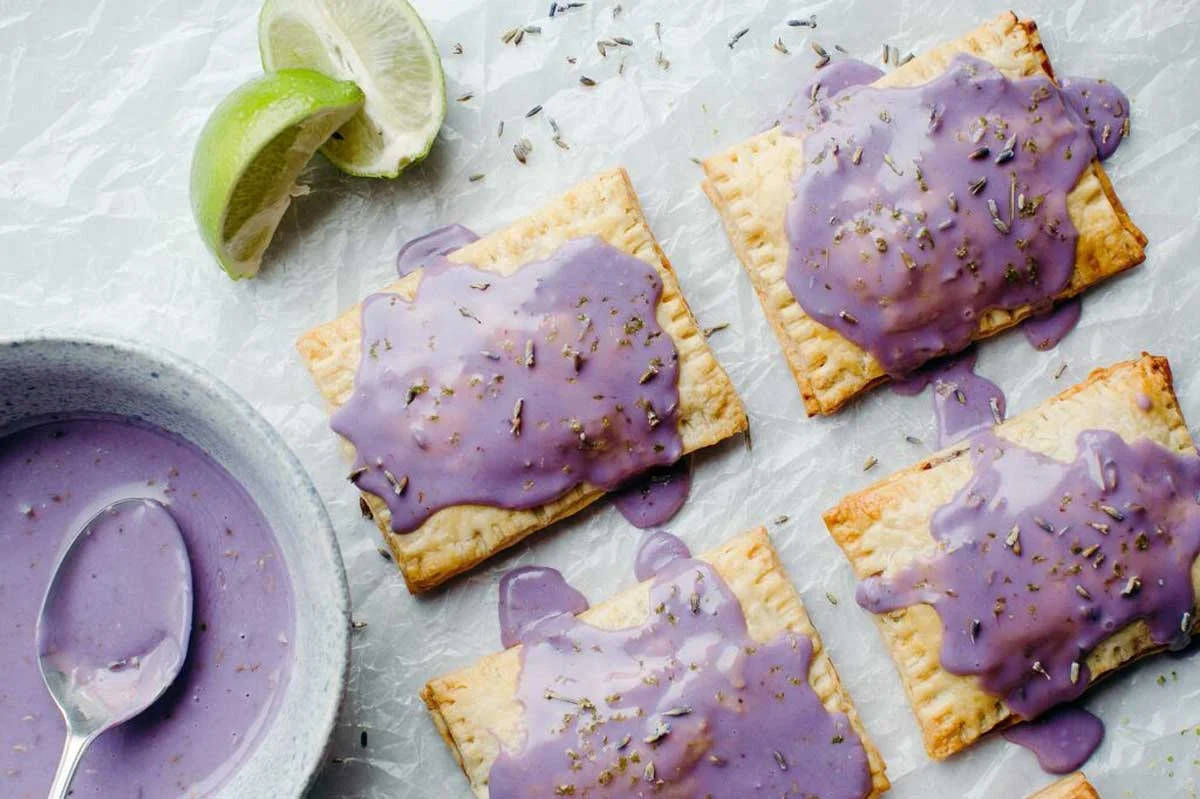
As the summer solstice approaches and the landscape turns into a rolling sea of purple, the fragrant, soothing aroma of lavender signals more than just a seasonal shift in the garden—it marks the beginning of a vibrant culinary season. For centuries, this herb has been prized for its therapeutic properties, but today, its role in the kitchen has transcended the potpourri bowl. With its complex profile of floral, minty, and citrusy undertones, lavender is emerging as a premier ingredient for chefs and home cooks alike, capable of bridging the gap between delicate desserts and robust, savory main courses.

The Versatility of the Bloom: Culinary Applications
Lavender’s flavor profile is notoriously nuanced. When handled with the precision of a master artisan, it acts as a bridge between ingredients. In savory applications, its earthiness pairs perfectly with proteins like grilled lamb, roasted chicken, or even in herbaceous pestos using African blue basil. In the realm of sweets, it is the ultimate companion to dairy, honey, stone fruits, and dark chocolate.

The culinary potential is vast: from the refreshing, light profile of a Lavender Melon Gazpacho to the indulgent, rich notes of a Honey Lavender Scone. For those who enjoy the art of preserving, lavender transforms simple fruit into elegant pantry staples, such as Blueberry Lavender Jam or Strawberry Lavender Syrup, both of which serve as versatile building blocks for everything from morning pancakes to evening cocktails.

A Chronology of Culinary Integration
While lavender has been a staple in traditional Provençal cooking for generations, its rise in global modern cuisine has been a gradual, deliberate evolution.

- Early 20th Century: Lavender was primarily utilized in European confectionery and as a flavoring for tea.
- Late 1990s: The "farm-to-table" movement began to emphasize regional herbs, prompting chefs to explore the savory applications of lavender in butter infusions and spice rubs.
- 2010s–Present: A surge in mixology culture has cemented lavender as a cornerstone for craft syrups and botanical-forward cocktails, moving the herb from the spice rack to the bar cart.
- 2025–2026: We are currently seeing a "botanical infusion" trend, where home cooks are increasingly experimenting with lavender-infused oils, vinegars, and sugars, making the herb a year-round pantry essential.
Mastering the Bloom: Essential Cooking Tips
Cooking with lavender is often described as a high-wire act. The line between a "sophisticated floral note" and "tasting like soap" is remarkably thin. To ensure success, home cooks should adhere to these fundamental principles:

The Source Matters
Not all lavender is created equal. When purchasing for the kitchen, always look for "culinary grade." This designation is critical, as it guarantees that the plants have not been treated with pesticides, herbicides, or systemic fungicides often found in ornamental garden centers.

The Variety Check
Most varieties of lavender contain high levels of camphor, which can be overwhelming and medicinal in taste. For culinary purposes, stick to varieties known for lower camphor content and higher sweetness. Lavandula angustifolia (English lavender) is widely considered the gold standard for cooking, as it offers the most delicate, floral flavor profile.

The Rule of Moderation
Lavender is a potent herb; a little goes a long way. When substituting, remember that dried lavender is significantly more concentrated than fresh. As a general rule, if a recipe calls for fresh lavender, use only about one-third the amount if using dried buds.

Strategic Pairings
To maximize the success of your dish, rely on proven flavor alliances. Lavender excels when paired with:

- Dairy: Butter, cream, yogurt, and goat cheese (chèvre).
- Acids: Lemon and lime zest help cut through the floral intensity.
- Sweeteners: Local honey and agave nectar.
- Fruit: Blueberries, peaches, and blackberries.
- Herbs: Rosemary and thyme, which provide an earthy foundation to balance the floral high notes.
Implications for Modern Gastronomy
The rise of lavender in modern cooking reflects a broader consumer shift toward "sensory dining." As we become more accustomed to global flavor profiles that incorporate botanicals, lavender provides a accessible entry point into sophisticated, multi-dimensional cooking.

From an industry perspective, the rise of lavender has created new revenue streams for small-scale, sustainable farms. The "culinary lavender" market is no longer a niche hobby; it is a growing sector of the artisanal food industry. The implications are clear: as consumers prioritize local, clean, and unique ingredients, the demand for high-quality, food-grade botanical herbs is expected to continue its upward trajectory.

A Curated Selection: Recipes to Try
Whether you are a seasoned chef or a culinary novice, the following categories offer a roadmap for incorporating this summer bloom into your repertoire.

Starters & Mains: The Savory Side
The unexpected use of lavender in savory dishes often surprises guests. For a sophisticated appetizer, try Fire-Melted Honey and Lavender Triple Crème Cheese. By fire-melting the cheese on a fig leaf and drizzling it with a lavender-infused honey, you create a complex, earthy, and sweet flavor profile that pairs perfectly with a crisp crostini. For the main course, Lavender Roast Chicken remains a perennial favorite. The herb’s floral notes penetrate the fat of the chicken, creating a delicate, aromatic skin that is elevated by a squeeze of fresh lemon juice.

Sweets: Pastries and Desserts
The pairing of lavender with citrus is a classic for a reason. Lavender Lemon Shortbread cookies offer a buttery, melt-in-the-mouth experience where the floral scent of the lavender acts as a perfume for the tart lemon. For those seeking something more substantial, Lavender-Blueberry Hand Pies are the quintessential summer treat. The addition of lavender to the fruit filling bridges the gap between the tartness of the berries and the sweetness of the pastry, creating a balanced, professional-grade dessert.

Condiments: The Pantry Essentials
The most effective way to enjoy lavender year-round is to keep a stock of lavender-infused condiments. Blueberry Lavender Jam is a sophisticated upgrade to a breakfast classic. By using a lavender-infused vodka extract, you ensure that the floral notes are deeply embedded in the jam rather than just sitting on the surface. Similarly, Edible Flower Compound Butter—made with butter, honey, and lavender blossoms—is an essential addition to your brunch table, perfect for smearing over warm scones or melting over grilled corn.

Mixology: The Botanical Bar
The modern "mocktail" and cocktail scene has embraced lavender with open arms. The Lavender Daisy, a riff on a 19th-century classic, mumbles blueberries, lavender blossoms, and honey syrup with gin and fresh lemon juice to create a spritzy, botanical refreshment. For those seeking a non-alcoholic option, the Zero-Proof Lavender Lemon Fizz offers all the complexity of a craft cocktail, utilizing zero-proof gin and a three-ingredient lavender syrup to provide a "grown-up" drink that is perfectly balanced and utterly refreshing.

Final Thoughts: The Joy of the Kitchen
Cooking with lavender is an act of patience and creativity. It invites us to slow down, smell the ingredients, and appreciate the delicate balance of nature. Whether you are infusing a bottle of honey, baking a batch of shortbread, or shaking up a summer cocktail, the key is to allow the lavender to complement—rather than dominate—your ingredients.

As the summer sun hits its peak and the lavender fields bloom, take a moment to bring this fragrant, historical herb into your own home. With the right source, the right variety, and a light hand, you will find that lavender is not just a flower to be looked at, but a fundamental building block of a sophisticated, delicious, and deeply seasonal kitchen.

For those looking to expand their skills, we recommend starting with a simple syrup infusion before graduating to complex pastry or savory applications. The journey from the garden to the plate is one of the most rewarding experiences in the culinary arts.


 Iffa Jayyana
