

 Azzam Bilal Chamdy
 Neng Nana
 Nana Muazin
 Dwi Wanna
 Raul Delapena Setiawan
 Lina Hope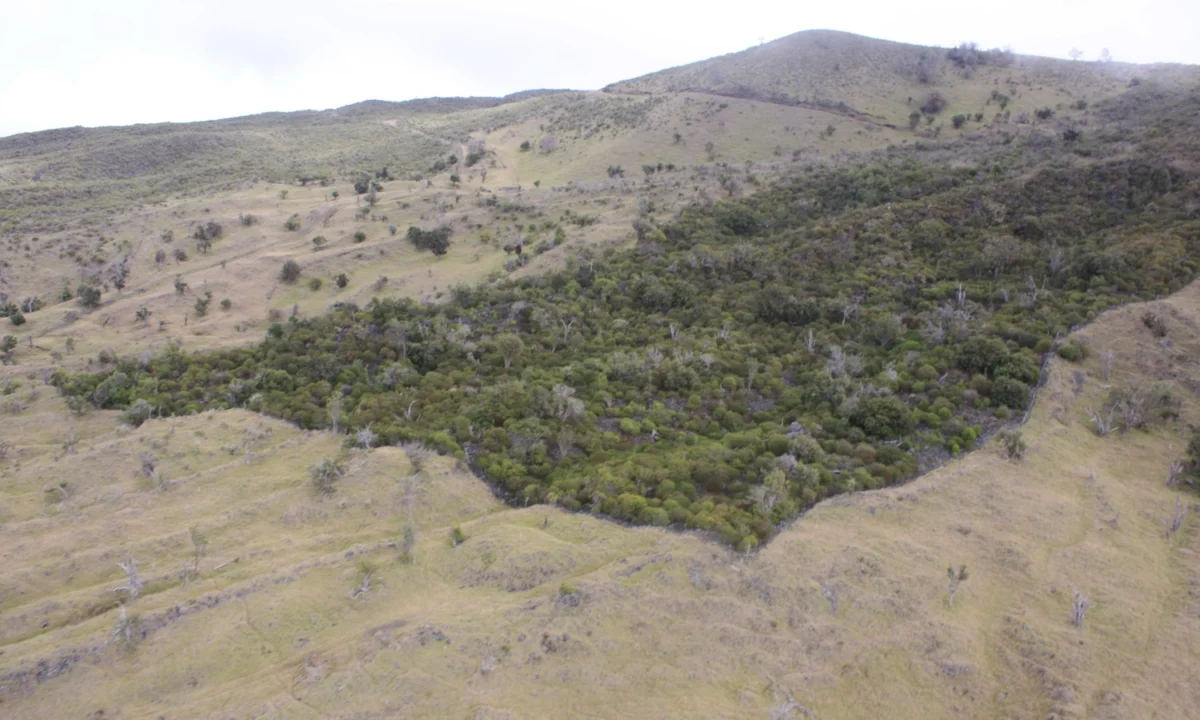
Each week, the global food system presents a complex tapestry of progress, warning signs, and necessary evolution. From the clinical application of nutrition to the urgent restoration of dryland ecosystems, the challenges facing our food supply are as interconnected as the solutions required to fix them. As we look at the current state of food policy, agriculture, and public health, it becomes clear that we are moving toward a paradigm shift—one that values resilience over mere efficiency.
I. The Clinical Frontier: "Food as Medicine" Gains Empirical Ground
The Science of Tailored Nutrition
The concept of "Food as Medicine" has transitioned from an ancient, indigenous understanding of holistic wellness into the crosshairs of modern clinical research. A groundbreaking peer-reviewed study published in the journal Preventing Chronic Disease has provided new evidence that medically tailored groceries—specifically those focused on plant-based whole foods—can serve as a powerful tool in managing chronic illness.
Researchers analyzed the impact of providing free, nutrient-dense grocery packages—containing fruits, vegetables, beans, whole grains, and healthy fats like nut butters—to patients affiliated with a community health center. The data revealed a positive correlation: participants who utilized these food packages more consistently exhibited measurable improvements in diastolic blood pressure, overall body weight, and Body Mass Index (BMI).
Implications for Public Health
While the study was observational—meaning researchers cannot definitively claim the groceries caused these improvements—the implications for public health are profound. While the study did not observe significant shifts in systolic blood pressure or blood sugar levels, the findings provide a compelling impetus for further, more rigorous investigation.
This shift represents a long-overdue reconciliation between the healthcare system and nutritional science. For centuries, Indigenous cultures have practiced food-based healing, viewing the environment and the diet as inseparable components of human longevity. Today, Western medicine is finally catching up, beginning to view the pharmacy and the produce aisle as two sides of the same coin.
II. Closing the Loop: The Decentralization of Food Waste Management
From "Waste" to Resource
For decades, food waste has been framed as a monolithic, insurmountable challenge—a byproduct of modern consumption that leads to overflowing landfills and increased methane emissions. However, the narrative is shifting toward a decentralized model of "hyper-local" solutions.
Recent reporting by the Associated Press highlights a burgeoning trend across the United States: the rise of small-scale, agile food-scrap collection services. A prime example is Scrap Soils in Detroit, a company that diverts coffee grounds, eggshells, and vegetable scraps from local homes and businesses, transforming them into high-quality compost for urban farms and regional gardens.
Supporting Data and Scale
This is not an isolated experiment. There are now more than 400 such food waste collection programs operating across the United States, from Baltimore to Seattle. These programs prove that effective climate action does not always require massive, state-funded infrastructure. Sometimes, the solution is as simple as a truck, a set of buckets, a dedicated composting site, and a community that recognizes "waste" for what it truly is: a nutrient-rich resource waiting to be returned to the soil.
III. Supply Chain Vulnerability: The "Blind Spot" in Corporate Strategy
The Failure of Traditional Modeling
While local initiatives thrive, the upper echelons of the global food supply chain remain in a precarious position. A recent analysis from the Food and Land Use Coalition warns that many of the world’s largest food conglomerates are effectively "flying blind" regarding climate risk.
The report highlights a critical flaw in current corporate risk management: companies are modeling climate events in isolation. They may account for a hypothetical drought or a single heatwave, but they fail to account for the "cascading effect"—the compounding crises that occur when drought, wildfire, pest infestations, deforestation, and water scarcity intersect simultaneously.
The Call for Systemic Resilience
Farmers are already operating in this high-risk reality. Consequently, the report argues that true resilience cannot be achieved through a single technological fix. Instead, it requires:
- Soil Health: Restoring carbon-sequestering, nutrient-dense soil to buffer against extremes.
- Diversification: Moving away from monocultures that are hyper-vulnerable to single-pest or single-climate shocks.
- Data Integrity: Investing in better forecasting tools that reflect the messy, interconnected reality of modern climate change.
Companies must move away from the assumption that the climate of the future will resemble the climate of the past. Resilience is a shared investment; it must be built in collaboration with farmers, rather than pushing the financial and operational risk down the supply chain to those least equipped to bear it.
IV. The Ecological Foundation: Why Dryland Forests Matter
The FAO’s Urgent Mandate
The U.N. Food and Agriculture Organization (FAO) has recently sounded an alarm regarding the world’s dryland forests. Often ignored in favor of lush tropical rainforests, dryland forests are the unsung heroes of global food security. These landscapes sustain millions of people and vast populations of livestock, while serving as critical reservoirs for biodiversity.
However, these forests are under siege from land degradation and unsustainable expansion. The FAO is now pushing for increased funding to protect these fragile biomes, emphasizing a fundamental truth: food systems do not exist in a vacuum.
Interconnected Systems
We often make the mistake of separating "nature conservation" from "agriculture." In reality, water, biodiversity, and forests are the literal foundation upon which our food system rests. Protecting these resources is not an ancillary task; it is the most fundamental step in ensuring the global population remains fed in the coming century.
V. Innovation and Agency: The African Union’s Seed Initiative
Empowering the Local Farmer
As countries across the African continent face the brunt of climate change—including severe drought, flooding, and rising temperatures—the African Union has issued a call for greater investment in climate-resilient seed systems.
This request, however, comes with a vital caveat: innovation must not be viewed as a top-down mandate. There is a persistent, problematic tendency to assume that "new technology" means disregarding traditional farming wisdom. The truth is that farmers possess extraordinary, localized knowledge about their crops, their specific soil profiles, and their community needs.
The Future of Agricultural Collaboration
The most successful agricultural innovations occur at the intersection of traditional wisdom and modern scientific inquiry. When researchers and policymakers partner with farmers, they create a synergy that makes new tools both accessible and effective.
The goal of this transition is not "technology for technology’s sake." The goal is human-centric: helping farmers earn a dignified living, nourishing their communities, and building the adaptive capacity to thrive in a world that is changing faster than ever before.
VI. Conclusion: A Movement for the Future
The stories of the week—from the success of medically tailored diets to the urgent need for seed sovereignty—paint a picture of a food system in transition. Whether it is a local composting startup in Detroit or an international policy push by the African Union, the common thread is the move toward relational, resilient, and responsive systems.
As we look ahead, the challenge for the global community is to support these initiatives not just through passive interest, but through active participation. Whether through policy reform, corporate accountability, or community engagement, the movement to fix our food system is ongoing.
Articles like the one you just read are made possible through the generosity of Food Tank members. Can we please count on you to be part of our growing movement? Become a member today by clicking here.
Note: Photo courtesy of Arthur Medeiros, Wikimedia Commons.


 Iffa Jayyana
