

 Dwi Wanna
 Nana Wu
 Muslim
 Reynand Wu
 Ammar Sabilarrohman
 Asro
Asro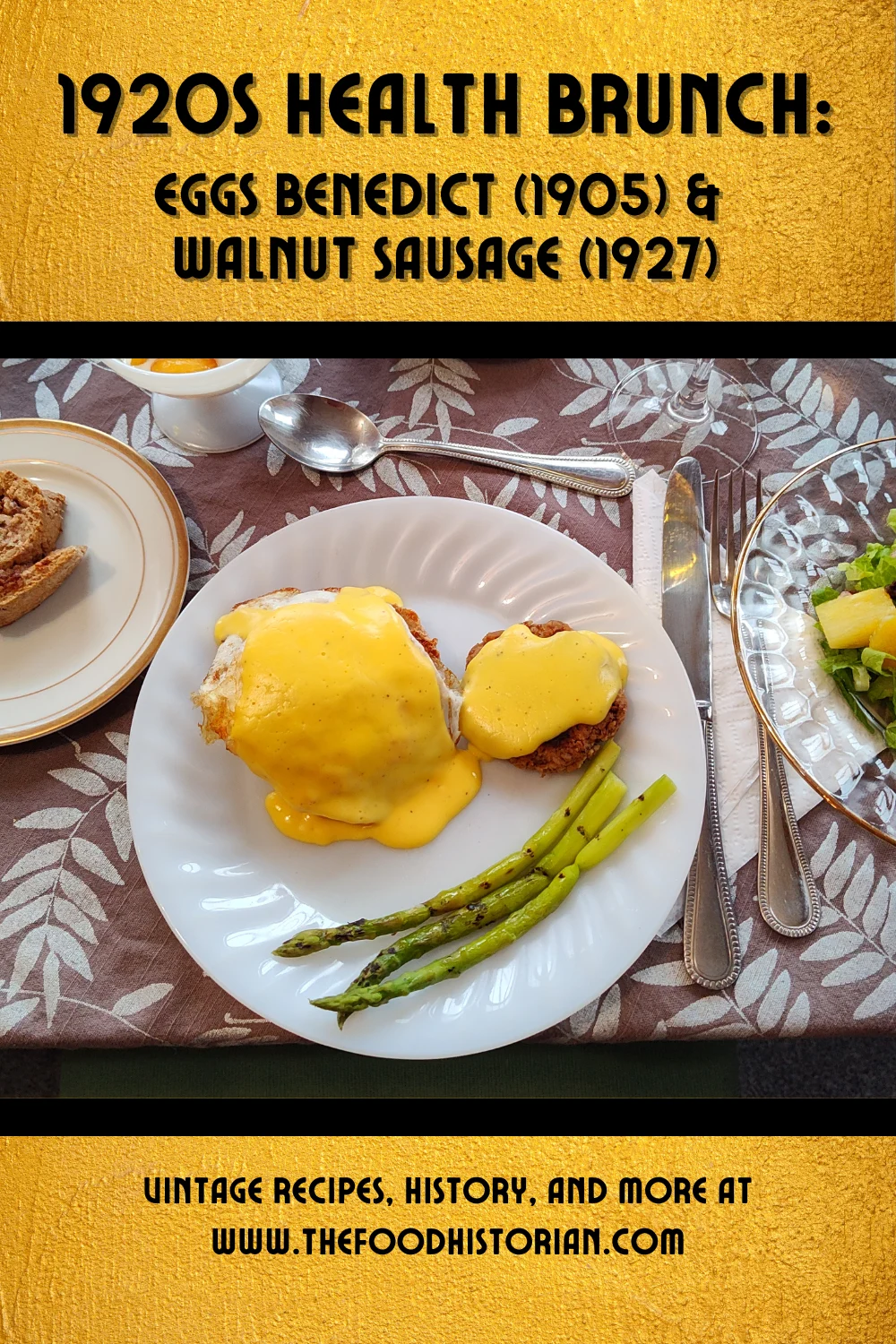
The brunch landscape is dominated by the unmistakable silhouette of Eggs Benedict: a toasted English muffin, a savory slice of ham, a perfectly poached egg, and the golden, velvety embrace of hollandaise sauce. While it stands today as a quintessential staple of American morning dining, its identity is far more fluid than most menus suggest. By examining the dish’s 17th-century French origins, its 19th-century commercialization, and the surprising history of early 20th-century "mock meats," we can better understand how this classic has evolved—and how a modern home chef might reinvent it using vintage techniques.
The Foundations: Tracing the Origins of a Classic
The history of Eggs Benedict is shrouded in a culinary "rabbit hole" of disputed claims. While the legendary New York restaurant Delmonico’s has long laid claim to its invention in the 1860s, hard evidence remains elusive. Gastro Obscura and other culinary historians have spent years untangling these origin stories, yet the truth remains as murky as a broken sauce.
What we do know is that the components of the dish have distinct lineages. The practice of pairing eggs with ham dates back centuries. Hannah Glasse’s 1796 seminal cookbook, The Art of Cookery, references "Collops and Eggs," a dish featuring broiled bacon—often closer in texture to modern Canadian bacon—served with poached eggs.

However, the soul of the dish—the hollandaise sauce—predates the assembly of the "Benedict" by at least two centuries. Hollandaise likely traces its roots to 17th-century France. Named for the Dutch, perhaps due to the prominence of butter in their culinary tradition or as a nod to the Franco-Dutch War, the sauce appears in Pierre August Varenne’s 1651 masterpiece, Le Cuisinier François. A 1655 edition details a "White Sauce" for asparagus, requiring fresh butter, vinegar, salt, nutmeg, and egg yolks as a binding agent—a delicate process Varenne warned must be carefully managed to prevent the sauce from "turning" or curdling.
Chronology of a Brunch Staple
The transition from a simple pairing of ham and eggs to the structured Eggs Benedict we recognize today gained momentum in the late 19th century. By the 1890s, the dish began appearing in print. Hood’s Practical Cookery (1897) provided one of the earliest documented recipes, describing a base of toast topped with fried ham and a poached egg, finished with a classic hollandaise. That same year, Table Talk magazine echoed this preparation, signaling the dish’s growing ubiquity in the American domestic sphere.
By 1898, Adolphe Mayer’s Eggs and How to Use Them cemented the dish’s versatility, cataloging a wide array of variations, including those utilizing chicken forcemeat and croquettes. This historical documentation confirms that Eggs Benedict was never a static recipe, but rather a flexible template for culinary creativity.

Supporting Data: The 1905 "Boston Cooking School" Methodology
A compelling perspective on the dish’s evolution is found in the October 1905 issue of the Boston Cooking School Magazine. The publication featured a "Seasonable Recipes" section that provided a unique approach to hollandaise:
"Make the sauce by beating one-fourth a cup of butter to a cream and, after beating in the yolks of two eggs, with a dash of salt and pepper, cooking the mixture with one-fourth cup of boiling water and a tablespoonful of lemon juice over hot water until it thickens."
While modern chefs typically emulsify butter into egg yolks via a delicate bain-marie, the 1905 technique of creaming the butter first and incorporating boiling water provides a remarkably stable result. It is a method that minimizes the risk of the sauce "breaking," providing a reliable, albeit labor-intensive, alternative for the home cook.

The Modern Interpretation
To replicate this 1905 technique at home, one should utilize:
- 1/4 cup unsalted, room-temperature butter
- 2 egg yolks
- 1 tablespoon lemon juice
- 1/4 cup boiling water
By creaming the butter until fluffy, whisking in the yolks and seasonings, and then gently thickening the mixture over a steamer, one creates a sauce that is both robust and historically authentic. When applied to toasted English muffins, the resulting dish offers a window into the palate of a turn-of-the-century diner.
Implications: The Rise of "Mock Meats" and the Vegetarian Benedict
The decision to omit ham from an Eggs Benedict is not merely a modern dietary choice; it is a nod to a long-standing tradition of meat alternatives. In the early 20th century, the rise of vegetarianism—often championed by figures like John Harvey Kellogg—led to the commercialization of "mock meats" such as nuttose and protose.

These alternatives were not just for the health-conscious; they became vital during the First World War. As the government requested that citizens observe "meatless" and "wheatless" days to support the war effort, the culinary repertoire expanded to include grain-and-bean-based substitutes. "Boston Roast," a mixture of kidney beans and cheese, became a household staple.
In 1927, Chef Arthur Wyman furthered this trend in Chef Wyman’s Daily Health Menus, providing a recipe for "Walnut Sausage." This dish, which relies on lima beans, breadcrumbs, walnuts, and a blend of poultry seasoning, serves as an ideal, historically grounded substitute for the traditional ham in a Benedict.
The "Eggs Wyman" Recipe
Adapting Chef Wyman’s 1927 recipe for a modern kitchen yields a savory, textural patty that pairs perfectly with the acidity of the hollandaise:

- 14 oz butter beans (pureed)
- 3/4 cup walnuts (coarsely chopped)
- 1/3 cup panko breadcrumbs
- Seasonings: Sage, thyme, marjoram, salt, and pepper
When fried in a blend of butter and olive oil, these sausages provide a nutty, earthy depth that stands up to the richness of the egg. Replacing the ham with this walnut-based protein creates what might aptly be called "Eggs Wyman"—a sophisticated, vegetarian-friendly evolution of the classic.
Expert Perspectives on the Culinary Shift
Culinary experts note that the success of these vintage substitutions lies in the seasoning profile. As one observer of this history remarked, "Sausage is essentially a vehicle for spices." By utilizing traditional breakfast herbs like sage and thyme within a legume base, the home cook mimics the sensory experience of traditional meat-based breakfast dishes without the necessity of pork.
Furthermore, the flexibility of the egg itself—whether poached, fried, or scrambled—remains a cornerstone of the dish. While traditionalists insist on the soft-poached yolk to provide a natural "sauce" to the muffin, the substitution of a fried egg offers a different, but equally valid, texture profile that complements the crunch of a walnut sausage patty.

Conclusion: A Living Legacy
The story of Eggs Benedict is one of constant reinvention. From its mysterious origins in high-end New York dining rooms to its adoption into the home kitchen via the Boston Cooking School, and its subsequent intersection with the burgeoning vegetarian movement of the 1920s, the dish has always been defined by its adaptability.
Whether one chooses to stick to the traditional ham-and-poached-egg format or explore the historic nuances of "Eggs Wyman," the essence of the dish remains the same: a celebration of the synergy between rich fats, savory proteins, and toasted carbohydrates. By reaching back into the annals of culinary history, the modern home cook can turn a simple brunch into an educational experience, proving that some of the best new ideas are actually long-forgotten treasures. As the search for the "perfect" brunch continues, it is clear that the most enduring recipes are those that allow for a bit of personal—and historical—interpretation.

 Lina Hope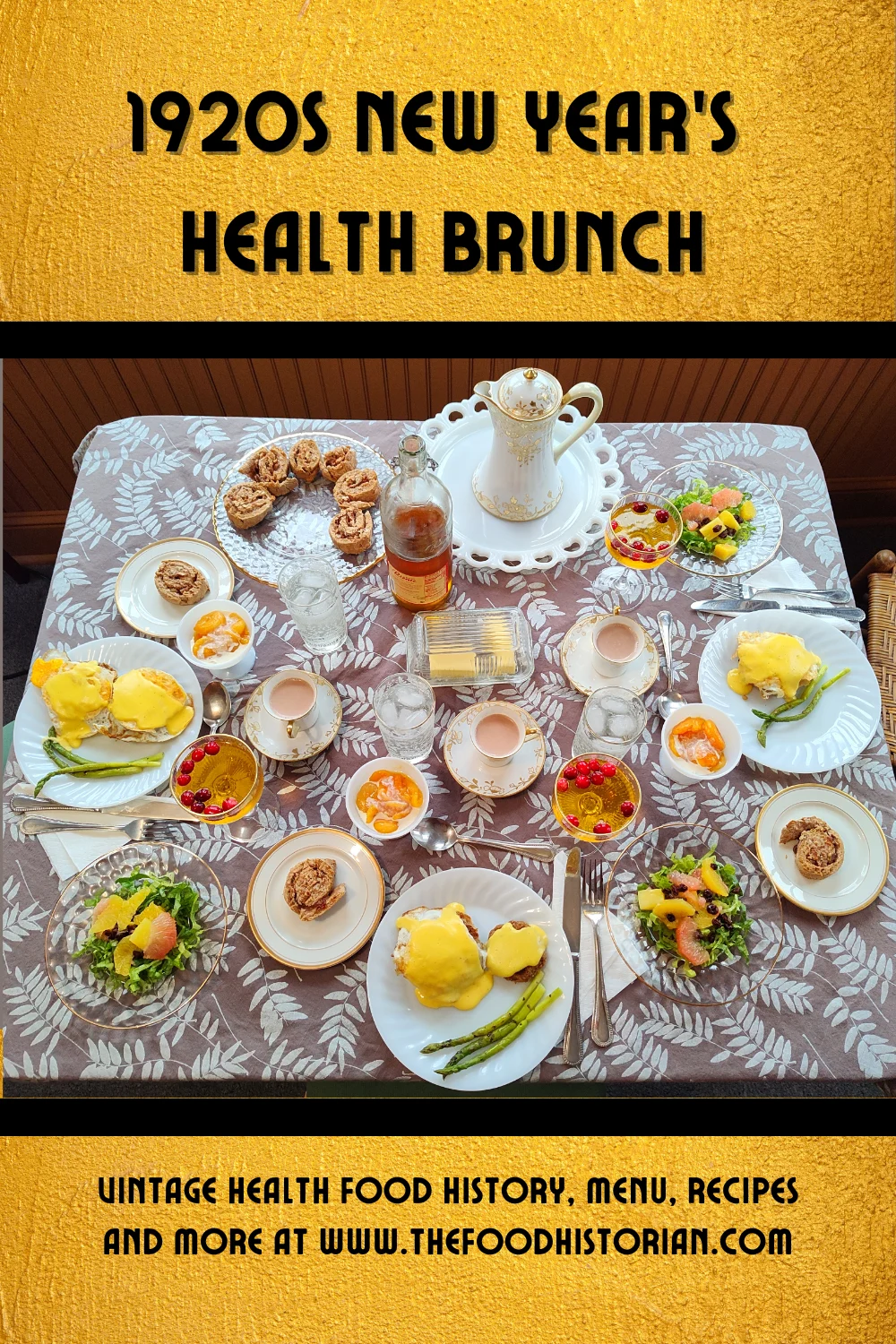
 Lina Irawan