

 Dwi Wanna
 Nana Wu
 Muslim
 Reynand Wu
 Ammar Sabilarrohman
 Raul Delapena Setiawan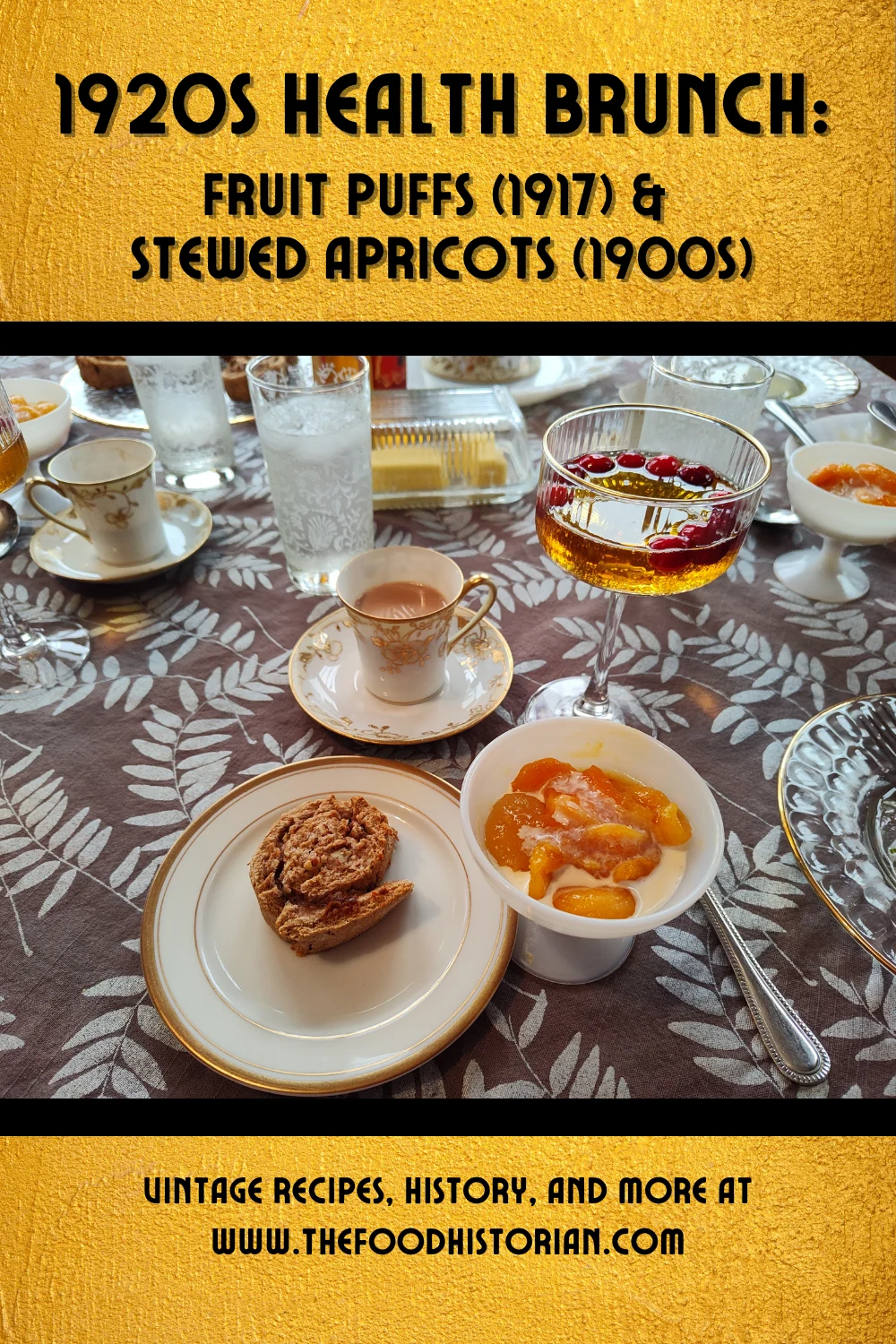
As we embark on a new year, the modern obsession with "clean eating" and wellness influencers often feels like a strictly contemporary phenomenon. However, a deep dive into the culinary archives of the early 20th century reveals that the quest for digestive health and nutritional optimization is a century-old endeavor. The final installment of our "1920s Health Brunch" series explores how the post-WWI era grappled with the same questions we face today: What is "healthy," how does sugar fit into a balanced diet, and can food truly serve as medicine?
Main Facts: The Intersection of Science and Sustenance
In the 1920s, nutrition science was in its infancy. With the calorie only recently established as a standard unit of energy in the 1890s and the first vitamin isolated as late as 1912, the average consumer had a drastically different understanding of human biology than we do today.
During this era, refined white sugar was frequently marketed not as a dietary vice, but as a source of pure, efficient energy. Unlike today’s nutritionists, who link excess carbohydrates to fat storage and metabolic dysfunction, early 20th-century food scientists viewed the body as a furnace. If the body needed energy, sugar provided it. This perspective was further bolstered by the Temperance movement; as alcohol was removed from the public diet, sugar was often positioned as a socially acceptable, morale-boosting replacement.

However, not everyone agreed. Prominent health reformers, most notably John Harvey Kellogg, waged a vocal campaign against the "hazards" of sugar. This intellectual divide—exemplified by the famous legal and personal rift between John Harvey and his brother Will Keith Kellogg over the inclusion of sugar in breakfast cereals—mirrors the ongoing, polarized debates in modern nutrition science.
Chronology: A Century of Agricultural and Dietary Shifts
The shift toward a "health-conscious" diet in the 1920s was not merely a result of clinical research; it was driven by the commercialization of California’s agriculture and the exigencies of global conflict.
- 1850s–1870s: The foundation of California’s fruit industry is laid. Commercial prune production begins in the Santa Clara Valley, while the San Joaquin Valley begins its ascent as the epicenter of the raisin industry with the introduction of the "Thompson Seedless" grape.
- 1912–1917: The era of the "Mega-Cooperative." The California Associated Raisin Company (later Sun-Maid) and the California Prune and Apricot Growers Association (later Sunsweet) emerge. These entities standardized dried fruit as a shelf-stable, "healthful" snack.
- 1917: Amidst the shortages of the First World War, Robert Addison Harrison publishes The National Food and Health Book. This text, designed for the "farm wife," serves as a blueprint for wartime conservation, emphasizing whole grains and dried fruits as substitutes for rationed wheat and expensive, scarce luxuries.
- 1920s: The peak of California apricot production coincides with a national obsession with "digestive regularity." Home economists and medical professionals push fiber-rich diets as a panacea for the chronic dyspepsia and constipation that plagued the American public.
Supporting Data: The "Perfect Food" and the Digestive Crisis
To understand the 1920s diet, one must understand the era’s preoccupation with the gut. Dyspepsia was the silent epidemic of the time. Health reformers categorized foods not by their caloric density or glycemic index, but by their "digestive ease."

Vegetables and fruits were long viewed as mere "filler" or "roughage." In contrast, milk was lauded as the "perfect food," a trinity of carbohydrates, proteins, and fats. Because of this, the home economist of the 1920s often steered families toward combinations that optimized transit time in the digestive tract. Dried fruits—prunes, dates, figs, and raisins—became the gold standard for digestive health.
This perception persists in the modern pantry: we still instinctively categorize an oatmeal-raisin cookie as "healthier" than its chocolate-chip counterpart, despite their nearly identical nutritional profiles. This psychological association with fruit-based snacks is a direct inheritance from the 1920s marketing efforts of companies like Sunkist and Sun-Maid.
Implications: The 1917 "Fruit Puff" Experiment
To truly grasp the 1920s approach to "health food," one must attempt to replicate the recipes of the time. The Fruit Puffs found in Harrison’s 1917 National Food and Health Book provide a fascinating case study in culinary compromise.

The original recipe, designed for an era of conservation, utilizes whole wheat flour, dates, nuts, and minimal sweeteners. In a modern test kitchen, the recipe reveals the limitations of the period’s "health" cooking: without modern leavening precision or fat-to-flour ratios, the results can be unforgivingly dry.
The 1917 Fruit Puff (Adapted):
- Ingredients: 2 cups whole wheat flour, 4 tsp baking powder, 1/2 tsp salt, 4 tbsp butter, 2/3 cup milk, 1/4 cup chopped dates, 1/4 cup chopped pecans, 1/4 cup sugar, 1/2 tsp cinnamon.
- Method: Combine dry ingredients, cut in butter, and add milk to form a dough. Roll into a rectangle, spread with butter, cinnamon-sugar, and fruit. Roll like a cinnamon bun, slice, and bake at 425°F for 10–12 minutes.
The "puff" is a misnomer—the result is more akin to a rustic, dense biscuit. Yet, the flavor profile—the warmth of cinnamon paired with the chewy sweetness of dates—highlights why these recipes were considered a "treat" during a time of wartime austerity. When paired with stewed apricots served in heavy cream—a classic 1920s digestive aid—the meal offers a glimpse into a time when "healthy" meant fiber-dense, simple, and filling.

Conclusion: Lessons for the Modern Table
The 1920s were a pivotal decade where the American palate transitioned from the heavy, meat-and-potatoes diet of the 19th century to the more diverse, fruit-forward, and grain-conscious diet that characterizes modern health discourse.
The primary takeaway from this historical review is that our definition of "healthy" is fluid. The 1920s reformers were not wrong about the importance of fiber or the benefits of whole grains; they were simply working with a limited map of human metabolism. Today, as we continue to seek balance in our diets, we are walking the same path as those 1920s home economists: looking for ways to make our daily meals both sustainable for our bodies and enjoyable for our spirits.
Whether it is the "Sunland Salad" of 1927 or a batch of wartime fruit puffs, these recipes serve as reminders that the quest for wellness is a constant, evolving narrative. As we move forward, perhaps the best approach is to take the wisdom of the past—prioritizing whole ingredients and digestive health—and balance it with the scientific nuance of the present. Here’s to a healthy, well-fed, and historically informed 2025.


 Lina Hope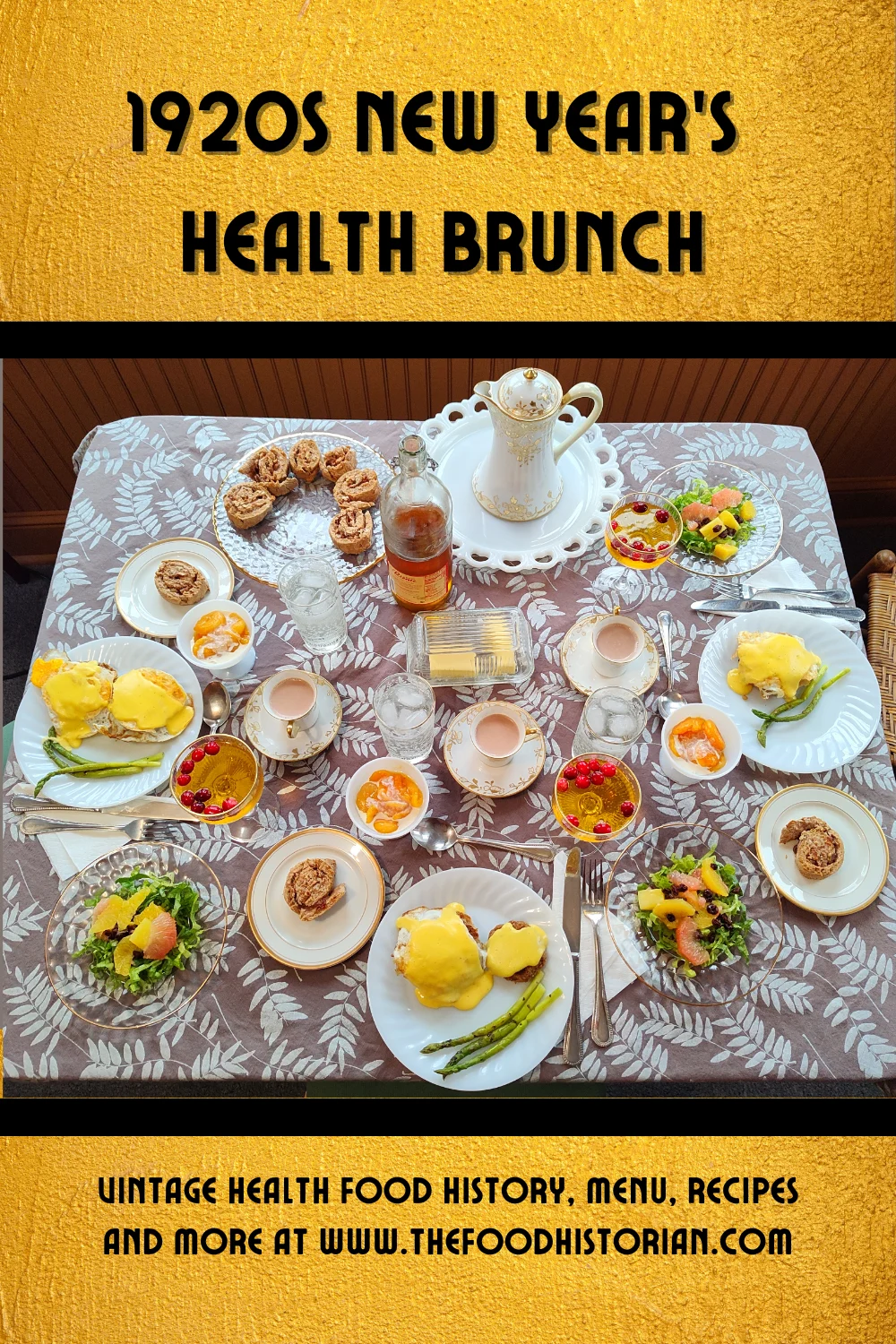
 Lina Irawan