

 Dwi Wanna
 Nana Wu
 Muslim
 Reynand Wu
 Ammar Sabilarrohman
 Neng Nana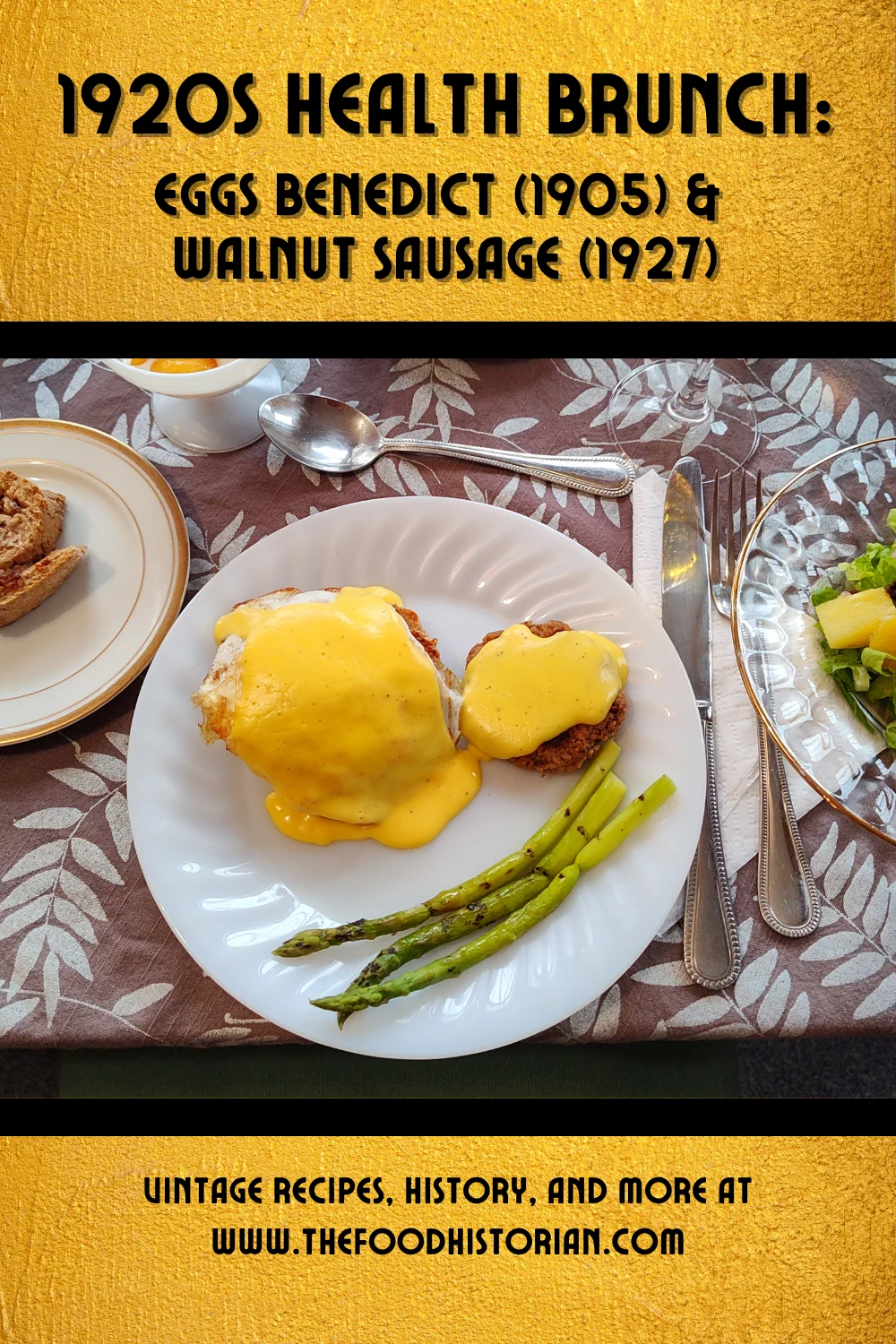
The classic Eggs Benedict—a toasted English muffin crowned with a slice of Canadian bacon, a perfectly poached egg, and a velvety cloak of hollandaise sauce—stands as the undisputed monarch of the American brunch table. While it is now a ubiquitous feature of weekend menus from coast to coast, the dish carries a complex, centuries-old heritage that bridges the gap between French haute cuisine and 20th-century American innovation.
Recently, a culinary exploration into this classic dish yielded an unexpected twist: a "1920s Health Brunch" featuring "Eggs Wyman," a vegetarian-forward reimagining that replaces traditional ham with a savory, historical walnut sausage. This article dives into the origins of the components of this dish, the scientific fragility of the legendary hollandaise sauce, and the fascinating history of meat alternatives in the Western diet.
The Chronology of an Icon: From French Sauce to American Staple
The pedigree of Eggs Benedict is, as with many culinary legends, shrouded in mystery. However, its component parts have a documented history that stretches back well before the dish itself was ever named.

The Origins of Hollandaise
The soul of the dish, the hollandaise sauce, finds its roots in 17th-century France. While its name suggests a Dutch origin—likely a nod to the high-quality butter used in its preparation or a reference to the geopolitical climate of the Franco-Dutch War—it is undeniably French in technique. The first recognizable iteration appears in Pierre de La Varenne’s seminal 1651 cookbook, Le Cuisinier François. A 1655 edition of this work provides a recipe for "Asparagus with White Sauce," calling for fresh butter, vinegar, salt, nutmeg, and an egg yolk to bind the mixture. The warning provided by Varenne—to take care that the sauce does not "turn"—remains the primary anxiety for home cooks attempting the emulsion today.
The Rise of the Benedict
By the late 19th century, the dish began appearing in print. While the legendary Delmonico’s restaurant in New York City often claims the invention of the dish in the 1860s, historians have yet to uncover primary source evidence to verify the claim. The first definitive written references emerged in the 1890s. Hood’s Practical Cookery (1897) features a rudimentary recipe for "Eggs Benedict," instructing the cook to top toast with fried ham and a poached egg before covering it in hollandaise. That same year, the magazine Table Talk reprinted the recipe, cementing its status in the American culinary lexicon. By 1898, Adolphe Mayer’s Eggs and How to Use Them had expanded the concept, offering numerous variations that suggested the dish was already ripe for creative experimentation.
Culinary Science: The 1905 Hollandaise Method
A notable, albeit unconventional, method for hollandaise appears in the October 1905 issue of the Boston Cooking School Magazine. Unlike modern techniques, which typically involve whisking melted butter into egg yolks over a gentle bain-marie, the 1905 recipe suggests beating butter to a cream before incorporating egg yolks and finishing the sauce with boiling water over heat.

Technical Analysis and Results
For the modern home cook, this method presents a distinct set of challenges. However, the use of boiling water acts as a tempering agent for the yolks. When tested in a contemporary kitchen, this method proved surprisingly resilient against the common pitfall of "breaking" or curdling.
The Adapted 1905 Hollandaise Recipe:
- Ingredients: 1/4 cup unsalted room-temperature butter, 2 egg yolks, 1 tbsp lemon juice, 1/4 cup boiling water, salt, and pepper to taste.
- Preparation: Cream the butter until fluffy, incorporate the yolks and seasonings, and whisk in the boiling water while the bowl sits over a steaming (not boiling) saucepan.
- Implications: This technique produces a stable, rich sauce that holds well for service. Interestingly, the yield is generous, capable of covering at least six eggs, making it an efficient choice for large brunch gatherings.
The History of "Mock" Meat: A Legacy of Innovation
The decision to replace Canadian bacon with a walnut-based sausage is not merely a modern preference; it is a nod to a long-standing tradition of vegetarian "meat" in the West.

Religious and Health-Driven Origins
Vegetarian meat substitutes have a surprisingly long history in the United States, often tied to religious movements. In the 1890s, John Harvey Kellogg, a Seventh-Day Adventist, pioneered the commercial production of "nuttose" and "protose"—meat analogues derived from peanuts and wheat gluten. These were designed to align with the dietary health tenets of the Battle Creek Sanitarium. By the 1920s, the market had expanded to include products like "Smokene," a ham substitute that mimicked the texture of deviled meat.
Wartime Necessity and the "Mock" Trend
The First World War catalyzed a broader interest in meat alternatives. As the government promoted "meatless" days to conserve resources for the war effort, the public turned to "mock" meats as budget-extenders. Dishes like the "Boston Roast"—a loaf made of kidney beans and cheese—became staples. These recipes were often defined by their reliance on legumes, breadcrumbs, and aromatics. As the adage goes, "sausage is merely meat with spices," suggesting that if the flavor profile is replicated correctly, the underlying base is secondary.
The "Eggs Wyman" Experiment: 1927 Walnut Sausage
Drawing from Chef Wyman’s Daily Health Menus (1927), the walnut sausage serves as a sophisticated alternative to pork. Chef Wyman’s original recipe called for lima beans, breadcrumbs, walnuts, and a specific blend of poultry seasoning.

Modern Adaptation of the 1927 Recipe
To bring this recipe into the modern era, one may use canned butter beans (a close relative of the lima bean) to achieve the necessary creamy base.
- Ingredients: 14 oz butter beans (pureed), 3/4 cup crushed walnuts, 1/3 cup panko breadcrumbs, 1 egg, 1 tsp apple cider vinegar, and a blend of dried sage, thyme, and marjoram.
- Preparation: After combining the ingredients into a stiff dough, the mixture is formed into patties and pan-fried in a mix of butter and olive oil.
- Results: The resulting sausage is mild, earthy, and provides a crumbly, satisfying texture that pairs exceptionally well with the acidity of the hollandaise sauce.
Broader Implications for Modern Brunch
The successful integration of historical vegetarian components into a classic dish like Eggs Benedict highlights a significant shift in contemporary dining. There is an increasing appreciation for "heritage cooking"—not just in terms of recreating the past, but in evolving it to meet modern tastes.
The "Eggs Wyman" Verdict
The replacement of ham with walnut sausage transforms the dish from a heavy, salt-forward breakfast into a nuanced, multi-textured experience. While the traditionalists may argue for the necessity of the poached egg, the use of fried eggs—or even over-easy eggs—remains a valid, albeit slightly dryer, substitute.

By looking back to the 1905 Boston Cooking School Magazine for the sauce and the 1927 Chef Wyman text for the protein, the modern home cook can create a meal that is both historically grounded and nutritionally balanced. This exploration proves that the "Eggs Benedict" blueprint is flexible. Whether one uses the classic ham or ventures into the world of legume-and-nut-based sausages, the fundamental joy of the dish—the marriage of fat, acid, and soft, warm textures—remains the pinnacle of the brunch experience.
As we continue to explore the culinary archives of the early 20th century, we are reminded that innovation is rarely a new invention; it is often a rediscovery of old methods, repurposed for a new generation of palates. The "Eggs Wyman" brunch serves as a testament to the fact that while trends in food may come and go, the core pillars of a great breakfast remain constant. Future installments in this series will continue to pull from these forgotten archives, turning toward the sweet side of the brunch table with historical recipes for 1917 Fruit Puffs and stewed apricots.

 Lina Hope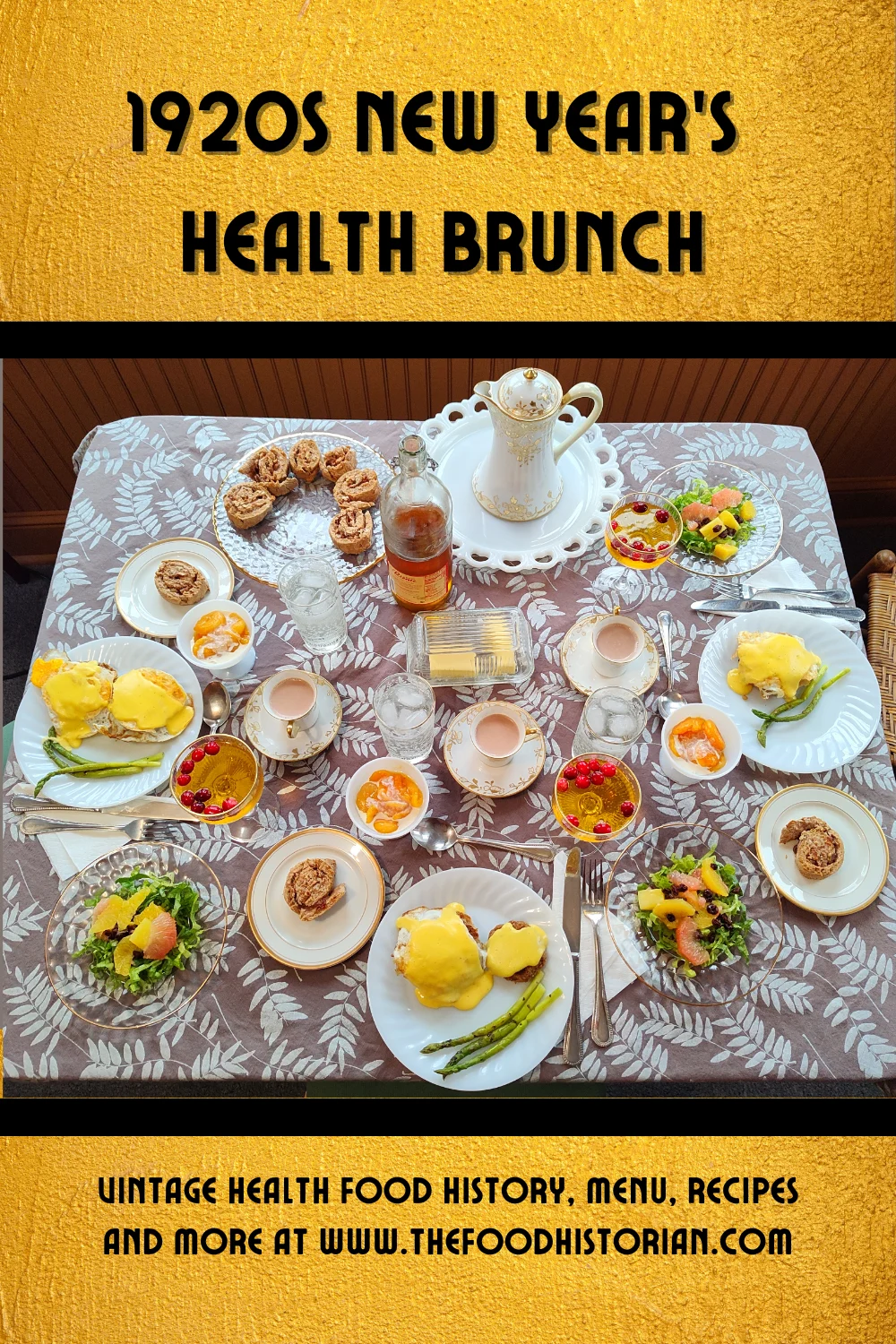
 Lina Irawan