

 Ali Ikhwan

 Iffa Jayyana

 Muslim

 Nana

 Dwi Wanna
 Azzam Bilal Chamdy
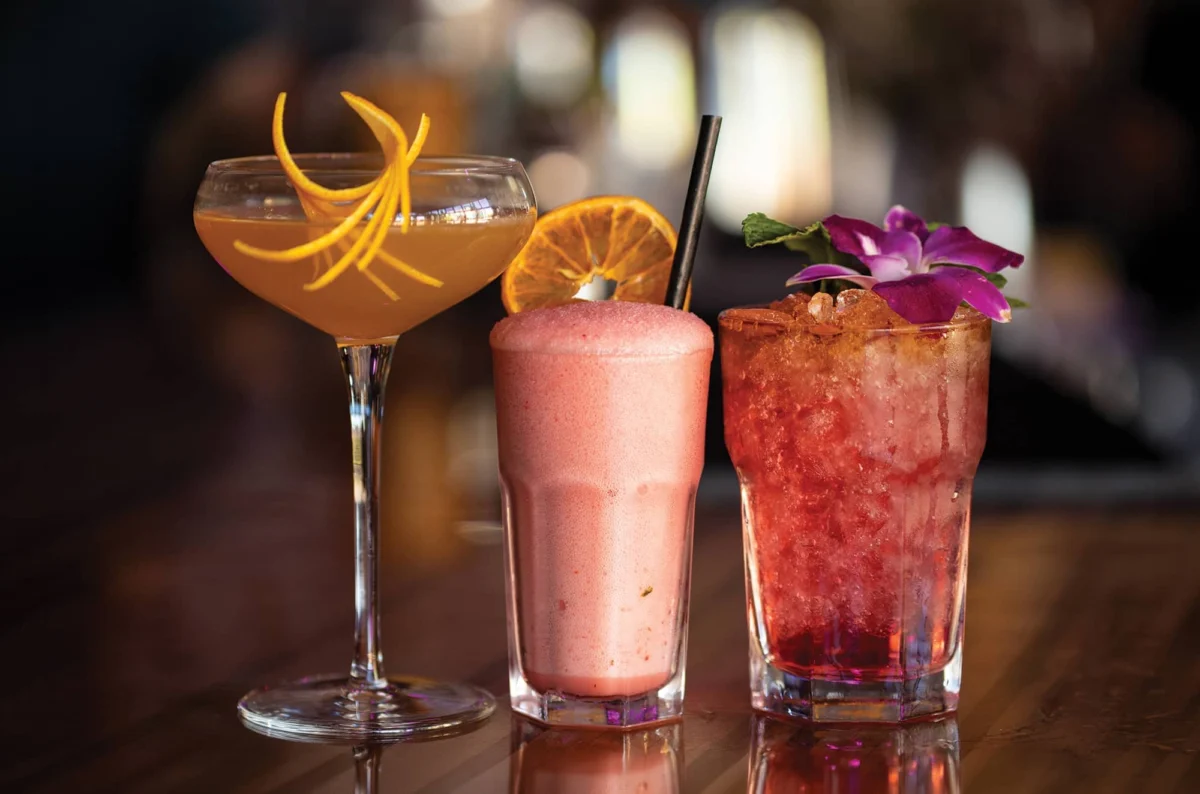
St. Louis, Missouri, has long been defined by its geography and its legacy. Nestled at the critical confluence of the Mississippi and Missouri Rivers, the city serves as the literal and metaphorical "Gateway to the West." From the historic launch of the Lewis and Clark expedition to the cultural explosion of the 1904 World’s Fair and the accompanying Olympic Games—the first ever held in a non-European city—St. Louis has spent centuries punching well above its weight.
For decades, however, the city’s identity was tethered tightly to its most famous industrial export: beer. The 1852 Anheuser-Busch Brewery remains an operational, gargantuan testament to the city’s brewing heritage. Yet, to view St. Louis solely through the lens of a Budweiser bottle is to miss a burgeoning, sophisticated transformation. Today, "The Lou" is undergoing a quiet revolution, shedding its rust-belt reputation in favor of a vibrant, high-concept, and deeply communal food and drink culture.
Leading this charge are industry veterans like Meredith Barry, a Chicago transplant who has spent the last seven years weaving herself into the fabric of the local hospitality scene. As the proprietor of Platypus and the newly opened Loba & Lore, Barry is perfectly positioned to offer a guided tour through the city’s most exciting sips.
The Evolution of the St. Louis Scene: A Chronology
The transformation of the St. Louis beverage landscape didn’t happen overnight. It is a story of gradual maturation, rooted in a "neighborhood-first" philosophy.
- 1852: The founding of the Anheuser-Busch Brewery establishes St. Louis as a global hub for large-scale beer production.
- 1992: Chef Frazer Cameron opens Frazer’s Restaurant & Lounge. Initially a utilitarian lunch spot for brewery workers, it eventually evolves into a theatrical, cocktail-forward institution.
- 2001: Little Saigon Café opens in the Central West End, eventually becoming a hidden gem for inventive cocktail pairings.
- 2013: Ted Kilgore opens Planter’s House, effectively shifting the city’s focus toward craft cocktails and elevating the standards of the local bar industry.
- 2018: Small Change opens in Benton Park, cementing the "dive-bar-chic" aesthetic that defines much of the city’s current appeal.
- 2021: Meredith Barry opens Platypus, emphasizing a "yes-and" philosophy of community, live music, and rotating, fresh-ingredient cocktails.
- 2023: None of the Above opens within the historic tunnels of the City Foundry, bringing a high-concept speakeasy sensibility to the heart of Midtown.
- 2024: Loba & Lore opens in October, focusing on storytelling and "she-wolf" energy, while Telva at the Ridge brings James Beard-winning expertise to the Balkan brunch and coffee scene.
The Landscape: Where to Drink in The Lou
The St. Louis cocktail scene is characterized by a lack of pretension, even when the drinks themselves are masterclasses in technique. Here are the pillars of the current scene, as recommended by local experts.
The Theatrical: Frazer’s Restaurant & Lounge
Frazer’s is a study in contrasts. It presents as a comfortable, unpretentious neighborhood bar, but beneath the surface lies a cocktail program that borders on performance art. The crown jewel is the "Who Goes There," an Old Fashioned riff delivered by a cloaked server bearing an antique lantern. As they bellow the titular question to the room, the drinks are chilled with liquid nitrogen, creating a spectacle that is both jarring and deeply welcoming.
The Art-Centric: Idol Wolf
Located within the 21c Museum Hotel, housed in a stunning 1926 YMCA building, Idol Wolf brings a Spanish-inspired sophistication to downtown. The beverage program is a masterclass in curation, moving from the aromatic Albariños of Rías Baixas to a robust Martini menu. The "Dirty Dalí"—a blend of Bombay Sapphire, Moletto Tomato Gin, fino sherry, and house-made pickled onion brine—serves as a perfect companion for the bar’s extensive selection of imported Spanish olives.
The Highbrow-Lowbrow: Kenny’s Upstairs
In the Tower Grove neighborhood, industry veteran Kenny Marks has resurrected a historic space with a vision he calls "highbrow lowbrow." With its red-lit booths and checkerboard floors, the bar offers serious drinks like the "Telephone Line"—a complex concoction of apple brandy, sotol, Averna, and soursop foam—alongside the cult-favorite "broth back," a savory shot that tastes remarkably like a well-spiced curry.
The Culinary Synergy: Little Saigon Café
One of the city’s best-kept secrets is the cocktail program at Little Saigon Café. Overseen by Eddie Hsia of "Mixed by Eddie," the bar focuses on Asian-inspired flavors that pair seamlessly with lemongrass spare ribs and pho. The menu is a rotating exploration of innovation, featuring highlights like the clarified Thai Pepper Kiwi Margarita Punch and a signature Vietnamese Chocolate Espresso Martini.
The Thematic Narrative: Loba & Lore
Meredith Barry’s newest venture, Loba & Lore, is a collaboration with artist Lisa Marie Thalhammer. It represents the pinnacle of Barry’s vision: a space where the cocktail glass serves as a medium for artistic expression. Drinks like the "Missouri Miso Mushroom Manhattan" utilize ingredients as diverse as white miso, mushroom, and barley tea, topped with a nostalgic Werthers candy garnish, challenging the palate while remaining inherently drinkable.
Supporting Data: The Economic and Cultural Shift
While the charm of these venues is evident, the rise of the St. Louis drink scene is supported by broader economic trends. According to local hospitality analysts, the city has seen a 15% increase in boutique bar openings since 2020. This growth is driven by a younger demographic that values "experiential dining"—the idea that a night out should offer more than just a caloric intake; it should provide a narrative, an education, or a community space.
Furthermore, the integration of mobile bar businesses, such as Pour Decisions STL (the force behind The Passport Cocktail Bar & Bottle Shop), indicates a professionalization of the industry. These entrepreneurs are not just selling drinks; they are building brands, hosting educational seminars, and creating wine clubs, effectively fostering a loyal, educated consumer base that is willing to invest in quality.
Official Perspectives: The "Yes-And" Philosophy
When asked about the secret to St. Louis’s success, Meredith Barry points to the city’s innate capacity for adaptation. "I don’t think people give St. Louis enough credit for having a really amazing food and drink scene," she notes. Her approach with Platypus—treating the bar like a "yes-and" animal—is emblematic of the wider industry attitude.
"The bar is whatever it needs to be to the person walking in," she explains. This flexibility allows for a range of experiences: one night, the venue is a high-energy dance hall with live music and drag performances; the next, it’s a quiet corner for a thoughtfully prepared, chalkboard-menu cocktail. This inclusive, fluid identity is what allows St. Louis to thrive without the exclusionary pressure often found in coastal markets like New York or San Francisco.
Implications: A New Future for the Gateway City
The implications of this burgeoning scene extend far beyond the bar counter. As St. Louis continues to attract talent—chefs winning James Beard awards like Loryn Nalic, and industry veterans relocating from major hubs—the city is reclaiming its status as a destination rather than a flyover location.
The growth of "third spaces"—venues like the City Foundry’s None of the Above or the community-centric Passport Cocktail Bar—suggests that the city’s social fabric is being rewoven around these establishments. For the visitor, this means a trip to St. Louis now requires a carefully curated itinerary that prioritizes both the historic landmarks and the modern cocktail bars that are redefining the city’s skyline.
As the industry continues to mature, the focus is shifting toward sustainability, zero-proof innovation, and a deeper integration of local ingredients. If the current trajectory holds, St. Louis will not just be known for the beer that built it, but for the sophisticated, diverse, and fiercely creative spirits that are driving it into the future. Whether you are looking for a classic Martini on a patio or a mushroom-infused Manhattan in a high-concept speakeasy, the Gateway City is ready to pour.

 Asro

 Sagoh

