 Dwi Wanna
 Nana Wu
 Muslim
 Reynand Wu
 Ammar Sabilarrohman
 Nana
Nana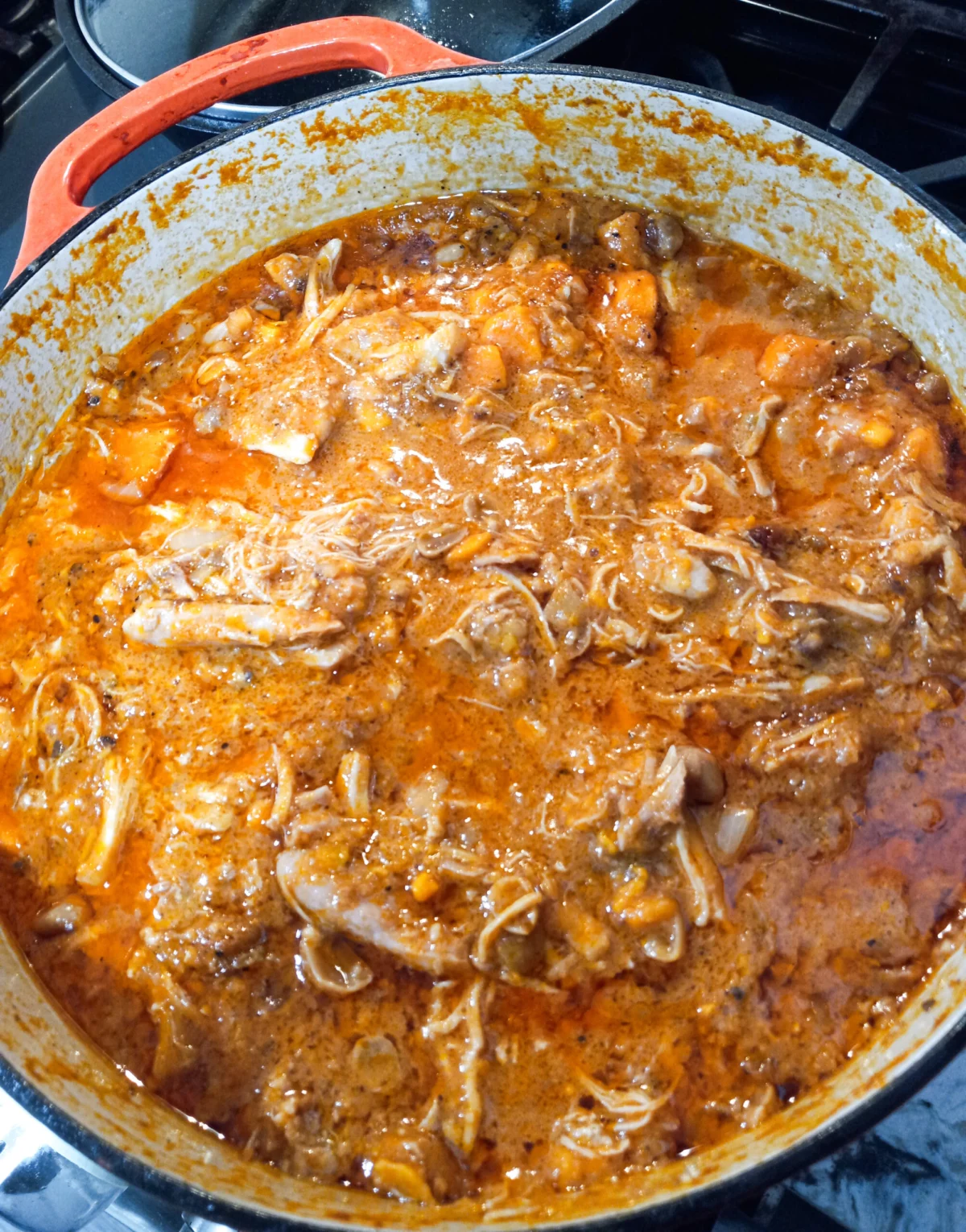
For the average soccer fan, the World Cup is a quadrennial pilgrimage—a month of high-stakes tension, national anthems, and the inevitable heartbreak of penalty shootouts. But for one New York-based enthusiast, the 2026 World Cup—expanded to a sprawling 48-nation format—presented a different kind of challenge: a culinary marathon to represent every participating country on the dinner table before the opening whistle.
What began as a whimsical "what if" project in early March transformed into a three-month gastronomic odyssey. Navigating the diverse cuisines of nations ranging from Uzbekistan to Curaçao, the experiment served as a testament to the power of food as a universal language. Yet, as the logistical weight of the project grew alongside the tournament’s expansion, the endeavor evolved into a reflection on tradition, migration, and the surprising culinary commonalities that unite the globe.

The Genesis of a Culinary Mission
The impetus for this project was simple: a desire to feel useful while parked on the couch for the summer’s biggest sporting event. Faced with the prospect of weeks spent watching the "most important of the least important things," the author sought to balance leisure with labor.
However, the expansion of the tournament from 32 to 48 teams introduced a significant variable. "I neglected to plan for the fact that this men’s World Cup has—for the purposes of squeezing more money out of more people over more games—16 more countries than the last one did," the author notes. What was meant to be a leisurely tour of world flavors quickly became a high-pressure deadline, transforming a fun project into a complex logistical operation.

A Chronological Feast: From Cape Town to the Caribbean
The culinary tour began with South Africa, featuring a Cape Malay curry. It was an inauspicious start, characterized by a recipe error—three tablespoons of turmeric—that served as a harsh lesson in the realities of online recipe vetting. From there, the journey took a turn for the better with South Korea’s kalbijim (braised short ribs), a dish that restored the author’s domestic credibility.
Early Group Stages: Tradition and Substitution
As the project progressed, the author learned to balance academic rigor with the practical constraints of a New York kitchen.

- Switzerland: A classic, decadent fondue served as a mid-project morale booster.
- Qatar & The Gulf: The introduction of machboos, a spiced meat-and-rice dish, highlighted a recurring theme: the ubiquity of "stewed chicken" across cultures.
- Bosnia and Herzegovina: A departure from home-cooking, the author sourced burek—a pastry filled with meat, cheese, and spinach—from a local Brooklyn bakery, a decision that proved to be a "breakout star" of the experience.
Mid-Tournament Hurdles: The Search for Vegetables
By the time the author reached the mid-point of the tournament, "vegetable fatigue" had set in. The challenge was to find authentic dishes that didn’t rely solely on heavy proteins. This led to discoveries like Turkey’s karnabahar mucveri (a baked cauliflower dish) and Senegal’s coconut collard greens, which provided a much-needed break from the meat-heavy rotations of the earlier groups.
The Home Stretch: Managing Logistics
As late May approached, the sheer volume of nations remaining forced the author to rely on a blend of home cooking and strategic takeout. From Uzbekistan’s laghman to the Portuguese egg tarts sourced from Brooklyn’s Chinatown, the project shifted from an attempt at perfect replication to a celebration of local resources. The final dish, Ghana’s kelewele (spiced plantains with a citrus-miso-peanut marinade), served as a triumphant conclusion, proving that the best discoveries often come at the very end of a long, exhausting road.

Supporting Data: The Culinary Common Denominator
The project revealed striking patterns in global foodways. Through the systematic preparation of 48 different national cuisines, three core pillars emerged:
- The Universal Stew: Almost every culture represented possesses a version of "stewed chicken." Whether seasoned with turmeric (South Africa), cashews (Haiti), or peanut butter (Côte d’Ivoire), the fundamental architecture of the dish remains consistent, reflecting the cross-border migration of ingredients and cooking techniques.
- The Utility of Dough: From the chivito sandwiches of Uruguay to the lahm bi ajeen of Iraq and the burek of the Balkans, dough-based comfort foods provide a sense of stability and portability that transcends borders.
- The Role of Diaspora: In cities like New York, the accessibility of authentic international cuisine is inextricably linked to diaspora communities. The author’s ability to source kelewele or laghman within a subway ride highlights the role of immigrant populations in keeping global traditions alive.
Implications: Food as a Diplomatic Bridge
Beyond the personal challenge, this project underscores the "soft power" of food. In an era of increasing geopolitical tension, the ability to engage with the culture of a "rival" nation through its cuisine serves a subtle but vital diplomatic function.

The author’s encounter with German döner kebab—a dish that has become a flashpoint for anti-immigrant rhetoric in some European political circles—is particularly telling. By choosing to treat the meal as a piece of cultural history rather than a political provocation, the author advocates for a life lived "without being triggered by a sandwich." This perspective suggests that while the World Cup often emphasizes nationalistic competition, the food of these nations tells a story of intermingling and mutual influence.
Critical Reflections and Future Outlook
When asked if the exhaustive project was "worth it," the author’s response is nuanced. It was not a heroic act, but rather a "burden" that nonetheless provided a deeper understanding of the world. The expansion of the World Cup to 48 teams—a move widely criticized by purists as a cash grab by FIFA—was, in this specific instance, a gateway to new culinary knowledge.

"FIFA may have expanded the tournament to make money," the author observes, "but the inclusion of countries like Iraq for the first time since 1986 feels like one small point in favor of the expansion."
Lessons Learned
- The Power of Substitutions: Perfection is the enemy of progress. Using TikTok, Reddit, and random blogs allowed for a broader scope than an academic approach would have permitted.
- The Importance of Community: The success of the project relied heavily on local shops and the generosity of family members who intervened when the author’s culinary ambitions outpaced his energy.
- The Joy of Discovery: Whether it was the "eggy cloud" of a Portuguese tart or the savory crunch of an Argentine choripan, the project proved that the spirit of the World Cup—discovery, passion, and shared experience—can be found just as easily in a kitchen as it can on a grass pitch.
As the tournament moves into the knockout stages, the author suggests that the real takeaway is not who wins the trophy, but the common bonds discovered over the dinner table. If the world can be understood through the lens of its national dishes, then perhaps the differences that drive political conflict are far smaller than the ingredients that unite us. For now, the author is taking a well-deserved break from the kitchen—though they have already made plans to return to their local Uzbek restaurant for Christmas. The culinary World Cup may be over, but the appetite for global connection remains.

 Azzam Bilal Chamdy
 Ali Ikhwan