

 Raul Delapena Setiawan
 Ammar Sabilarrohman
 Lina Irawan
 Suro Senen
 Azzam Bilal Chamdy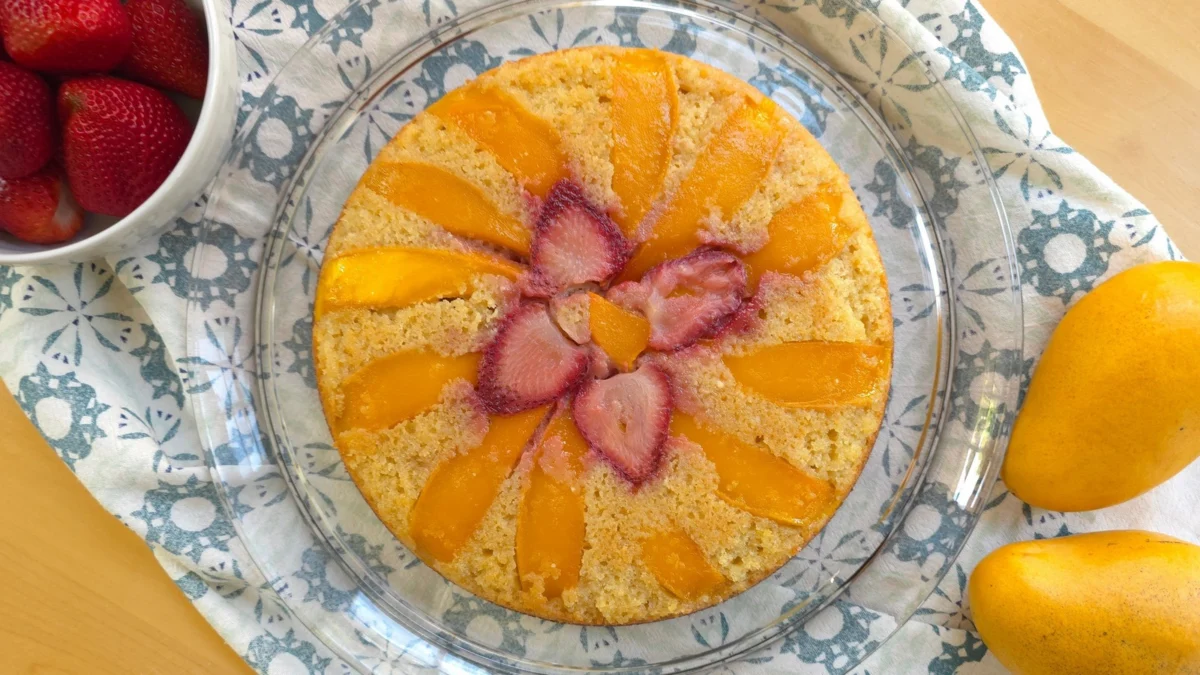
In the world of home baking, few desserts strike the delicate balance between rustic charm and sophisticated flavor quite like the upside-down cake. Often relegated to the realm of nostalgic pineapple rings and maraschino cherries, the concept has undergone a culinary evolution. The latest iteration—a Whole Grain Lemon Ricotta Olive Oil Cake—represents a masterclass in texture, ingredient innovation, and simplicity. By marrying the creamy, protein-rich profile of ricotta with the fruity, grassy notes of olive oil, this dessert proves that the most memorable cakes are often those that eschew complex frosting in favor of seasonal, caramelized fruit.
Main Facts: The Anatomy of a Perfect Crumb
At its core, this recipe is a study in structural integrity and moisture retention. Unlike traditional butter-heavy cakes that rely on the creaming method—which requires an electric mixer to incorporate air into solid fats—this cake utilizes a liquid-fat base. The combination of high-quality olive oil and part-skim ricotta creates a crumb that is exceptionally tender and keeps fresh for days.
The "upside-down" technique serves a dual purpose: it creates a visually stunning fruit topping that acts as a natural glaze, and it eliminates the need for buttercream or ganache. The base of the pan is lined with a mixture of butter and sugar, topped with fresh fruit—such as mango, strawberries, plums, or figs—which caramelizes in the oven. Once inverted, the fruit sits atop the cake like a stained-glass mosaic. By using a pie pan instead of a traditional springform cake pan, the baker benefits from sloped sides, which makes the inversion process significantly safer and yields elegant, tapered slices.
Chronology: The Evolution of a Recipe
The development of this specific recipe was not an overnight success but a result of iterative testing. The baker’s journey began with a surplus of part-skim ricotta, a leftover from a rigorous ravioli-making project. This serendipitous ingredient availability led to a search for a vehicle that could showcase its mild, creamy profile.

Initial tests focused on existing templates, specifically Tutti Dolci’s renowned lemon olive oil cake. While the foundational flavor profile was sound, adjustments were necessary to cater to a whole-grain aesthetic and a specific textural goal. The evolution followed this progression:
- Refining the Flour: Standard all-purpose flour was swapped for home-milled Pima Club wheat berries. This change introduced a nutty depth and a more complex nutritional profile to the crumb.
- Adjusting Ratios: The egg content was increased to provide more structure, compensating for the density of the whole-grain flour.
- Scaling and Vessel Selection: Influenced by Lidia Bastianich’s Crostata Invertita with Rhubarb, the recipe was scaled down to fit a standard pie pan. This was a pivotal decision, as the pie pan’s geometry fundamentally changed the baking time and the final presentation.
- Flavor Balancing: The decision to use regular olive oil rather than lemon-infused oil allowed the natural brightness of fresh lemon zest to take center stage, providing a more authentic, zesty finish.
Supporting Data: The Science of Ingredients
To understand why this cake succeeds where others fail, one must look at the chemistry of the ingredients.
The Fat Matrix
Olive oil remains liquid at room temperature, which prevents the cake from ever feeling "stiff" or dry, even when chilled. Ricotta, meanwhile, provides a dual benefit: it contributes moisture through its water content and richness through its casein proteins. Unlike heavy cream or butter, which can weigh down a cake, ricotta creates a "fluffy" density that feels light on the palate.
The Whole Grain Advantage
Using home-milled Pima Club wheat berries is a significant upgrade in terms of culinary quality. Freshly milled flour retains the germ and bran, which are rich in natural oils and nutrients that are lost in commercial processing. These oils oxidize and contribute a distinct, earthy sweetness that pairs beautifully with the acidity of lemons and the floral notes of stone fruits.

Fruit Selection and Caramelization
The caramelization process is a function of the Maillard reaction, occurring as the sugars in the fruit and the butter base heat up. By choosing fruits like apricots, rhubarb, or fresh figs, the baker can manipulate the acidity of the cake. For instance, the tartness of rhubarb cuts through the richness of the ricotta, while the natural sugars in mango provide a tropical, jam-like topping.
Official Perspectives and Culinary Insights
Professional pastry chefs often argue that the best desserts are those that highlight the quality of the raw materials rather than masking them. In this context, the shift toward using a pie pan is considered a "pro-tip." The shallow depth ensures that the center of the cake bakes at the same rate as the edges, preventing the dreaded "raw center" that often plagues deeper cakes made with heavy, moist ingredients like ricotta.
Furthermore, the avoidance of an electric mixer is not just a shortcut—it is a technique. Over-mixing the batter can develop the gluten in the whole-grain flour, leading to a tough, bread-like texture. By using a simple spatula, the baker is forced to fold the ingredients together gently, ensuring the final product remains tender and delicate.
Implications for the Home Baker
The implications of this recipe extend beyond the kitchen; it encourages a shift in how we approach seasonal baking. By utilizing a flexible template—where the fruit can be swapped based on what is available at the farmer’s market—the recipe becomes a year-round staple.

- Versatility: This recipe bridges the gap between breakfast and dessert. The presence of whole grains and ricotta makes it substantial enough for a brunch table, while the caramelized fruit topping provides the sweetness required for an after-dinner treat.
- Technique Empowerment: The video documentation of the flipping process serves as an important educational tool, removing the intimidation factor of the "upside-down" maneuver. For many home bakers, the fear of the cake sticking or falling apart is the greatest barrier to entry. Seeing the process in action—and learning the utility of the pie pan—lowers this barrier significantly.
- Sustainable Baking: By utilizing leftover ingredients (such as ricotta from pasta night) and whole grains, this recipe aligns with modern movements toward mindful consumption. It reduces waste and promotes the use of raw, unprocessed ingredients.
Final Thoughts
The Lemon Ricotta Olive Oil Cake is more than a recipe; it is a manifestation of the "less is more" philosophy. It relies on the inherent harmony between fat, protein, and acid. Whether you are using mangoes in the height of summer or rhubarb in the early spring, the result is a sophisticated, deeply satisfying cake that defies the need for complex, sugary adornments. For those looking to refine their skills, this cake offers a low-stakes, high-reward entry point into the world of elevated, whole-grain, upside-down baking. With the right vessel and a gentle hand, the result is a golden-crusted masterpiece that brings the essence of the orchard directly to the dessert plate.

 Nana Muazin