

 Azzam Bilal Chamdy
 Neng Nana
 Nana Muazin
 Dwi Wanna
 Raul Delapena Setiawan
 Rifan Muazin
The resurgence of heirloom tomatoes represents more than a culinary trend; it is a vital movement in agricultural preservation. As commercial agriculture has spent decades prioritizing uniformity, shelf life, and shipping durability over flavor and genetic diversity, small-scale farmers and market gardeners have become the stewards of a fragile, delicious legacy.
Heirloom tomatoes—open-pollinated varieties passed down through generations—offer a sensory experience that mass-market hybrids simply cannot replicate. For the modern farm, incorporating these varieties into a crop rotation is an exercise in both heritage and profitability. Whether you are aiming to dazzle customers at the weekend farmers’ market or looking to improve the quality of your home-grown sauces and salads, selecting the right heirloom is a strategic decision that begins with understanding your climate, your soil, and your specific growing goals.
Understanding the Heirloom Advantage
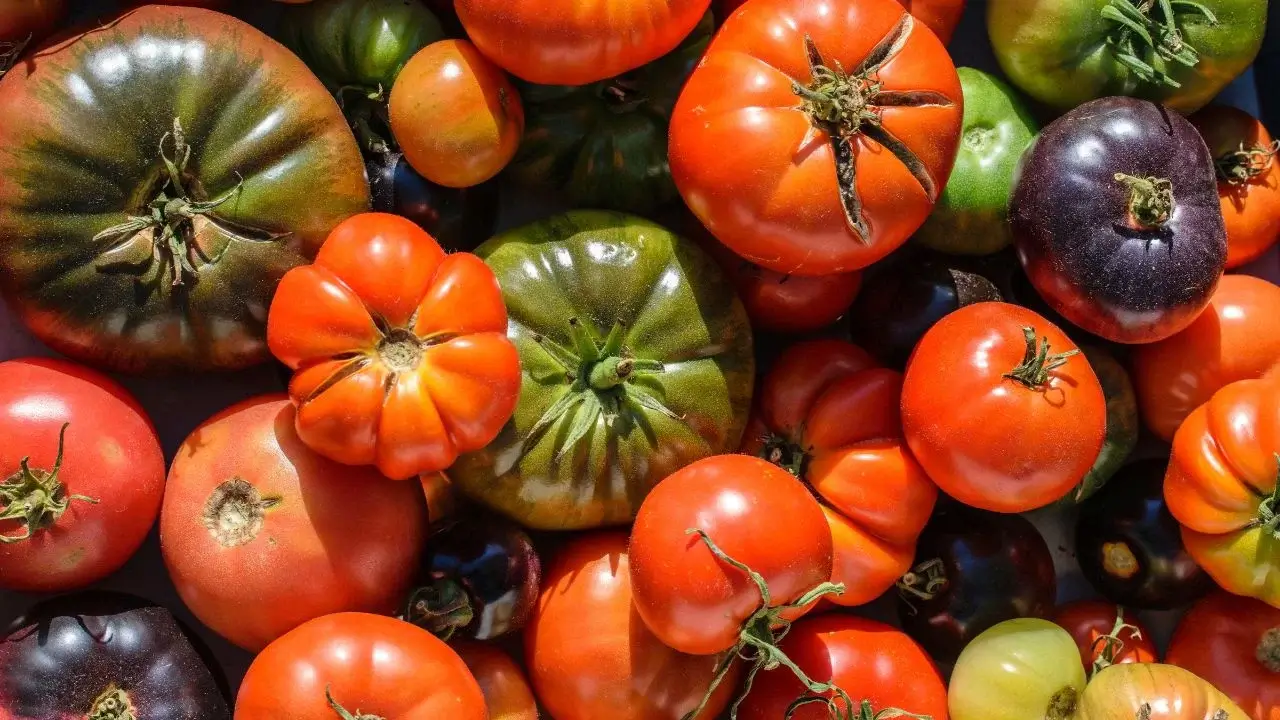
At their core, heirloom tomatoes are open-pollinated, meaning their seeds will grow plants that are "true to type" year after year. This offers farmers a unique degree of autonomy. Unlike hybrid seeds, which must be purchased annually to ensure predictable results, heirlooms allow growers to save and select their own seeds, effectively adapting the plants to the micro-climates of their specific plots over time.
For the aspiring breeder, this genetic stability is an opportunity to refine traits—such as increased disease resistance or earlier maturation—within their own fields. However, for those who simply wish to cultivate high-quality produce, the primary responsibility lies in preventing cross-pollination. Because heirlooms are open-pollinated, they are easily "contaminated" by neighboring varieties if they are not properly isolated, a critical consideration for any farmer managing multiple types of fruit.
Chronology of the Heirloom Movement
The history of the heirloom tomato is as rich as the fruit itself. While many varieties date back centuries, the "heirloom boom" in North America began in earnest during the late 20th century as a reaction against the industrialization of the food system.
- Pre-1900s: Varieties like the ‘Oxheart’ were already staples in European regions, particularly Northern Italy, where they were prized for their culinary versatility.
- 1920s: The rise of the ‘San Marzano’ in the United States cemented the standard for paste and sauce tomatoes, a legacy that continues to dominate the canning industry today.
- 1950s: The post-war era saw the introduction of reliable bush and determinate varieties like the ‘Ace 55’ and ‘Gardener’s Delight,’ which were designed to provide consistent, high-yield harvests for both home gardens and smaller commercial operations.
- 2000s–Present: The farm-to-table movement has pushed heirlooms from niche garden curiosities to the primary attraction at high-end markets. Today, the focus has shifted toward heat-tolerant, disease-resistant, and aesthetically striking varieties that offer "market appeal"—the visual flair that drives impulse purchases at the farm stand.
11 Essential Heirloom Tomatoes for Your Farm
Selecting the right variety requires a balance between environmental suitability and consumer demand. Below are 11 varieties that provide a diverse spectrum of flavor, texture, and growth habits.
1. San Marzano Roma (The Sauce Standard)
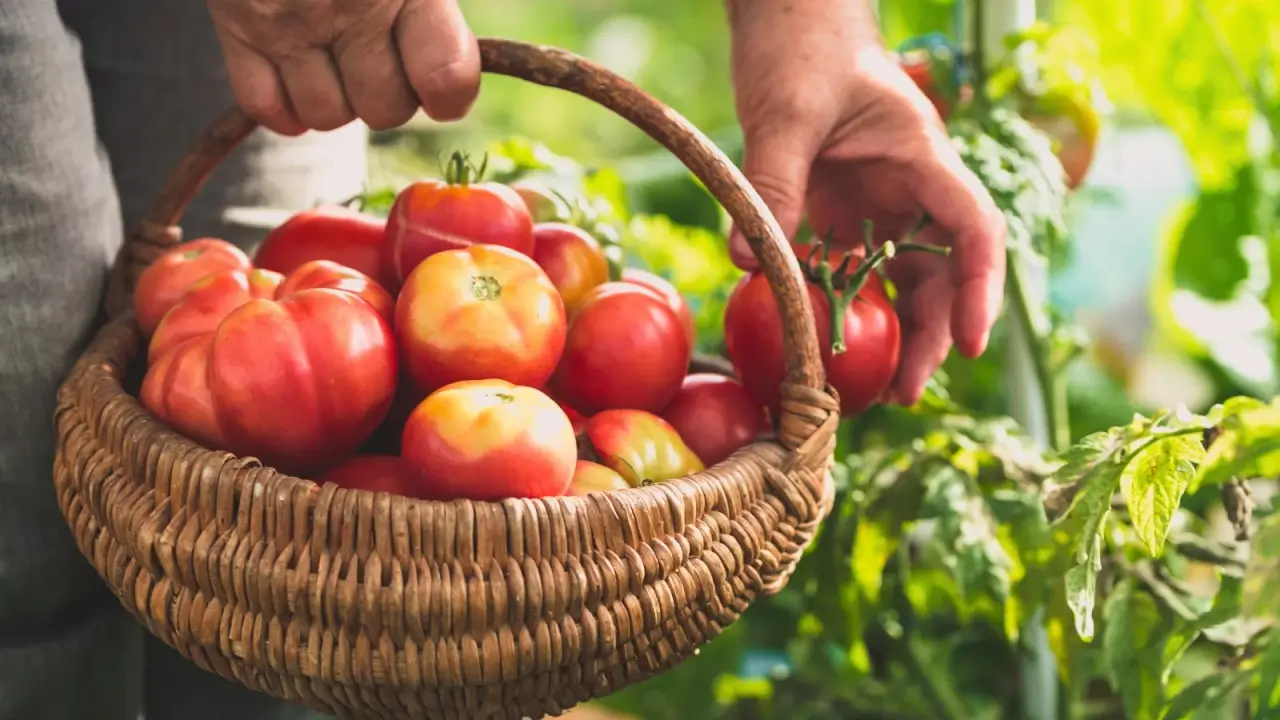
Widely considered the gold standard for paste and saucing, the San Marzano is a vigorous indeterminate grower. Reaching heights of six feet or more, this variety requires substantial vertical support. It is a workhorse for the farm, demanding at least three months of consistent warmth to reach full production. Its dense, low-moisture flesh makes it the premier choice for value-added products like jarred marinara or dried tomatoes.
2. Cherokee Purple (The Flavor Profile)
With a lineage spanning over a century, the Cherokee Purple is a perennial favorite for good reason. Its flavor is distinct—a complex, smoky sweetness that is virtually unmatched in the tomato world. These indeterminate vines produce large, 10-to-12-ounce fruits that are as beautiful as they are tasty. Because of the size and weight of the fruit, heavy-duty trellising is mandatory to prevent branch breakage.

3. Ace 55 (The Reliable Bush)
For growers with shorter seasons or those who prefer a more contained footprint, the ‘Ace 55’ is a game-changer. As a determinate bush variety, it matures in roughly 80 days, producing a concentrated harvest that is ideal for large-scale canning. It is notably resistant to common soil-borne diseases like verticillium and fusarium wilts, making it a "safe" bet for farms that have dealt with crop failure in the past.
4. Beefsteak (The Long-Season Giant)
For the farmer with a long, hot growing season, the Beefsteak is the ultimate showpiece. These fruits can reach up to two pounds, requiring immense support. While they take 95 days to reach full maturity, the result is a classic, meaty tomato that defines the American summer sandwich. In optimal conditions, the vines can reach up to 20 feet, necessitating robust, commercial-grade support systems.

5. Brandywine (The Sweet Slicer)
Often hailed as the best-tasting tomato in existence, the ‘Brandywine’ is a massive, ribbed, and often irregular fruit. The blend includes both pink and golden varieties. Expect a harvest window between 76 and 100 days. These are delicate, thin-skinned fruits that do not transport well, making them perfect for direct-to-consumer farm stands where they can be sold at peak ripeness.
6. Gardener’s Delight (The Snacking Favorite)
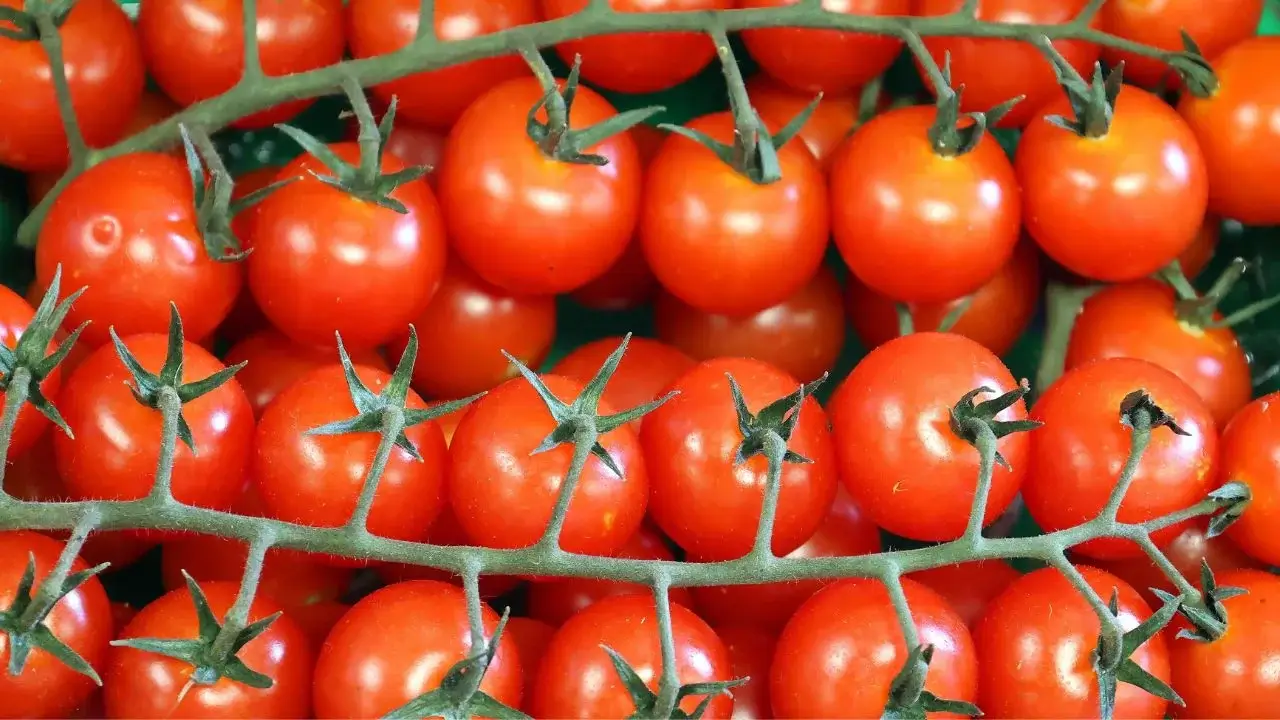
Cherry tomatoes are the "impulse buy" of the market stand. ‘Gardener’s Delight’ is a 1950s German heirloom that produces clusters of six to 12 fruits. With a 65-day maturation period, it is an excellent "early bird" crop. Its sweet, low-acid profile makes it a favorite for children and snacking, and its productivity is legendary.

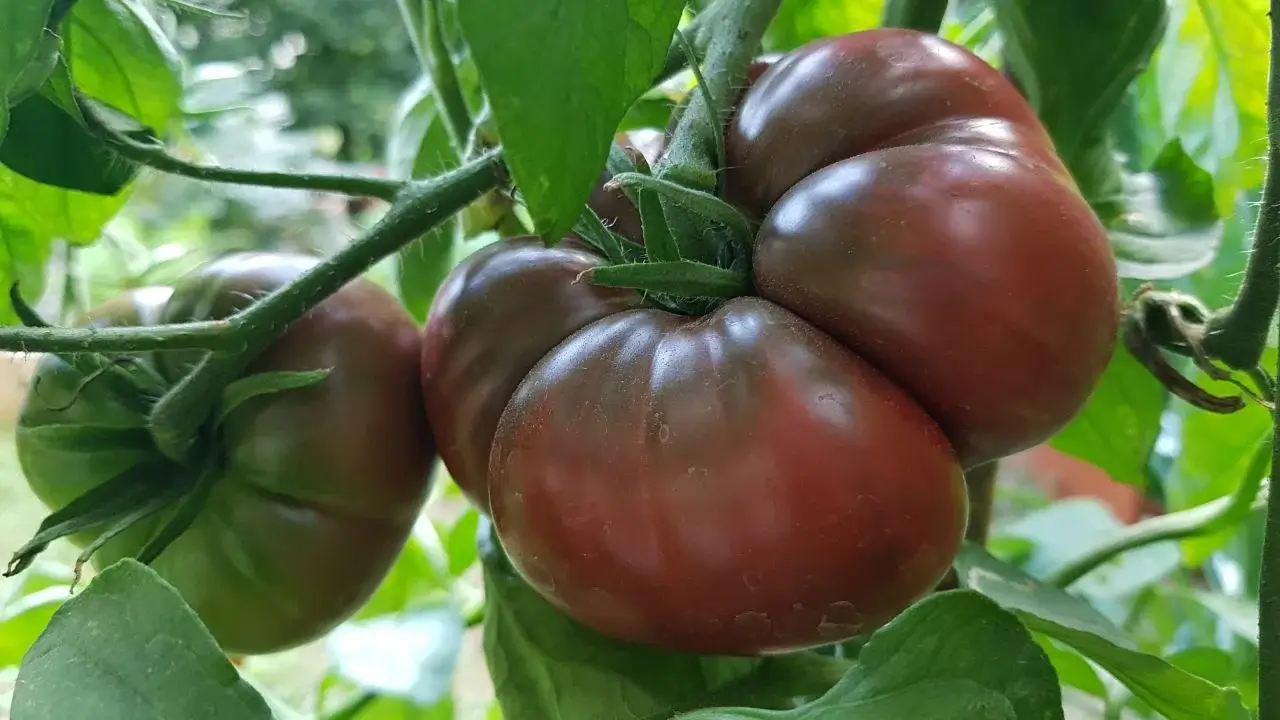
7. Black Krim (The Heat-Tolerant Specialist)
Originating from the Black Sea region of Russia, this variety is prized for its ability to continue flowering even during intense heat waves. Its flavor is unique—a rich, slightly salty quality that sets it apart from traditional red slicers. The fruit develops a distinct "black" (brownish-purple) hue, which creates a striking visual contrast when displayed in a mixed basket at the market.
8. Cream Sausage (The Container Star)
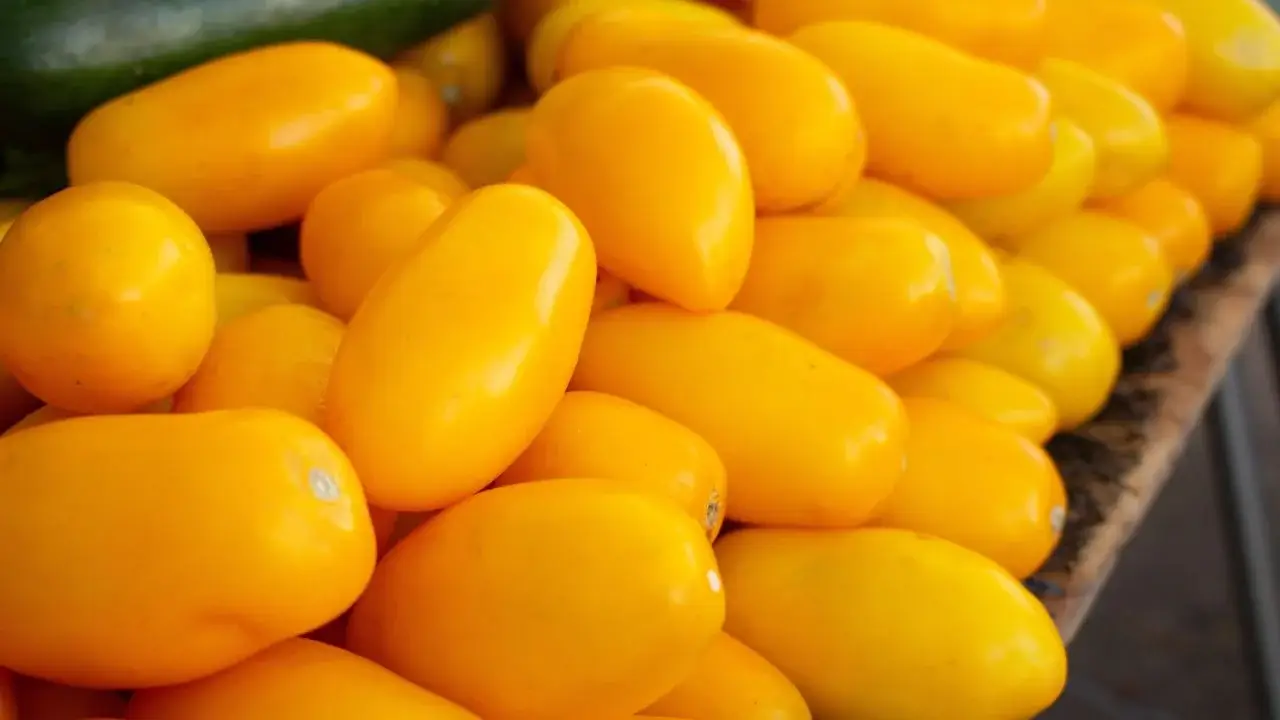
For urban farms or those dealing with limited space, the ‘Cream Sausage’ is a revelation. This determinate, three-foot-tall plant produces creamy yellow, roma-shaped fruits. Its size makes it ideal for container growing, and it is highly versatile, performing well in both fresh salads and salsas.
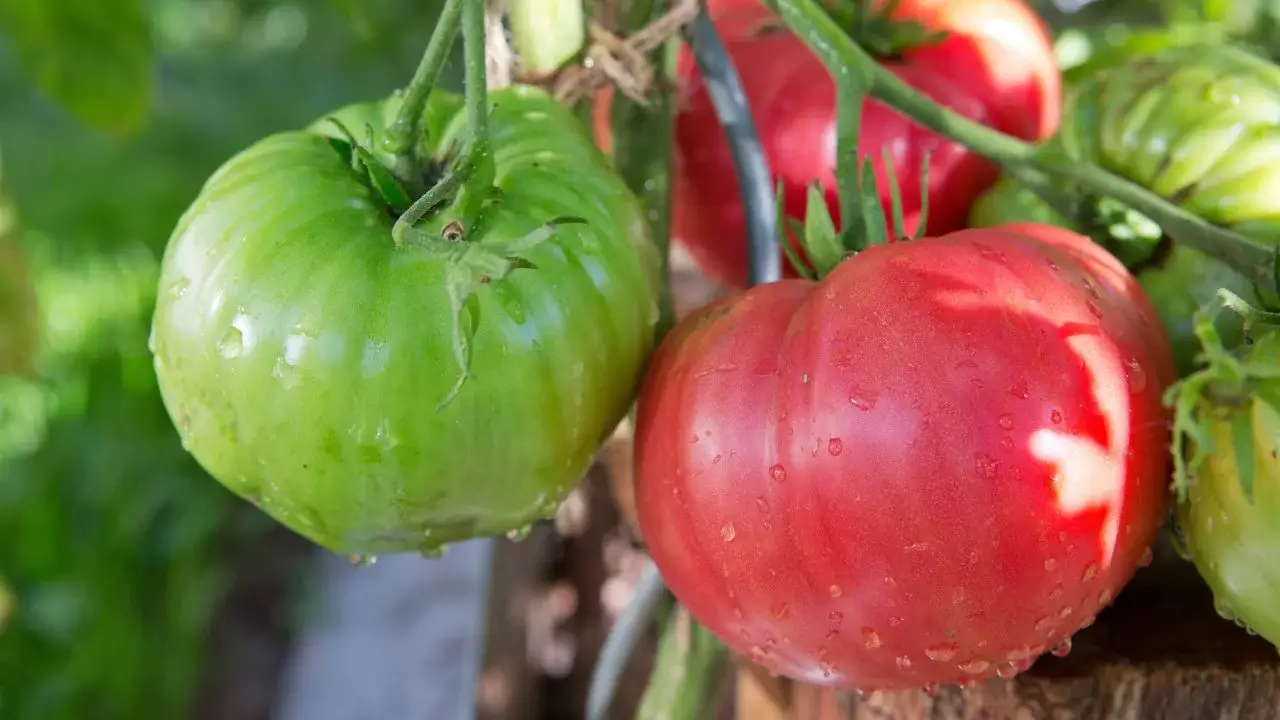
9. Red & Yellow Pear Blend (The Specialty Market Draw)
Specialty markets often look for unique shapes, and the pear-shaped tomato is a consistent winner. These are exceptionally sweet and succulent. Traditionally used for pickling and preserves, their low-acid flavor has made them a popular raw snack. They are prolific growers and require a sturdy cage to manage their aggressive vining habit.
10. Oxheart (The Caprese Master)
Hailing from Liguria, Italy, the ‘Oxheart’ is a quintessential culinary tomato. Its heart-shaped, ribbed appearance makes it visually stunning on the plate. While they shine in a classic Caprese salad, roasting them intensifies their natural sugars, making them a high-value item for gourmet markets and local chefs.
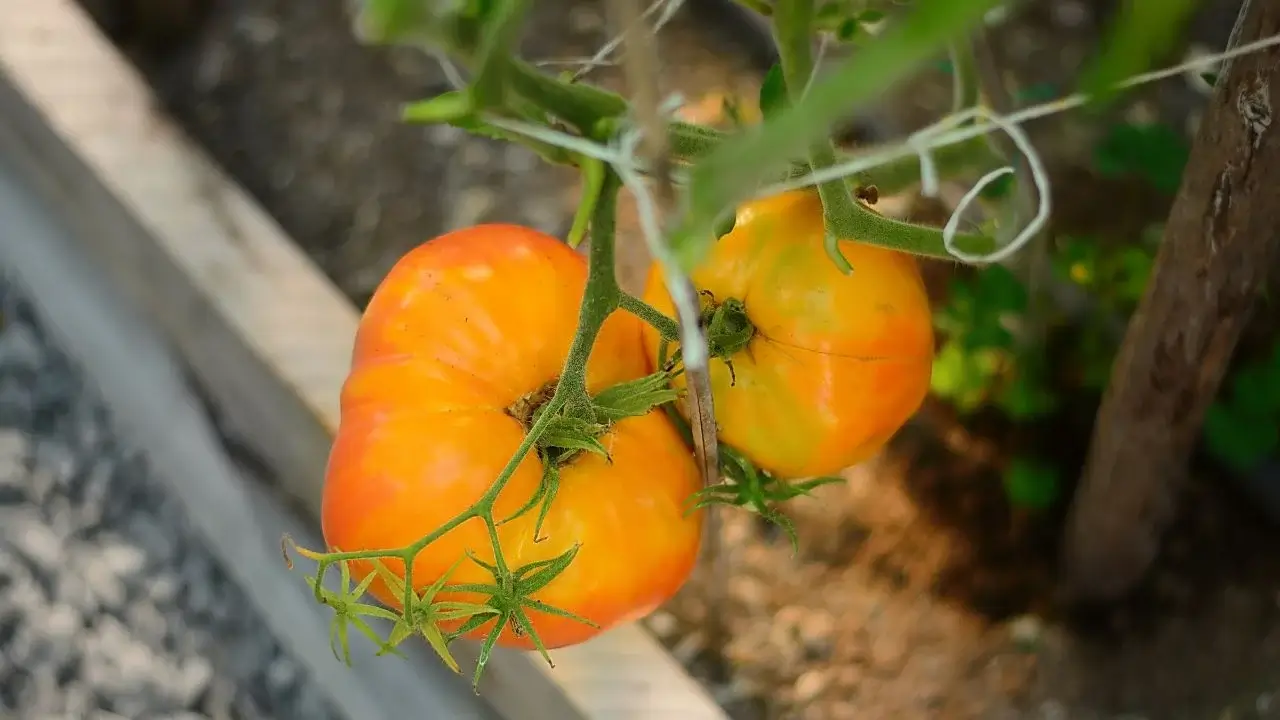
11. Costoluto Genovese (The Chef’s Choice)
Another Italian masterpiece, the ‘Costoluto Genovese’ is deeply ribbed and incredibly flavorful. It is the preferred tomato for chefs, thanks to its thick, substantial inner walls. Because it takes 80 to 90 days to mature, it is best suited for mid-to-late-season harvest, providing a reliable supply of high-quality slicers after the initial rush of early-season varieties.
Supporting Data: Economic Implications for the Farm
Transitioning to heirloom varieties is not just a cultural choice; it is a sound economic strategy. According to recent agricultural market data, heirloom tomatoes can command a premium price—often 30% to 50% higher per pound than standard commercial varieties.
However, this increased revenue comes with higher management costs. Heirlooms are generally more susceptible to pests and diseases than modern hybrids. Therefore, a successful heirloom operation requires a higher investment in:
- Integrated Pest Management (IPM): The use of beneficial insects and natural deterrents to protect sensitive crops.
- Vertical Support Systems: High-quality trellising and stringing are essential, as the heavy, watery fruits of heirlooms are prone to ground-rot and sunscald.
- Post-Harvest Handling: Due to their thinner skins, heirlooms require careful, manual handling, increasing labor costs compared to mechanical harvesting.
Official Perspectives: The Role of Seed Saving
The scientific and extension communities have long emphasized the importance of seed saving in maintaining food security. Dr. Elena Rossi, an expert in heirloom preservation, notes, "When a farmer saves seed from a variety like the ‘Black Krim’ or ‘San Marzano,’ they aren’t just storing genetic material; they are participating in a living history. Every season, the plant adapts to the specific nutrient profile and pest pressures of that farm. Over a decade, that strain becomes uniquely suited to that land in a way a laboratory-bred hybrid can never be."
Agricultural extensions advise that farmers should start small. By dedicating 10% of their total tomato acreage to a trial of three new heirloom varieties, growers can assess market demand and plant vigor before committing to a larger, permanent shift in their crop plan.
Implications for a Resilient Food System
The movement toward heirloom tomatoes is part of a broader shift toward a more resilient, localized food system. As climate volatility increases, relying on a narrow genetic base of hybrid seeds becomes a significant risk. By diversifying into heirloom varieties, farmers create a "living bank" of genetics. Some of these varieties offer heat tolerance, others provide cold hardiness, and many offer natural resistances that remain largely untapped by industrial agriculture.
For the modern farmer, the challenge is clear: balance the efficiency required to maintain a profitable business with the passion required to protect the agricultural heritage that sustains us. By choosing the right varieties, implementing smart support systems, and engaging with customers about the history behind the fruit, the farm becomes more than a production facility—it becomes a cornerstone of a healthier, more diverse food future.



 Siti Muinah
