

 Azzam Bilal Chamdy
 Neng Nana
 Nana Muazin
 Dwi Wanna
 Raul Delapena Setiawan
 Rifan Muazin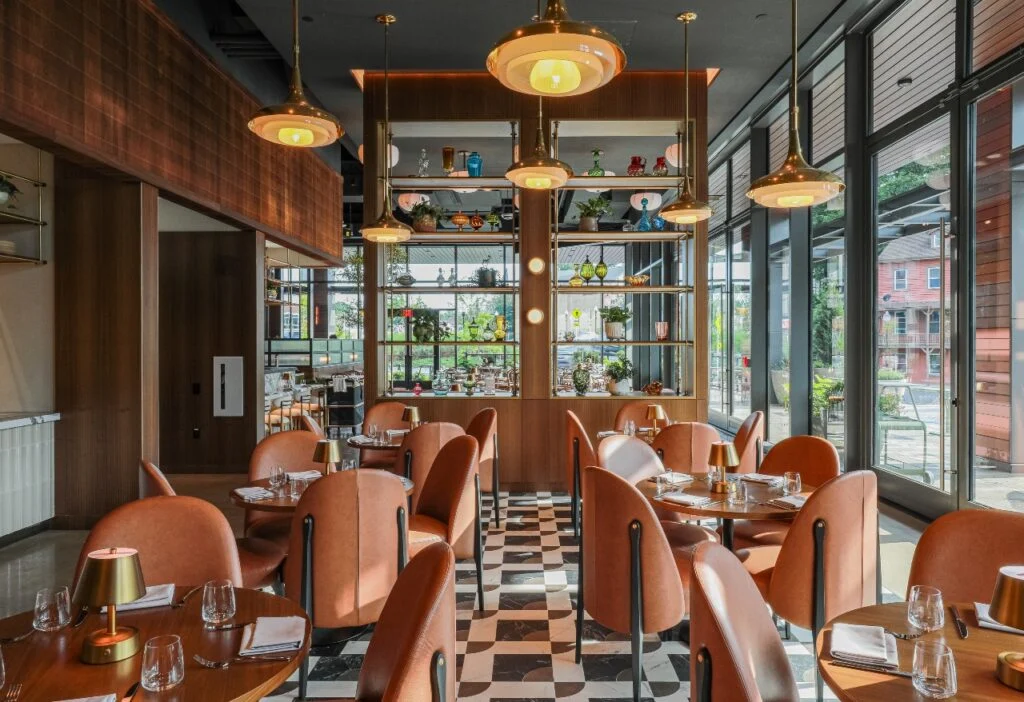
In the fast-paced world of hospitality, where the difference between a good experience and a transformative one lies in the smallest details, administrative burden is often the silent enemy of excellence. For the leadership team at Dartcor Enterprises, the solution to this perennial challenge hasn’t been to hire more administrative staff, but to fundamentally rethink the role of technology. By aggressively deploying artificial intelligence and automation, the hospitality group is systematically stripping away the digital friction that keeps managers tethered to their screens, effectively "returning" thousands of hours of human potential to the floor.
The Friction-Point Philosophy: A Strategic Approach to Automation
The integration of technology at Dartcor was never about chasing the latest shiny object. Instead, it was born from a diagnostic approach to operational efficiency. Jason Leeds, Chief Growth Officer at Dartcor, describes the company’s internal philosophy as a "friction-point" audit.
“We began identifying those friction points department by department and asking: What are people doing manually over and over again? What information are they constantly going to look for? And what could we automate, integrate, or simplify?” Leeds explains.
As Dartcor expanded its portfolio—designing and operating diverse hospitality environments—its tech stack grew in tandem. The company found itself juggling disparate platforms for reservations, point-of-sale (POS) systems, scheduling, event management, purchasing, inventory, and budgeting. While each tool provided necessary data, the sheer volume of systems created a "silo effect." Managers were forced to spend their shifts pivoting between platforms, manually compiling spreadsheets, and synthesizing reports. This administrative tethering meant that time which should have been spent on hospitality—the core product—was instead being spent on data entry.
Chronology of a Digital Transformation
The journey toward an automated future began roughly one year ago, marked by a deliberate shift from using tools to building custom ecosystems.
- Phase 1: The Diagnostic Audit (12 months ago): Dartcor leadership conducted a deep dive into the daily lives of their managers. They mapped out every recurring administrative task, identifying those that required high cognitive load but low emotional intelligence—the prime candidates for automation.
- Phase 2: The Pilot Projects (9 months ago): The team began with high-impact, low-risk areas. At The Morris Proper, a flagship location, they implemented the "Daily Morning Brief." By pulling raw data from disparate digital platforms and the operating checkbook into a single, unified report, the team eliminated 45 minutes of manual morning labor per manager.
- Phase 3: The Systemic Overhaul (6 months ago): Moving beyond simple reporting, the company tackled their catering business, which had become bogged down by 37 separate Excel spreadsheets containing everything from allergen data to driver logs. They consolidated this into a proprietary system dubbed "Commissary OS."
- Phase 4: Scaling the Culture (Present): With the infrastructure in place, the focus has shifted toward education. Dartcor now hosts active training sessions for teams across HR, sales, and marketing, ensuring that technology is used not just as a tool, but as a cultural lever for productivity.
Supporting Data: Quantifying the Human Return
The impact of these initiatives is not merely anecdotal; it is strictly quantified. By comparing the time required for recurring tasks before and after the introduction of automated workflows, Dartcor has developed a clear metric of success.
Across a portfolio of 18 to 20 distinct tools and workflows currently in development or active use, the organization estimates it is recovering between 5,500 and 7,500 hours of human time annually.
This isn’t just about saving money on labor costs; it is about reallocating human capital. Michael Ramella, the manager overseeing the commissary operation, serves as a prime case study. Before the development of the "Commissary OS," Ramella’s days were dominated by manual tracking and data entry. Today, those hours are redirected toward high-value activities: coaching his staff, refining client relationships, and analyzing operational costs—the strategic work that truly scales the business.
The Philosophy of "Invisible Technology"
Dartcor’s ultimate goal is as bold as it is simple: they want hospitality managers to spend virtually zero time sitting in front of a computer.
"We’re trying to make technology increasingly invisible to the manager," says Leeds. "The information they need should come to them proactively, ideally in one concise daily communication with insights surfaced for them, while dashboards remain available when they need to dig deeper. The technology should recede into the background so the manager can spend more time being human."
This perspective highlights a fundamental distinction between the work AI should perform and the work humans must perform. According to Leeds, "In hospitality, that human work is incredibly important. It’s reading a room, noticing when a guest needs something before they ask, coaching an employee, solving a problem in real time and setting the tone for a team. Those are things we don’t want AI doing."
Implications for Hiring and Leadership
As the nature of the hospitality manager’s role shifts, so too does the profile of the talent Dartcor seeks to hire. While technical proficiency is a bonus, the company prioritizes "human-first" soft skills—judgment, curiosity, emotional intelligence, and natural leadership.
"We can teach someone how to use Claude," Leeds notes, referring to their active use of AI assistants. "It’s much harder to teach someone how to read a room, build trust with a team, or make a guest feel taken care of."
This approach acknowledges that technology is transient. The specific platforms being used today will undoubtedly be obsolete in five years. Consequently, the company is building a culture of adaptive curiosity. Employees are encouraged to constantly ask, "Is there a better way to do this?" and to embrace tools that offer a genuine reduction in administrative burden.
Strategic Advice for Other Operators
For hospitality leaders looking to emulate Dartcor’s success, the advice is to avoid the temptation of a total organizational overhaul. Instead, Leeds suggests a three-step path:
- Start Small: Pick a single, repetitive workflow with a clear "before and after" scenario. Solve it well, document the time saved, and use that win to build momentum.
- Protect the Guest Experience: The goal is to offload work that guests never see. By automating the backend, you effectively shield the front-of-house from the chaotic "assembly" phase of operations, allowing staff to focus on the performance of service.
- Invest in Adoption: Simply deploying software is insufficient. Dartcor’s success with tools like Claude comes from hands-on, departmental-level guidance. By creating safety protocols and regular feedback loops, they ensure that the technology is not just used, but mastered.
Conclusion: Human Attention as the Ultimate Currency
At its core, Dartcor’s technological evolution is a moral stance on the value of time. If a manager saves 45 minutes every morning thanks to an AI-generated report, the goal is not to fill those 45 minutes with another task. The goal is to provide the space for that manager to be present—to walk the floor, interact with guests, and observe the nuances of their environment that no algorithm can ever detect.
As Leeds puts it, "Time saved isn’t really the end goal. Human attention is the return that matters most to us." In an industry increasingly defined by digital transactions and automated booking, Dartcor is betting that the companies that win in the long run will be those that use technology not to replace human interaction, but to clear the path for it.


 Ali Ikhwan
