Neng Nana

 Nila Kartika Wati

 Layla Zulfa

 Ammar Sabilarrohman

 Pevita Pearce
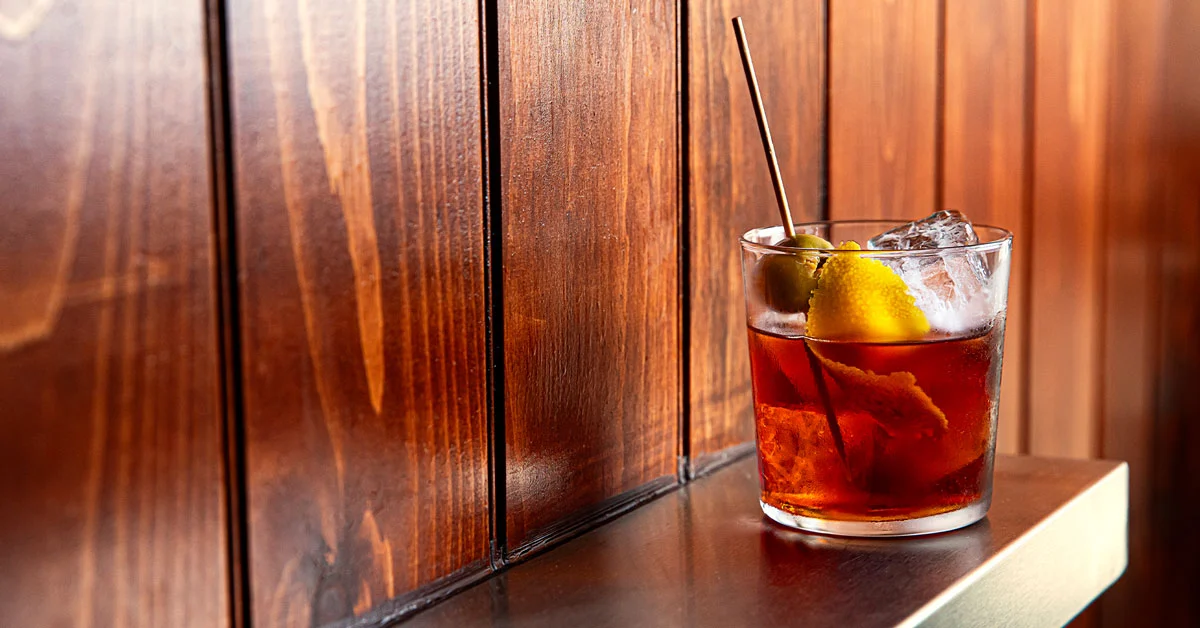
The Negroni, at its most elemental, is a masterclass in architectural simplicity. A triumvirate of gin, sweet vermouth, and Campari, equal-parts blended, has for over a century served as the global shorthand for the Italian aperitivo hour. It is a drink that manages to be simultaneously bitter, sweet, dry, and botanical—a liquid paradox that has achieved a level of cultural saturation few other cocktails can claim.
Yet, as the modern cocktail renaissance has matured, the Negroni has transcended its canonical roots. It has become a template—a "blank canvas" for bartenders who view the original not as a rigid rulebook, but as a starting point for infinite variation. From smoky mezcal adaptations to playful, nostalgic infusions like the Root Beer Negroni, the evolution of the drink reveals a broader shift in our collective palate: a desire for complexity, experimentation, and, above all, the democratization of craft mixology.

The Canonical Origins: A Century of Bitterness
To understand the current obsession with the "Negroni mutation," one must first acknowledge the gravity of the original. Legend traces the drink’s birth to 1919 at Caffè Casoni in Florence, where Count Camillo Negroni reportedly requested that his bartender, Fosco Scarselli, strengthen his Americano by replacing the soda water with gin.
For decades, the drink remained a niche staple of the European café scene. However, the early 21st century saw a seismic shift as the craft cocktail movement rediscovered the beauty of "equal-parts" drinks. The Negroni became the "kale of cocktails"—the drink that signaled one’s sophistication and commitment to the bitter profile. Its rise was marked by the "Negroni Week" phenomenon, a global charitable initiative that further cemented the drink’s status as a cultural icon rather than just a menu item.

Chronology of the Mutation
The trajectory of the Negroni’s evolution can be categorized into distinct phases, each mirroring the trends of the broader hospitality industry:
- The Classic Preservation (1920s–1990s): The drink remained largely static, with debate centering only on the specific brands of gin or vermouth used.
- The Modern Classic Era (2000s–2010s): As bartenders like Naren Young of Dante NYC began to treat the Negroni as a living entity, we saw the introduction of barrel-aging, tap-dispensing, and the "White Negroni" (using Lillet Blanc and Suze), which shattered the requirement for Campari and red vermouth.
- The Radical Experimentation (2015–Present): This is the current frontier. We are seeing a breakdown of the three-ingredient barrier. Techniques like fat-washing, rice-washing, and even microwave-based infusion are being used to alter the texture and flavor profile of the drink, while ingredient swaps (mezcal for gin, amaro for vermouth) have become standard procedure.
Anatomy of the Riffs: Beyond the Trio
The beauty of the contemporary Negroni lies in its flexibility. By substituting a single ingredient, the entire DNA of the drink shifts.

The Modern Classics
Drinks like the Tunnel or the Valentino represent the "tweaked" school of thought. The Valentino, for instance, replaces gin with vodka. While purists might scoff, the result is a cleaner, more approachable version that allows the herbal complexity of the vermouth and the bitter punch of the Campari to stand in high relief. These drinks are bridge-builders, welcoming those who find the juniper-forward profile of a traditional gin Negroni too aggressive.
The Crowdpleasers
The "Crowdpleasers" category represents the drink’s entry into the realm of playfulness. The Root Beer Negroni is perhaps the most audacious example. By channeling the flavors of an old-school soda fountain, it effectively lowers the barrier to entry for the average consumer. It manages to retain the essential "bitter-sweet" structure of the original while pivoting the flavor profile toward familiar, nostalgic notes.

The Wildcards
Then, there are the experiments that challenge the physics of the drink. The Nuked Negroni—which utilizes a microwave for rapid infusion—is a prime example of "lab-coat" mixology entering the home kitchen. Meanwhile, the Negroni de Nubes, with its delicate rice-wash, introduces a luxurious, creamy mouthfeel that one would typically associate with a tiki drink or a cocktail featuring egg white, yet it maintains the integrity of the base.
Supporting Data: Why the Negroni Wins
Why does the Negroni remain the most iterated cocktail in history? The answer lies in the chemistry of its balance.

- The Sweet-Bitter Ratio: The presence of sweet vermouth and Campari provides a balanced "sweet-bitter" anchor that can accommodate almost any base spirit, provided that spirit has enough structural integrity to hold its own.
- Alcoholic Versatility: Because it is essentially a stirred, spirit-forward cocktail, it can be easily batched, making it a favorite for high-volume bars and at-home entertainers.
- Visual Appeal: The deep, vibrant crimson hue of a properly made Negroni is perhaps the most iconic image in the cocktail world. It is a "photogenic" drink, which has played a significant role in its viral success on social media platforms.
Implications for the Future of Mixology
The relentless innovation surrounding the Negroni suggests a permanent shift in how we view the "classic" cocktail. We are moving away from the era of the "unalterable recipe" toward an era of "compositional freedom."
When a bar serves a Misi’s Negroni Sour, they are acknowledging that the consumer no longer wants to be constrained by tradition. The implication here is that the modern drinker is more interested in the experience of the balance than the authenticity of the history. This is a net positive for the industry. It encourages bartenders to learn the underlying mechanics of flavor rather than simply memorizing ratios.

Furthermore, the prevalence of these riffs has led to an explosion in the bitters and vermouth markets. As consumers become more comfortable experimenting with their Negronis, they are increasingly seeking out high-end, artisanal vermouths and obscure amari to create their own unique versions at home. The "Negroni effect" has, in essence, elevated the average home bar’s inventory.
Conclusion: The Perpetual Aperitivo
Whether you prefer your Negroni served in a crystal rocks glass with a perfectly clear block of ice, or you are adventurous enough to try a mezcal-based, rice-washed variant, the drink remains a testament to the power of a balanced formula.

The Negroni has survived the test of time not by staying the same, but by proving it is robust enough to handle the changes of the world around it. It is a drink that welcomes the chaos of modern innovation while providing the steady, reliable comfort of a century-old tradition. As long as there is gin, there is vermouth, and there is something bitter to bridge the two, the Negroni will continue to evolve—and we will continue to drink it, one iteration at a time.

 Raul Delapena Setiawan

 Asro