Ammar Sabilarrohman

 Pevita Pearce

 Lina Hope

 Evan Lee Salim

 Lina Irawan
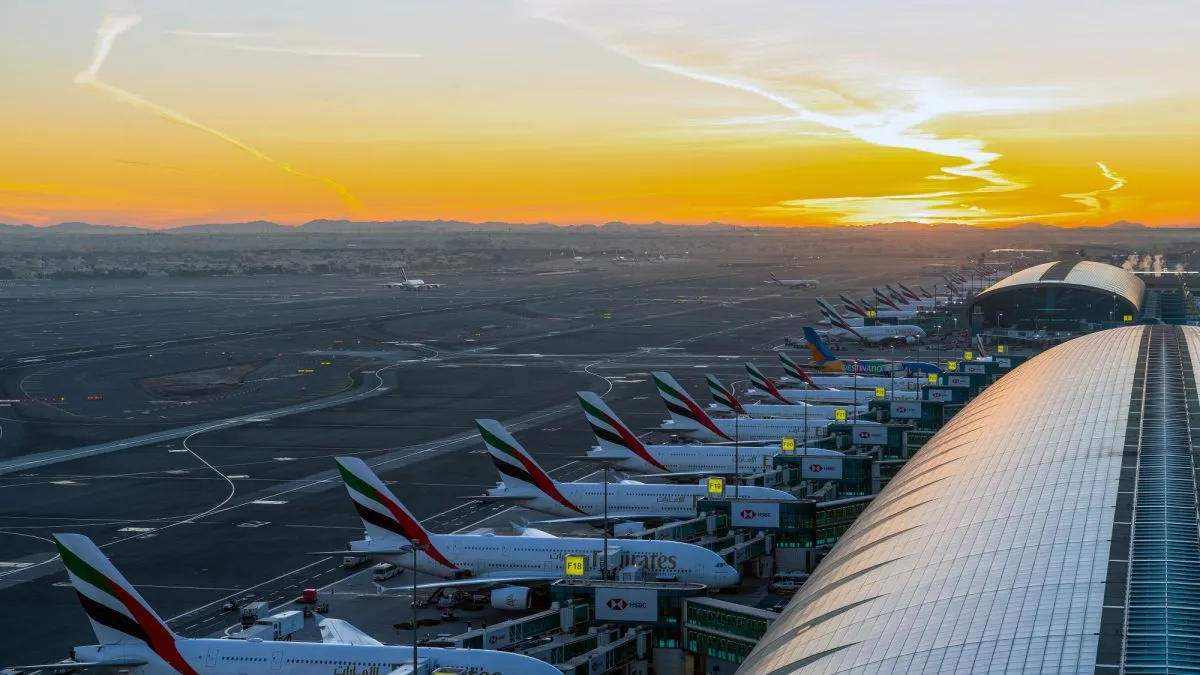
The travel industry in the United Arab Emirates (UAE) is currently navigating a period of cautious recalibration as geopolitical friction across the Middle East intensifies. Following a robust recovery in the first half of the year, industry stakeholders report that while the appetite for international travel remains fundamentally strong, the recent escalation of hostilities—specifically the Houthi-led attacks on Saudi Arabia—has introduced a new layer of hesitation among prospective travelers.
Despite these regional headwinds, the industry displays a remarkable degree of resilience. While new inquiries have experienced a marginal decline over the past fortnight, confirmed bookings remain largely intact, signaling that the UAE’s traveler base has become increasingly sophisticated in managing regional volatility.
The Current Landscape: A Delicate Balance
The travel sector in the Gulf Cooperation Council (GCC) countries has spent much of the year recovering from the shockwaves of the U.S.-Iran conflict, which erupted in late February. That initial period of instability forced airlines to reroute flights and prompted a brief, sharp dip in regional travel confidence. However, by mid-year, the industry had rebounded, fueled by strong consumer demand and a return to normalcy.
The latest wave of tension, stemming from renewed conflict between Houthi factions and Saudi Arabia in early October, has tested that recovery. According to Rashida Zahid, vice president of operations at the prominent UAE-based travel platform Musafir.com, the market is currently in a "wait-and-see" phase.
"Some people who were planning to book are having a rethink, but those who have made bookings are going ahead," Zahid explained. "While we have seen a slight dip in new vacation inquiries over the past two weeks, we have not observed a wave of cancellations. In fact, our booking volumes remain significantly higher than they were at this time last year."
Chronology of Regional Instability
To understand the current sentiment, one must look at the timeline of events that have shaped the regional aviation and travel narrative over the past nine months.
February: The U.S.-Iran Escalation
The year began with a significant geopolitical tremor as tensions between the United States and Iran escalated into direct conflict in late February. This period saw the immediate closure of certain air corridors and the suspension of flights by several international carriers operating through the Gulf. For the UAE, this resulted in a period of intense uncertainty, where travel plans were either paused or diverted to ensure passenger safety.
March–June: The Rebound
By the second quarter, the travel industry demonstrated its inherent flexibility. Airlines adjusted their flight paths, and travelers began to adjust their expectations. The UAE’s tourism and aviation sectors, known for their world-class infrastructure and operational agility, spearheaded a strong rebound. Confidence returned as flight routes were stabilized and government assurances provided a sense of security.
July–September: Growth and Expansion
The summer months were marked by a resurgence in demand. Outbound travel from the UAE reached peak levels as residents sought vacations during the traditional summer break. This period saw record-breaking footfall at Dubai International Airport (DXB) and Abu Dhabi International Airport (AUH), confirming that the travel industry had largely moved past the February disruptions.
October: Renewed Tensions
The onset of October marked a pivot point. The intensification of conflict between the Houthis and Saudi Arabia, characterized by an increase in missile and drone activity targeting the Kingdom, has once again brought geopolitical risk to the forefront of the consumer mind. This latest development has created a "hesitation ripple," where the long-term trend of growth continues, but the velocity of new booking activity has slowed.
Supporting Data: Resilience Amidst Volatility
While public perception is often influenced by headlines, the data suggests that the UAE travel sector is far more robust than it was during previous regional crises.
- Year-on-Year Growth: Despite the current geopolitical headwinds, booking data from major agencies indicates that current volumes are still trending 10–15% higher than the corresponding period in the previous year.
- The "Stay-the-Course" Mentality: Industry reports indicate that cancellation rates remain within normal, non-crisis parameters. This suggests that the "hesitation" is primarily affecting the decision-making process for future travel, rather than forcing a retreat from confirmed plans.
- Flight Frequency and Capacity: Airlines operating out of the UAE have maintained steady capacity. While rerouting occurs as a standard safety protocol, the frequency of flights to major European and Asian hubs remains largely unaffected, ensuring that the supply side of the travel equation remains stable.
Official Responses and Safety Protocols
Government bodies and aviation authorities across the UAE have been proactive in addressing the concerns of the public. The UAE’s General Civil Aviation Authority (GCAA) continues to monitor the regional airspace in real-time, working closely with international partners to ensure that all flight paths remain secure.
The Role of Airports
Dubai Airports, which manages the world’s busiest hub for international passengers, has emphasized its commitment to operational continuity. By maintaining the highest safety standards, the airport authority has successfully managed to keep travel flowing, serving as a pillar of stability for the region. In official communications, officials have reiterated that the safety of passengers remains the absolute priority, with systems in place to adapt to any environmental or geopolitical changes immediately.
Airline Strategy
Major regional carriers, including Emirates and Etihad, have adopted a transparent communication strategy. By providing passengers with clear information regarding flight paths and safety measures, these airlines have mitigated the panic that often accompanies regional instability. Furthermore, the flexibility in rebooking policies—a legacy of the pandemic and the February disruptions—has played a crucial role in preventing cancellations. Travelers feel more comfortable booking when they know that should the situation change, their investment is protected.
Implications: The Future of Middle Eastern Travel
The current state of the travel market raises important questions about the long-term outlook for the region. If the conflict remains contained, the current "hesitation" is likely to be a temporary phenomenon. However, several implications warrant close observation.
1. Shift in Travel Preferences
Travelers are increasingly prioritizing destinations that are perceived as "geopolitically neutral" or further away from the immediate zone of conflict. We are seeing a shift in preference toward long-haul destinations in the Far East and Europe, as travelers look to avoid regional transit hubs that may be subject to future air corridor restrictions.
2. The Rise of Travel Insurance and Flexibility
The current climate has permanently changed the consumer profile. Travel insurance uptake is at an all-time high, and "flexible booking" has become a non-negotiable requirement for the modern traveler. This represents a structural shift in the industry that will likely persist long after the current tensions subside.
3. Economic Impact on Tourism
While the outbound market is resilient, the inbound market is also being watched closely. Any prolonged period of instability could influence international perceptions of the Middle East as a travel destination. However, the UAE’s distinct brand as a safe, futuristic, and highly regulated global hub has so far insulated it from the broader regional downturn.
4. Technological Integration
The industry is doubling down on data analytics to manage risk. Travel agencies are using AI-driven tools to provide real-time updates to their clients, turning potential fear into informed action. The ability to provide instantaneous, accurate information is now a key competitive advantage for companies like Musafir.com and others in the region.
Conclusion
The UAE’s travel sector is currently in a state of watchful stability. The hesitation observed by industry executives is a rational, expected response to a complex geopolitical environment. However, the data confirms that the foundational demand for travel remains largely unscathed.
As the region moves forward, the success of the travel industry will depend on its ability to maintain transparent communication, ensure rigorous safety standards, and provide the flexibility that today’s travelers demand. While the headlines regarding Houthi attacks and regional friction continue to dominate the news cycle, the reality on the ground—at airport gates and travel agency desks—is one of quiet determination. Travelers are cautious, yes, but they are not deterred. For now, the UAE remains a resilient anchor in a turbulent region, holding its own as it navigates the uncertainties of the final quarter of the year.


 Nana Wu
 Reynand Wu