Layla Zulfa
 Ammar Sabilarrohman

 Pevita Pearce

 Lina Hope

 Evan Lee Salim
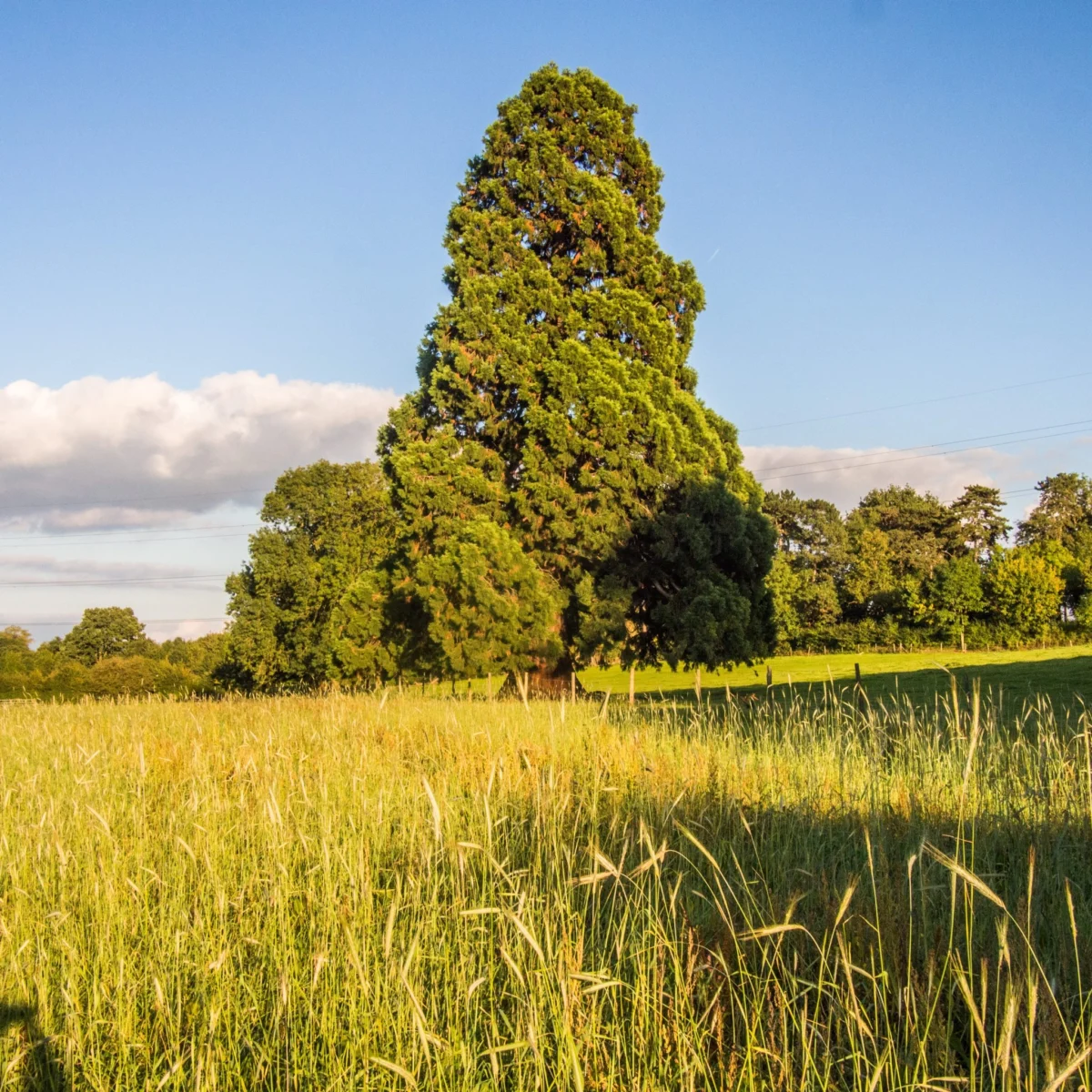
For generations, the global food system has been predicated on the industrial arable model—vast fields of annual monocultures, rhythmic cycles of tillage, and a heavy reliance on external inputs. While this system has fueled the growth of civilizations by providing high-yield, storable staples like wheat, rice, and maize, it has simultaneously triggered long-term environmental degradation. From the ancient collapse of the Fertile Crescent to the 20th-century devastation of the American Dust Bowl, history serves as a stark reminder that our current trajectory is ecologically precarious.
As the organic movement gains momentum, a more radical shift is emerging: the integration of permaculture theory into arable farming. Unlike organic farming, which often maintains the structural framework of industrial agriculture, permaculture challenges the very necessity of intensive tillage and monoculture, proposing a design-based approach that seeks to harmonize annual crop production with the resilience of natural ecosystems.
Main Facts: The Structural Critique of Modern Agriculture
At the heart of the permaculture critique is the practice of tillage. In traditional and industrial arable farming, turning the soil is viewed as a prerequisite for production. However, permaculture practitioners argue that regular soil disturbance is an unnatural intervention. In the wild, soil is rarely exposed or turned; such actions lead directly to the loss of organic matter, nutrient depletion, and increased vulnerability to erosion.
Furthermore, the obsession with annual plants—which require constant replanting—stands in stark contrast to the perennial-dominant ecosystems of the natural world. Monocultures, which eliminate the biodiversity found in native environments, create artificial systems that are inherently unstable, requiring constant human intervention to suppress pests, weeds, and soil exhaustion.
Chronology: From Ancestral Practices to Industrial Hubris
To understand the current state of arable farming, one must look at the timeline of agricultural development:
- Pre-Civilization: Hunter-gatherer societies relied on perennial-rich ecosystems, utilizing diverse flora and fauna without the need for intensive soil cultivation.
- The Dawn of Agriculture (approx. 10,000 BCE): The shift to arable farming allowed for the production of surplus, enabling the rise of complex civilizations. However, this period also marked the beginning of large-scale deforestation and the slow degradation of soil health.
- The Industrial Revolution (18th–19th Century): The introduction of mechanization transformed the scale of tillage. The ability to clear and work vast tracts of land increased caloric output but divorced the producer from the land’s ecological limits.
- The 20th Century (The Dust Bowl & Green Revolution): The 1930s Dust Bowl served as a catastrophic warning of the consequences of excessive tillage. Despite this, the post-WWII "Green Revolution" doubled down on chemical inputs and industrial machinery, further masking the underlying health decline of global soils.
- The Modern Permaculture Movement (1970s–Present): Pioneered by figures like Bill Mollison, permaculture emerged as a response to industrial failure. Today, practitioners are moving beyond garden-scale permaculture to explore "Arable Permaculture"—the application of design principles to large-scale grain and legume production.
Supporting Data: The Case for Resilience
The transition toward sustainable arable systems is not merely a philosophical preference; it is a response to measurable environmental pressures. Data indicates that industrial arable farming is responsible for a significant percentage of global topsoil loss. According to the UN Food and Agriculture Organization (FAO), if current rates of soil degradation continue, the world could lose the ability to maintain adequate crop yields within a century.
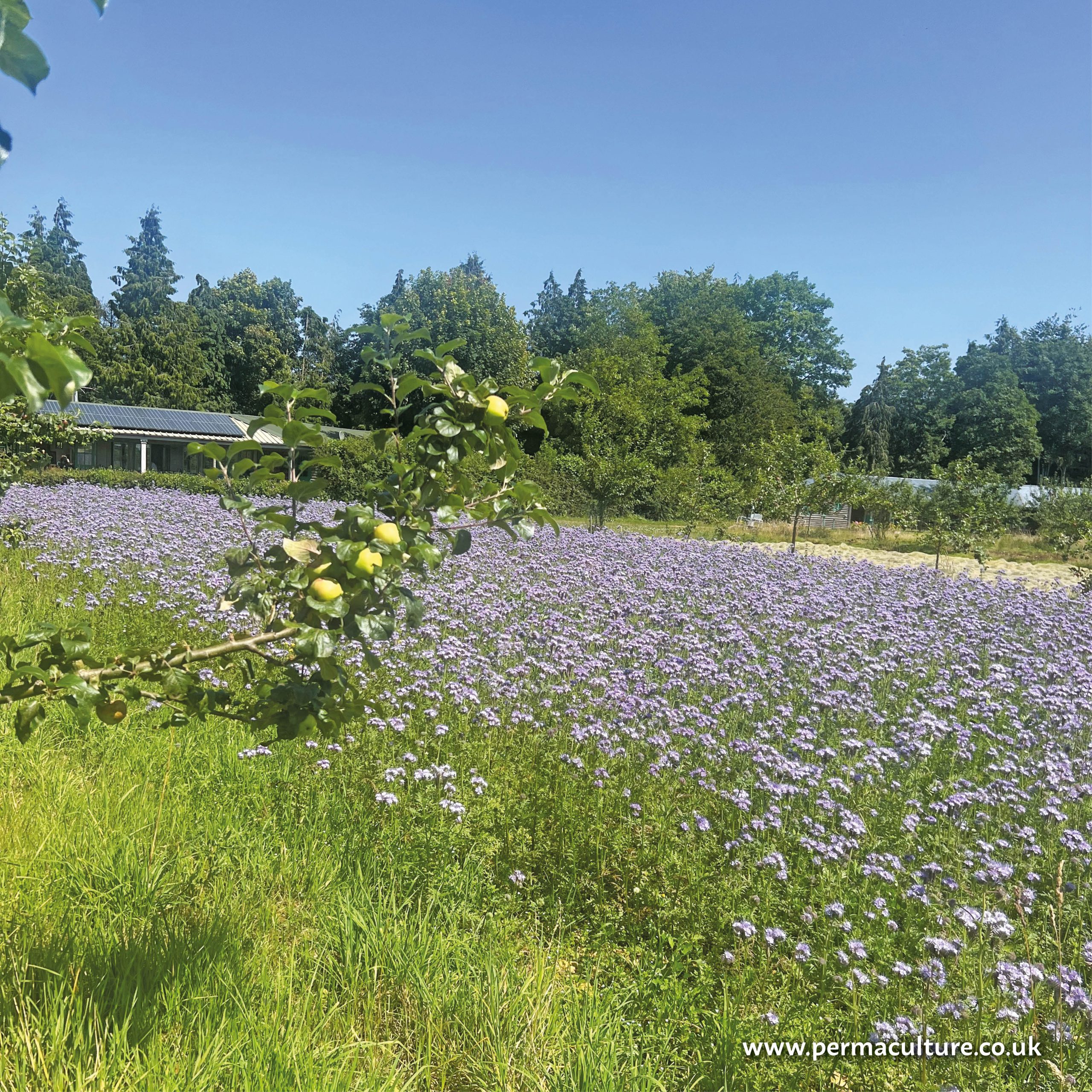
In contrast, systems employing "minimal tillage" or "no-till" methods demonstrate significantly higher water retention rates. By maintaining soil cover—often through green manures or cover crops—farmers can reduce the energy-intensive reliance on fossil-fuel-powered tractors. Furthermore, research into "landraces"—genetically diverse, locally adapted crop varieties—shows that these heritage plants possess superior resilience to drought and pests compared to modern, highly uniform cultivars.
Practical Permaculture Solutions
The challenge for the modern farmer is to maintain the benefits of annual crops—such as yield and storability—without the catastrophic ecological baggage. This is achievable through several key strategies:
1. Purposeful and Minimal Tillage
Permaculture design demands that every action be intentional. The common practice of leaving fields fallow and ploughed over winter in temperate climates is not only unnecessary but harmful, leaving soil susceptible to rain-induced erosion. Moving toward "purposeful" tillage—where soil is only moved when absolutely necessary for seeding—preserves the soil microbiome.
2. Crop Diversity and Polyculture
The monoculture paradigm must be broken. By moving toward polycultures, where two or more crops are grown simultaneously, or by utilizing under-sown green manures, farmers can mimic natural plant diversity. Heritage wheats, which grow taller and coexist with wildflowers, offer a dual-benefit: they provide food while supporting beneficial insects and reducing the need for chemical herbicides.
3. Integration of Livestock
Nature operates through symbiotic cycles. Herbivores are essential for the maintenance of healthy soil. By integrating livestock into arable systems—using pigs to clear fields or ducks to control slugs—farmers can turn potential "pests" into productive agents of the system. This creates a closed-loop environment where animal waste fertilizes the soil and animal labor reduces the need for machinery.
Official Responses and Agricultural Policy
While traditional agricultural bodies have been slow to adopt these systemic changes, the tide is beginning to turn. Recent agricultural subsidies in regions like the UK and the EU are increasingly being tied to "environmental land management" schemes. These policies are slowly beginning to incentivize cover cropping, agroforestry, and the reduction of synthetic inputs.
However, many industrial-scale producers remain skeptical, citing the need for high-volume outputs to feed a growing global population. The permaculture response is that current yields are artificially inflated by fossil-fuel inputs; as energy costs rise and soil fertility declines, the "efficient" industrial model will inevitably become the least viable option.
Implications: The Future of Food
The implications of adopting an "Arable Permaculture" approach are profound. It requires a fundamental shift in how we define a "successful" farm. Success should no longer be measured solely by the tonnage of grain produced in a single season, but by the increase in soil organic matter, the health of the local watershed, and the farm’s energy independence.
The Energy Equation
A major differentiator in this approach is the holistic look at energy flows. Industrial farming is effectively the conversion of oil into food. An enlightened arable system, however, seeks to minimize this. The ideal farm of the future might utilize smaller, less compacting machinery, generate power from on-site renewables like water or biomass, and reintroduce draft animals for lighter tasks.
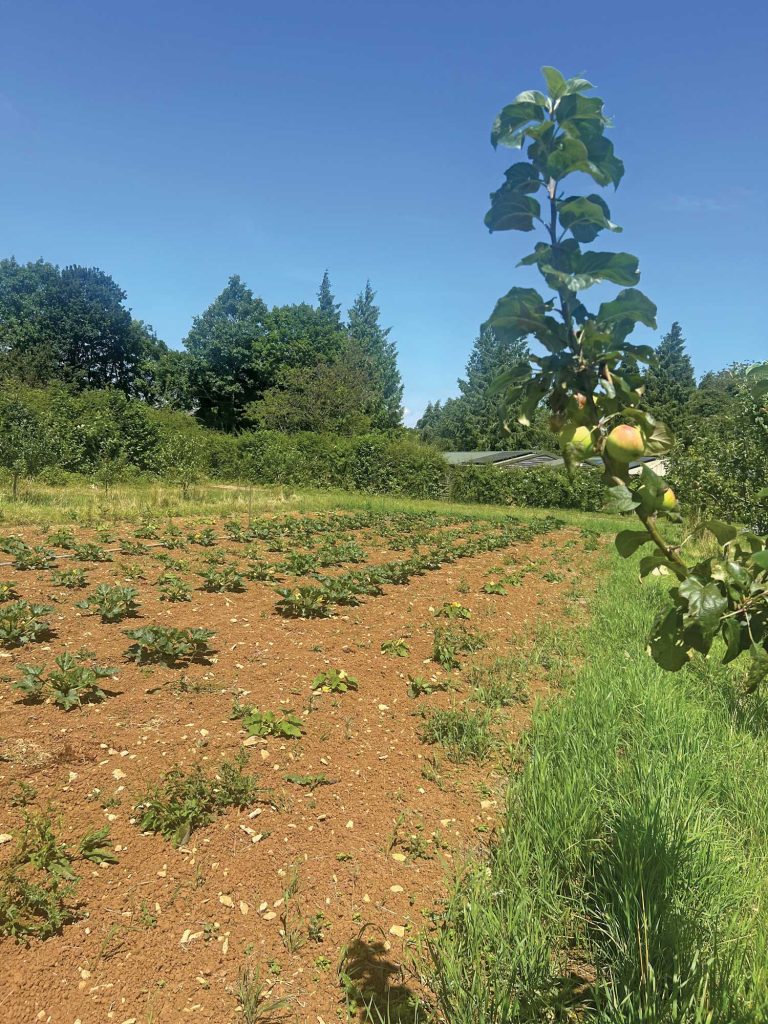
Localization and Community
Finally, the "commodification" of arable crops has alienated the producer from the consumer. By processing grains on-farm and marketing them directly to the community, farmers can capture more value and foster resilience. This aligns with the core permaculture ethic of promoting community responsibility.
Conclusion
Permaculture and arable farming are not mutually exclusive. The path forward does not require the abandonment of staple annual crops, but rather a total re-evaluation of how they are produced. By observing the patterns of nature, questioning the necessity of traditional tillage, and integrating livestock and perennial elements into the arable landscape, we can create a food system that is both productive and regenerative.
For the modern arable farmer, the call to action is simple yet profound: observe, ask questions, and design for the long term. The stability of our future civilization depends not on our ability to conquer the land, but on our ability to work within its natural design.
Federico Filippi is Co-Founder and Director of Local Organic Growers CIC and author of "Live to Eat or Eat to Live? Navigating food and dietary choices in a complex world." For more information, visit ffoodconsulting.co.uk.

 Sagoh
 Reynand Wu