 Dwi Wanna
 Nana Wu
 Muslim
 Reynand Wu
 Ammar Sabilarrohman
 Siti Muinah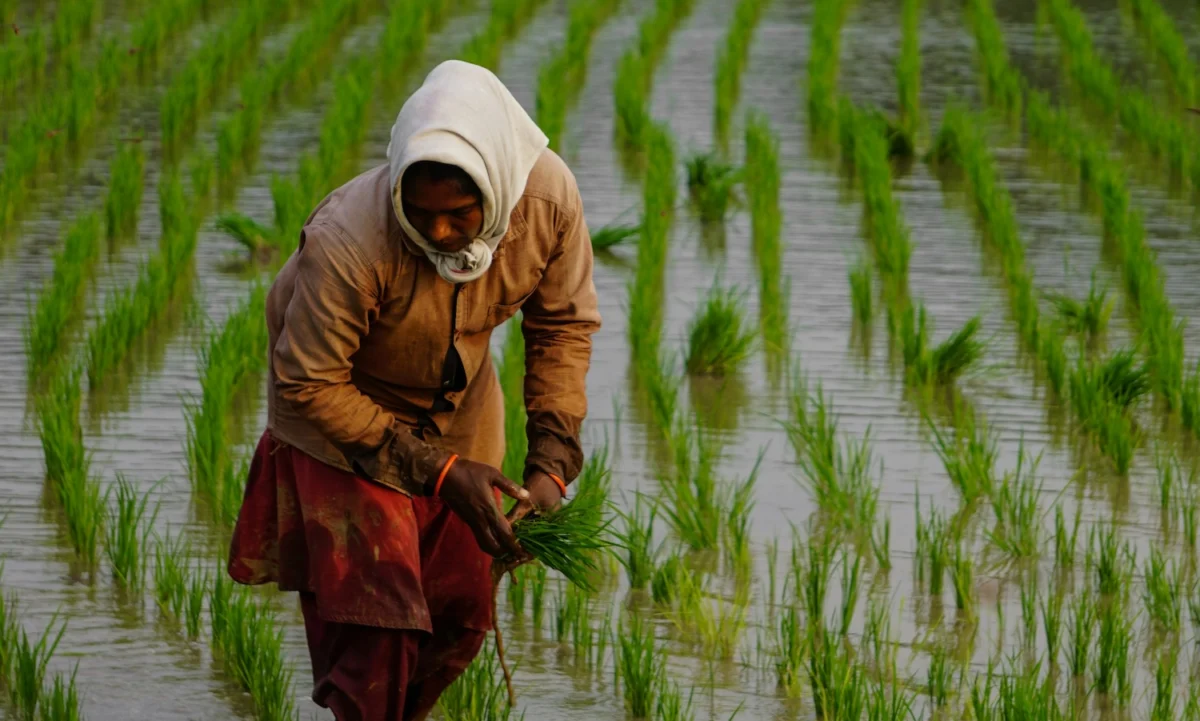
As we reach the midpoint of the United Nations’ International Year of the Woman Farmer, a vital, often overlooked reality is coming into sharper focus. While global food systems are undeniably cultivated, sustained, and nourished by women, the discourse surrounding their contribution has historically remained fixated on productivity metrics and economic output. However, a growing movement of advocates, farmers, and policymakers is shifting the narrative: to truly support the global food system, we must first support the physical and mental well-being of the women at its core.
The Foundation of Global Food Security
The International Year of the Woman Farmer serves as a critical juncture for acknowledging that the hands that feed the world are disproportionately those of women. From smallholder plots in sub-Saharan Africa to large-scale operations in North America, women perform the vast majority of agricultural labor. Yet, they remain systematically marginalized in terms of land ownership, access to financial credit, and decision-making power.
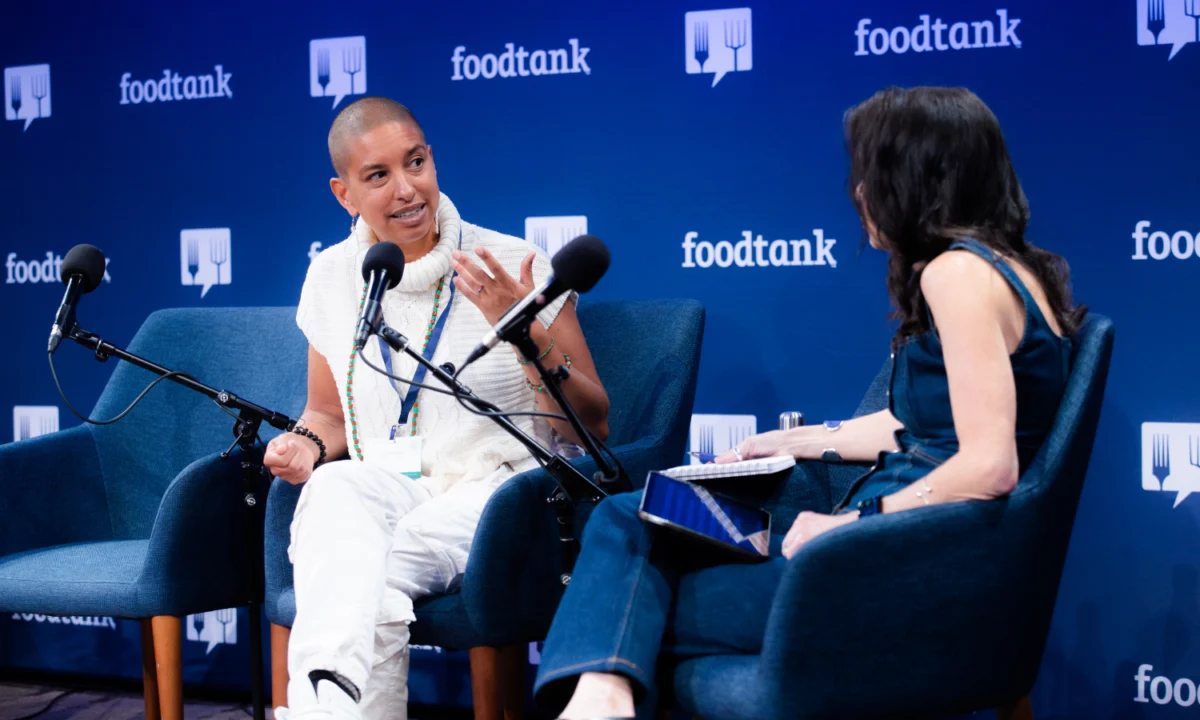
Throughout this year, Food Tank has facilitated a series of high-profile storytelling events, bringing women farmers to the forefront in diverse locations—from the mountain vistas of Park City, Utah, to the rural landscapes of Adelaide, Australia; the historic farmlands of Dublin, Ireland; and the innovative agricultural hubs of Austin, Texas. These events have moved beyond the abstract data of "gender gaps" to provide an authentic, visceral look at the lives of women who serve as the pillars of their communities. They are not merely producers; they are caregivers, innovators, and stewards of ancestral knowledge.
Chronology of a Crisis: Why Health Must Take Center Stage
For decades, the development agenda focused on the "how" of farming—yields, seeds, and fertilizers. It was not until the early 21st century that the "who" began to be scrutinized. While the 2010s saw a surge in research regarding the gendered nature of agricultural resources, the current decade has ushered in a more holistic approach.
Following the global disruptions of the COVID-19 pandemic, which placed an outsized burden on women in both the home and the field, the conversation shifted toward resilience. The declaration of the International Year of the Woman Farmer by the UN is the culmination of this evolution, signaling that the international community is finally ready to acknowledge that a woman’s health is the bedrock upon which food security is built.
Supporting Data: The Disproportionate Burden
The challenges facing women farmers are not merely logistical; they are systemic and profoundly personal. Gender-based disparities in agricultural income are well-documented, but the hidden costs are often ignored.
- The Climate Toll: According to data from international development agencies, climate change disproportionately affects women. As drought, flooding, and shifting seasons disrupt traditional farming cycles, the added stress of economic instability falls heaviest on women, who often bear the responsibility of household nutrition.
- The Mental Health Gap: Experts like Reema Nanavaty, Head of the Self-Employed Women’s Association (SEWA), have identified an alarming correlation between agricultural instability and mental health crises. In several regions, the failure of crops and the crushing weight of debt have led to tragic, rising rates of suicide among young women farmers.
- The Reproductive Health Link: Nabeeha Kazi Hutchins, President and CEO of PAI, emphasizes that reproductive health is not a peripheral issue—it is an agricultural issue. If a farmer lacks access to healthcare, her ability to perform the rigorous physical labor required for farming is compromised. "If a woman’s health and reproductive health are not prioritized and supported," Hutchins notes, "how is she going to be effective in her job, and how is she therefore going to be effective in feeding and nourishing the world?"
Official Responses and Expert Perspectives
The advocacy community is unified in the belief that the current "business-as-usual" approach is unsustainable.
Bridging the Capacity Gap
Rosinah Mbenya, Country Coordinator for PELUM Kenya, argues that while international rhetoric is improving, the flow of capital remains stagnant. "There is a lot of work that needs to go into capacity-building," Mbenya states. She calls for a transformation in how philanthropic and business leaders perceive their role in the food system. Her focus is on "youth- and women-centered landscape transformation," which requires more than just training—it requires tangible, long-term financing that empowers women to manage their own land and resources.
The Multi-Generational Commitment
The personal dimension of this struggle is best articulated by those on the ground. Carina Roseingrave, Co-Founder of Burren View Farm, highlights the weight of tradition. For many, farming is not a career choice but an inheritance. "What we have, we’ve built for our family that are here now," Roseingrave explains. "But what’s very important to our family is to pass it on to the next generation. We don’t want to lose the next generation that’s coming behind us. We want to pass on the knowledge that was passed on from my grandmother."
This desire to preserve heritage acts as both a source of strength and an additional psychological burden. When the climate or the economy threatens the farm, it threatens a lineage that spans centuries.
The Implications: Moving Toward Holistic Sustainability
The implications of ignoring the well-being of women farmers are catastrophic. If the agricultural sector continues to treat women as cheap, disposable labor rather than as the primary agents of change, the global food system will become increasingly brittle.
A New Policy Framework
To rectify this, policy must pivot toward three key pillars:
- Healthcare Integration: Integrating reproductive and mental health services into agricultural extension programs.
- Economic Autonomy: Moving beyond micro-loans to provide sustainable, long-term financial security that grants women true land ownership and market access.
- Climate Adaptation Funding: Specifically earmarking climate resilience funds for women-led operations, which are often the most innovative but least funded.
The Importance of Joy
Perhaps most importantly, advocates remind us that farming must remain rooted in the human experience. Despite the hardships, there is an enduring, profound connection to the earth. Lynsey Gammon, Farm Director of Gracie’s Farm and the Lodge at Blue Sky, describes this connection as an "art and love."
"She could never really leave behind the love of growing food and the joy and love that it gave to her," Gammon said, reflecting on her grandmother’s influence. "Because, like so many women before her, farming was her ancestry. It ran through her veins."
Conclusion: A Call to Action
The International Year of the Woman Farmer is a reminder that we are at a crossroads. We can continue to view food production through a narrow lens of supply chains and commodity prices, or we can choose to see the women whose hands, hearts, and histories make those supplies possible.
Protecting the physical and mental health of women in agriculture is not just a matter of social justice—it is a matter of survival. As we look toward the future, we must prioritize investments that offer women the agency to lead. By fostering environments where women farmers are supported, valued, and empowered, we do more than just grow food; we cultivate a more resilient, equitable, and human-centered world.
It is time to move from recognition to action, ensuring that the generations of women who feed us are provided the health, security, and dignity they so rightfully deserve.

 Azzam Bilal Chamdy
 Ali Ikhwan