

 Reynand Wu
 Sagoh
Sagoh
 Basiran
 Evan Lee Salim
 Jia Lissa
 Neng Nana
For the discerning traveler, the Luberon is a revelation—a "hidden in plain sight" sanctuary rising over 1,200 meters from the sun-drenched lowlands of Provence. Characterized by its dramatic limestone massif, split in two by the verdant Aiguebrun river, this region serves as the quintessential heartbeat of Southern France. It is a land where craggy cliffs frame valleys carpeted in cherry orchards, gnarled olive groves, and the iconic, undulating rows of lavender.
Yet, the Luberon is more than a scenic postcard; it is a cultural crucible that has long attracted the intellectual and creative elite. From the existentialist depth of Albert Camus to the cinematic vision of Sir Ridley Scott and the evocative prose of Peter Mayle, the Luberon has provided the backdrop for some of the 20th century’s most enduring works. Nestled within the expansive Luberon Regional Nature Park, the area offers a sensory journey through Roman history, ochre-tinted landscapes, and viticulture that defines the modern Provençal palate.
Main Facts: The Geography of an Oasis
The Luberon massif is not merely a geological feature; it is the anchor of the regional microclimate. Stretching between the departments of Vaucluse and Alpes-de-Haute-Provence, its varied topography allows for a diversity of agricultural production that is rarely seen in such a compact space.
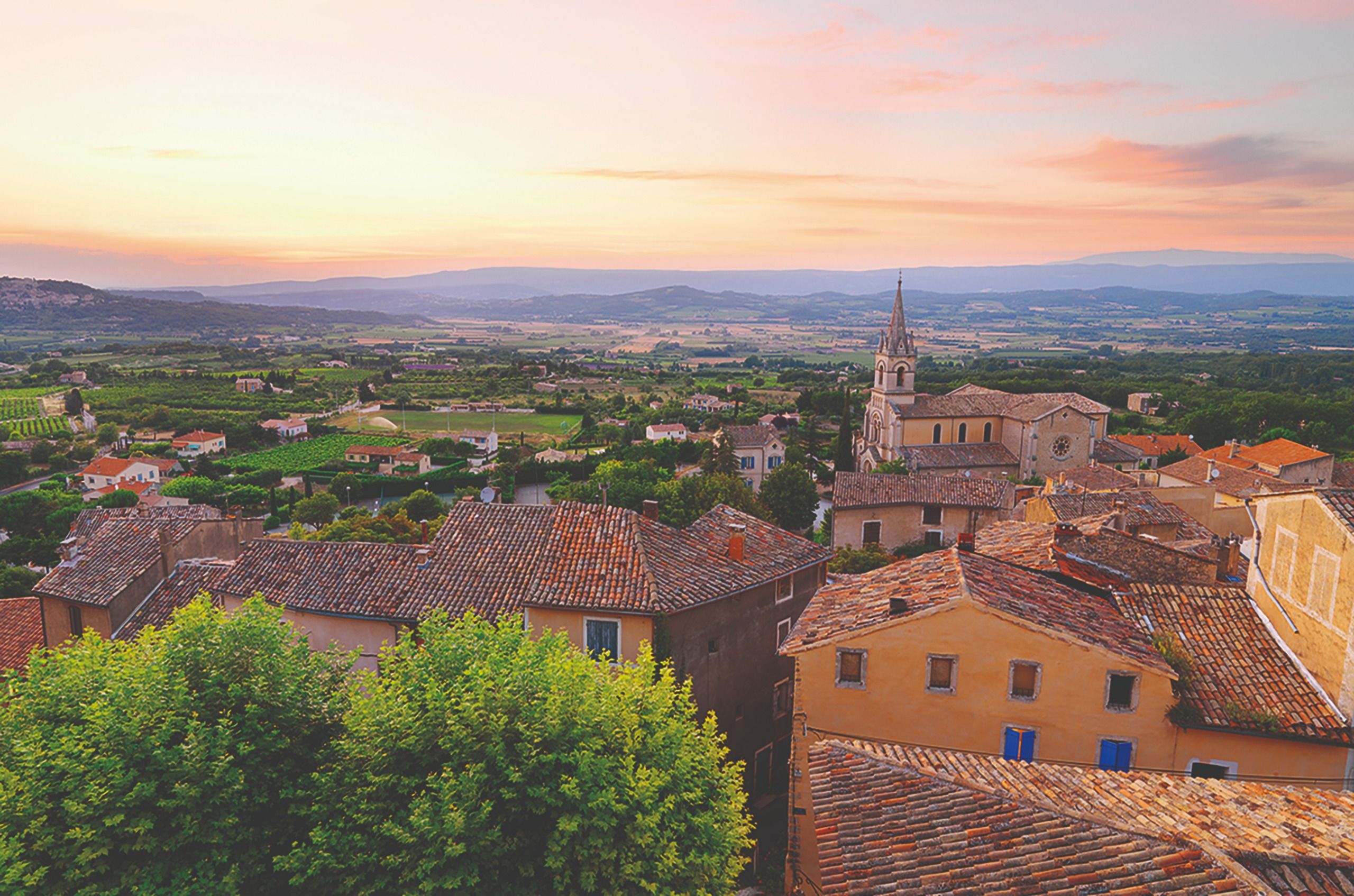
- Topography: The region encompasses the Luberon Regional Nature Park, which covers roughly 185,000 hectares.
- Viticulture: Approximately 3,500 hectares of vineyards thrive here at altitudes ranging from 200m to 450m.
- Cultural Status: The area is home to several villages designated as Les Plus Beaux Villages de France (The Prettiest Villages of France), including Gordes, Lourmarin, and Mènerbes.
Unlike the neighboring appellations of the Rhône or the coastal regions of Provence, the Luberon benefits from a unique diurnal temperature range. The cool nights, facilitated by the altitude of the massif, preserve the natural acidity in the grapes, resulting in wines known for their remarkable freshness, aromatic complexity, and vibrant character.
Chronology: A Tapestry of Time
The history of the Luberon is etched into its very foundations, spanning from Roman antiquity to the contemporary luxury of the modern tourism era.
- Roman Era (1st Century BC – 4th Century AD): The foundations of Luberon’s viticulture were laid by Roman settlers who recognized the potential of the limestone soil and the favorable drainage provided by the massif. Roman bridges and ruins remain scattered throughout the valley.
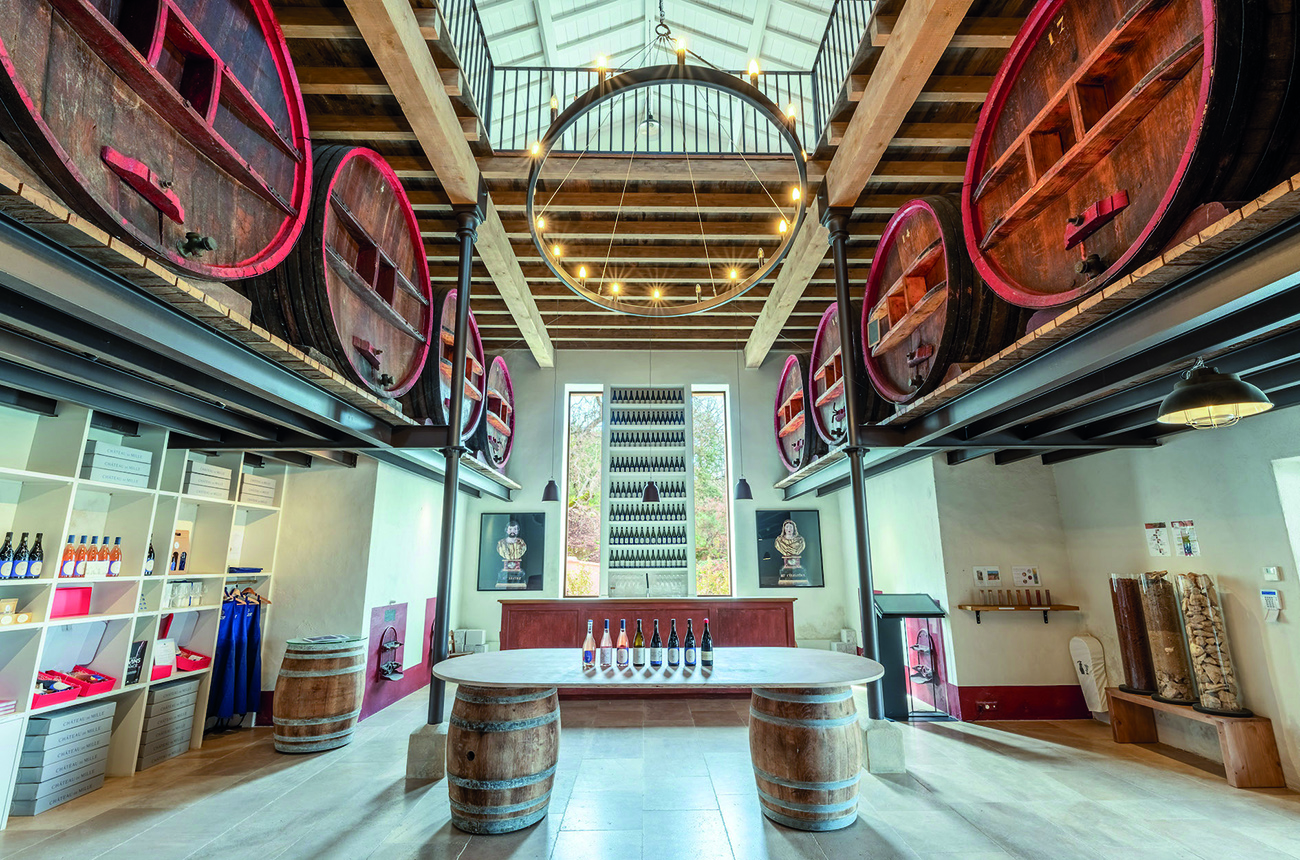
- The 13th Century: The establishment of foundational wineries, such as the Château de Mille in Apt, marks the start of a long lineage of viticulture. These estates often doubled as strategic or religious residences, with Mille serving as the summer home to the Popes during the Avignon Papacy.
- 1750: The construction of the Moulin de Jérusalem in Goult, a symbol of the agricultural innovation that allowed villages to flourish atop the hills, providing defense and panoramic command of the valley.
- Late 18th Century: The industrialization of the ochre deposits near Roussillon begins, turning the region into a global hub for pigment production, which fundamentally altered the landscape and the architecture of the surrounding villages.
- 1989: The publication of Peter Mayle’s A Year in Provence, set in the village of Lourmarin, catapulted the Luberon into the global consciousness, forever changing the trajectory of the region’s tourism industry.
- 2000s: Fashion designer Pierre Cardin spearheads the restoration of the castle in Lacoste, previously owned by the Marquis de Sade, signaling a new era of artistic and cultural preservation.
Supporting Data: The Viticultural and Geological Landscape
The Luberon’s economic lifeblood is inextricably linked to its soil—both the fertile land that produces its wine and the unique mineral deposits that have shaped its industry.
The Wine Sector
The region sits strategically between the Côteaux d’Aix-en-Provence and the Rhône Valley. However, local vintners argue that the Luberon represents a distinct "third way." The data supports this:
- Diversity of Output: The region features high-end independent estates like Mas des Infermières (owned by Ridley Scott) and Château la Canorgue, alongside historic cooperatives like Cave de Sylla in Apt, which aggregates the harvest of hundreds of smaller growers to ensure economic viability.
- Innovation: The Domaine de la Citadelle museum, which holds over 1,200 antique corkscrews, serves as a testament to the long-standing dedication to wine culture that predates modern mechanized production.
The Ochre Deposits
Stretching 25km between Goult and Gignac, the ochre deposits are a geological marvel. This sand-and-clay mixture, pigmented by iron oxides, has been sculpted into "technicolour" pillars. Beyond the tourism appeal of the Sentier des Ocres, the region maintains industrial-historical sites like the Bruoux Mines in Gargas—40 kilometers of hand-carved, cathedral-like tunnels that offer a glimpse into the arduous labor that sustained the region’s economy for centuries.
Official Responses and Preservation Efforts
The management of the Luberon is a balancing act between the preservation of its medieval heritage and the demands of modern luxury tourism.
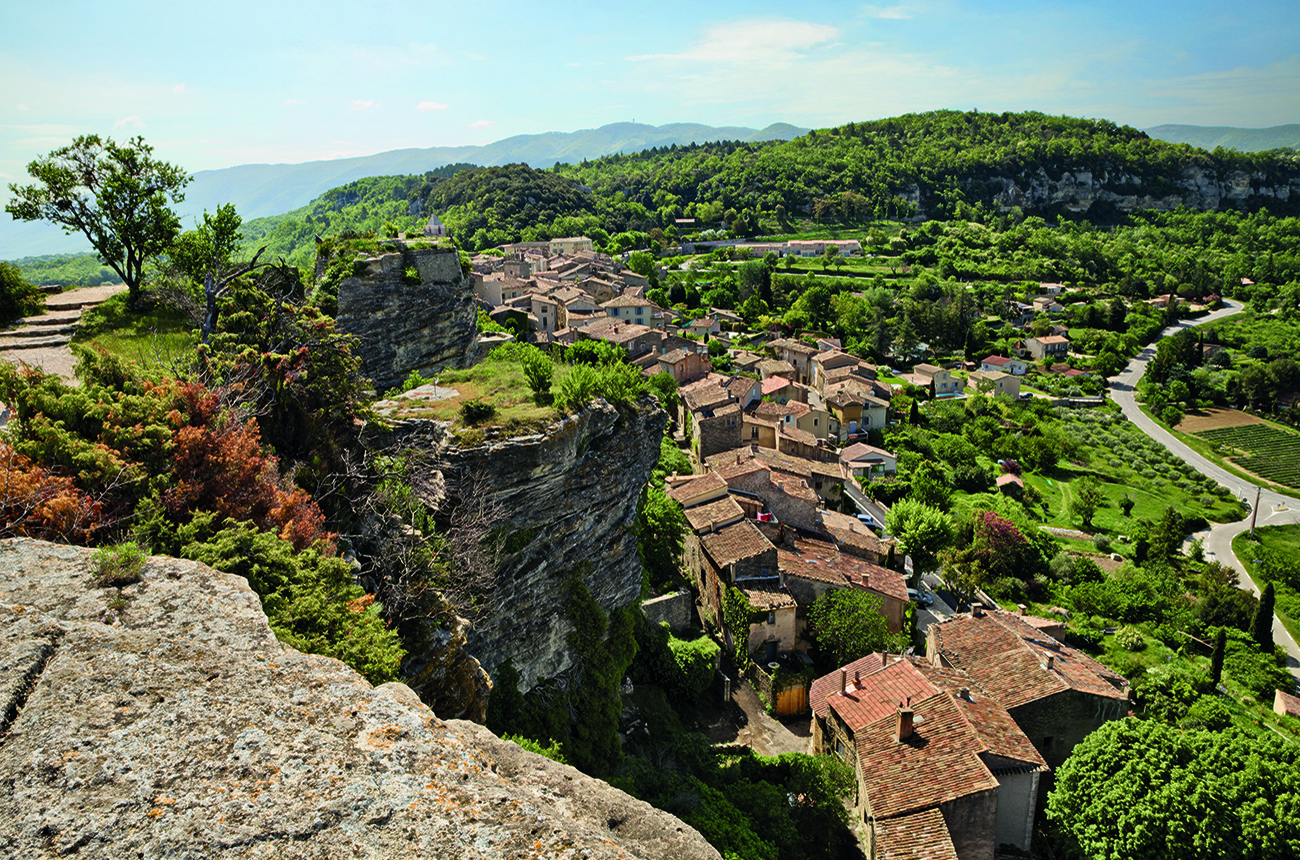
The Luberon Regional Nature Park (Parc naturel régional du Luberon) serves as the governing body responsible for ensuring that development does not strip the region of its character. Official mandates focus on:
- Sustainable Agriculture: Supporting organic and biodynamic practices, particularly among the smaller vignerons and lavender farmers.
- Cultural Listing: The French government has listed several doorways and historical sites, such as those on the Rue de la Republique in St-Saturnin-lès-Apt, as national historical monuments to prevent modernization from erasing the medieval aesthetic.
- Market Regulation: Official support for local markets—like the Sunday market in L’Isle-sur-la-Sorgue—helps preserve traditional customs, such as the négos-chins (flat-bottomed boats) used to transport goods, ensuring these practices remain part of the region’s identity rather than just theatrical performances.
Implications: The Future of the Luberon
The influx of "creative migrants"—film directors, designers, and writers—has created a unique demographic shift. The implication for the future is a region that is increasingly high-end, yet struggling to remain accessible to the local artisans who once defined it.
The "Pretty Village" Trap
With five villages officially designated among the "Prettiest in France," the region faces the challenge of "over-tourism." To counter this, local boards are actively promoting "second-tier" destinations like Saignon or the smaller streets of Goult to redistribute the economic benefits of tourism. The goal is to move visitors beyond the "famous five" and into the broader landscape.
Culinary Evolution
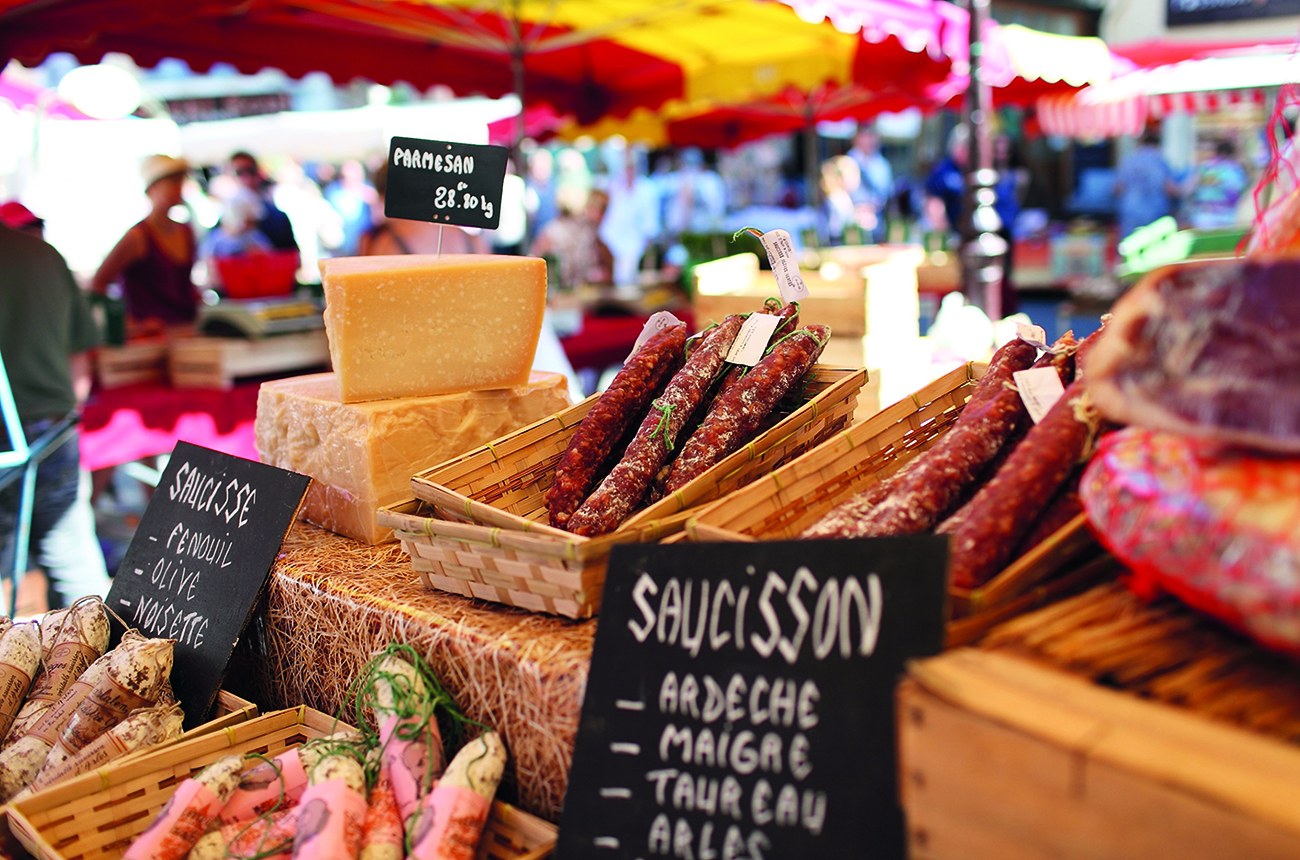
The dining scene reflects this duality. From the simple, rustic cafes where one can find a glass of local Ventoux wine for a few euros, to the Michelin-starred La Bastide de Capelongue, the region offers a spectrum of experiences. The implication is that the Luberon is becoming a gastronomic destination in its own right, where the "long lunch"—a staple of the Provençal lifestyle—is treated with the same reverence as the fine arts.
A Call to Authentic Exploration
For the traveler, the implication is clear: the Luberon demands time. It is not a place for a weekend rush. To truly understand it, one must visit the distilleries in Sault, walk the loop trails of the Claparèdes plateau, and sit at a table in a village square during a local market.
As the lavender blooms in July and the ochre mines glow under the relentless Mediterranean sun, the Luberon remains a testament to the endurance of tradition. It is a region that has survived the rise and fall of empires, the shifts of the industrial revolution, and the fickle nature of global trends, all while remaining, in its quiet, stony heart, exactly what it has always been: a jewel in the crown of France.

 Raul Delapena Setiawan
 Suro Senen
