
 Dwi Wanna
 Nana Wu
 Muslim
 Reynand Wu
 Ammar Sabilarrohman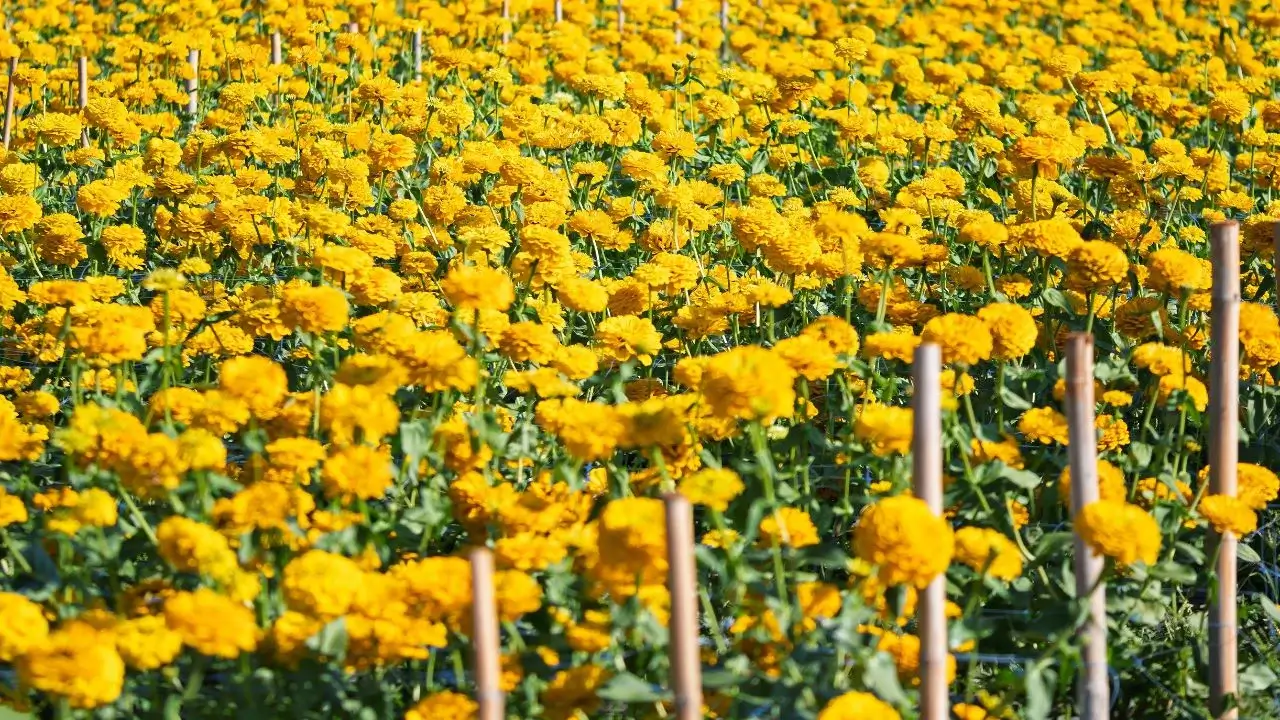
As the frost recedes across North America and the soil warms to meet the lengthening days of May, the agricultural landscape undergoes a profound transition. For the modern farmer, May is not merely a month on the calendar; it is a critical pivot point that dictates the success of both summer abundance and autumn yields. Whether you are managing a small-scale market garden or overseeing broad-acre production, this month offers a unique window of opportunity to optimize your crop selection based on regional climate, soil health, and market demand.
The Strategic Importance of May Planting
May serves as the bridge between the dormant cold of winter and the high-output intensity of summer. For farmers in temperate zones, the risk of late-season frost is finally diminishing, allowing for the introduction of heat-loving tender crops. Conversely, in regions already experiencing the onset of summer heat, May is the final call to establish crops that require long growing seasons before the oppressive temperatures of mid-summer necessitate a shift in strategy.
"The primary objective in May," notes regional agricultural extension specialist Dr. Aris Thorne, "is to balance the ‘must-haves’—the reliable market performers—with ‘experimental’ crops that test the resilience of your soil and microclimate." By utilizing season-extension techniques like row covers, cold frames, or strategic mulching, growers can push the boundaries of their hardiness zones, effectively widening the narrow window of productivity that North American weather dictates.
Chronology of the Season: From Seed to Harvest
Effective farming requires a disciplined adherence to timing. May planting follows a distinct chronology that determines when your crops reach maturity.
- Early May (The Transition Phase): Focus on hardy direct-sow crops and the final round of cool-season transplants. This is the time to finalize the planting of early grains like oats and buckwheat in cooler climates, while setting the stage for frost-sensitive crops by preparing the soil with organic matter.
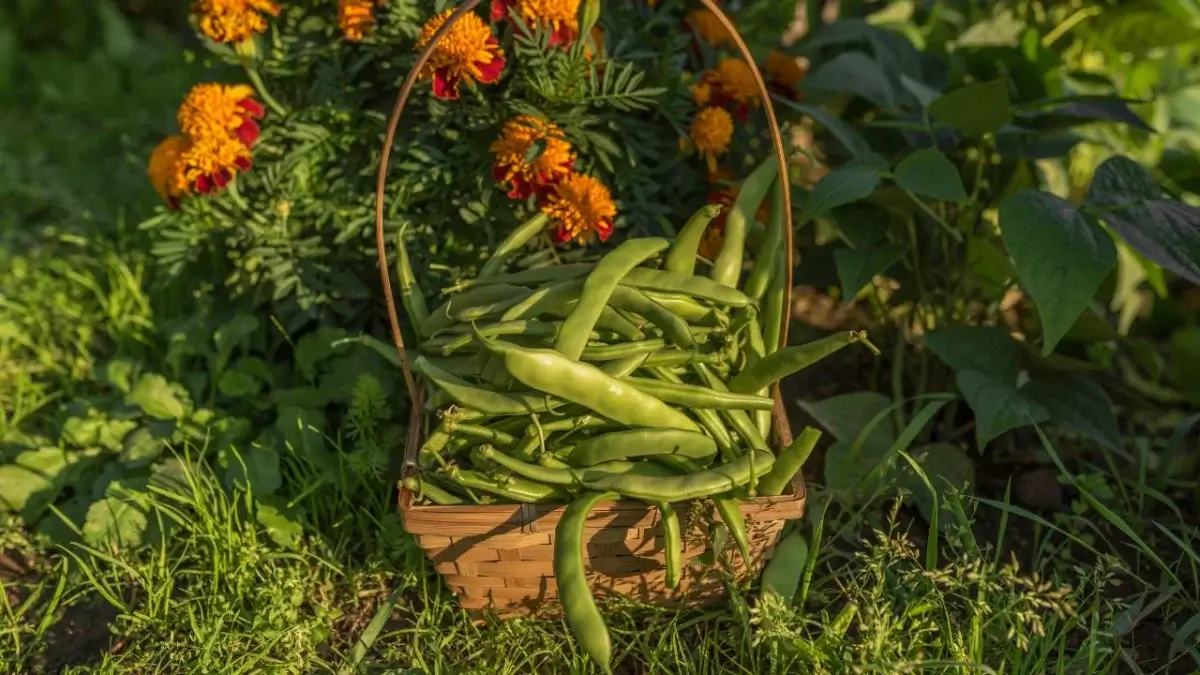
- Mid-May (The Warm-Season Pivot): As night temperatures stabilize above 50°F (10°C), the focus shifts to direct-sowing beans, corn, and melons. This period is critical for establishing the root systems of long-season crops.
- Late May (The Establishment Phase): By the end of the month, the focus moves toward transplanting solanaceous crops—eggplant, tomatoes, and peppers—that have been hardened off. This is also the prime window for succession planting, ensuring that your market stalls remain stocked throughout the summer months.
Core Crops for the May Landscape
Melons: Basking in the Summer Sun
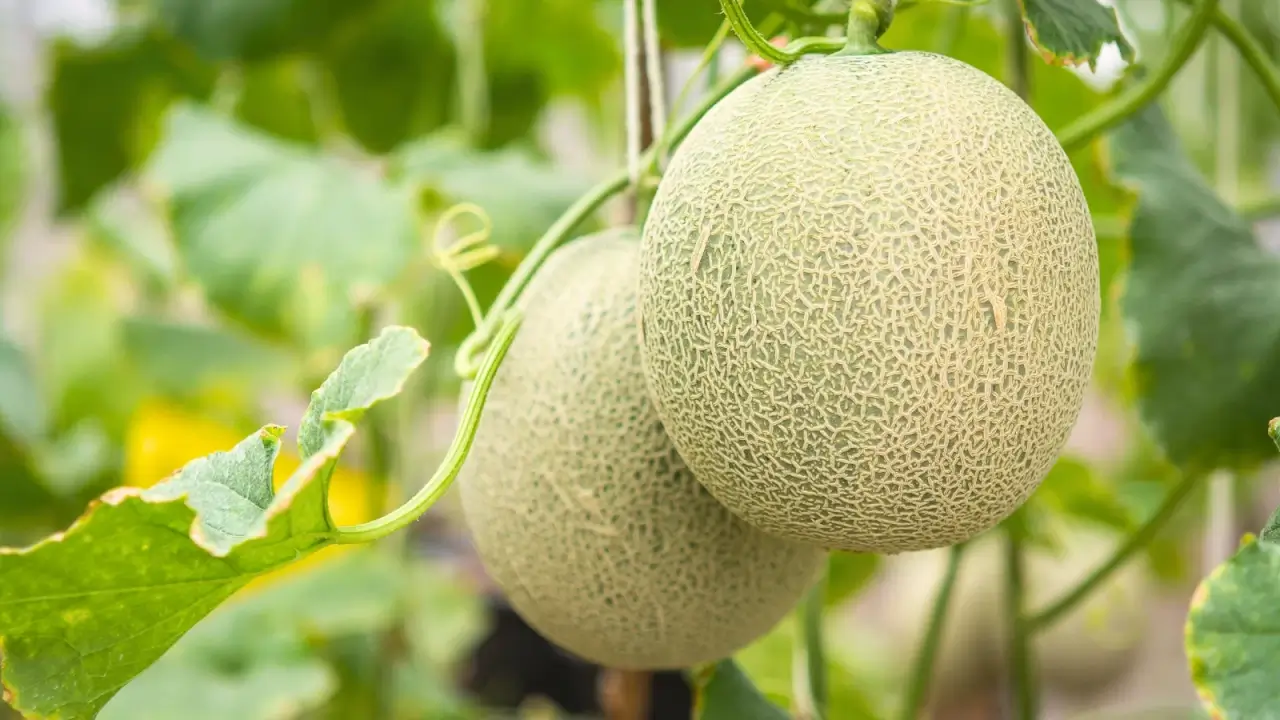
Cantaloupe, honeydew, and watermelons are quintessential summer crops that thrive when sown in May. These vining plants require significant space and consistent nutrients. For optimal yields, farmers should implement a weekly regimen of diluted organic fertilizer. Watermelons, in particular, favor the sandy, well-draining soils often found in coastal regions, where they can handle the saline-laden breezes that might stunt other, more delicate varieties.
Eggplant: The Case for Transplanting
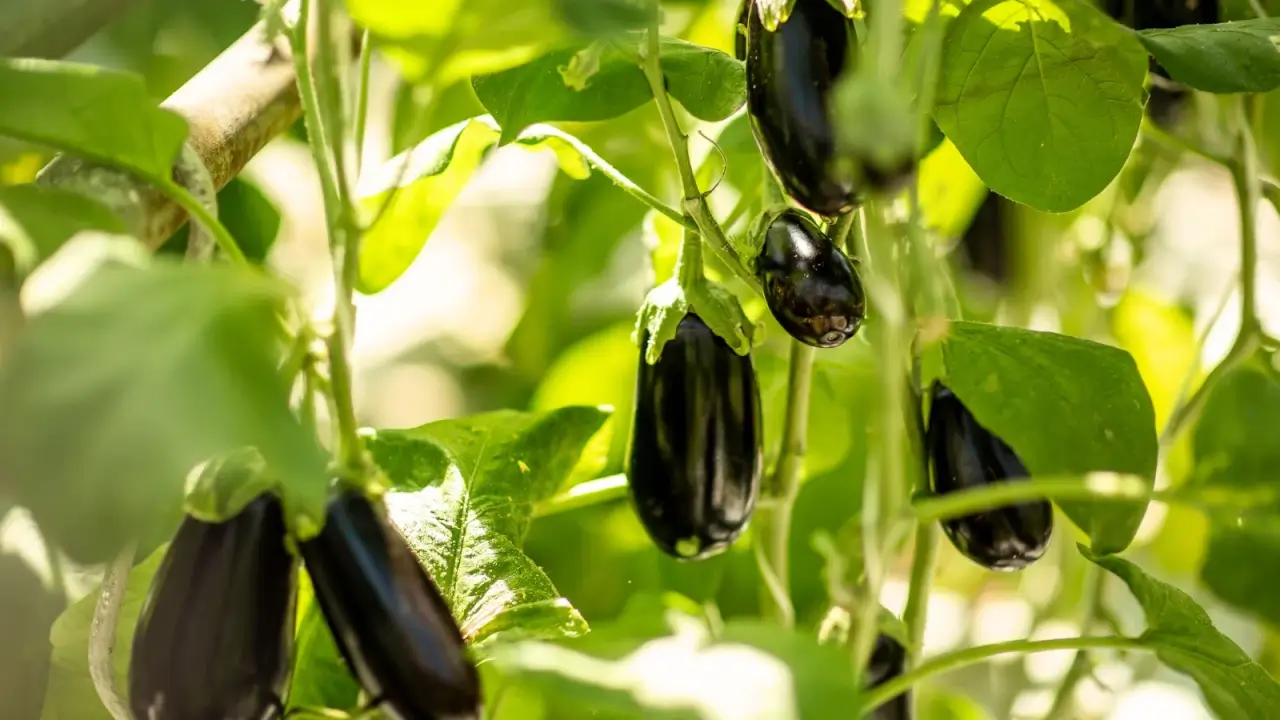
Unlike crops that prefer the direct soil contact of sowing, eggplants require a head start. By transplanting them in May, growers ensure that these heat-loving plants reach maturity during the peak of summer temperatures. Varieties such as ‘Epic’ are prized for their heavy production, while ‘Orient Express’ offers versatility for those operating in regions with inconsistent summer heat.
Okra: A Lesson in Heat Tolerance
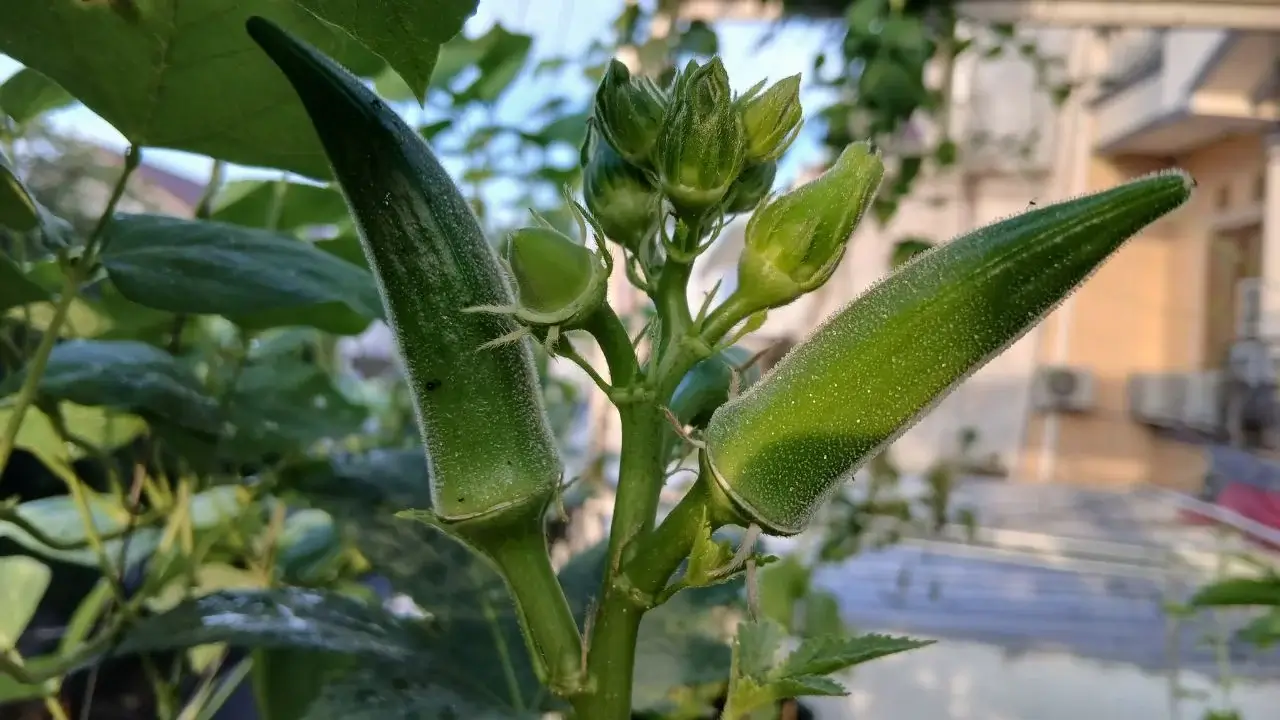
For regions where the summer sun is unrelenting, okra is a champion of productivity. By choosing spineless varieties like ‘Clemson Spineless 80,’ farmers can mitigate the labor-intensive harvest process. Okra thrives on heat and humidity; when planted in May, it establishes a robust root system capable of producing a consistent, high-volume yield that is highly sought after at local farmers’ markets.
Corn: Balancing Utility and Heritage
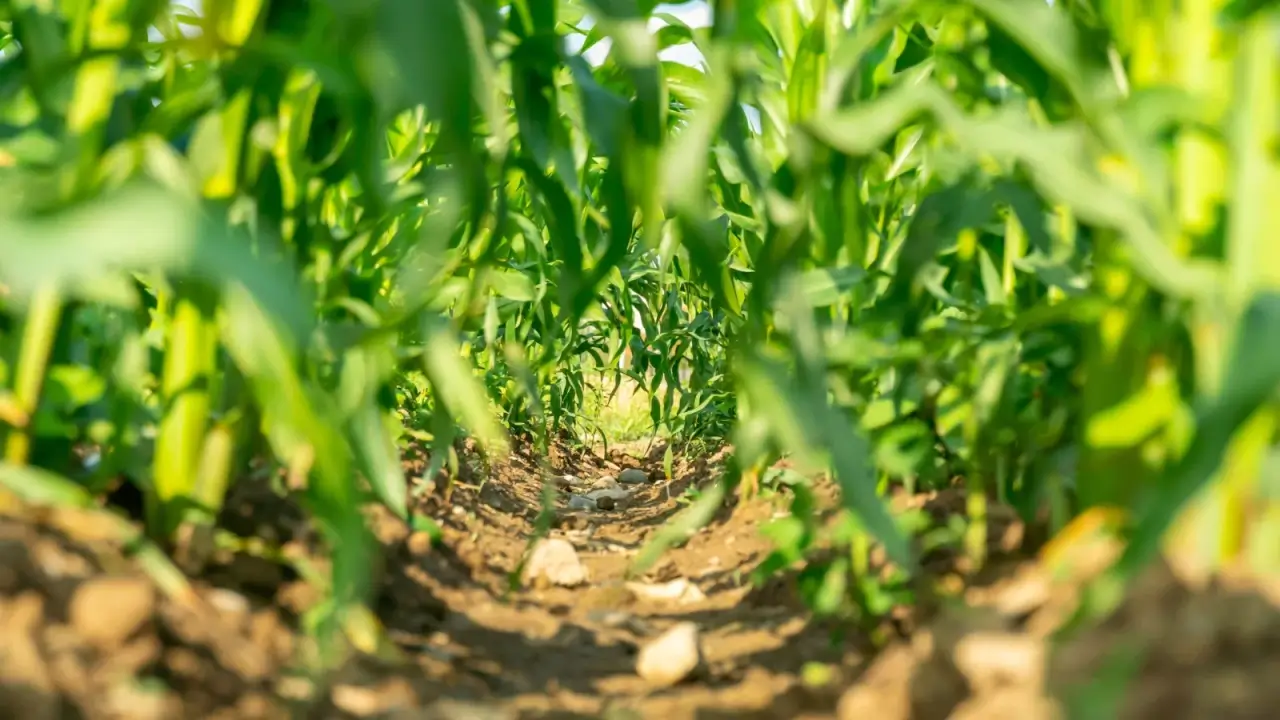
Growing corn requires more than just space—it requires an understanding of the end product. Whether you are producing sweet corn for immediate consumption, dent corn for milling, or flint varieties for historical or culinary applications, timing is paramount. Corn needs a minimum of two and a half months of frost-free weather. By selecting open-pollinated heirloom varieties, farmers not only secure a stable crop but also participate in the preservation of agricultural biodiversity.
Beans and Legumes: The Versatile Legume
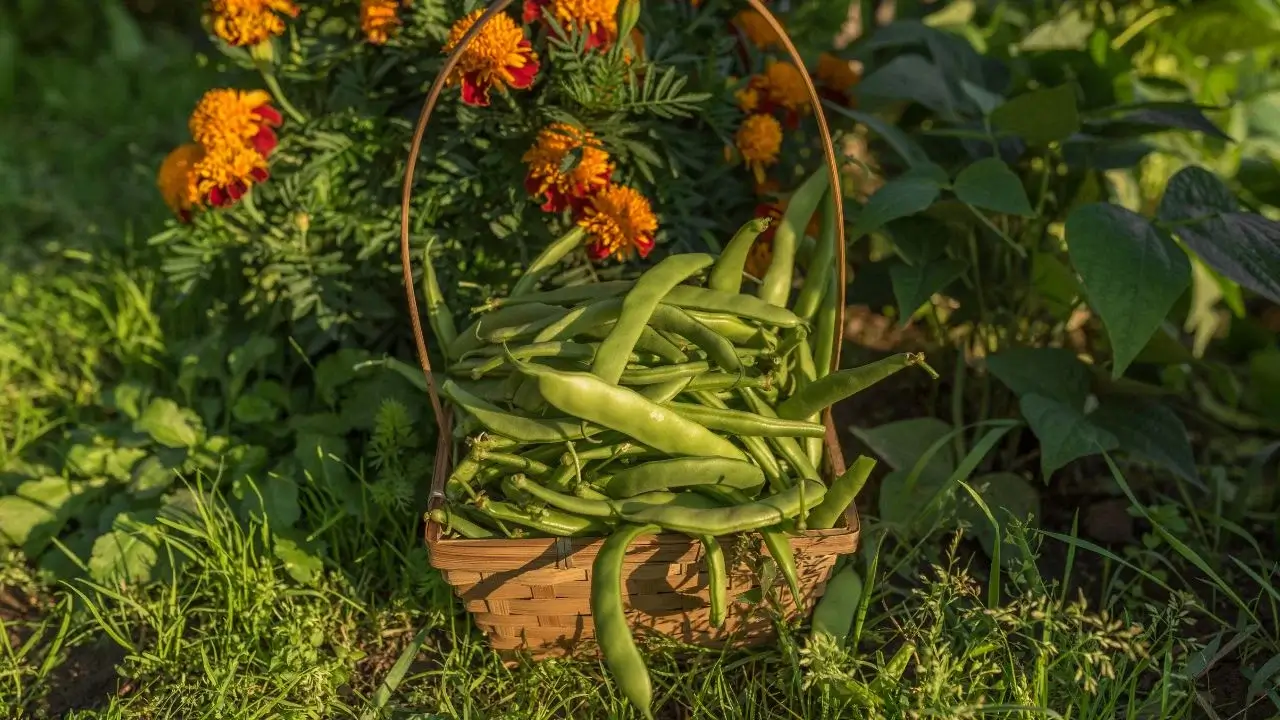
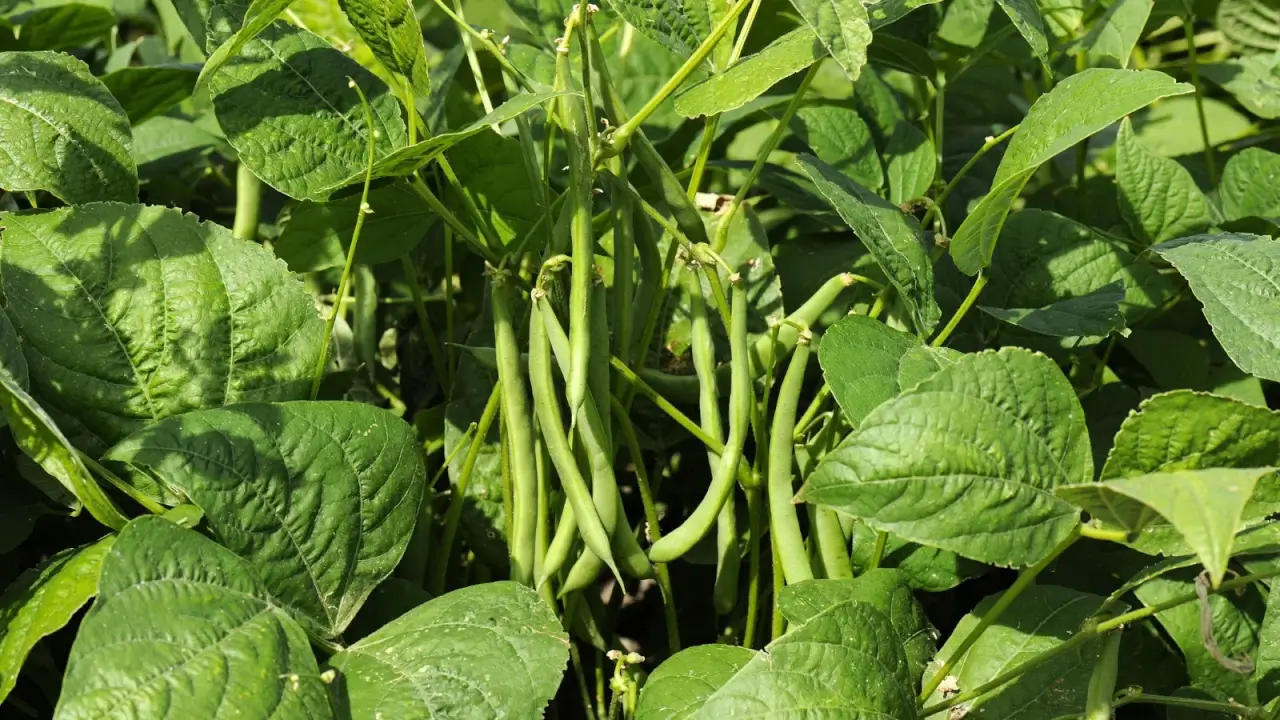
The diversity of the bean family allows for adaptability across all climate zones. Fava beans remain a staple for those in cooler, short-season areas, while tepary beans—an indigenous crop of the American Southwest—showcase how selective breeding can result in plants that thrive in arid, high-heat conditions with minimal moisture.
Squash and Grains: Planning for Autumn
May is the time to plant winter squash—pumpkins, acorn, and butternut—that will be harvested in the early autumn. Additionally, grains such as amaranth provide a dual-purpose crop: its striking appearance makes it a favorite in the floral industry, while its edible seeds and leaves offer nutritional density. For warmer, drier regions, sorghum and millet remain the gold standards for resilience.
Supporting Data: The Economics of Biodiversity
Data from regional agricultural bureaus suggests that farms incorporating diverse crop rotations in May—specifically those that mix staple vegetables with flowers like marigolds and zinnias—report a 20% increase in natural pest suppression. Flowers are not merely aesthetic; they serve as "pollinator powerhouses." By attracting beneficial insects, farmers reduce their reliance on external interventions, thereby lowering input costs and increasing the overall profitability of the plot.
Implications for the Modern Food System
The push toward more intentional May planting is part of a larger, systemic shift in how we view food security. The "Solutions Hub" movement, which emphasizes local, actionable farming practices, argues that every acre planted in May is a contribution to a more resilient food system. When a farmer chooses to plant an "atypical" crop or experiment with an heirloom variety, they are conducting a localized climate study.
The implications are clear:
- Economic Resilience: Diversifying what is planted in May ensures that if one crop fails due to unseasonable weather, others will carry the season.
- Market Sustainability: By staggering plantings—what farmers call "succession planting"—growers can avoid the "market glut" of mid-summer, providing a consistent supply that builds customer loyalty.
- Ecological Stewardship: Incorporating native and heirloom varieties preserves the genetic history of North American agriculture, ensuring that future generations have access to resilient, well-adapted seeds.
Conclusion: A Call to Action
As the sun continues its ascent and the soil reaches the ideal temperature, the mandate for the modern farmer is clear: plant with intention. May is a month of immense potential. By combining traditional wisdom with modern, data-driven techniques, growers can turn their fields into productive, sustainable, and highly profitable ecosystems.
Whether you are a seasoned producer or a newcomer to the craft, the act of planting in May is an act of optimism. It is a commitment to the cycle of growth, the health of the soil, and the vitality of the local food economy. As you look out over your fields this month, remember that the seeds you sow today are the foundation of the harvest that will nourish your community in the months to come. Plan carefully, plant deeply, and prepare for a season of abundance.


 Azzam Bilal Chamdy
 Ali Ikhwan