

 Azzam Bilal Chamdy
 Neng Nana
 Nana Muazin
 Dwi Wanna
 Raul Delapena Setiawan
 Iffa Jayyana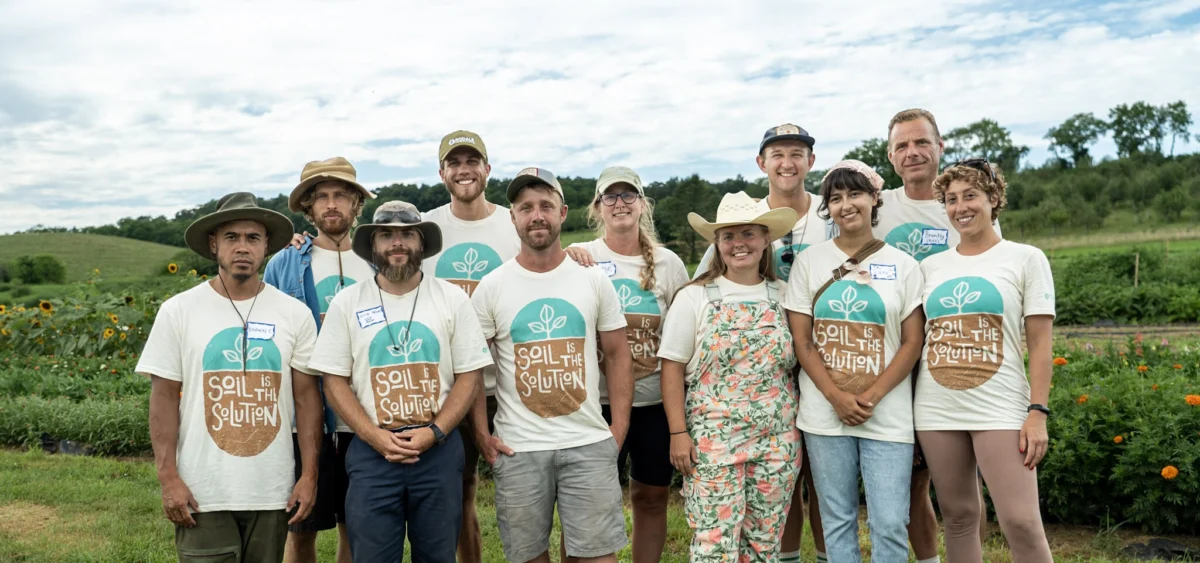
In an era defined by climate anxiety, a fractured food system, and the rapid aging of the traditional agricultural workforce, a quiet revolution is taking root in the fields of Pennsylvania. At the Rodale Institute, a new cohort of aspiring farmers is trading the digital glow of the tech sector, the rigidity of corporate boardrooms, and the uncertainty of urban life for the tactile, purposeful labor of regenerative organic agriculture.
The Rodale Institute Farmer Training (RIFT) program has emerged as a critical pipeline for these "new agrarians"—individuals who, despite lacking the generational land-inheritance that defined American farming for centuries, possess a fierce commitment to restoring soil health, securing local food chains, and re-establishing a human connection to the land.
Main Facts: A Blueprint for the Future of Farming
The agricultural landscape in the United States is facing a demographic cliff. The average age of an American farmer has climbed to 58, and as farm families increasingly encourage their children to pursue less physically demanding, more lucrative white-collar careers, the nation faces a looming shortage of land stewards.
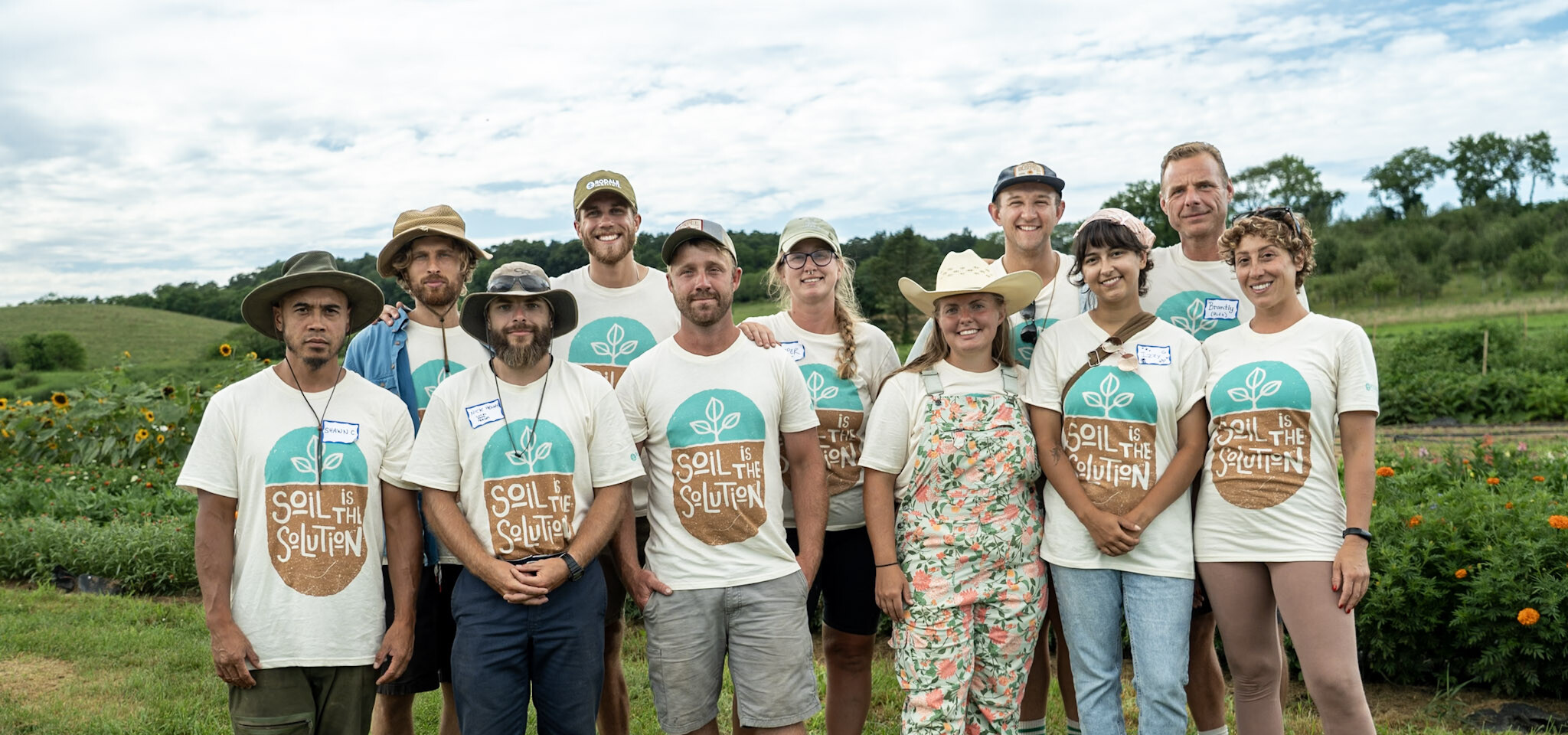
The RIFT program addresses this vacuum directly. It is a comprehensive, nine-month immersive course designed to take individuals—many with zero prior agricultural experience—and transform them into capable, business-minded organic farmers. The curriculum is holistic, covering the entire seasonal cycle: from the initial planning and seeding in early spring to the complex logistics of harvesting, market preparation, and winter land management.
Students in the 2025 cohort range from their early twenties to their fifties, representing a diverse cross-section of American society. While their professional backgrounds vary—from tech developers and project managers to educators and artists—they are united by a common objective: to build sustainable, regenerative operations that benefit their communities and sequester carbon in the soil.
Chronology: From Corporate Cubicles to Open Fields
The transition from traditional career paths to the field is rarely linear. For the current cohort, the RIFT program serves as the bridge between abstract desire and practical execution.
The Path of the Career Changer
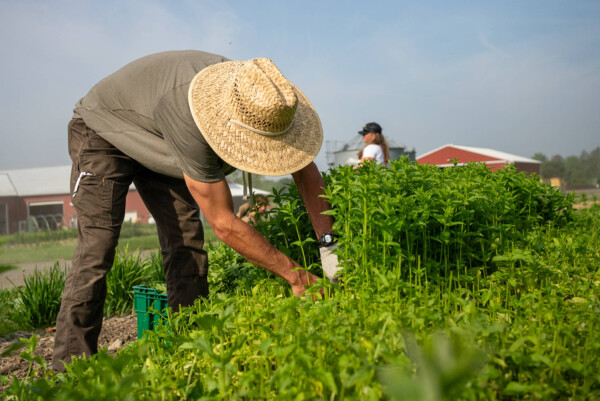
Take, for example, Shawn Cabalsi. At 43, after a successful tenure in the technology sector, Cabalsi found himself suffering from a profound sense of professional alienation. Driven by the writings of agricultural philosophers like Wendell Berry and Masanobu Fukuoka, he began to question the morality of the industrial food system. His journey led him to the RIFT program, where he is now synthesizing his tech-driven problem-solving skills with regenerative techniques. Cabalsi has already co-founded a 501(c)(3) nonprofit farm in Macungie, Pennsylvania, which provides fresh produce to food-insecure populations—a tangible application of the "regenerative" ethos.
The Evolution of Purpose
For others, the journey is one of inherited passion meeting modern innovation. Delaney Gemmel, whose family has operated a flower shop in Allentown for generations, represents the next iteration of the family business. After traveling through Europe, Africa, and South America, Gemmel realized that her passion lay not just in the retail sale of flowers, but in the production systems themselves. She is currently using the RIFT program to launch a small-scale flower farm that will supply her family’s shop while simultaneously serving a direct-to-consumer market, effectively modernizing a multi-generational legacy through sustainable practices.
Addressing the Climate Crisis
Payton Wilks, another participant, highlights the environmental urgency of this movement. Having worked in project management and education, Wilks realized that the most pressing issue facing humanity was climate change. After finding renewable energy sectors uninspiring, he discovered the power of soil as a carbon sink. His goal is to manage a diversified vegetable operation that proves agriculture can be a solution to, rather than a cause of, environmental degradation.
Supporting Data: The Rigor of the RIFT Program
The effectiveness of the RIFT program lies in its balance of academic theory and back-breaking field work. Over the course of 35 weeks, students are not merely observers; they are active operators.
- Financial and Logistical Support: The program provides a $600 weekly stipend and free housing, lowering the barrier to entry that often prevents low-to-mid-income individuals from pursuing agricultural education.
- Academic Integration: Through a partnership with Northampton Community College, students can earn college credits for their coursework. This integration allows participants to pursue higher degrees, such as the Master of Arts in Regenerative Design offered by Prescott College, which Cabalsi is currently utilizing.
- Scalability: Since 2011, the Rodale Institute has trained over 100 individuals. Many of these graduates have gone on to start their own farms, enter the agricultural workforce as managers, or advocate for organic policy at the local and state levels.
The "capstone" of the program is the development of a professional farm plan. This document acts as a business roadmap, allowing students to apply for grants, secure operating loans, and navigate the bureaucratic landscape of organic certification. By the time they graduate, these students have a viable business model in hand, not just a set of agricultural skills.
Official Responses and Educational Philosophy
Justin Barclay, the Global Education Operations Manager at the Rodale Institute, emphasizes that the program seeks specific traits in its applicants. "Successful participants are those who have the goal of starting an agricultural business, can work in a team environment, and are willing to be coached," he notes.
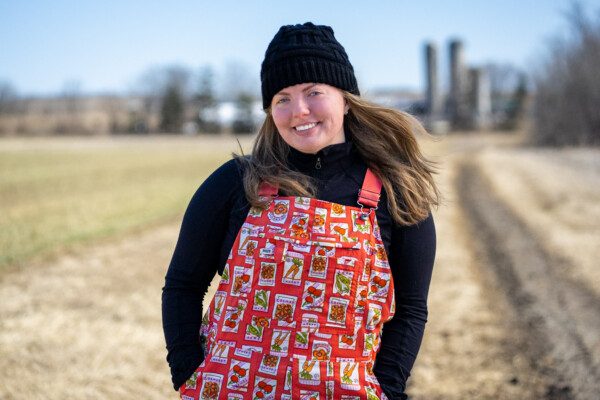
The philosophy behind RIFT is that farming is not just a trade; it is a complex design challenge. It requires an understanding of biology, chemistry, economics, and community sociology. The program intentionally pushes students to view their land as a "natural and social system," moving away from the extractive "input-output" model of industrial farming.
The inclusion of individuals like Isidra Garcia, who uses her video production background to document the transition to organic farming, highlights the program’s focus on communication. Garcia’s plan to market her own line of pico de gallo—using ingredients grown on her own plot of land—demonstrates the "value-added" business models that RIFT encourages.
Implications: The Future of the Food System
The implications of this training model are far-reaching. As society grapples with the fallout of highly processed, chemical-dependent food systems, the RIFT graduates offer a template for a more resilient, localized economy.
Restoring Local Food Security
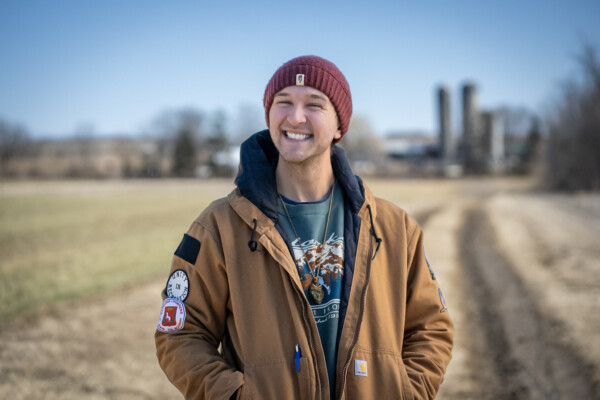
The projects led by participants like Samantha Cooper are particularly telling. Cooper, who is working toward becoming an herbalist, uses her farm to produce medicinal herbs to support holistic health—a direct response to the fragility of the industrial food chain she witnessed during the COVID-19 pandemic. Her goal to return to Indiana and spark an "organic movement" in a landscape dominated by industrial field corn and soy is a testament to the ripple effect these farmers create.
Ecosystem Equilibrium
Kade Eckert’s mission to transform degraded land into a native plant nursery and community space represents the ultimate goal of regenerative agriculture: leaving the land better than it was found. By utilizing waste streams from schools and hospitals to create compost, he is closing the loop on urban and rural consumption. His commitment to making these operations economically viable is the final piece of the puzzle—proving that "doing good" is not a charity, but a sustainable business practice.
A New Generation of Stewards
The RIFT program is ultimately a response to the question: Who will feed us? As the generation of farmers who grew up in the mid-20th century begins to retire, the knowledge they hold is at risk of being lost. By training a diverse group of career-changers, the Rodale Institute is ensuring that the knowledge of soil health, crop rotation, and ecological harmony is not only preserved but advanced.
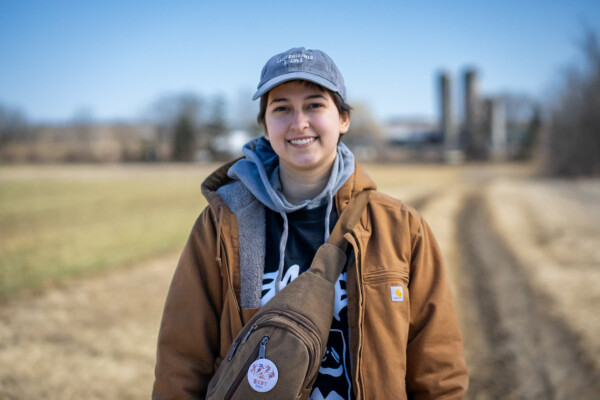
These farmers are not looking to return to a romanticized, pre-industrial past. They are looking to build a high-tech, data-informed, and biologically rigorous future. They are the new architects of the American landscape, and their success will likely determine the health of our soil, the quality of our food, and the stability of our environment for decades to come. As the 2025 cohort prepares to graduate and return to their respective corners of the country, they carry with them more than just farming skills; they carry a blueprint for a world that is designed to regenerate rather than extract.



 Siti Muinah
