

 Dwi Wanna
 Nana Wu
 Muslim
 Reynand Wu
 Ammar Sabilarrohman
 Rifan Muazin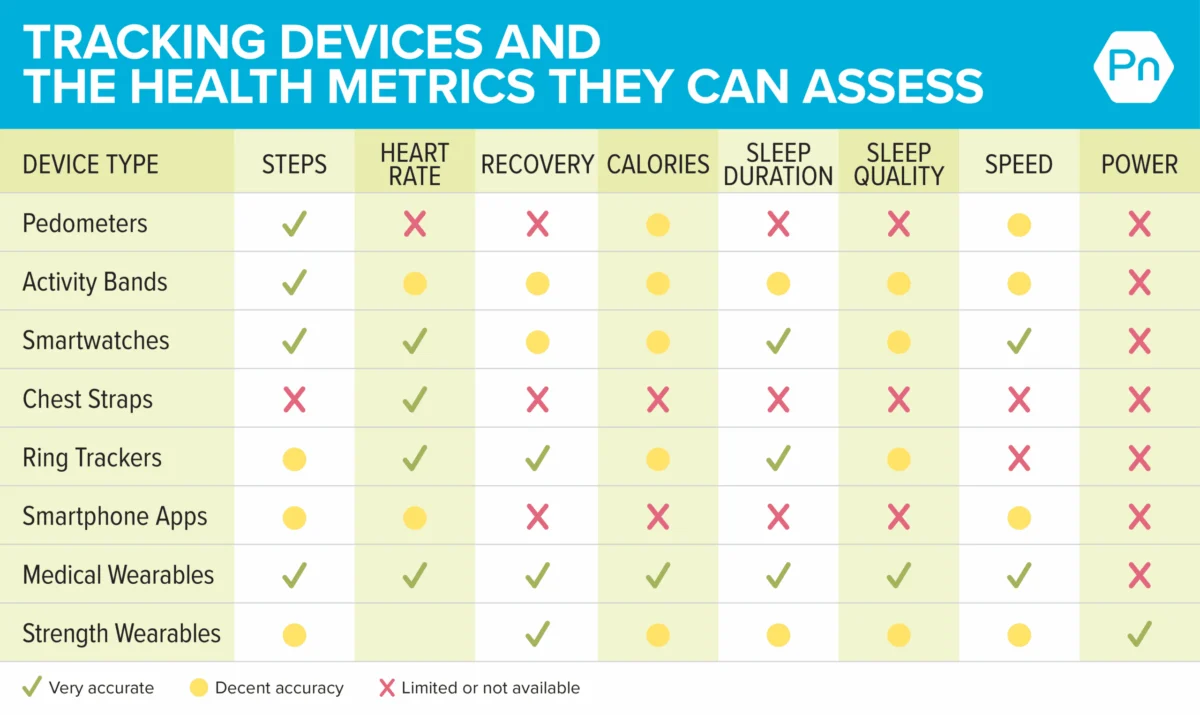
For most of human history, our ancestors navigated the complexities of health through an internal dashboard: the prickle of sweat, the rhythm of a heartbeat, the dull ache of muscle fatigue, and the gnawing sensation of hunger. Today, that biological feedback loop is increasingly being outsourced to sleek, silicon-based proxies. We no longer just "feel" fit; we demand data.
From smartwatches tracking sleep cycles to rings measuring blood oxygen, we are living in the age of the "Quantified Self." While these gadgets offer a tantalizing bridge between subjective sensation and objective reality, they also introduce a modern paradox: the more we measure, the less we seem to trust our own intuition.
The Evolution of Self-Assessment: From Intuition to Algorithms
The human body is an incredible instrument, but it is notoriously biased. We are prone to underestimating our caloric intake and overestimating our physical output. A famous anecdote regarding Canadian sprinter Ben Johnson illustrates the pinnacle of bodily awareness; he was reportedly able to call out his 100-meter sprint times within a tenth of a second of the official stopwatch readout.
However, for the vast majority of the population, such "outlier performance" is absent. We are prone to cognitive dissonance. Consider the case of the diligent dieter who maintains a strict regimen but fails to lose weight. Often, the culprit isn’t a faulty metabolism, but "hidden" calories—a colleague once discovered he was consuming an extra 500 calories a day simply through liberal applications of barbecue sauce.
Technology offers a corrective lens for these blind spots. By providing cold, hard data, trackers allow us to calibrate our perceptions. Yet, the challenge remains: How do we use these tools to make better decisions without becoming slaves to the screen?
Data Reliability: Not All Metrics Are Created Equal
A critical first step in the "quantified" journey is acknowledging that not all data is created equal. The hardware inside a $400 smartwatch and a $50 fitness band varies significantly in terms of sensor sensitivity, software algorithms, and the datasets used to interpret raw input.
According to industry standards, heart rate and step-count data have reached a high level of maturity and reliability. Conversely, more complex metrics—such as "calories burned," "readiness scores," or "movement velocity"—often carry substantial margins of error. These metrics are estimates, not absolute truths. Relying on an estimated "calorie burn" to justify a post-workout binge is a common pitfall that ignores the nuance of metabolic individuality.
The Paradox of Information: Finding the "Sweet Spot"
There is a distinct, inverted U-shaped relationship between information and decision-making quality. When we have too little information, we are left guessing; when we have too much, we suffer from "analysis paralysis."

Computer scientist Samantha Kleinberg, an expert in human decision-making, has noted that even a small amount of redundant information can significantly degrade our ability to make clear choices. We see this in everyday life—from the struggle to pick a restaurant among hundreds of reviews to the confusion of a fitness enthusiast tracking fourteen different health markers.
To determine if your tracking habits are serving you, consider the "Sweet Spot" test. If your tracking is increasing your stress levels—such as worrying about a low sleep score despite feeling well-rested—you have moved past the peak of the curve into the territory of diminishing returns.
Sign #1: Validating Your Method vs. Increasing Stress
For some, data is a source of immense relief. Take the story of "Zak," a high-performing athlete who struggled to trust that low-intensity "Zone 2" training was effective because it didn’t feel like a "grind." When he used a heart rate monitor to track his progress, he saw his resting heart rate drop and his recovery times improve. The data provided the validation he needed to stay the course.
Conversely, for those in high-stress life phases—such as new parents dealing with chronic sleep deprivation—tracking a "poor sleep score" can create a feedback loop of anxiety. When a metric is beyond your immediate control, tracking it ceases to be a tool for optimization and becomes a source of unnecessary psychological burden.
Sign #2: Enhancing Motivation vs. Obsessive Burnout
Behavior change requires three pillars: motivation, ability, and a prompt. Trackers are exceptional at providing the prompt. When a client realizes that a glass of wine negatively impacts their REM sleep—as evidenced by their wearable device—the "why" behind their behavior change becomes undeniable.
However, there is a dark side: the "gamification" of health. When a cyclist becomes more obsessed with beating their personal records on a leaderboard than with the actual experience of riding, they risk burnout. If the workout becomes a performance for the app rather than a service to the body, the tool has failed.
Sign #3: Understanding Potential vs. Disconnection
Data can reveal our true capacity, showing us when we are coasting and when we are overreaching. In high-intensity interval training (HIIT), recovery periods are often guessed. Heart rate data can turn these guesses into precise, individualized recovery windows, preventing "junk volume" that accumulates fatigue without improving performance.
The risk, however, is an over-reliance that leads to "The Great MyFitnessPal Blackout" effect. This refers to the panic experienced by users when an app goes down, revealing a total disconnection from their internal hunger and satiety cues. When the digital mirror breaks, they find themselves unable to gauge their own health.

Three Strategies for Mindful Tracking
To bridge the gap between technology and intuition, follow these three protocols:
1. Check in Before You Check the Data
Before you glance at your watch after a run, ask yourself: How do my legs feel? Was that hard or moderate? How is my breathing? By making your own assessment first, you create a baseline. When you later compare it to the data, you calibrate your own internal sensors, gradually improving your ability to "feel" your body’s needs without digital help.
2. Use Mental Shortcuts for Calibration
Instead of relying on complex sensors to tell you if you are at "failure" in a lift, use internal prompts. Ask yourself, "If I had to do this for a million dollars, how many more reps could I do?" This leverages Rate of Perceived Exertion (RPE), a highly validated sensory-driven approach that, when combined with occasional data checks, becomes a powerful tool for self-mastery.
3. Honor Your Built-in "Sensors"
Humans possess a sophisticated array of internal sensors: proprioception (knowing where your body is in space), interoception (sensing internal states like heartbeat and hunger), and vestibular balance. These are billions of years in the making. Use technology to supplement these senses, not to replace them.
Implications for the Future of Wellness
The future of health technology is not in "more data," but in "better context." As we move forward, the most successful individuals will be those who treat their trackers like a consultant, not a commander.
The goal is to cultivate a "resilient practice." Whether you are an athlete looking for peak performance or an individual simply trying to improve your quality of life, the objective remains the same: a life of mindfulness, mastery, and meaning. Objective metrics are merely the signposts along the journey. Ultimately, the best tracker is the one that reminds you to look up, breathe, and trust the body that has carried you this far.
References & Further Reading
To maintain the integrity of these insights, we rely on a combination of behavioral psychology, sports science, and physiological research. For a deeper dive into the accuracy of specific trackers and the psychological impact of digital health monitoring, please consult the full list of sources available via our [Reference Database].


 Nila Kartika Wati
 Iffa Jayyana
