

 Ali Ikhwan

 Iffa Jayyana

 Muslim

 Nana

 Dwi Wanna
 Siti Muinah
Introduction: A New Paradigm for Health
In the wake of the global health challenges that defined the transition from 2020 to 2021, the collective focus on human health has undergone a profound shift. While the COVID-19 pandemic brought to the forefront the immediate vulnerabilities of the global population—ranging from food insecurity and income instability to the pervasive, often silent, burden of emotional distress—it also served as a catalyst for a broader inquiry into the foundations of well-being.
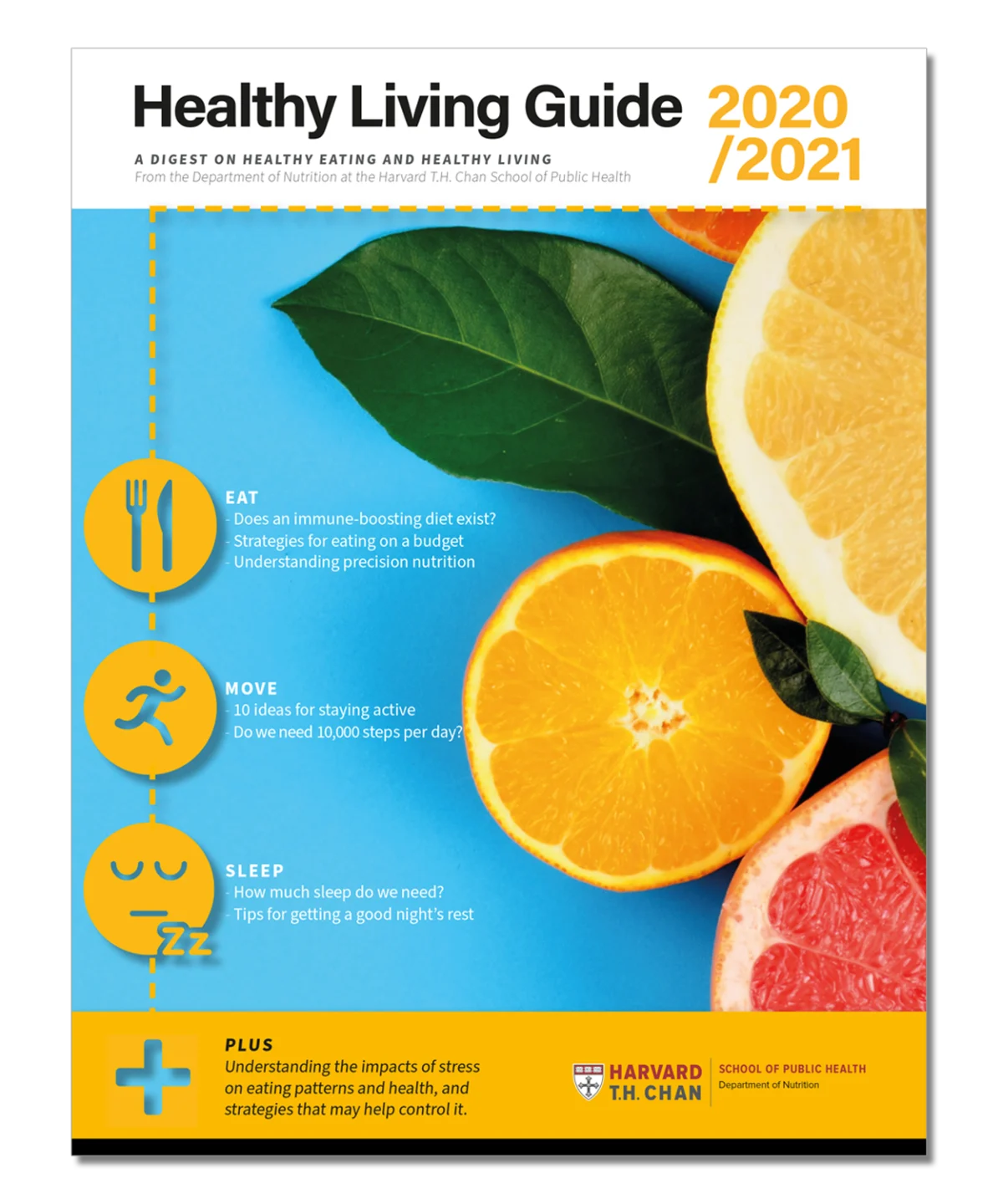
Harvard T.H. Chan School of Public Health has responded to these challenges by releasing the Healthy Living Guide, a comprehensive resource designed to bridge the gap between abstract health goals and actionable daily habits. As we navigate a world that continues to demand resilience, the importance of foundational lifestyle choices has never been more critical.
Main Facts: The Five Pillars of Longevity
The core philosophy of the Harvard Healthy Living Guide rests on the empirical evidence surrounding five fundamental lifestyle habits. These pillars are not merely recommendations; they are scientifically validated pathways to extending not just the quantity of life, but the quality of it.
The five habits identified are:
- A Nutrient-Dense Diet: Moving away from processed foods toward whole, plant-forward nutrition.
- Regular Physical Activity: Engaging in consistent, moderate-to-vigorous exercise.
- Maintenance of Healthy Body Weight: Achieving and maintaining a weight range that minimizes systemic inflammation and metabolic stress.
- Moderate Alcohol Consumption: Limiting intake to mitigate long-term systemic damage.
- Tobacco Abstinence: The total avoidance of smoking, which remains the single most impactful change one can make for cardiovascular and respiratory health.
Research consistently demonstrates that individuals who adhere to these five habits live more than a decade longer than those who do not. Furthermore, the implications extend beyond mere survival; these practices are directly linked to the compression of morbidity—the phenomenon of living more years free from chronic diseases such as type 2 diabetes, cardiovascular disease, and various forms of cancer.
Chronology of a Health Crisis
To understand the necessity of this guide, one must look at the timeline of the 2020-2021 health crisis:
- Early 2020: The emergence of COVID-19 disrupted global food supply chains, creating localized food deserts and limiting access to fresh, healthy produce for vulnerable populations.
- Mid-2020: As lockdowns and social distancing became the norm, sedentary behavior increased significantly. The “quarantine lifestyle” led to widespread reports of weight gain and a surge in mental health issues, including anxiety and depression.
- Late 2020: The scientific community began to reconcile the immediate threat of the pandemic with the long-term reality of lifestyle-related chronic conditions. It became clear that while no specific diet could “cure” COVID-19, the state of one’s baseline immune function—supported by lifestyle—was a critical variable in health outcomes.
- Early 2021: The launch of the Healthy Living Guide marked a strategic pivot toward empowering individuals to take personal responsibility for their health in an era where institutional health systems were stretched to their breaking point.
Supporting Data: The Science of Habitual Health
The data supporting these lifestyle shifts is robust. Longitudinal studies conducted by researchers at Harvard have tracked thousands of individuals over several decades, providing a granular view of how small, consistent changes manifest in long-term health outcomes.
The Impact on Chronic Disease
Studies have found that adults who adopt these five key habits during middle age experience a dramatic reduction in the incidence of major chronic diseases. The risk of developing type 2 diabetes is reduced by as much as 80% for those who maintain a healthy BMI and engage in regular exercise. Similarly, cardiovascular disease risk—the leading cause of death globally—sees a marked decline when dietary habits are shifted toward heart-healthy fats and whole grains.
The Immunity Connection
While the discourse around immunity often focuses on supplements or "superfoods," the reality is more foundational. A strong immune system is built on the cumulative effect of low systemic inflammation, which is achieved through the very habits listed in the guide. Chronic inflammation, often caused by poor diet and inactivity, can "exhaust" the immune system, leaving it less capable of responding to acute threats, such as viral infections.
Official Responses and Strategic Guidance
In response to the pervasive uncertainty of the pandemic, public health experts have shifted their tone. The traditional "command and control" style of health advice has been replaced by a more supportive, strategy-oriented approach.
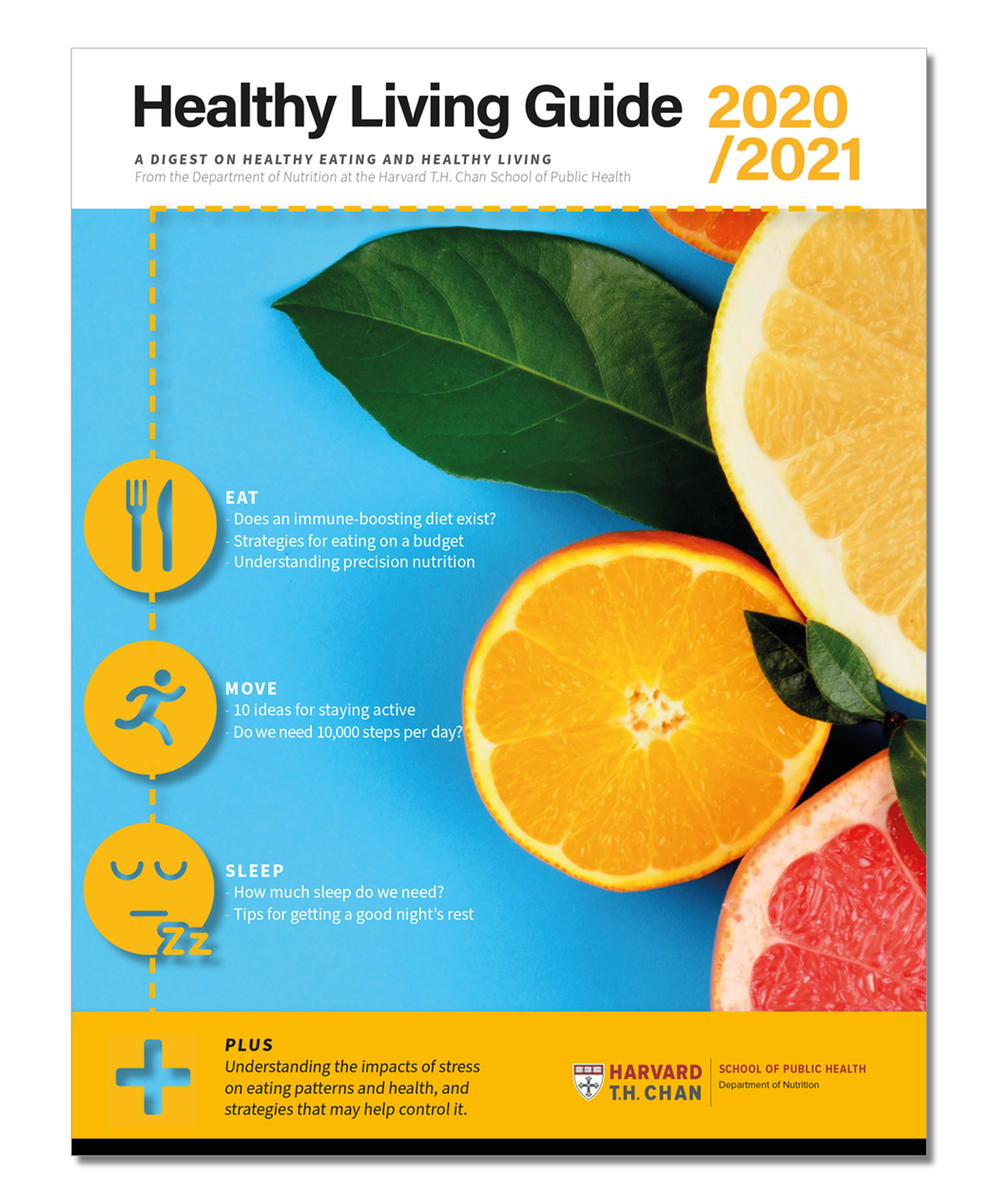
The Healthy Living Guide is not a restrictive regimen. Instead, it acts as a toolkit. It includes:
- Printable Tip Sheets: Designed to simplify the transition to healthy eating for busy families.
- The Healthy Living Bingo Challenge: A gamified approach to behavioral change that encourages users to tick off daily milestones, such as "tried a new vegetable" or "took a 30-minute brisk walk."
- Strategic Summaries: Concise breakdowns of complex nutritional science, making the information accessible to non-experts.
The goal, according to the contributors at the Harvard T.H. Chan School of Public Health, is to facilitate "small wins." By encouraging individuals to experiment with new recipes or pick up a fulfilling hobby, the guide promotes a psychological shift: health is not a chore to be completed, but a sustainable way of living that can offer enjoyment during even the most difficult times.
Implications: Building a Resilient Future
The implications of the Healthy Living Guide extend far beyond the pandemic. As society moves into a post-pandemic era, the lessons learned remain essential.
Economic Implications
Chronic diseases place an immense burden on global economies, straining healthcare budgets and reducing workforce productivity. If a significant percentage of the population were to adopt even three of the five key habits, the economic savings for healthcare systems would be measured in the trillions of dollars.
Social and Emotional Well-being
The guide acknowledges that health is holistic. By addressing the "emotional distress" caused by the pandemic, the guide suggests that physical health and mental well-being are inextricably linked. Exercise is not just about weight management; it is a primary tool for mood regulation. Nutrition is not just about fuel; it is about providing the brain with the nutrients required for cognitive function and emotional stability.
The Role of Personal Agency
Perhaps the most significant takeaway from the guide is the return of agency to the individual. In a world where many factors—such as policy, economy, and viral spread—are out of our control, focusing on the five pillars provides a sense of purpose and stability.
Conclusion: A Call to Action
The Healthy Living Guide serves as a poignant reminder that while we cannot always control the environment in which we live, we retain significant power over how our bodies navigate that environment.
By integrating these evidence-based habits into our daily routines, we are doing more than just protecting ourselves against the risks of today; we are investing in the health of our future selves. Whether through the gamification of the Bingo Challenge or the practical application of the printable tip sheets, the journey to a longer, healthier life begins with a single, intentional choice.
As the guide emphasizes: "Do what you can." In the pursuit of longevity, consistency beats perfection every time. As we continue to move forward, let us choose habits that prioritize not just the absence of disease, but the presence of vibrant, enduring health.
For those interested in beginning their journey, the printable Healthy Living Guide (PDF) and the full library of supporting articles are available via the Harvard T.H. Chan School of Public Health’s Nutrition Source website.

 Nana Muazin

 Evan Lee Salim

