

 Dwi Wanna
 Nana Wu
 Muslim
 Reynand Wu
 Ammar Sabilarrohman
 Suro Senen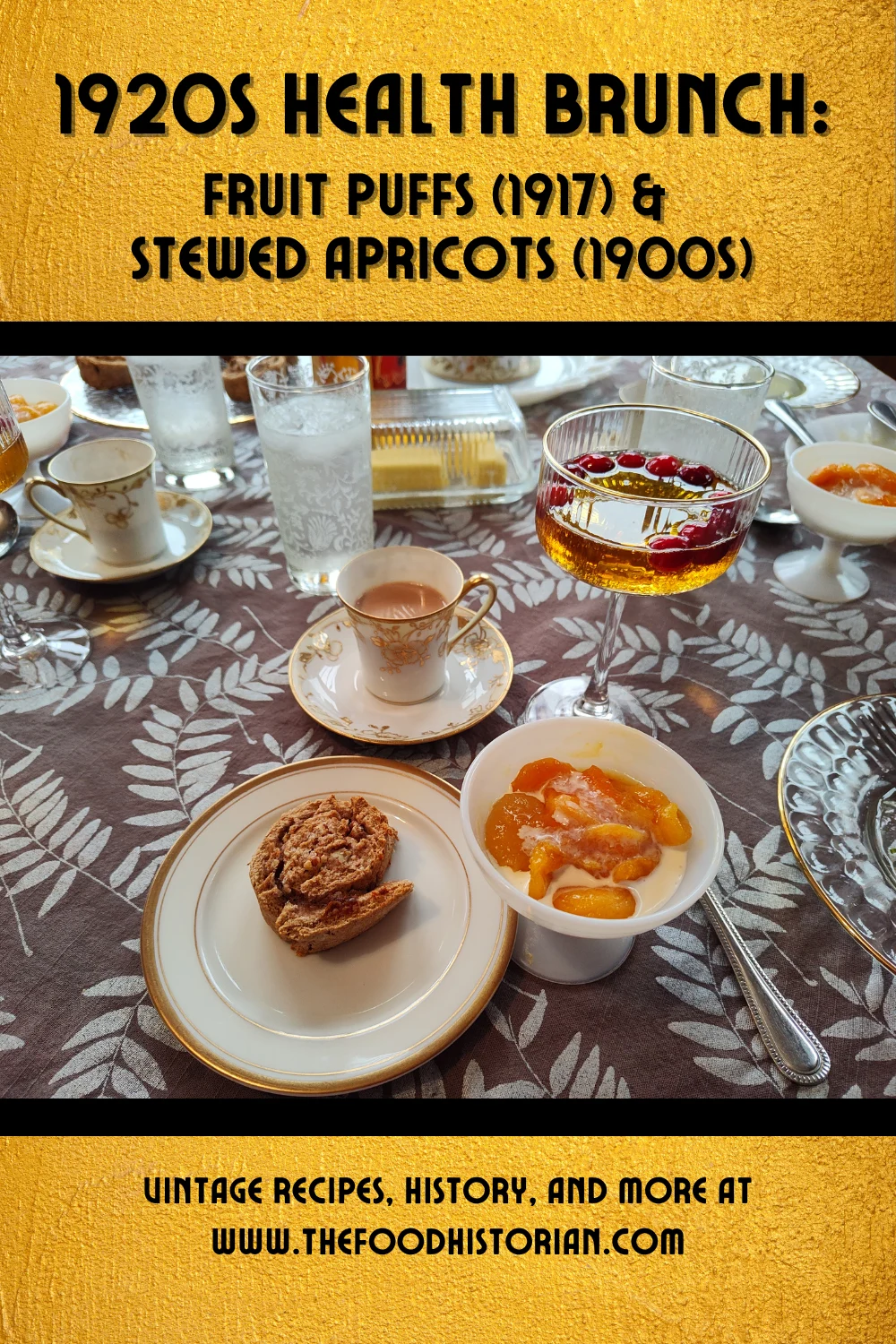
Introduction: A Culinary Retrospective
As the dawn of 2025 brings a renewed focus on holistic wellness, it is instructive to look back a century to the 1920s—a decade where the foundation of modern dietary science was being laid amidst a rapidly industrializing food landscape. Our exploration of the "1920s Health Brunch" concludes with a focus on two historical staples: Fruit Puffs and Stewed Apricots. These dishes, once lauded by home economists and health reformers as solutions to the pervasive digestive ailments of the early 20th century, offer a fascinating window into how our ancestors navigated the tension between indulgence and nutrition.
Main Facts: The Intersection of Sugar, Science, and Digestion
In the early 1900s, the American palate was undergoing a seismic shift. Nutrition science was in its infancy; the caloric value of food had only recently been quantified, and the complex roles of vitamins remained largely mysterious until the 1910s. Consequently, sugar was often misunderstood. Many nutritionists of the era viewed refined white sugar as a pure carbohydrate, essential for fueling the labor-intensive lifestyles of the day, rather than a precursor to metabolic imbalance.
This era also saw the rise of the Temperance movement, which inadvertently nudged the public toward sugar as a substitute for alcohol. Yet, not all health experts were convinced. John Harvey Kellogg, a prominent, albeit controversial, health reformer, stood in stark opposition to the increasing prevalence of sugar in processed foods—a stance that famously fractured his relationship with his brother, Will Kellogg, the titan behind the corn flake empire.

Chronology: The Evolution of Fruit as a Health Commodity
The transformation of dried fruit from a pantry staple to a "health food" icon is a uniquely Californian story. The mid-19th to early 20th century saw the development of massive agricultural cooperatives that reshaped the American diet.
- 1850s: Commercial production of prunes and apricots begins in the Santa Clara Valley, laying the groundwork for California’s agricultural dominance.
- 1870s: The San Joaquin Valley sees the rise of commercial raisin production, spurred by the introduction of the "Thompson Seedless" grape.
- 1893–1907: The Southern California Fruit Exchange is established, eventually rebranding as the "Sunkist" powerhouse in 1907, standardizing citrus consumption.
- 1912–1917: The creation of the California Associated Raisin Company (Sun-Maid) and the California Prune and Apricot Growers Association (Sunsweet) solidifies the brand-name era of healthy snacking.
- Early 1900s: The Coachella Valley begins its foray into date cultivation, marking the final piece of California’s dried fruit puzzle.
Supporting Data: The Digestive Crisis of the 20th Century
The early 1900s were marked by a widespread cultural anxiety regarding digestion. Dyspepsia and chronic constipation were the common complaints of the day. Because medical professionals had not yet identified the full spectrum of micronutrients, they categorized food into three pillars: carbohydrates, protein, and fat.
Vegetables and fruits were frequently relegated to the status of "filler foods," prized almost exclusively for their "roughage." In this climate, milk was heralded as the "perfect food" because it offered a balanced trifecta of the three known pillars. Consequently, the push for whole grains and dried fruits—prunes, figs, raisins, and apricots—became a primary directive for home economists. These items were not merely ingredients; they were prescribed remedies for a nation suffering from the sedentary consequences of the Industrial Revolution and the poor fiber content of refined wheat diets.

The First World War and Dietary Shifts
The onset of the First World War accelerated these dietary changes. With refined white flour prioritized for military rations, the American public was encouraged to go "wheatless." This necessity birthed a resurgence in the use of cornmeal, rye, barley, and oats.
This period serves as the context for our featured recipe: Fruit Puffs (1917), sourced from Robert Addison Harrison’s The National Food and Health Book. Published in Lincoln, Nebraska, this manual was designed to help the home front manage food conservation. It represents a fascinating moment where "economical recipes" converged with the burgeoning interest in whole grains, providing a template for meals that were both thrifty and "health-conscious" by the standards of 1917.
Practical Analysis: Recreating the 1917 Fruit Puff
The 1917 Fruit Puffs recipe, while intended to be a healthful treat, highlights the perils of adapting historic recipes without modern culinary adjustments. The original text—written in a dense paragraph format—called for a mix of flour, baking powder, salt, butter, milk, dates, nuts, sugar, and cinnamon.

The Adaptation Challenge
When recreating this recipe today, one must account for the difference between the flour of 1917 and modern whole wheat flour. Modern whole wheat, being more absorbent than the refined or lightly processed flours of the early 20th century, requires additional hydration. The failure of the initial test batch—resulting in a "dry biscuit pinwheel"—serves as a reminder that baking is as much about chemistry as it is about history. To achieve the intended "puff," one would be advised to increase the milk content and be wary of over-kneading the dough, ensuring a softer, more delicate texture.
Implications: The Legacy of the Health Brunch
The modern obsession with "superfoods" and "clean eating" finds its direct ancestor in the 1920s health movement. The persistence of the prune’s reputation as a digestive aid and the continued popularity of the oatmeal-raisin cookie as a "healthier" alternative to chocolate chip are direct legacies of this era’s marketing and medical discourse.
The 1920s Health Brunch, therefore, was not merely a collection of vintage recipes; it was an experiment in lifestyle reform. It showcased how society attempts to sanitize indulgence—turning cookies into "puffs" and stewed fruit into a substitute for pie.

Insights from the 1920s Menu
- The Power of Simplicity: Stewed apricots, requiring only water and fruit, represent the endurance of "clean" ingredients. By pairing them with heavy cream, the 1920s diner achieved a dessert that was both satisfying and perceived as medically sound.
- The Industrialization of Health: The success of the "Sunkist" and "Sun-Maid" brands demonstrates how effectively the early 20th century integrated agricultural products into the national consciousness as essential health items.
- The Resilience of Tradition: Despite the rise of fast-paced, processed food, the desire to return to "whole" ingredients—grains, dried fruits, and home-cooked meals—remains a cornerstone of the modern culinary experience.
Conclusion: A Toast to 2025
As we reflect on the 1920s Health Brunch, we find that while our understanding of nutrition has evolved—we now prioritize gut health through microbiomes rather than just "roughage," and we understand the role of fiber far more clearly—the fundamental human desire for a "sweet treat" that does not sacrifice our health remains constant.
Whether it is the simplicity of stewed apricots or the historical charm of 1917 Fruit Puffs, these dishes remind us that the history of what we eat is inextricably linked to the history of how we live. As we step further into 2025, we continue the century-old tradition of seeking balance in the kitchen, proving that while our scientific knowledge has changed, the comfort of a well-prepared, thoughtful meal is timeless.


 Lina Hope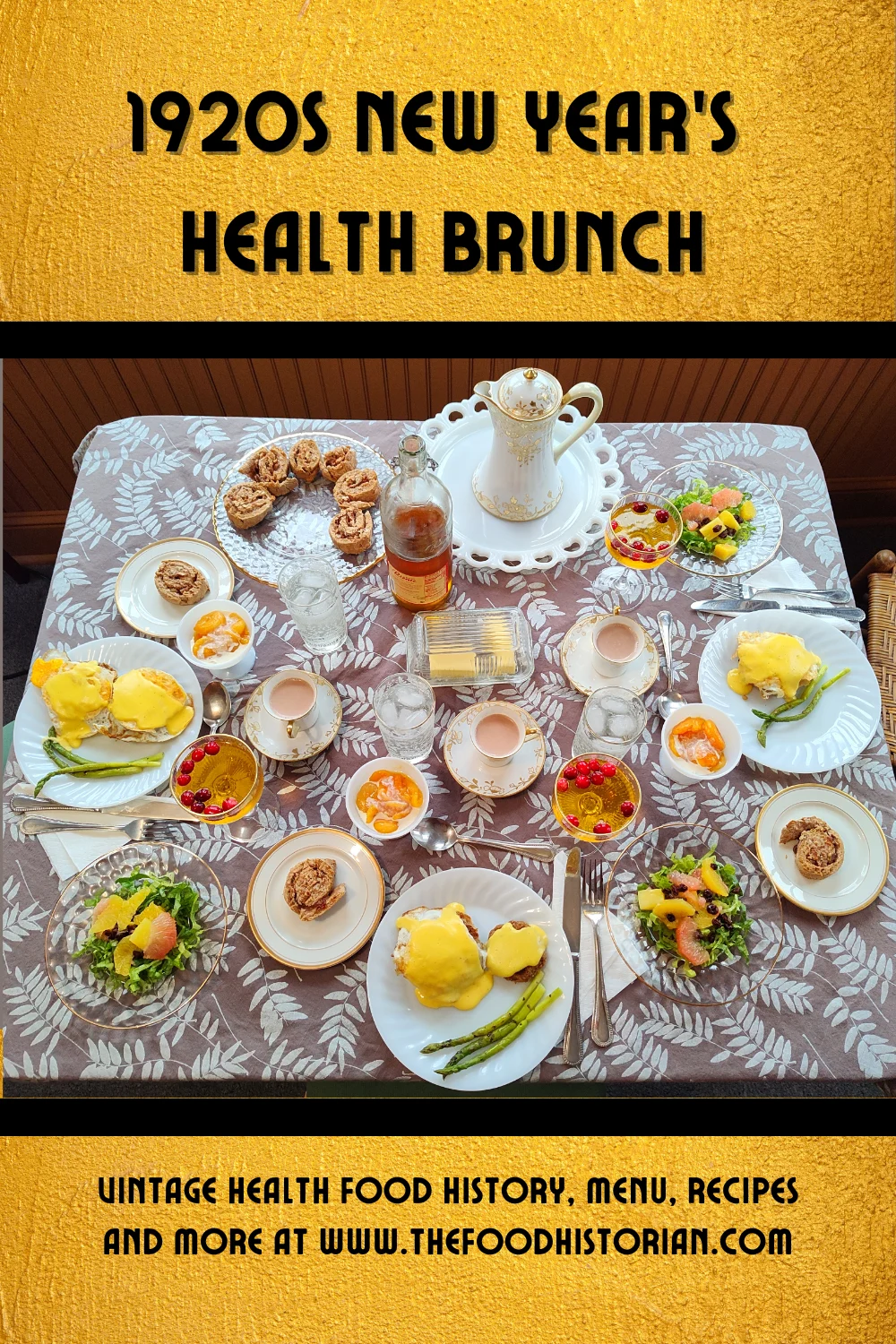
 Lina Irawan