

 Ali Ikhwan

 Iffa Jayyana

 Muslim

 Nana

 Dwi Wanna
 Basiran
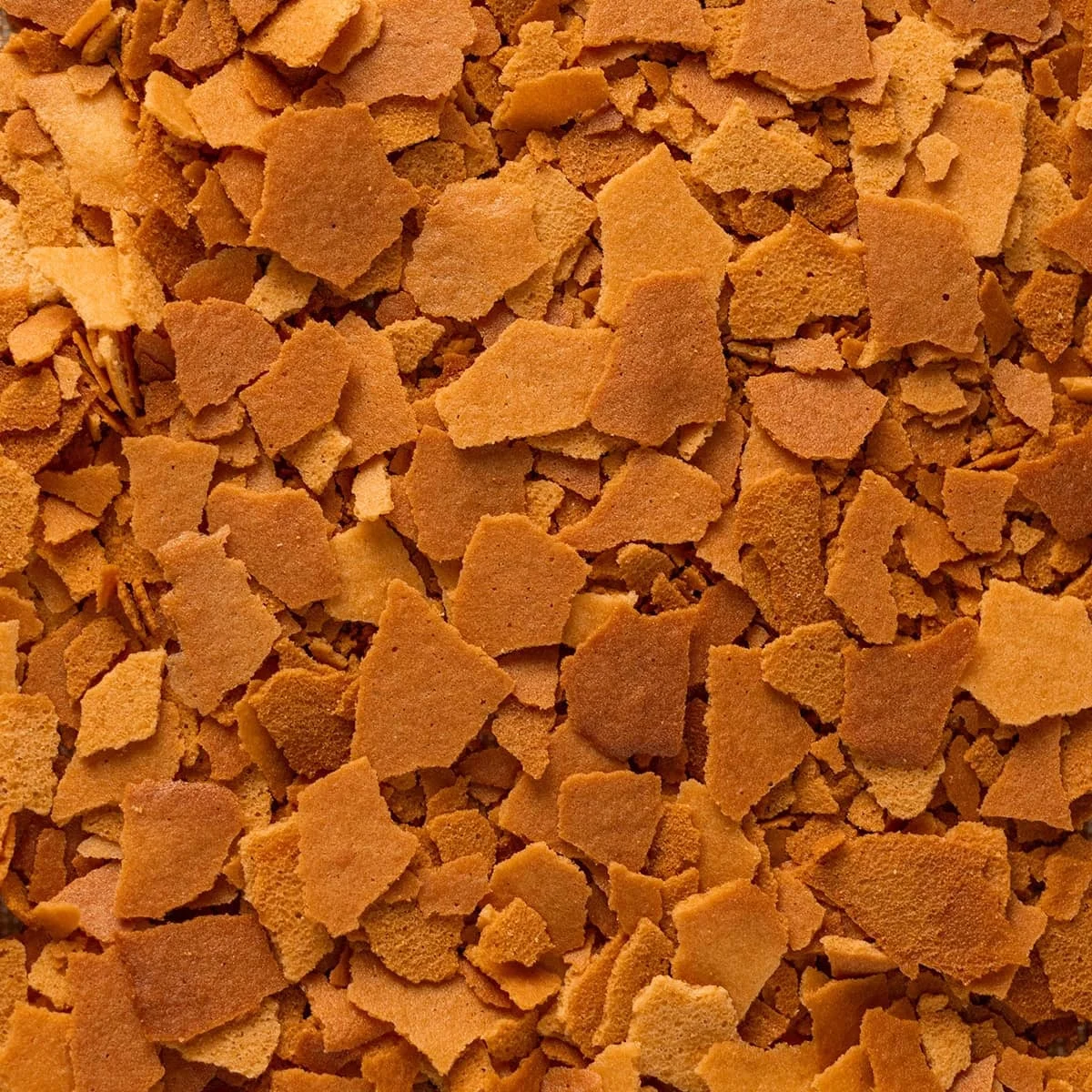
In the high-stakes world of professional pastry, the difference between a good dessert and an unforgettable one often comes down to a single, elusive element: texture. While professional chefs have long relied on a delicate, golden ingredient known as feuilletine to provide that signature "shatter" in high-end gateaux and pralines, it has remained a somewhat mysterious component for the home baker.
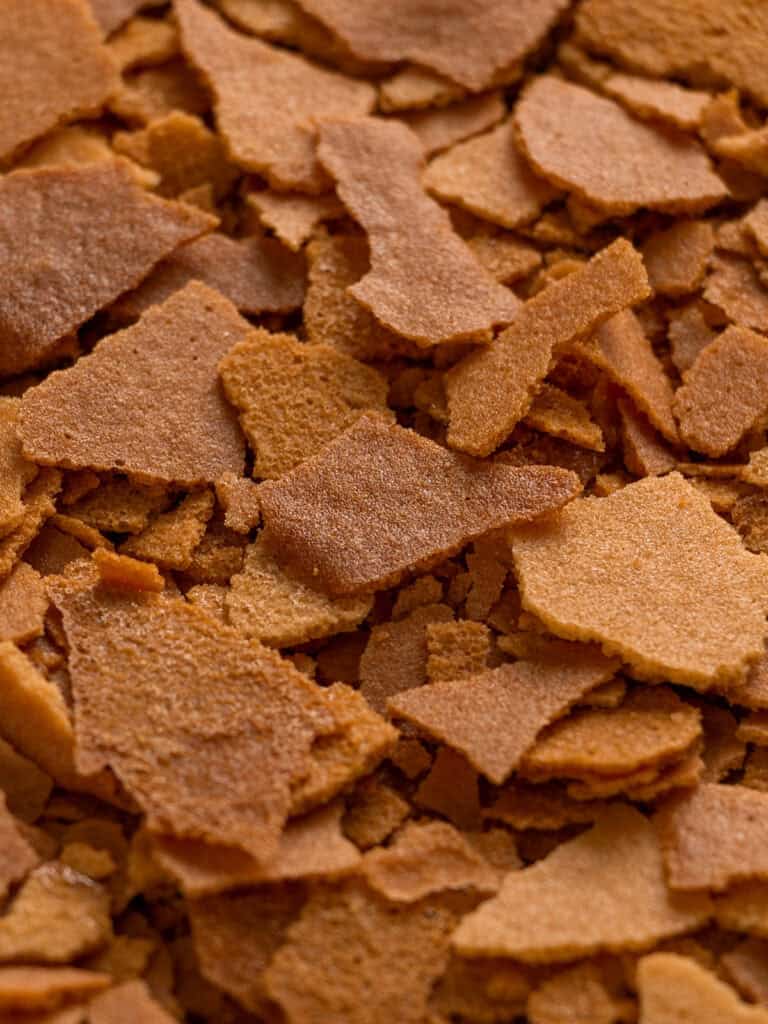
Known scientifically as pailleté feuilletine, this ingredient consists of paper-thin, caramelized wafer flakes. Despite its sophisticated French name and its prevalence in Michelin-starred kitchens, the reality of its production is surprisingly accessible. For those looking to elevate their kitchen game, understanding how to craft and utilize these crispy shards is the ultimate secret weapon.
Main Facts: What is Feuilletine?
At its core, feuilletine is essentially a crêpe dentelle—a delicate, butter-rich, crispy crêpe that has been baked until it is ultra-thin and shattered into irregular, golden-brown shards. Its primary purpose in the culinary arts is to provide a textural contrast that remains stable even when incorporated into moisture-rich environments like chocolate ganache, praline pastes, or mousse.
Unlike standard cookies or nuts, which soften when exposed to the oils and moisture found in fillings, feuilletine possesses a unique structural integrity. This "fat-based" stability is the hallmark of the ingredient; it allows chefs to create crunchy layers inside delicate chocolate bonbons or decadent tarts without sacrificing the crispness that defines the dessert’s mouthfeel.
Beyond its structural utility, it imparts a subtle, toasted, caramelized flavor profile that complements dark and milk chocolates, roasted hazelnut pastes, and even light fruit-based assemblies.
A Chronological Evolution: From French Confection to Global Pantry
The history of feuilletine is rooted in the tradition of Brittany, France, where thin, crispy crêpes have been a staple for centuries.
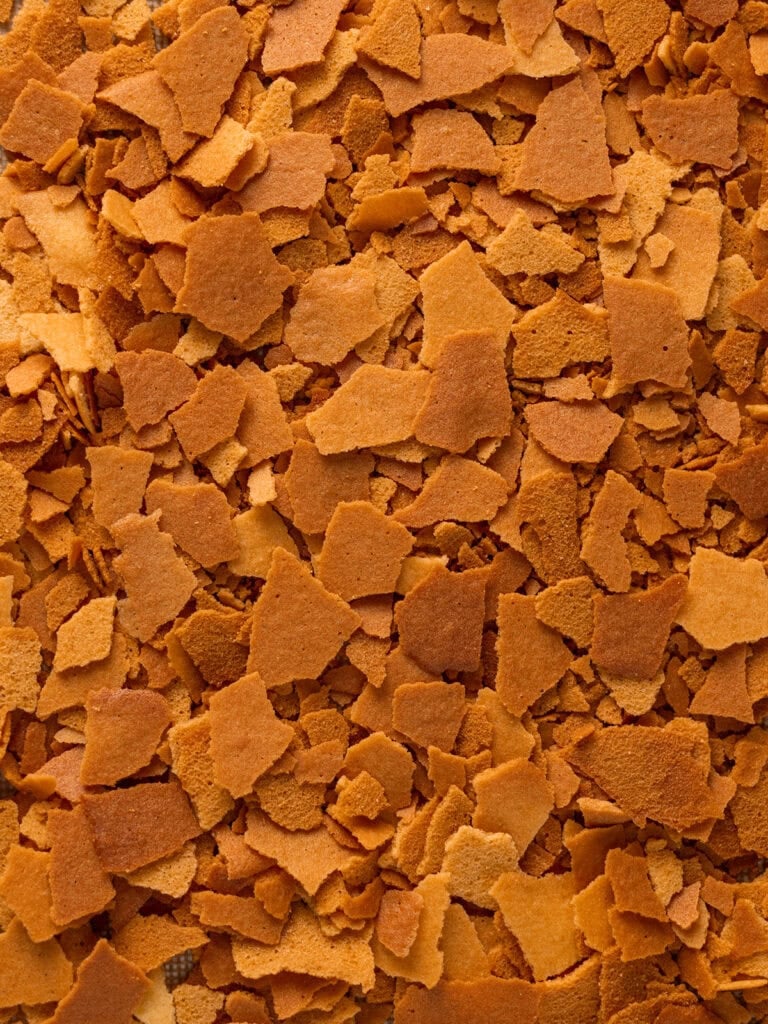
- 19th Century Origins: The technique evolved from the crêpe dentelle (lace crêpe). Traditionally, these were delicate, rolled biscuits meant to be served alongside coffee or ice cream.
- The Mid-20th Century Shift: As French pastry moved toward the intricate entremets and complex entremets displays that define modern patisserie, chefs began looking for ways to maintain crunch in refrigerated desserts. The crumbling of these lace crêpes became a standard professional technique.
- The Modern Commercial Era: Recognizing the demand, professional baking suppliers began mass-producing "pailleté feuilletine." For decades, this was an ingredient largely restricted to professional kitchens, sold in bulk bags that were rarely accessible to the average home cook.
- The "Scranline" Revolution: Recently, social media and digital platforms—spearheaded by baking influencers like Nick from The Scranline—have brought this once-esoteric technique into the home kitchen. By demystifying the process, creators are proving that one does not need a commercial kitchen to produce high-quality, professional-grade textural components.
Supporting Data: Why Texture Matters in Gastronomy
The obsession with "mouthfeel" is not merely an aesthetic preference; it is a neurological response. According to sensory science, the contrast between soft and crunchy textures increases the pleasure derived from food consumption.
- Moisture Migration Management: One of the greatest challenges in confectionery is preventing the "soggy" effect. Feuilletine acts as a barrier, provided it is properly coated in fat (like tempered chocolate or gianduja). Because the flakes are essentially dehydrated, they resist the migration of moisture from surrounding creams or custards for a significantly longer period than conventional pastry components.
- Caloric and Nutritional Profile: While feuilletine is a luxury ingredient, it is worth noting its composition. A typical batch is calorie-dense, largely due to the combination of butter, flour, and sugar. With approximately 929 kcal per batch, it is designed for moderation. It is high in carbohydrates and fats, providing a burst of energy that is characteristic of fine pastry.
- Storage and Stability: Because the primary enemy of feuilletine is humidity, storage is critical. Data suggests that exposed to ambient air for more than a few hours, the sugar content begins to absorb moisture from the atmosphere, leading to a loss of crunch. Airtight, vacuum-sealed storage can extend the shelf life of homemade feuilletine to upwards of two weeks, provided the temperature remains cool and stable.
Professional Perspectives and Culinary Applications
We spoke with culinary experts who emphasize that feuilletine is the bridge between a home-baked tart and a bakery-quality masterpiece.
"When you take a bite of a Ferrero Rocher-inspired dessert, the reason your brain registers ‘premium’ is the distinct, sharp snap of the wafer against the creamy hazelnut chocolate," says one industry consultant. "If you use a standard wafer, it goes soft in minutes. Feuilletine is chemically engineered by way of heat and fat to stay crispy. That is the difference."
Common Culinary Uses:
- Praliné Feuilletine: The most iconic use. Mixing crushed feuilletine with melted chocolate and hazelnut paste creates a "crunch layer" that is the base for many classic French cakes.
- Chocolate Bonbons: A small spoonful of tempered chocolate mixed with feuilletine placed at the bottom of a molded chocolate shell provides a sophisticated crunch.
- Ice Cream Mix-ins: Because it is so thin, it does not become an icy, hard lump in the freezer, making it an ideal texture additive for gourmet ice cream.
- Morning Additions: While unconventional, some home bakers have adopted the practice of using it as a crunchy topper for yogurt or breakfast bowls, citing its delicate, caramelized flavor as a healthier alternative to sugar-coated cereals.
Implications for the Home Baker: Accessibility and Technique
The most significant implication of the "feuilletine at home" movement is the democratization of professional pastry. Historically, home bakers were forced to substitute feuilletine with crushed cornflakes or ice cream cones—substitutions that often led to disappointment due to their inferior flavor and lack of structural stability.
The "Satisfaction" Factor
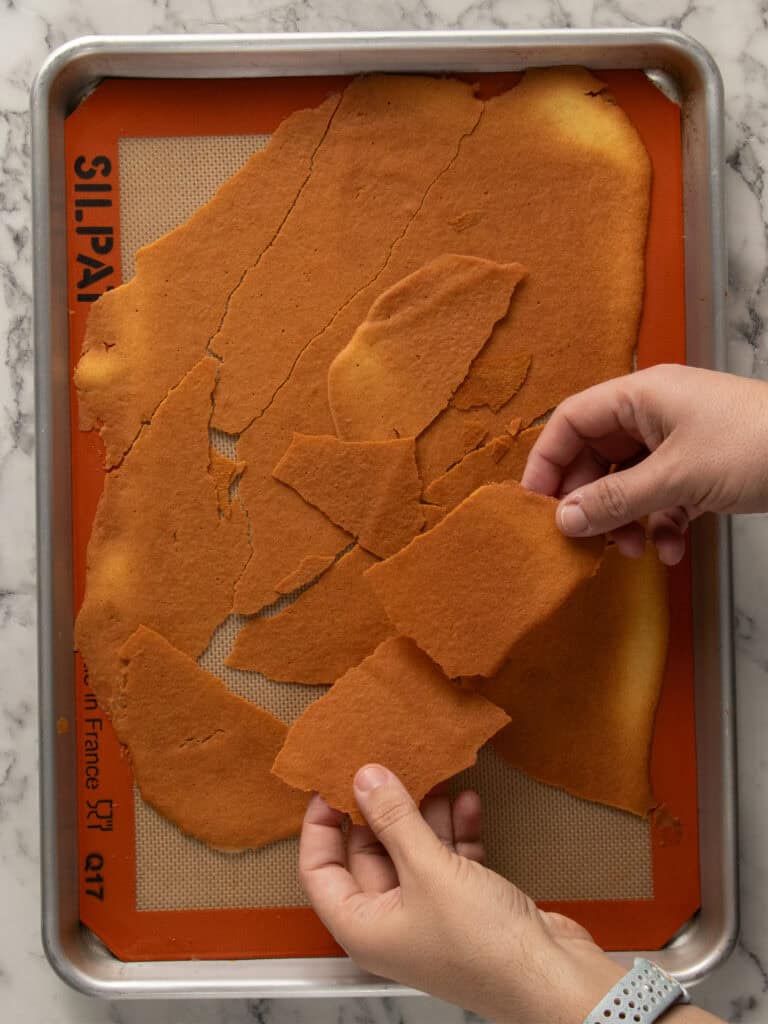
The process of making feuilletine is, as many home bakers note, uniquely therapeutic. It involves creating a batter, spreading it with extreme precision, baking it until golden, and then—the most satisfying part—manually crushing the fragile sheets. It is a tactile experience that bridges the gap between the scientific precision of baking and the creative joy of crafting.
Challenges to Consider
While the recipe is technically simple, it requires patience. The "thinness" is not a suggestion; it is a requirement. If the batter is spread too thick, the result is a biscuit rather than a flake. Furthermore, the heat management in the oven must be precise to ensure the caramelization occurs evenly without burning the thin edges.
Conclusion: A New Standard for Home Desserts
Feuilletine is more than just a list of ingredients; it is a fundamental pillar of modern dessert construction. By mastering the art of the wafer flake, home bakers can achieve a level of textural complexity that was previously the exclusive domain of professional pastry chefs.
Whether you are looking to replicate the complexity of a high-end chocolate tart or simply wish to experiment with new dimensions of crunch, feuilletine offers a path to elevate your culinary repertoire. As the baking community continues to share techniques and successes, the once-daunting "French secret" is now becoming a pantry staple, proving that with the right guidance, the most professional of results are well within the reach of any home kitchen.
Quick Reference: Storage and Best Practices
- Airtight is Non-Negotiable: Once cool, move to a sealed bag or container immediately.
- Moisture is the Enemy: Do not store in the refrigerator unless it is incorporated into a fat-based mixture (like chocolate); otherwise, the cold and humidity will ruin the texture.
- The Two-Week Rule: Properly stored, your homemade batches will remain perfectly crisp for up to 14 days, making it an excellent "make-ahead" component for weekend baking projects.
By integrating these techniques into your workflow, you move from merely following a recipe to understanding the mechanics of professional confectionery. The result? A dessert that doesn’t just taste professional—it feels like it.


