

 Raul Delapena Setiawan
 Ammar Sabilarrohman
 Lina Irawan
 Suro Senen
 Pevita Pearce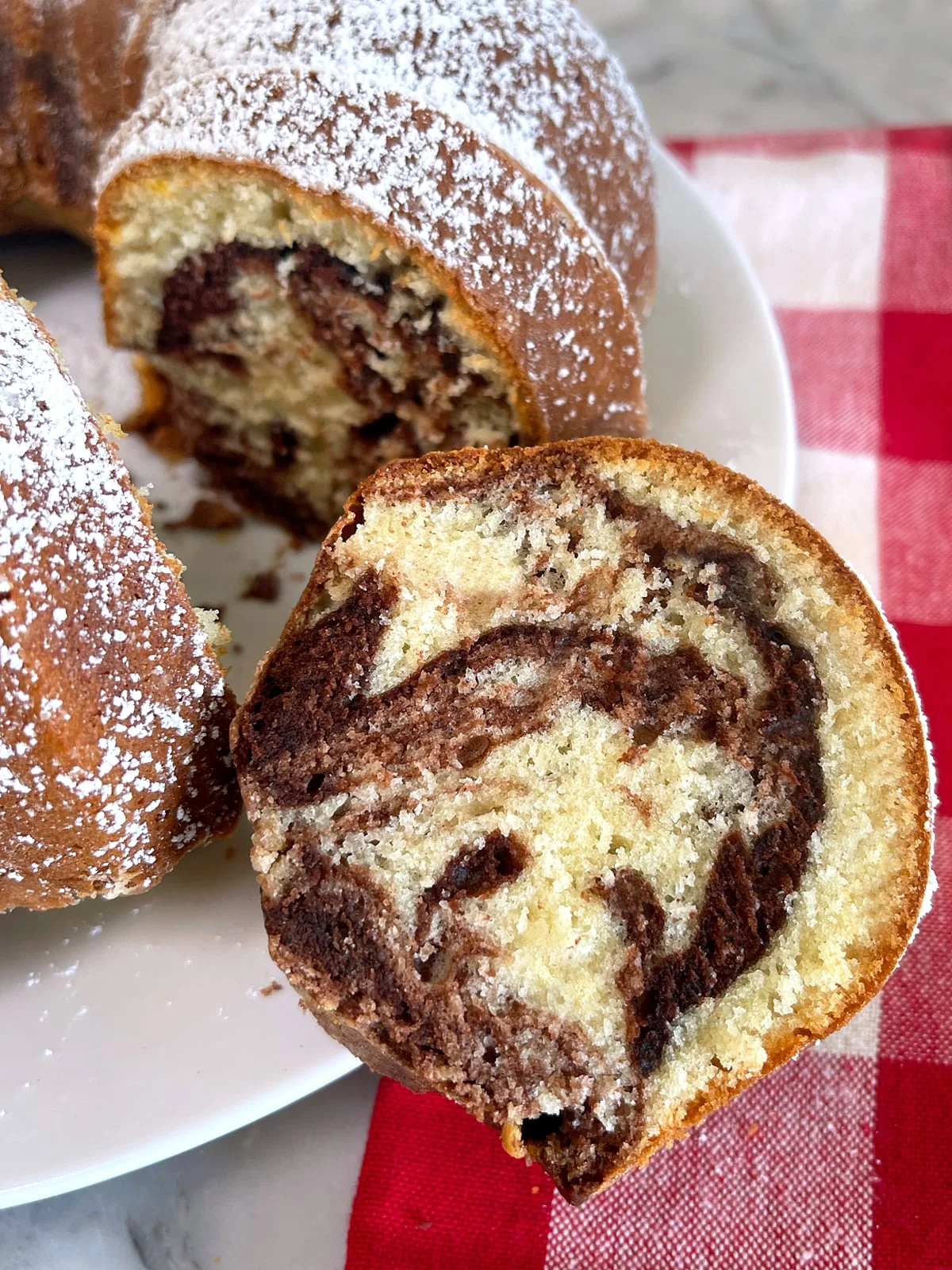
For generations, the scent of Marmorkuchen—a rich, buttery, dual-toned sponge—has served as the olfactory signature of the German household. More than just a dessert, this "marble cake" is a cultural touchstone, a staple of the time-honored Kaffee und Kuchen (coffee and cake) tradition, and a masterclass in culinary simplicity. As the world rediscovers the charm of nostalgic, home-baked goods, the Marmorkuchen stands out not merely as a recipe, but as a historical artifact of European baking evolution.
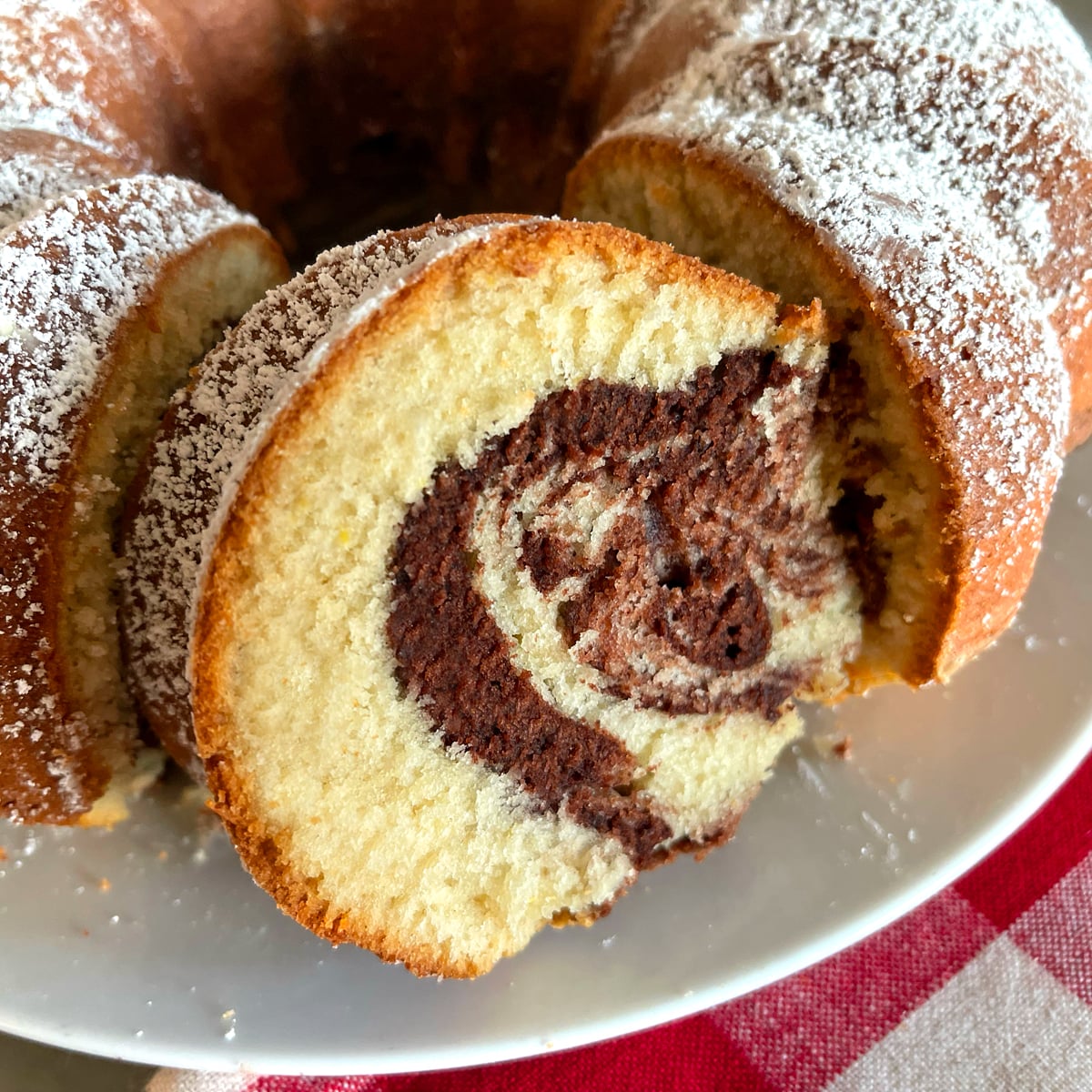
Main Facts: The Anatomy of a Classic
At its core, Marmorkuchen is a member of the Rührkuchen family, or "stirred cakes." It is defined by its characteristic mottled appearance, achieved by swirling light vanilla batter with a darker, cocoa-infused counterpart. While the modern version is synonymous with the Bundt or Gugelhupf pan, the essence of the cake lies in its crumb: a dense yet tender buttery texture that pairs perfectly with the bitterness of black coffee or the sweetness of hot chocolate.
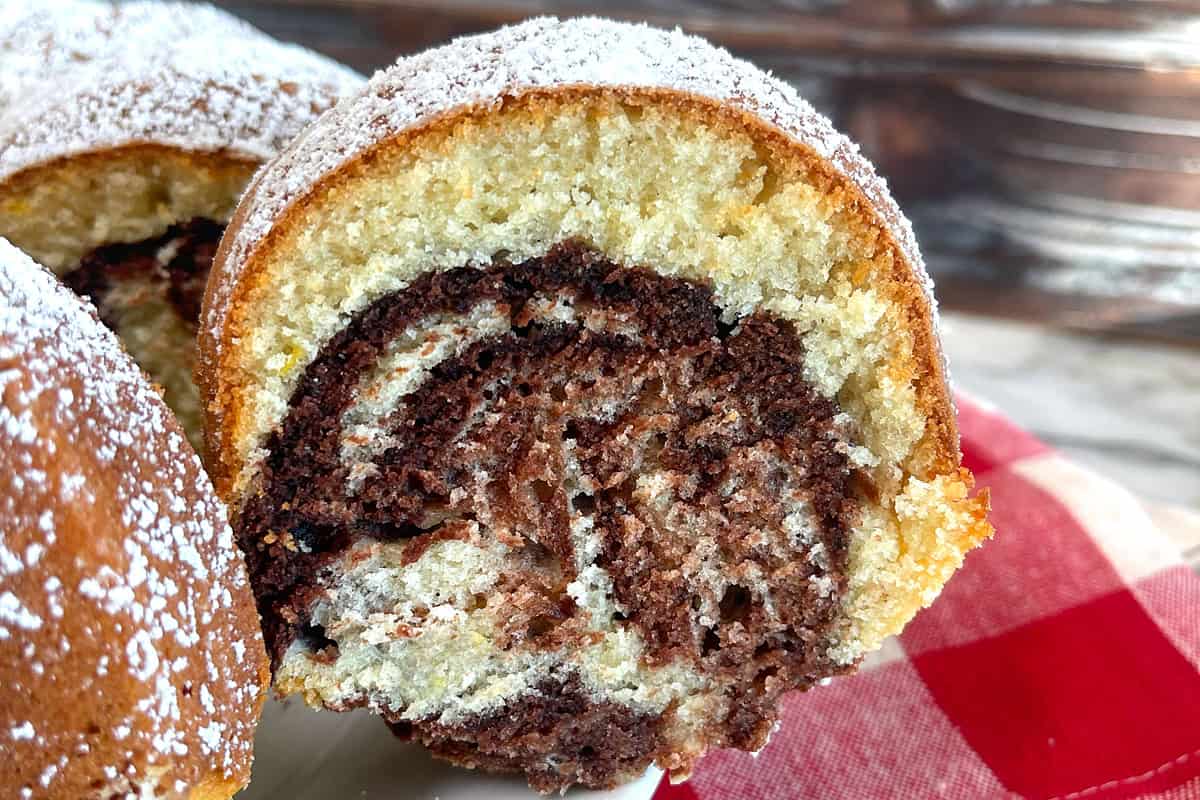
The appeal of the cake is universal, yet deeply rooted in German identity. It is a "make-ahead" miracle; unlike many sponge cakes that lose their integrity within hours, Marmorkuchen is widely considered to improve with age. Resting the cake overnight in an airtight container allows the moisture to redistribute, softening the crumb and deepening the interplay between the vanilla and chocolate notes.
A Culinary Chronology: From Yeast to Sponge
The history of the Marmorkuchen is a reflection of the changing pantry of the 19th-century European home. The predecessor to the modern marble cake was not a refined sponge, but a spiced, yeasted Gugelhupf. Early versions often utilized molasses or heavy spices to darken half of the dough, creating a visual contrast that was considered a mark of culinary ingenuity.
By the mid-19th century, the transition from yeast-based doughs to chemical leavening agents—such as baking powder—revolutionized the kitchen. This shift allowed for the development of the lighter, more aerated sponge cake that characterizes today’s Marmorkuchen. The inclusion of chocolate, previously a luxury ingredient, became more accessible, cementing the chocolate-vanilla pairing as the definitive standard.
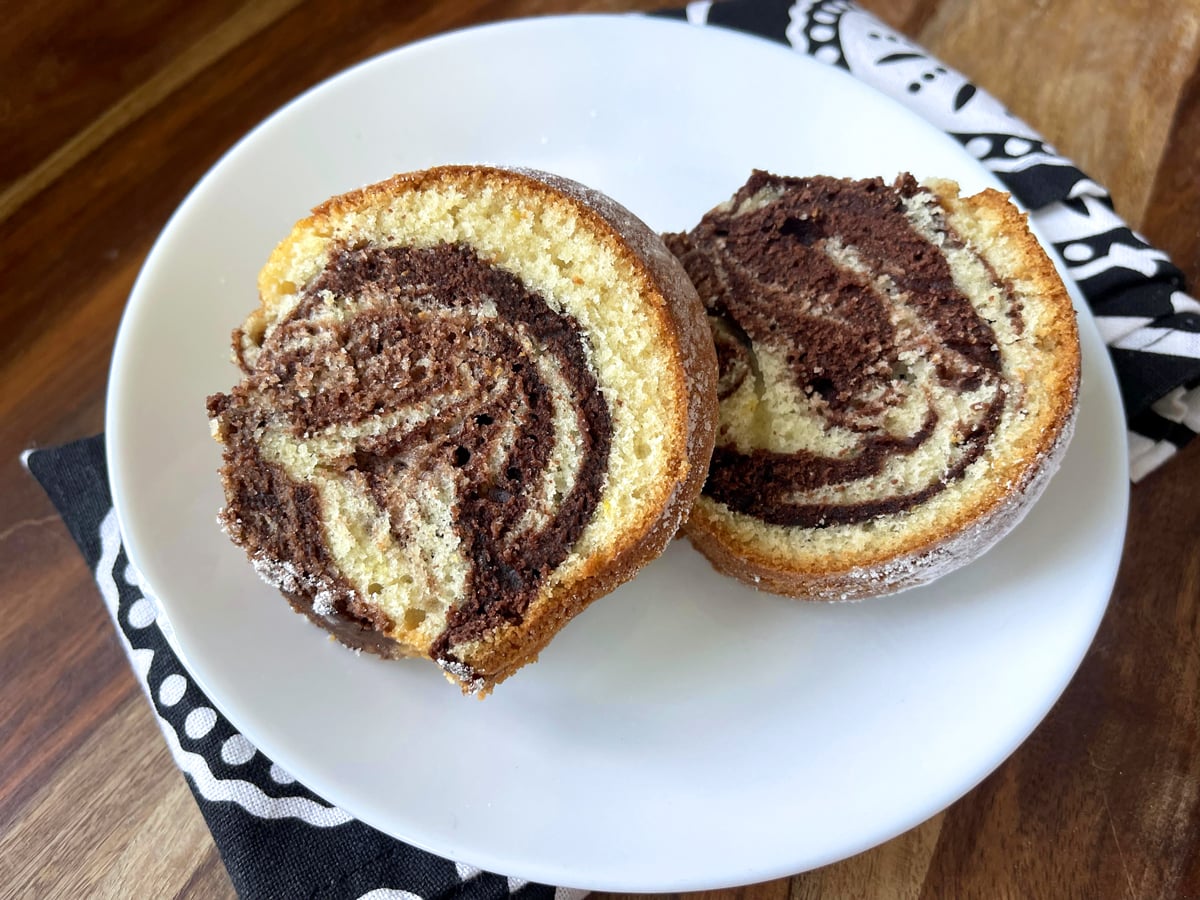
The cake’s journey across the Atlantic is equally significant. German immigrants arriving in the United States in the mid-19th century brought their baking traditions with them. Historical records indicate that the first printed recipe for "marble cake" appeared in the Illinois State Chronicle in 1859. As the cake took root in American soil, it evolved into various iterations, including checkerboard patterns and the famous "harlequin" cakes, yet the original German Marmorkuchen remained the gold standard for home bakers.
Supporting Data: The Science of the Swirl
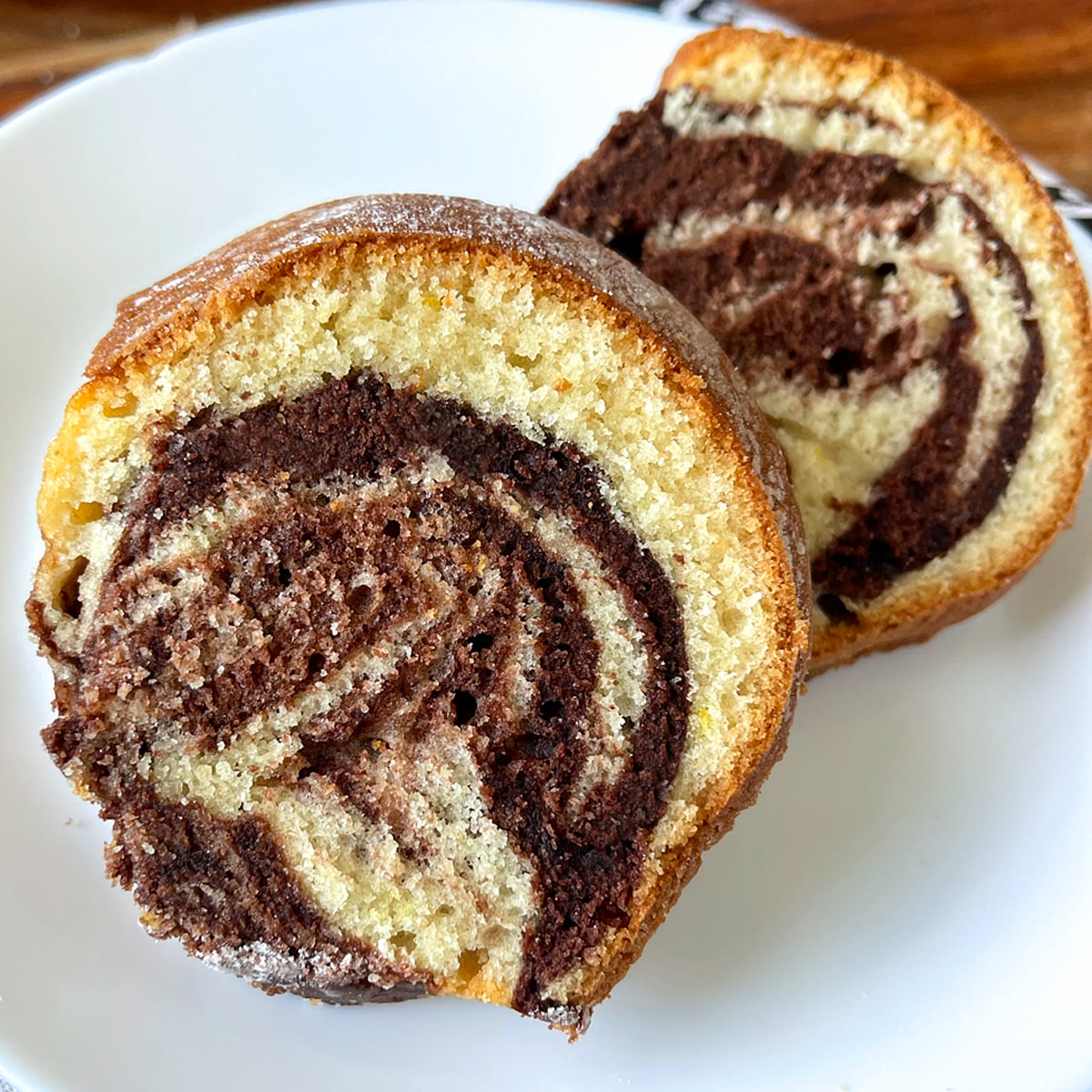
Achieving the perfect Marmorkuchen requires an understanding of batter physics. The "marbled" effect is not merely aesthetic; it is a calculated process of controlled unevenness.
The Methodology of the Marble
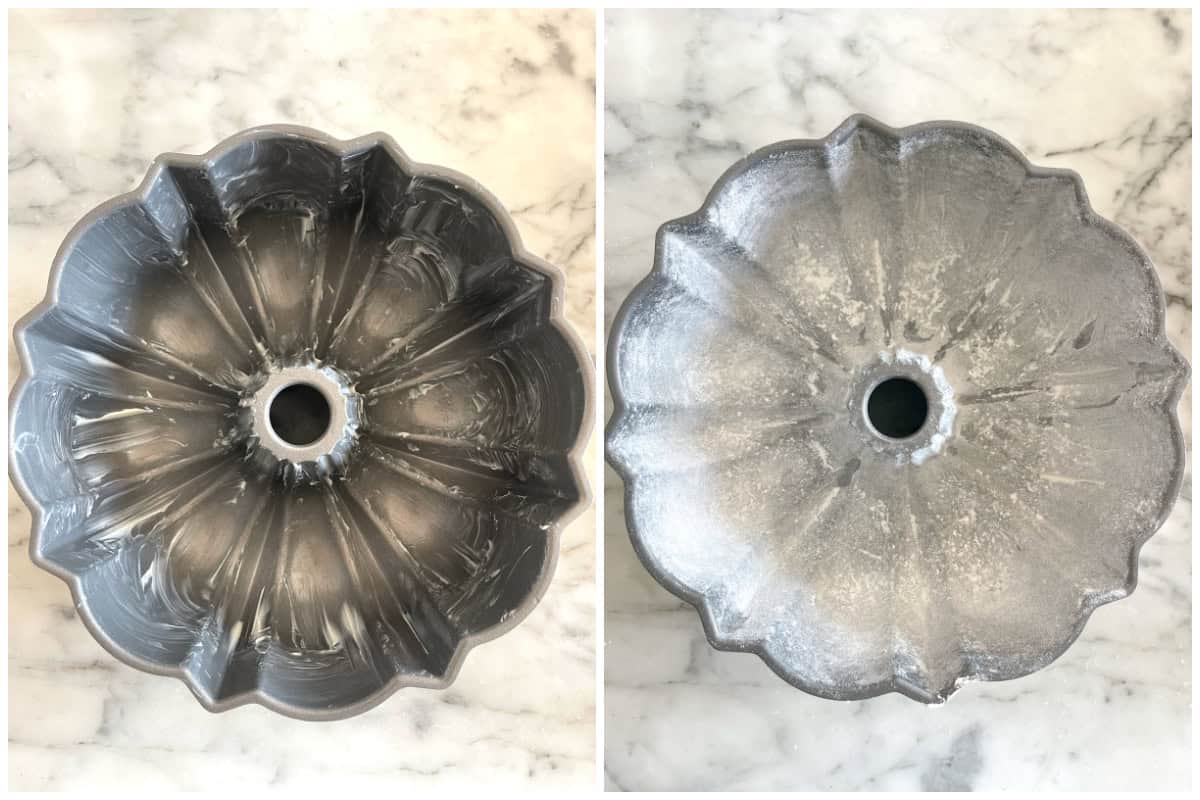
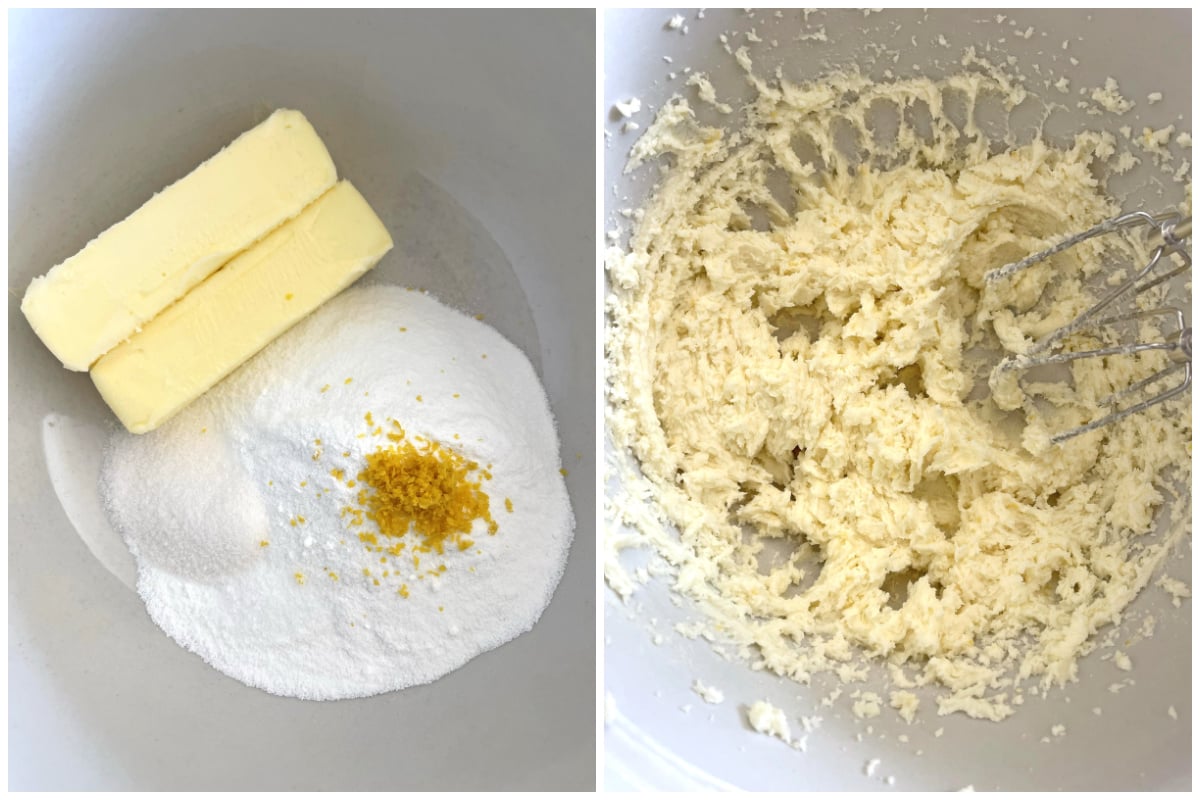
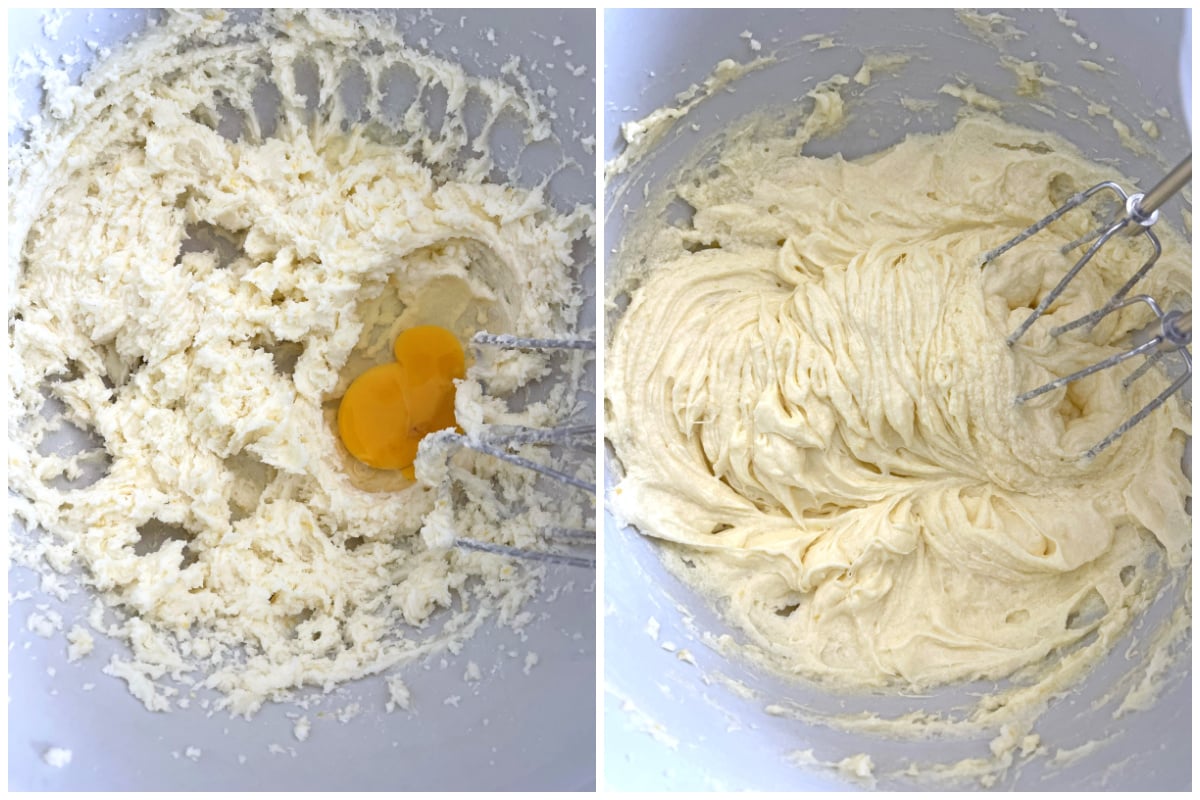
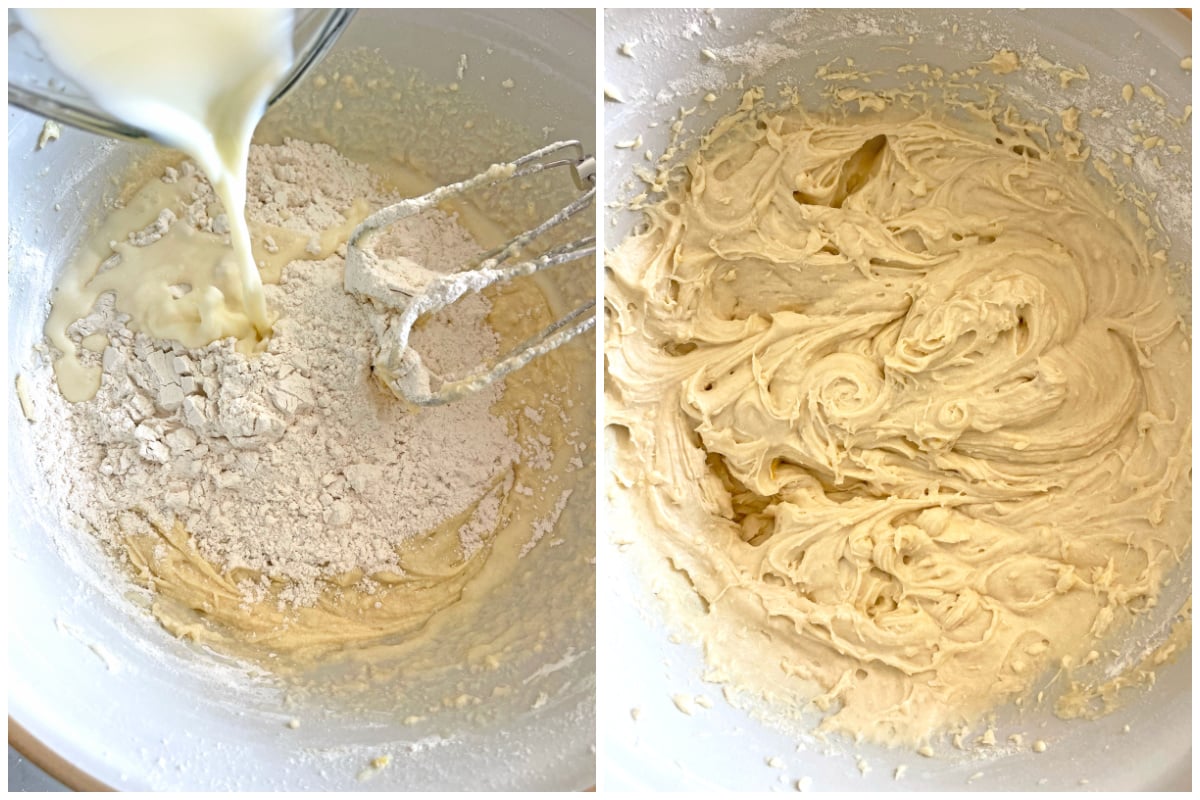
- Preparation: The foundation is a high-fat, high-sugar creamed batter. The aeration of the butter and sugar is the primary driver of the cake’s lift.
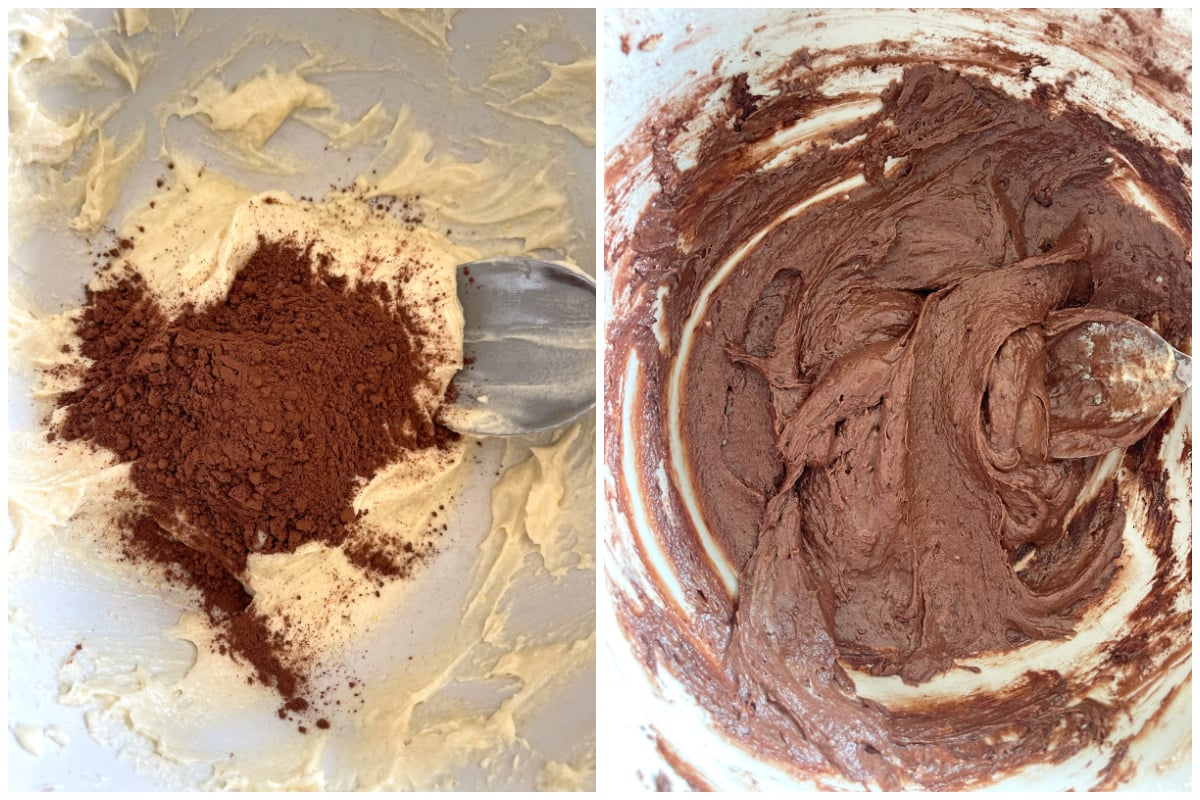
- The Split: By reserving one-third of the base batter and incorporating high-quality cocoa powder and a touch of milk, the baker creates a secondary, heavier density.
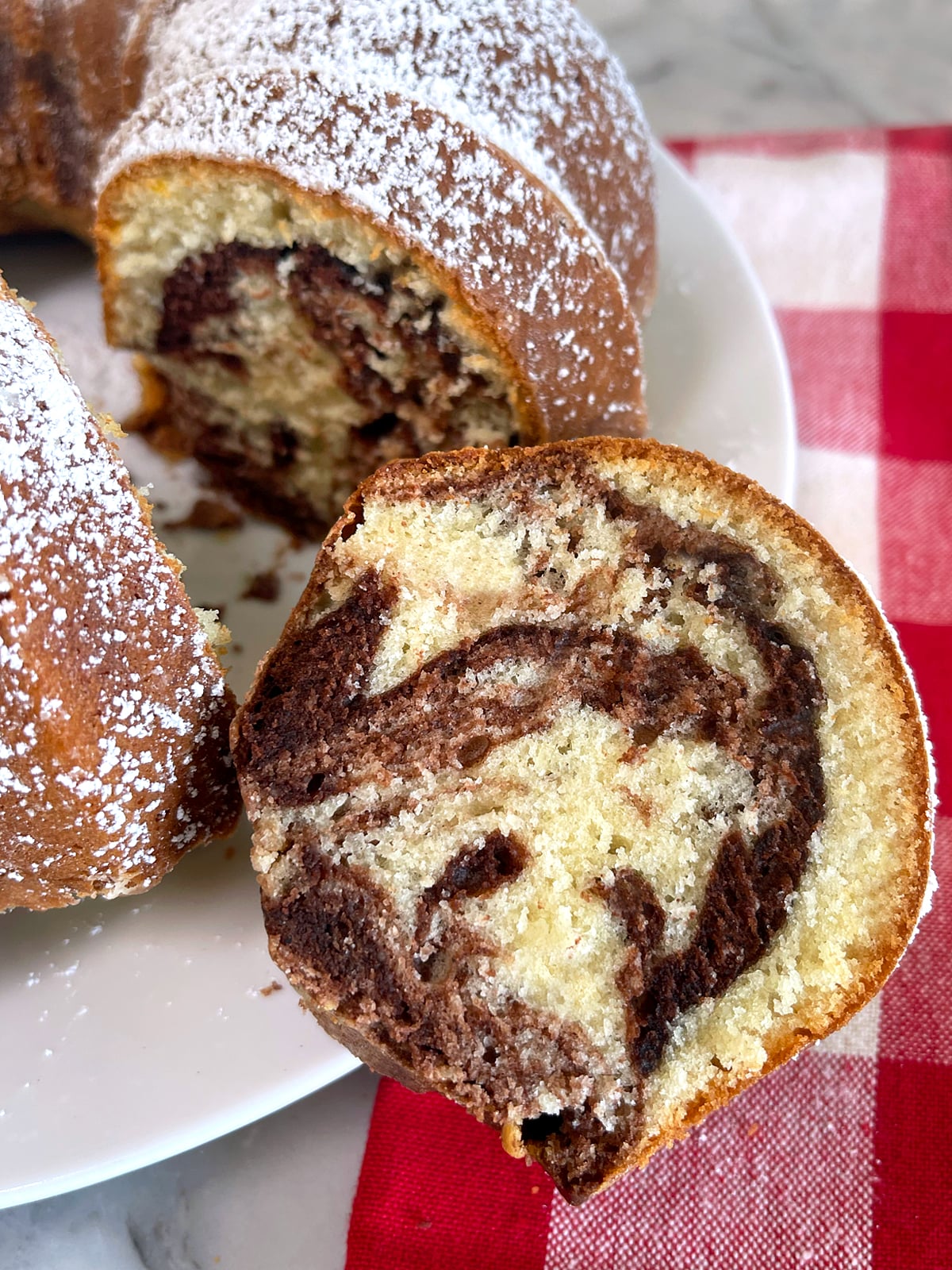
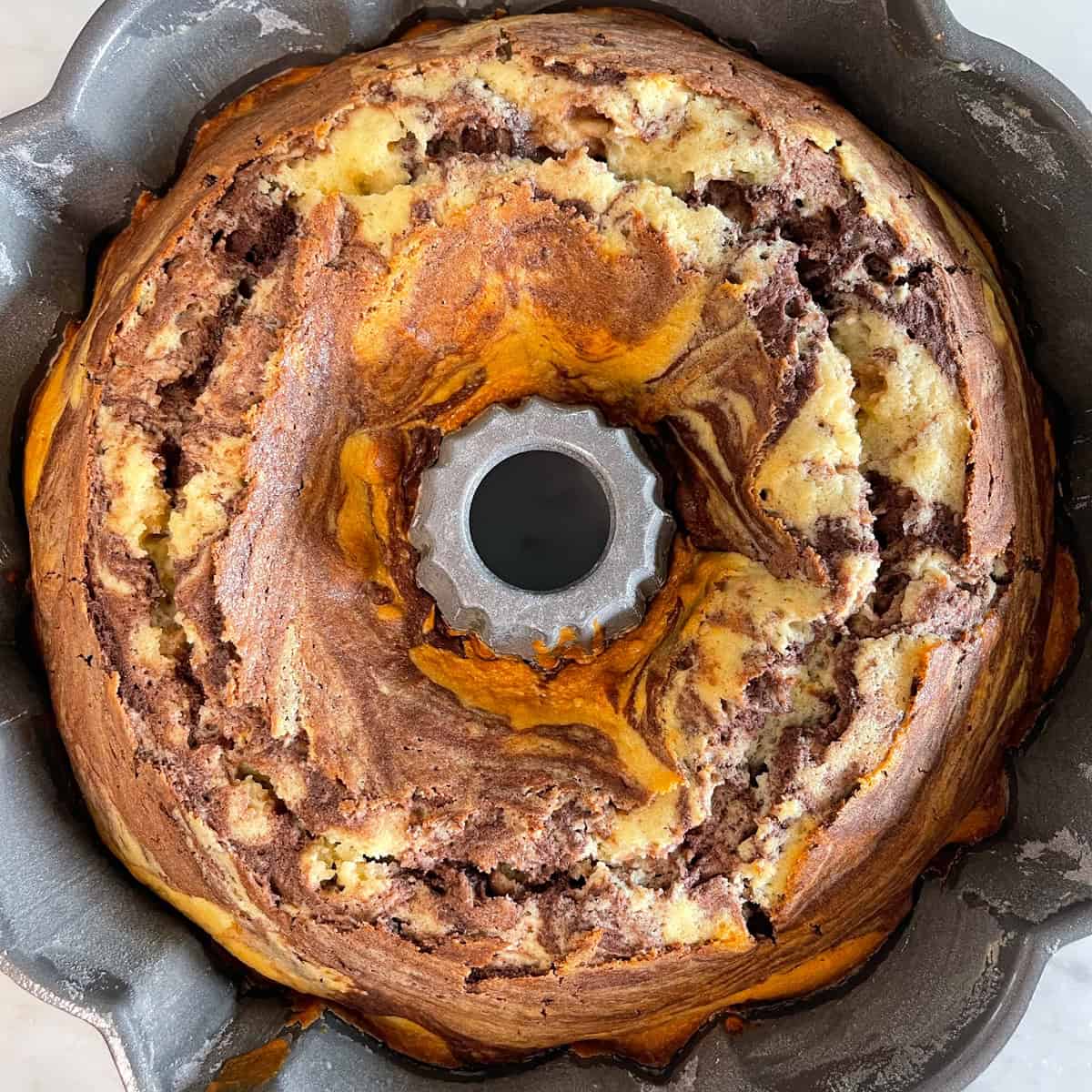
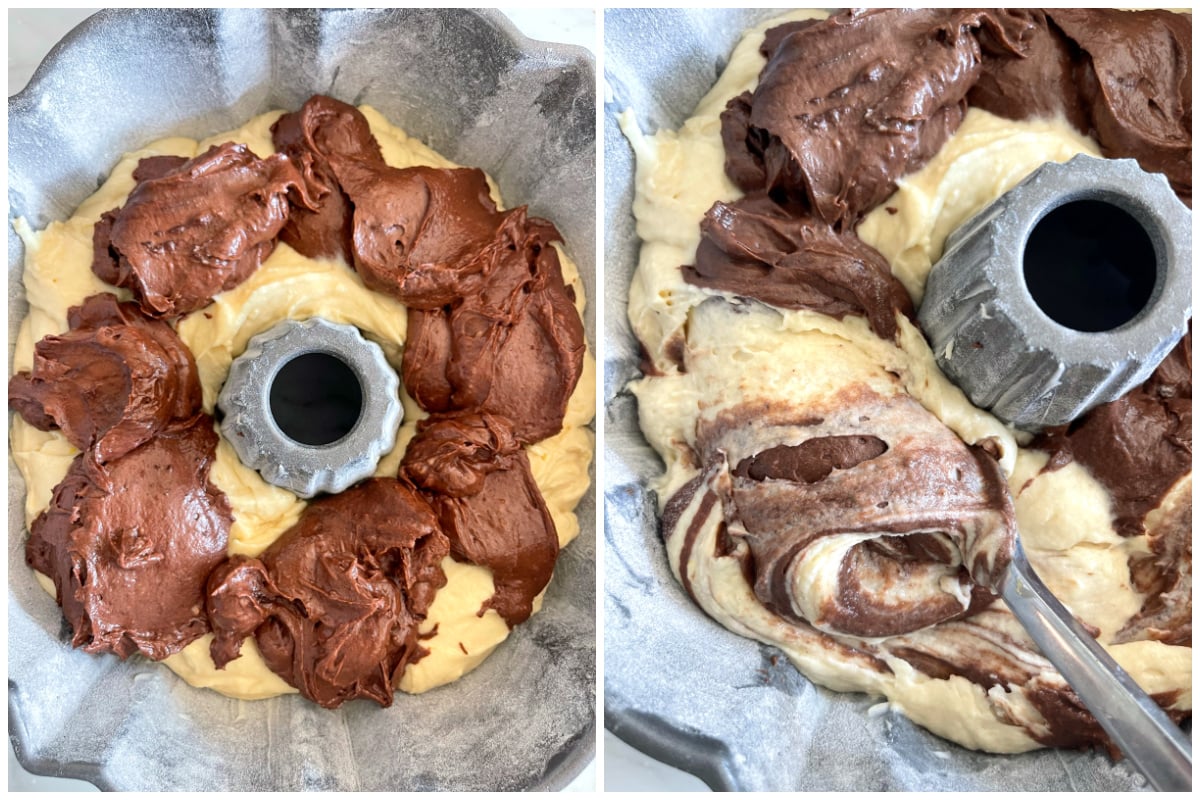
- The Art of the Fork: The "swirl" is the final, critical step. A fork or skewer is used to pull the darker batter through the lighter base. Over-mixing is the primary cause of failure; if the two batters are blended too thoroughly, the distinct "marble" is lost, resulting in a muddy, uniform color.
- Thermal Dynamics: Baking at 350°F (180°C) ensures a slow, even rise. Because butter-based cakes are sensitive to temperature, the Gugelhupf pan—with its central tube—is essential. It provides a larger surface area for heat conduction, ensuring the center of the cake bakes through before the exterior becomes over-browned.
Cultural Significance and "Kaffee und Kuchen"
In Germany, Marmorkuchen is more than a dessert; it is an institution. The tradition of Kaffee und Kuchen is the German equivalent of British Afternoon Tea, occurring typically between 3:00 PM and 5:00 PM. It is a scheduled pause in the day—a moment for social connection, reflection, and, of course, a slice of cake.
For many, the cake is tied to childhood memories. Whether bought pre-packaged in a rectangular loaf or baked fresh in a grandmother’s kitchen, it is a constant. Its ubiquity in supermarkets across Germany speaks to its status as a "national cake." Despite the rise of artisanal bakeries and international pastry trends, the Marmorkuchen remains the most frequently requested birthday cake for children and adults alike.
Implications for the Modern Baker
The enduring popularity of this cake in an era of rapid culinary innovation suggests a growing desire for "slow food." The Marmorkuchen requires patience: patience in creaming the butter, patience in folding the batter, and patience in letting the cake cool and "set" before serving.
Storage and Preservation
To maintain the integrity of the cake, professional bakers emphasize the following:
- Avoid the Fridge: Refrigeration causes the butter in the crumb to harden and accelerates staling. A cool, room-temperature environment in an airtight container is ideal.
- The Freezing Advantage: Because the cake is sturdy, it is an excellent candidate for freezing. For best results, freeze the cake without a glaze. Wrapping it in multiple layers of plastic film, followed by aluminum foil, prevents freezer burn and allows the cake to be stored for up to three months without a significant loss in texture.
- The Glaze Factor: While a simple dusting of powdered sugar is the most traditional method of serving, a chocolate ganache or glaze can be added. However, bakers should note that glaze should be applied only after the cake has fully cooled to avoid melting and uneven absorption.
Conclusion: A Legacy of Simplicity
Whether one identifies as a professional pastry chef or a novice home baker, the Marmorkuchen offers a rare combination of accessibility and profound depth. It is a testament to the fact that the most memorable culinary experiences do not always require exotic ingredients or complex molecular techniques. Instead, they require high-quality staples—flour, sugar, eggs, butter, and cocoa—and a respect for the process.
As we look toward the future of baking, the Marmorkuchen serves as a reminder of our collective history. It is a dish that has survived wars, industrialization, and the globalization of food, emerging unchanged and beloved. In every slice, there is the story of two centuries of German home life, captured in the simple, beautiful contrast of light and dark. It is a recipe that asks us to slow down, put on a pot of coffee, and appreciate the simple joy of a cake that, like the memories associated with it, only gets better with time.

 Evan Lee Salim
 Azzam Bilal Chamdy