

 Lina Irawan
 Evan Lee Salim
 Laily UPN
 Raul Delapena Setiawan
 Rifan Muazin
 Layla Zulfa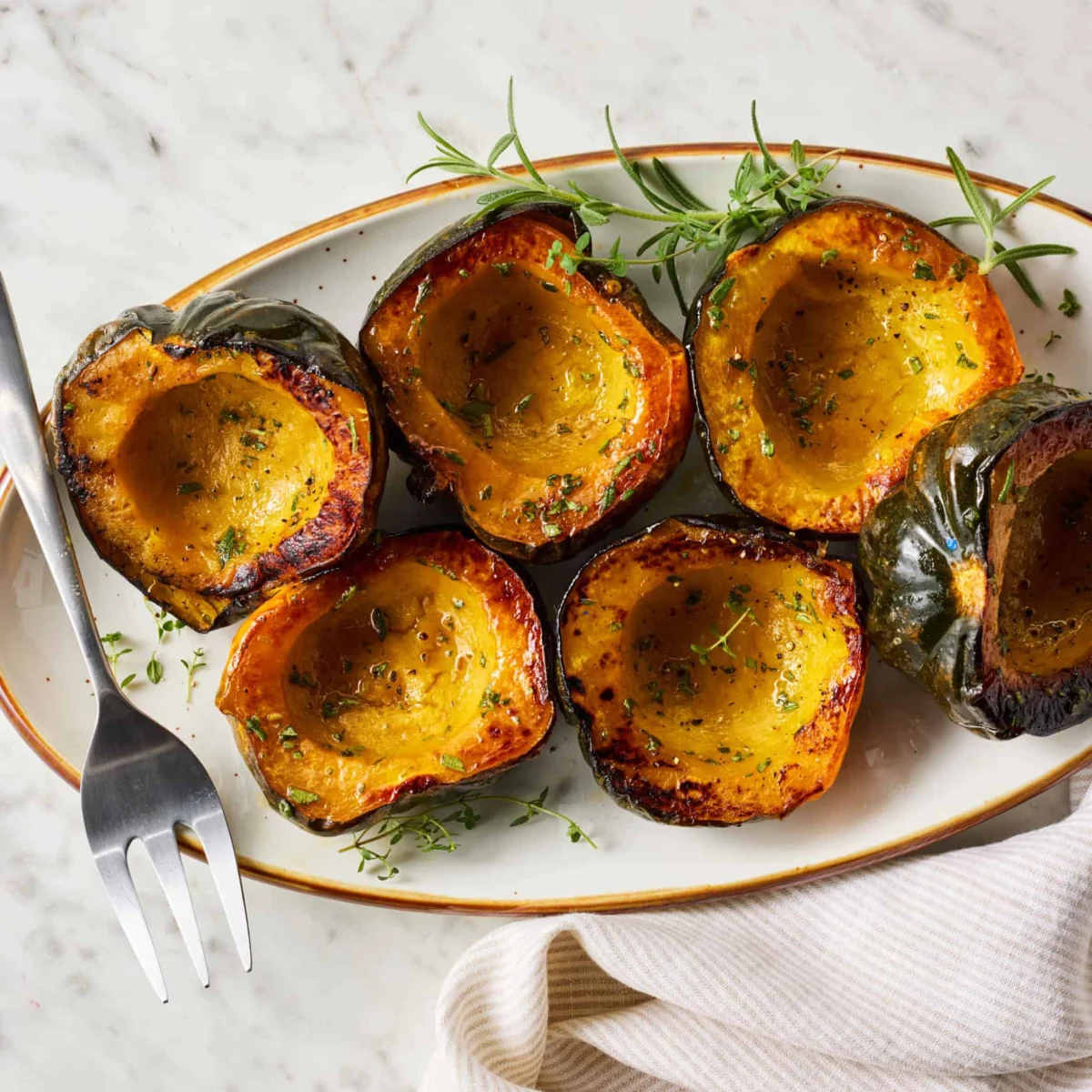
As the crisp autumn air settles and the leaves begin their transformation, the culinary world turns its attention to the harvest season’s most versatile treasure: the acorn squash. Often overlooked in favor of its larger pumpkin or butternut cousins, this dark green, ridged winter squash is a nutritional powerhouse and a chef’s dream. Whether you are a novice cook looking to master a fundamental technique or a seasoned home chef seeking a reliable holiday side dish, understanding how to perfectly roast acorn squash is a cornerstone skill for the colder months.
This guide provides a deep dive into the art of roasting, the science behind the squash’s flavor profile, and the culinary implications of mastering this seasonal staple.
Main Facts: The Anatomy of Acorn Squash
Acorn squash (Cucurbita pepo) is defined by its distinctively sweet, nut-like flavor and its firm, buttery texture. Unlike larger squashes that require heavy processing, the acorn squash is remarkably accessible.
- Nutritional Profile: A single serving (one-half of a medium squash) contains approximately 145 calories and is exceptionally rich in potassium (providing 22% of the daily recommended value) and Vitamin C (29% of the daily value). It is also a source of dietary fiber, making it a gut-healthy addition to any holiday table.
- The Skin Debate: A common point of confusion for home cooks is whether the skin is edible. The answer is a definitive yes. Once roasted, the skin of an acorn squash becomes tender enough to consume, offering a rustic texture that complements the creamy interior.
- The Flavor Foundation: The secret to a perfect roast lies in the balance of sweet and savory. The natural sugars within the squash caramelize under high heat, and when paired with a glaze of olive oil and maple syrup, the result is a sophisticated depth of flavor that requires very little active effort.
Chronology: A Step-by-Step Approach to Preparation
Mastering acorn squash is a process of precision and patience. Follow this chronological guide to achieve the perfect balance of caramelization and tenderness.
1. Preparation and Safety
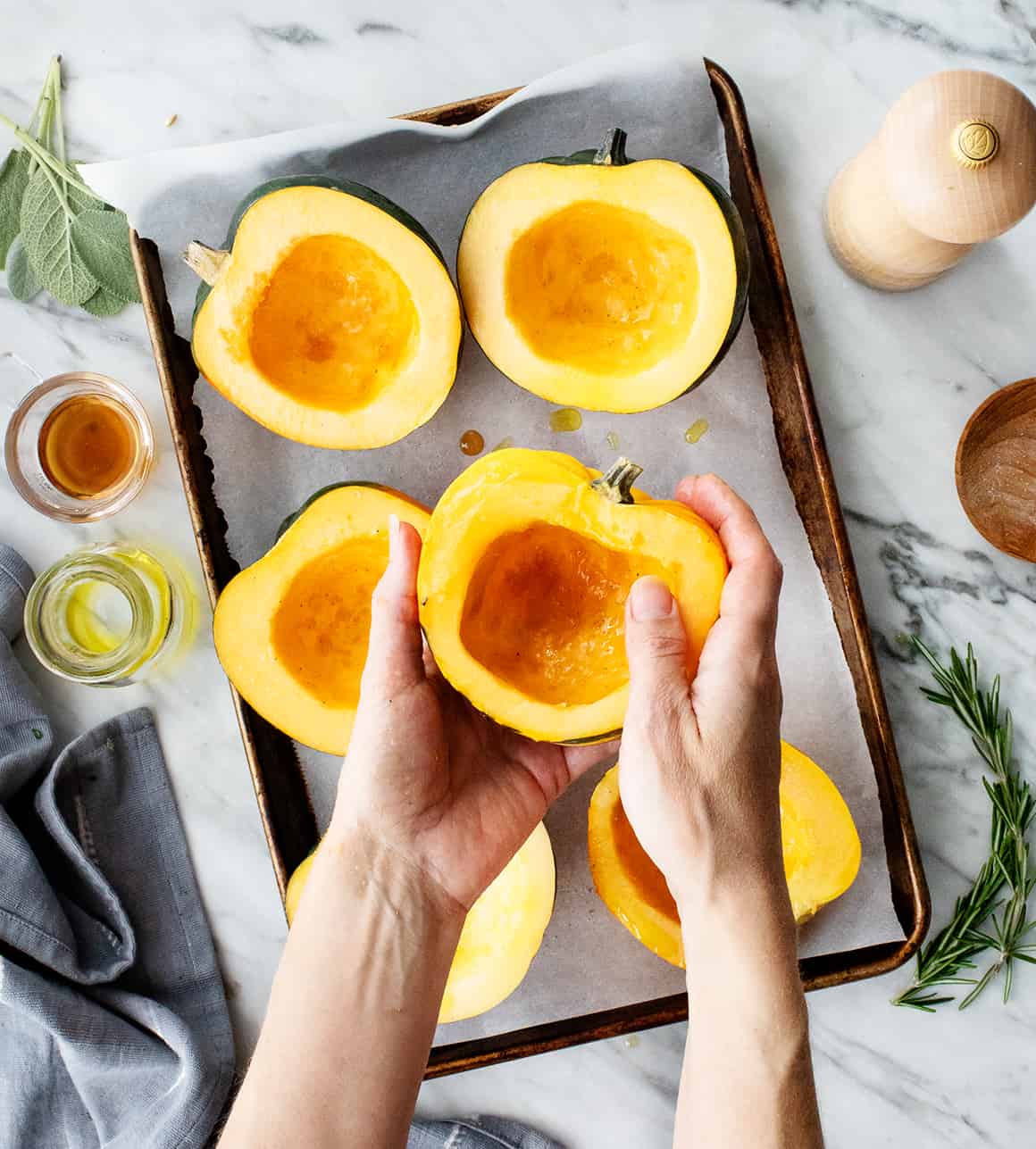
The greatest hurdle in cooking winter squash is the initial cut. Due to their tough, ribbed exterior, safety is paramount. Always use a sharp, heavy-duty chef’s knife. If the squash feels particularly impenetrable, do not force it. Instead, soften the exterior by placing the whole squash in an oven preheated to 425°F for 10 minutes or using a microwave in one-minute bursts. Once the skin yields slightly, cut the squash vertically from stem to tip.
2. Cleaning the Cavity
After halving the squash, use a sturdy metal spoon to remove the fibrous pulp and seeds. While many discard these, the seeds can be toasted separately with sea salt for a nutritious snack.

3. The Seasoning Phase
Place the halves flesh-side up on a baking sheet. Brush the surface generously with high-quality olive oil. This acts as a fat medium to conduct heat and ensure even browning. Drizzle with pure maple syrup to initiate the Maillard reaction—the chemical process that creates the sweet, golden-brown crust. Add a pinch of sea salt and freshly cracked black pepper.
4. The Roasting Process
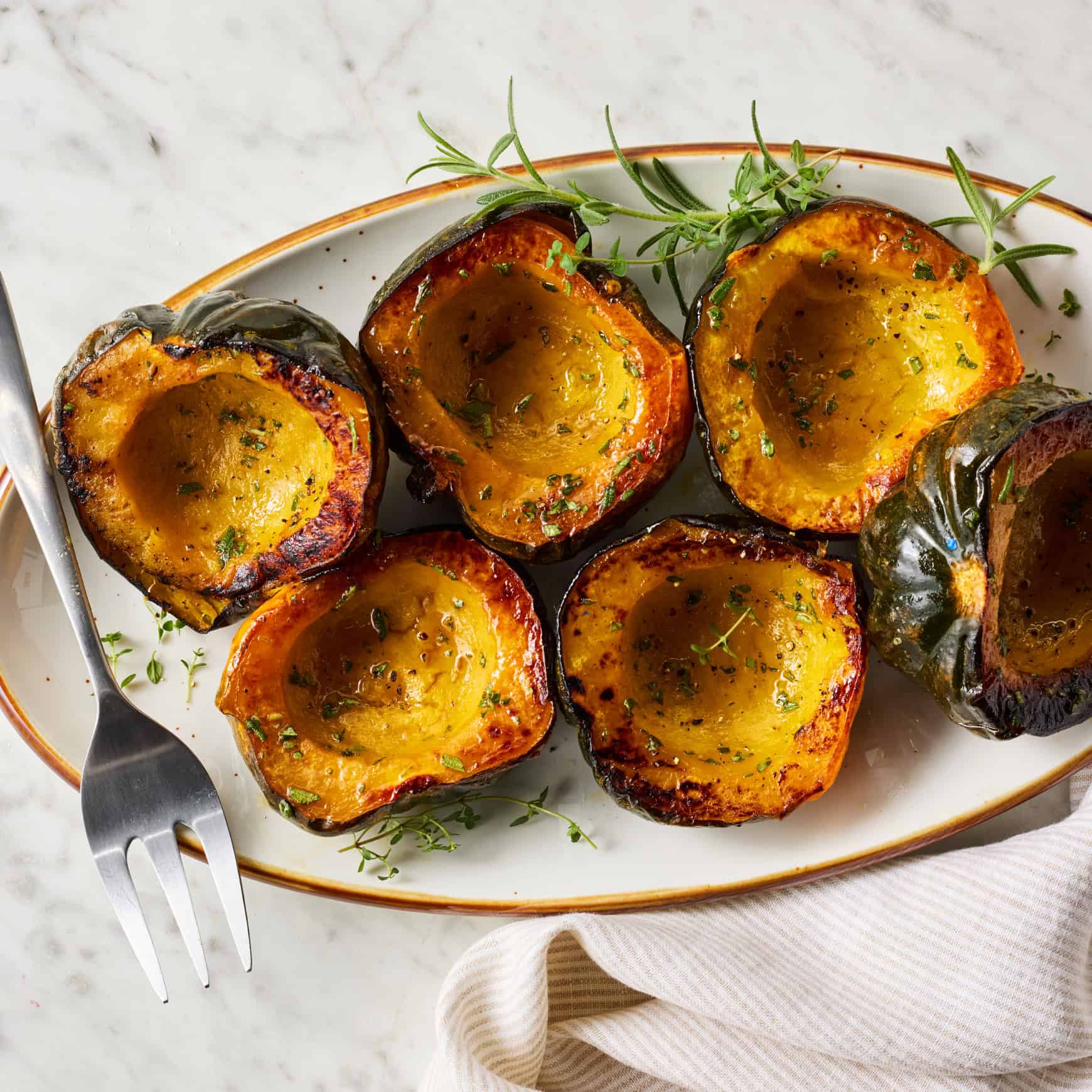
Roast in a preheated 400°F oven for approximately 35 minutes. You are looking for a fork-tender interior and deep, golden-brown edges. The high sugar content in the maple syrup will caramelize rapidly, so keep an eye on the edges to prevent burning. Finish with a dusting of fresh herbs like thyme, sage, or rosemary to add an aromatic layer.
Supporting Data: Why Technique Matters
The transformation of raw squash into a roasted delicacy is not merely a matter of taste; it is a chemical transformation. The application of heat breaks down the complex starches in the squash into simpler sugars, which then react with the maple syrup to create a deep, complex flavor profile.

According to culinary data, the "sweet spot" for roasting squash is between 375°F and 425°F. Below 375°F, the squash tends to steam rather than roast, resulting in a mushy texture. Above 425°F, the natural sugars and added maple syrup risk carbonizing, turning bitter before the interior is fully cooked. The 400°F threshold allows for a steady, uniform breakdown of cellular walls, resulting in the iconic "creamy" mouthfeel that makes acorn squash a favorite for soups and stews.
Official Perspectives: Expert Tips for Success
Professional chefs often emphasize that simplicity is the greatest ingredient. When asked about elevating the dish, many recommend the following variations:
- The Savory Pivot: For those who prefer a less sweet profile, replace the maple syrup with balsamic vinegar or a glaze made from brown butter and toasted garlic.
- The Textural Contrast: Once the squash is roasted, topping it with toasted pecans, pomegranate seeds, or crumbled goat cheese adds a necessary textural contrast—a "crunch" against the "cream."
- The "Pro" Shortcut: If you are preparing a large meal, such as a Thanksgiving dinner, the squash can be roasted ahead of time. It holds exceptionally well in the refrigerator for up to four days and can be reheated in a 325°F oven to regain its original texture.
Implications: The Role of Acorn Squash in Modern Diets
The resurgence of winter squash in modern diets speaks to a broader culinary trend: the shift toward whole-food, seasonal eating. As consumers become more conscious of the environmental impact of their food choices, the acorn squash serves as a sustainable, shelf-stable option that requires minimal transport and storage energy.
Culinary Versatility
Learning to roast a basic acorn squash unlocks a gateway to dozens of other recipes. It is the essential base for:
- Stuffed Acorn Squash: Using the roasted shell as a bowl for quinoa, wild rice, or sausage-based fillings.
- Acorn Squash Soup: Pureeing the roasted flesh with vegetable broth, coconut milk, and ginger for a luxurious, dairy-free fall soup.
- Salad Additions: Cubing the roasted squash to provide a hearty, nutrient-dense element to kale and apple salads.
The Holiday Table
In the context of the American holiday table, the roasted acorn squash serves as a bridge between tradition and modern nutrition. While mashed potatoes and heavy stuffing remain staples, the roasted squash provides a vibrant, colorful, and light alternative that balances the heavier flavors of a traditional feast. Its aesthetic appeal, with its deep orange flesh and dark green skin, makes it a centerpiece-worthy vegetable that is as beautiful as it is delicious.
Conclusion: Mastering the Harvest
The beauty of cooking acorn squash lies in its reliability. It is a forgiving vegetable that rewards the cook with deep, warming flavors and a satisfying, wholesome experience. By mastering the fundamental techniques—proper cutting, seasoning, and roasting temperatures—you transform a humble, inexpensive gourd into a culinary masterpiece.
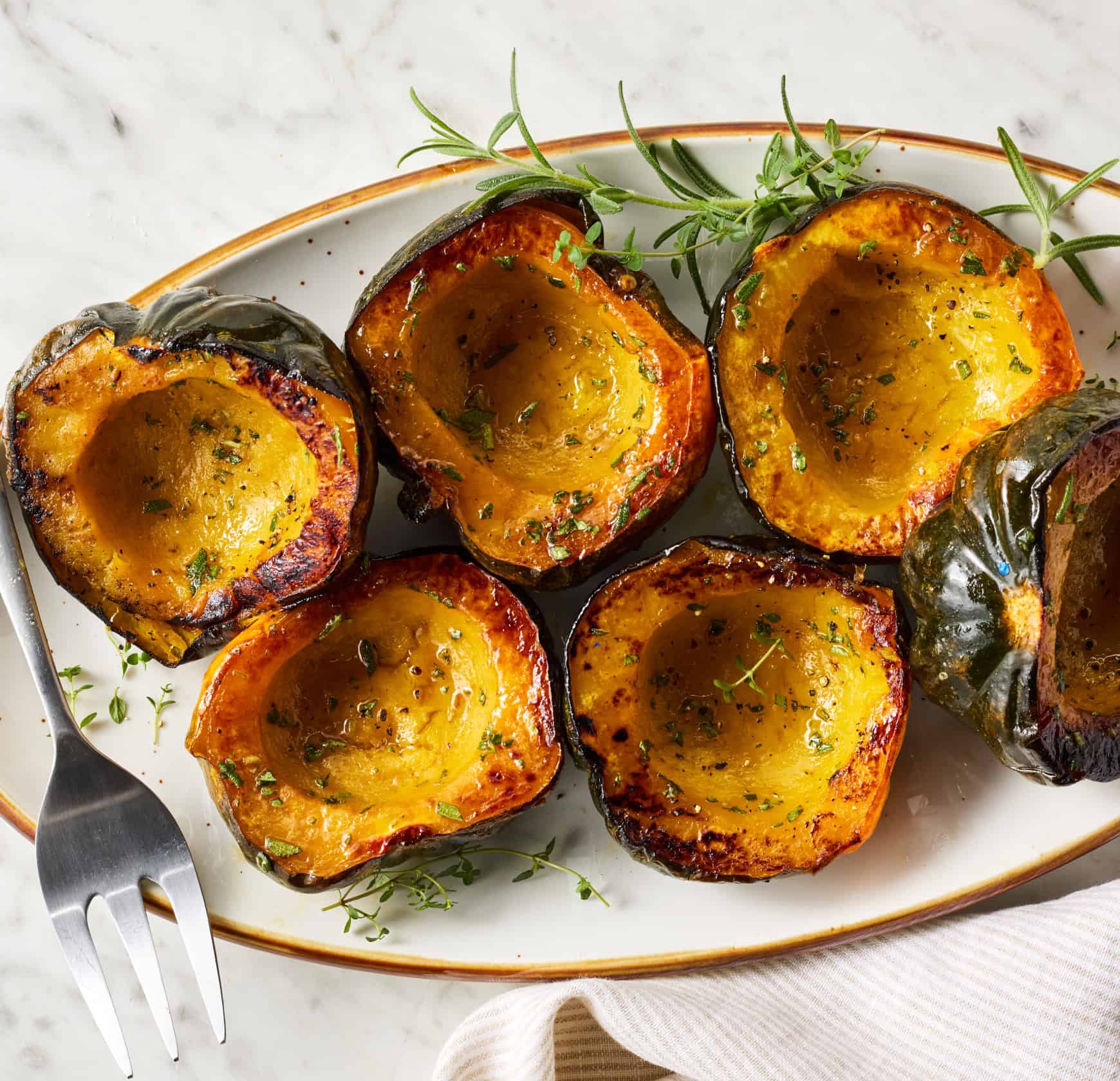
As you head into the fall season, let this guide serve as your foundation. Whether you keep it simple with just olive oil and salt or experiment with bold, savory herbs and glazes, the acorn squash is ready to become the star of your kitchen. Embrace the season, fire up the oven, and enjoy the timeless, sweet comfort of perfectly roasted acorn squash.
Recipe Summary for the Home Cook:
- Prep Time: 10 minutes
- Cook Time: 35 minutes
- Servings: 6
- Storage: Keep in an airtight container for up to 4 days; reheat in a 325°F oven to restore the crisp edges.
By integrating this staple into your repertoire, you aren’t just learning to cook a vegetable; you are connecting with the cycles of the earth and the tradition of seasonal, intentional cooking. Happy roasting!


 Dwi Wanna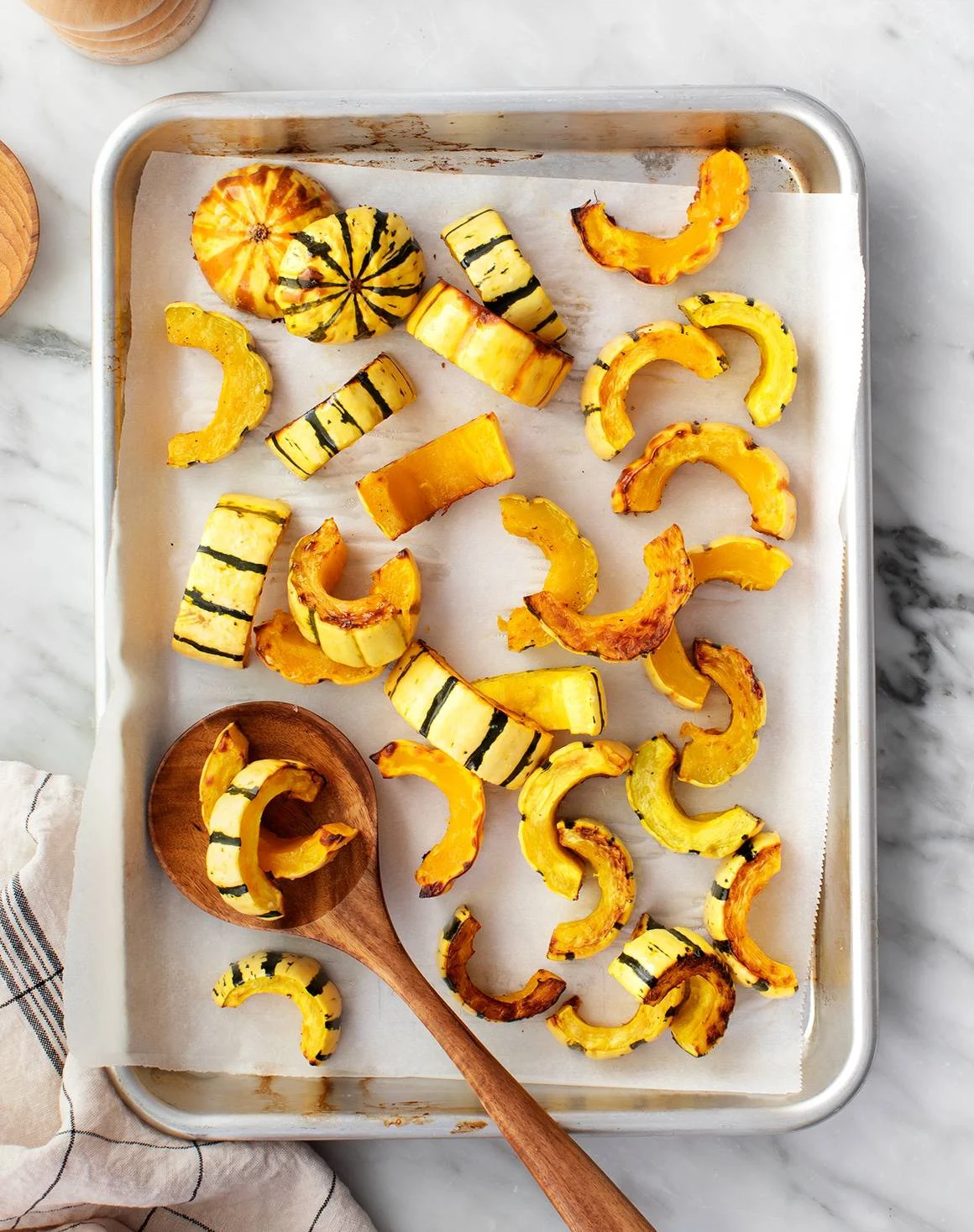
 Suro Senen
