

 Azzam Bilal Chamdy
 Neng Nana
 Nana Muazin
 Dwi Wanna
 Raul Delapena Setiawan
 Lina Hope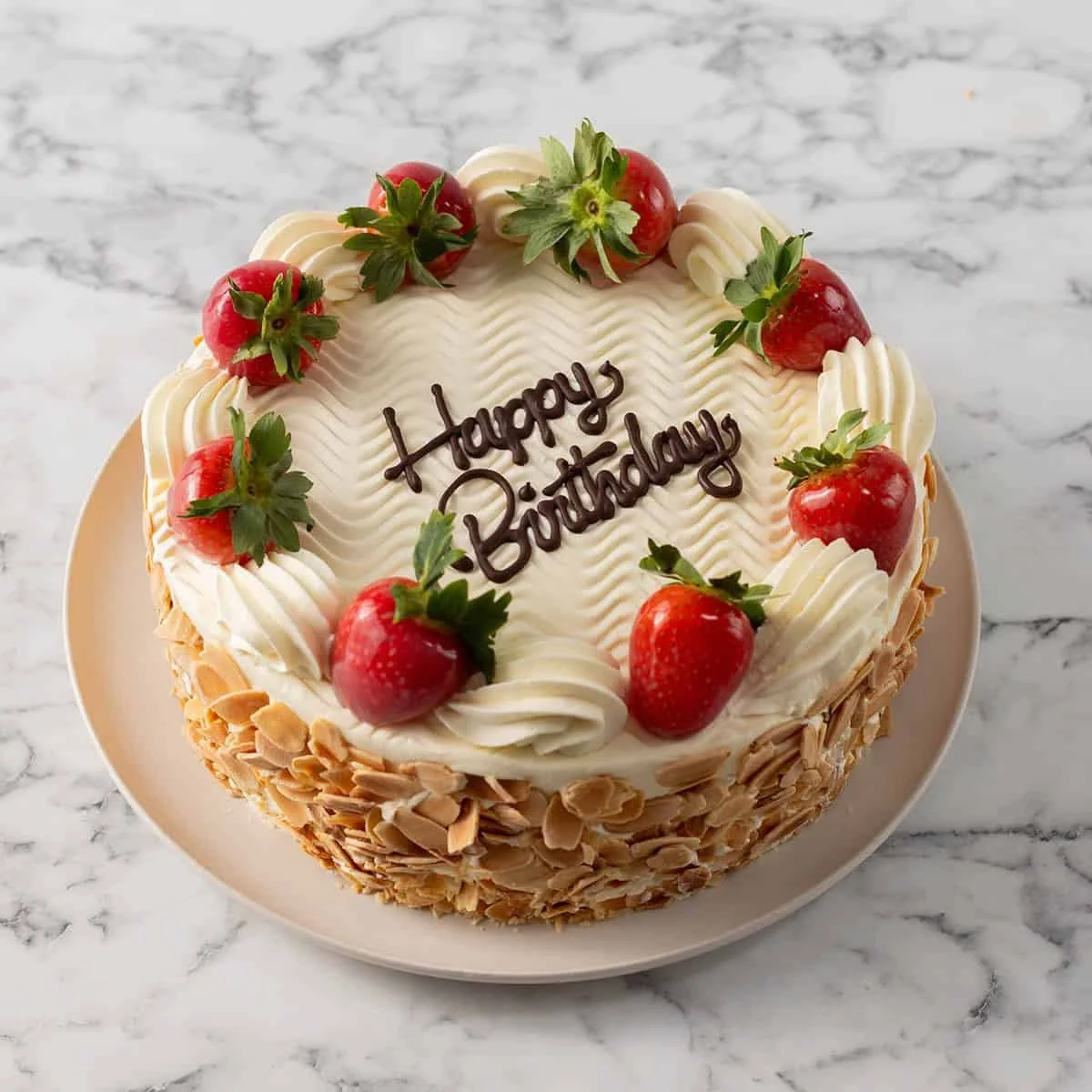
In the bustling world of home baking, few challenges are as daunting or as culturally significant as recreating the "Continental Cake." Known in many circles as the Italian Rum Cake, this dessert is a cornerstone of celebration in Mediterranean-Australian households. From Melbourne’s vibrant northern suburbs to the heart of Sydney’s Italian and Greek communities, this cake is more than just a sweet treat—it is a symbol of hospitality, tradition, and the pinnacle of bakery craftsmanship.

After two months of rigorous testing and 27 distinct iterations, culinary expert Nick Makrides has finally unveiled his definitive recipe for this elusive masterpiece. Moving beyond the "mock cream" and mass-produced sponges found in commercial bakeries, Makrides’ approach emphasizes artisanal quality, bridging the gap between nostalgic childhood memories and professional-grade pastry arts.
The Anatomy of a Classic
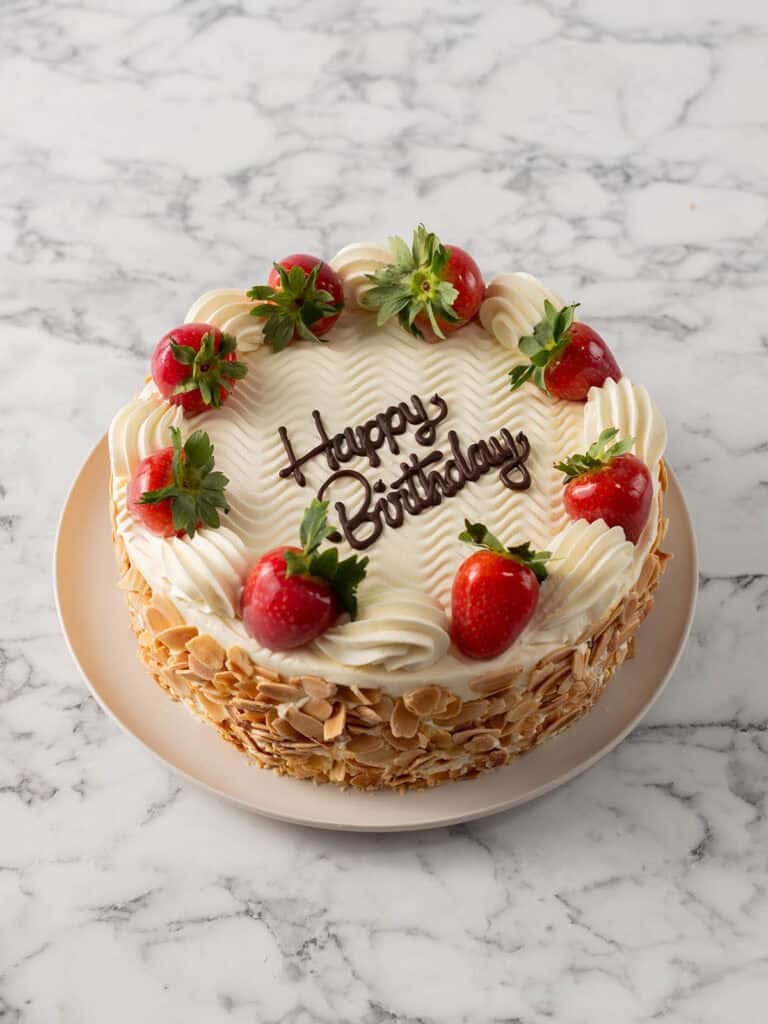
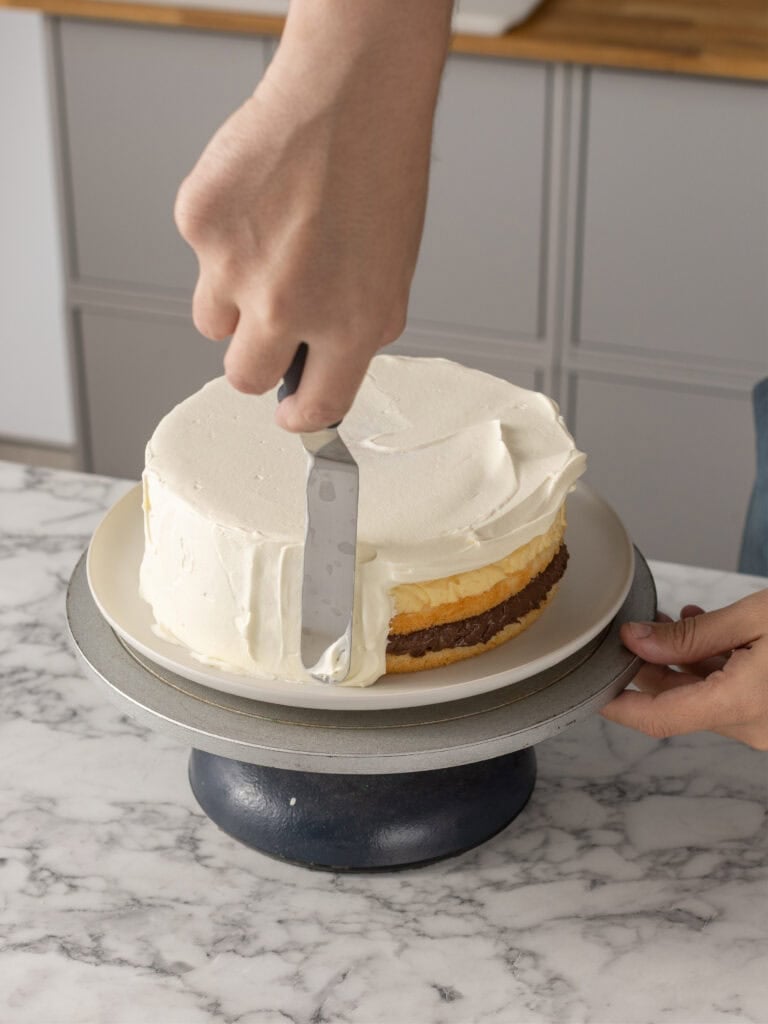
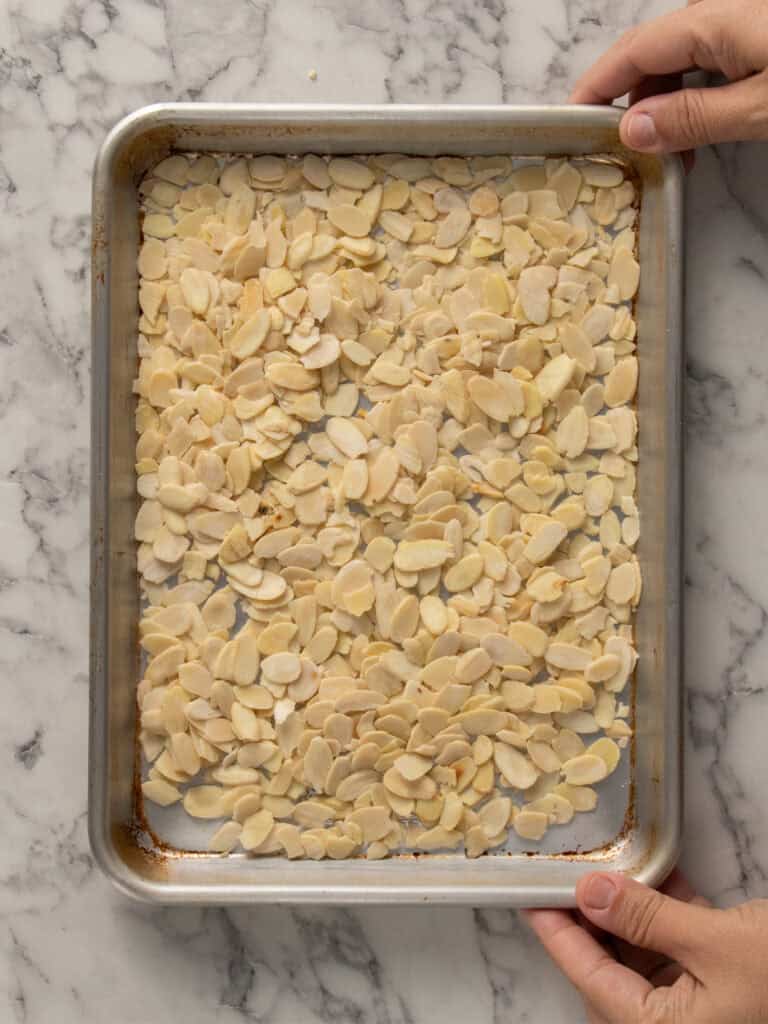
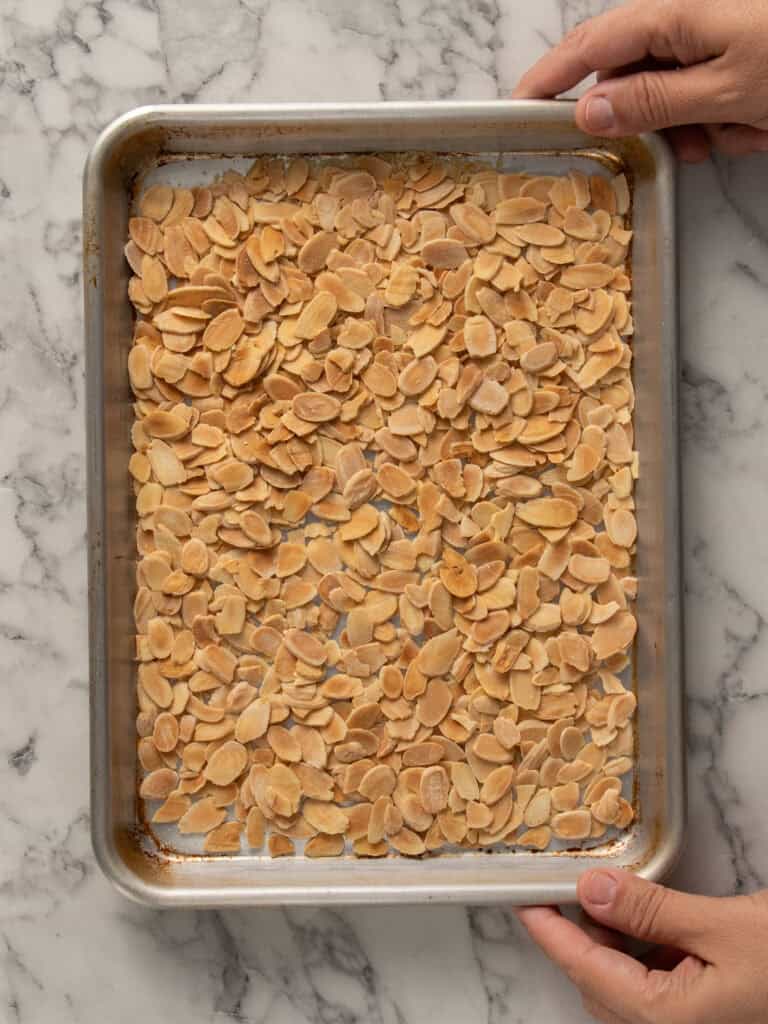
The Continental Cake is defined by its architectural precision. It consists of layers of ethereal, rum-soaked chiffon sponge, interleaved with alternating bands of silky vanilla and rich chocolate pastry cream. The exterior is enrobed in a cloud of Chantilly cream, garnished with toasted flaked almonds, and crowned with fresh, glazed strawberries.
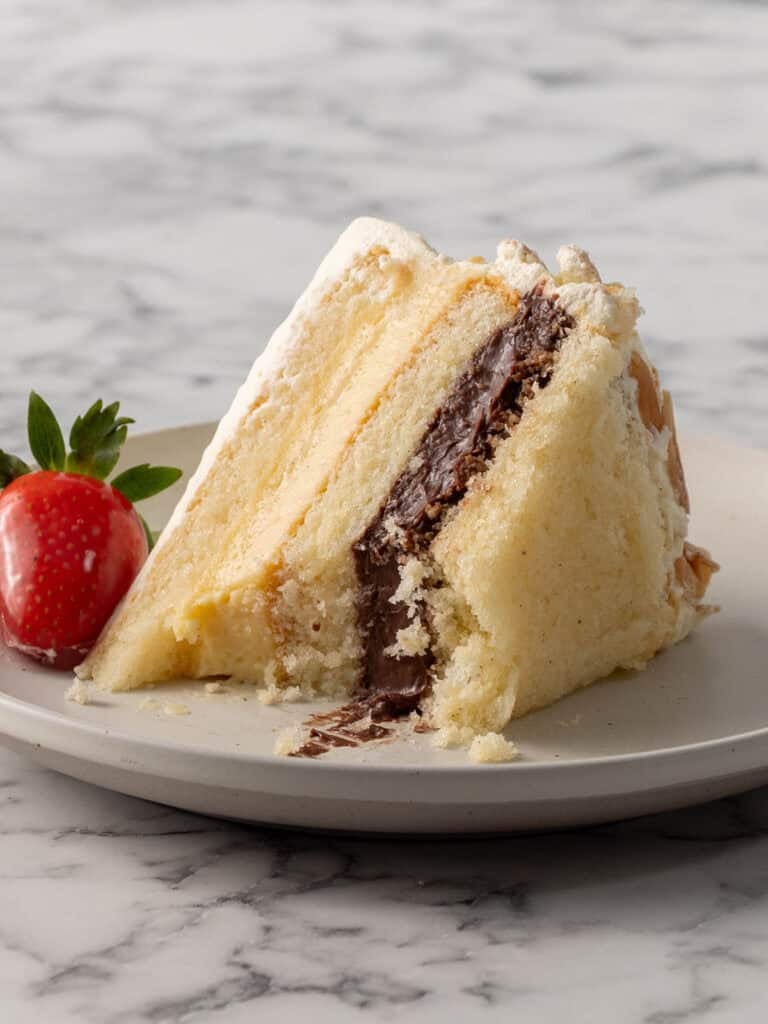
Achieving the "bakery texture" at home is notoriously difficult. The primary obstacle is the sponge; it must be delicate enough to absorb a generous dousing of rum-infused syrup without succumbing to a soggy, unappealing mush. Makrides found the solution in the chiffon cake—a high-moisture, aerated sponge that provides structural integrity while maintaining a melt-in-the-mouth consistency.
A Chronology of Development
The path to this recipe was not a straight line. The development process, which spanned 60 days, serves as a masterclass in food science and iterative design.
- Tests 1-3: Initial trials utilized traditional sponge cake recipes. The results were suboptimal; the cakes were too dense, struggling to hold the syrup without losing their structural integrity.
- Tests 4-16: Focus shifted to the custard components. Mastering the transition between a smooth vanilla base and a robust chocolate variation required balancing cocoa butter content with the starch-based thickening agents.
- Test 17: The breakthrough occurred with the implementation of a chiffon-based sponge. The inclusion of egg whites whipped to a specific medium-peak consistency provided the necessary "meatiness" to hold the syrup, a realization that was finalized by test 23.
- Tests 24-27: Final refinements were made to the stabilization of the Chantilly cream, ensuring it could withstand refrigeration for several days without losing its glossy, whipped appearance.
Technical Insights: Achieving the Bakery Standard
The difference between a "home-made" cake and a "bakery-bought" one often comes down to the choice of ingredients and the technical execution of the filling.
The Cream Conundrum
Most commercial bakeries rely on "mock cream"—a hydrogenated fat-based product that is highly stable at room temperature but lacks the depth of flavor associated with dairy. To elevate his version, Makrides uses a stabilized Chantilly cream. By folding mascarpone into the whipped cream, he achieves a structural stability that allows the cake to remain in the refrigerator for days without weeping or losing volume.
The Pastry Cream Secret
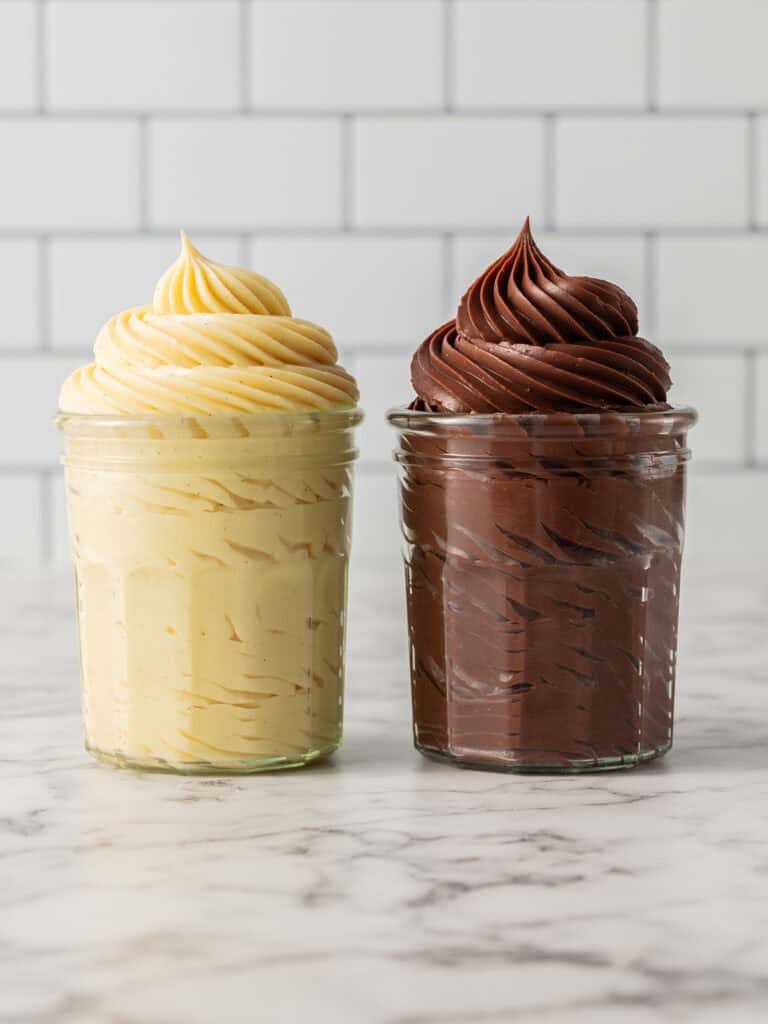
A common issue in home-made custards is the formation of lumps. Makrides’ solution is twofold: the use of a metal whisk rather than a silicone spatula, and the requirement of a stainless-steel pot for even heat distribution. By using an electric hand mixer to whip the custard immediately before assembly, he ensures a velvety, professional finish that is crucial for a layered cake.
The Art of the Glaze
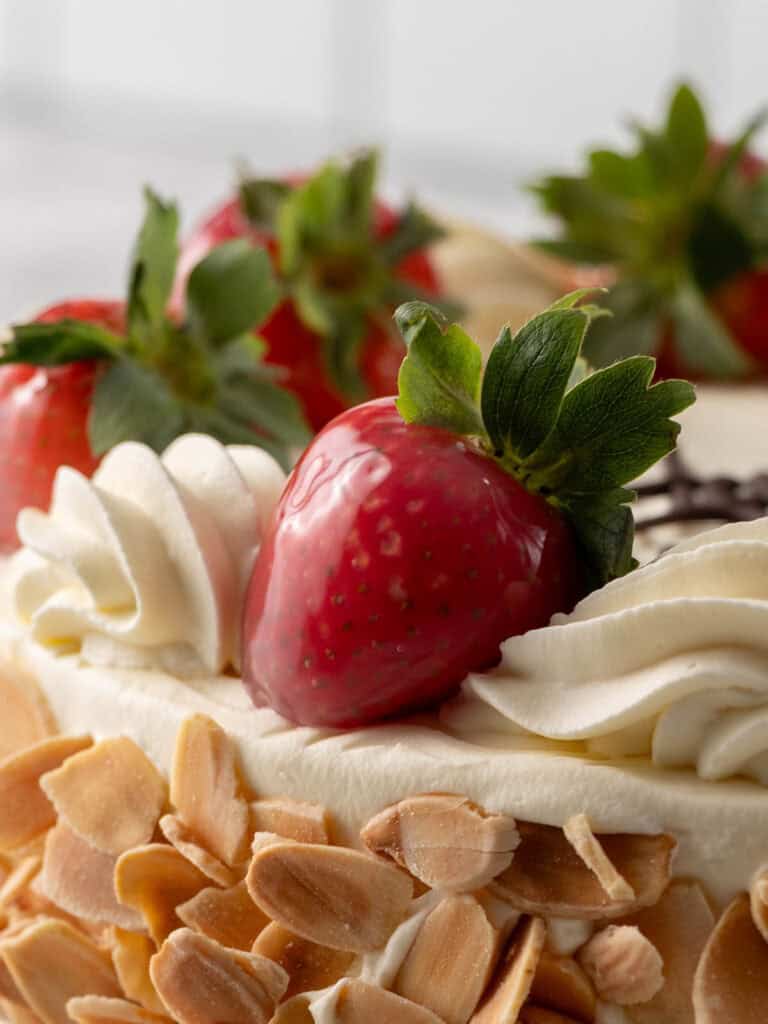
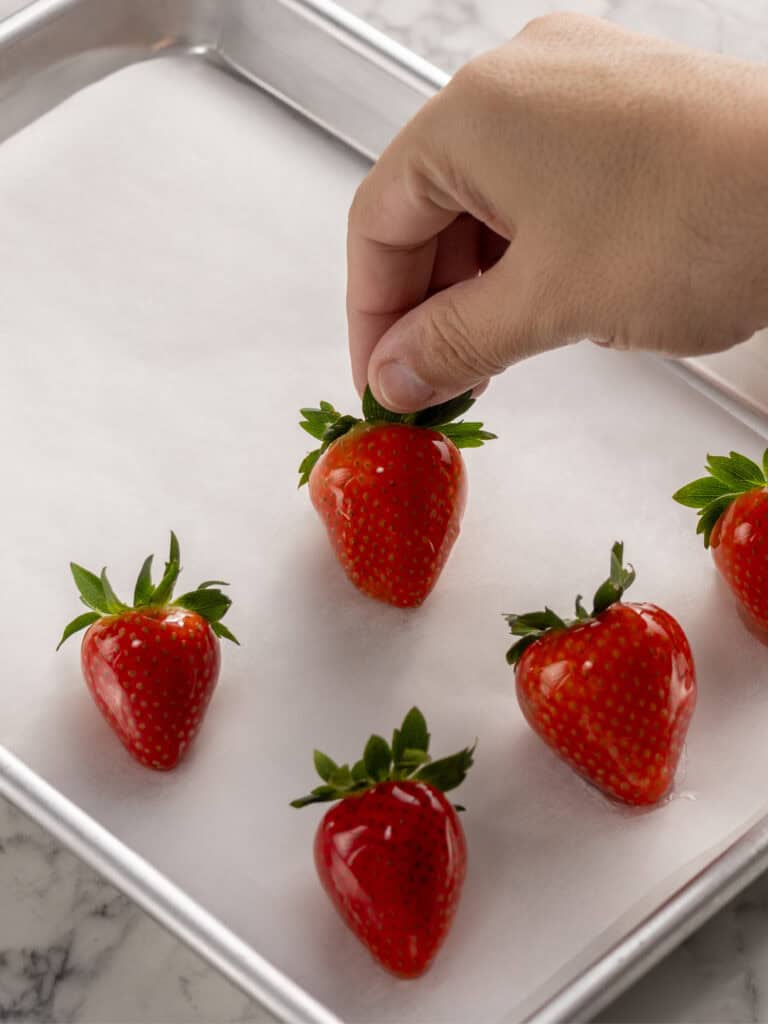
The strawberries that top the cake are not merely decorative; they are protected by a mirror glaze. This glaze, which prevents the fruit from oxidizing and turning dull, is a simple yet effective technique that requires precise temperature control. It is the final aesthetic touch that separates a standard dessert from a professional-grade pastry.
Culinary Implications and Cultural Resonance
The Continental Cake occupies a unique place in the social fabric of Australian multiculturalism. In communities where it is a staple, the act of serving a store-bought cake is often viewed as a slight departure from the standard of care expected at a family gathering.
The social value of this project lies in its accessibility. By providing a "bespoke" pathway—including a printable template for chocolate piping and a detailed two-day workflow—the recipe empowers home bakers to step into the role of the professional patissier. As Makrides notes, the ability to serve a cake of this caliber at a large-scale event creates a lasting impression, one that transcends the mere consumption of food.
Workflow Strategy: Planning for Success
Because of the complexity of the components, attempting to construct this cake in a single day is discouraged. A professional, two-day workflow is recommended:
Day 1:
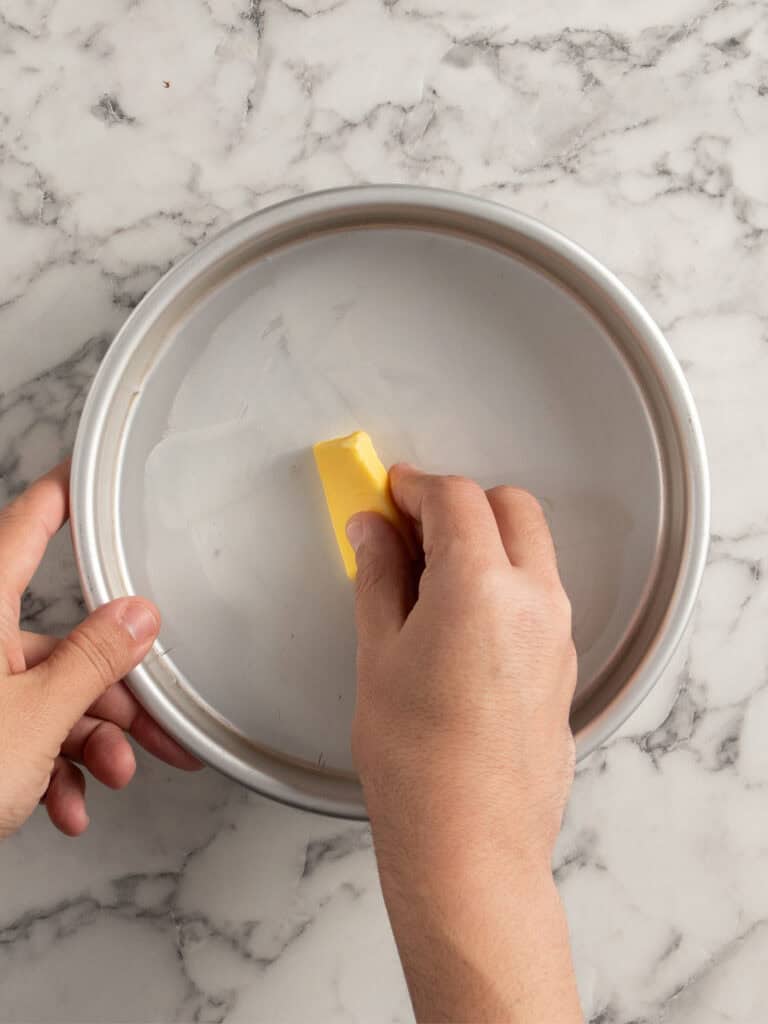
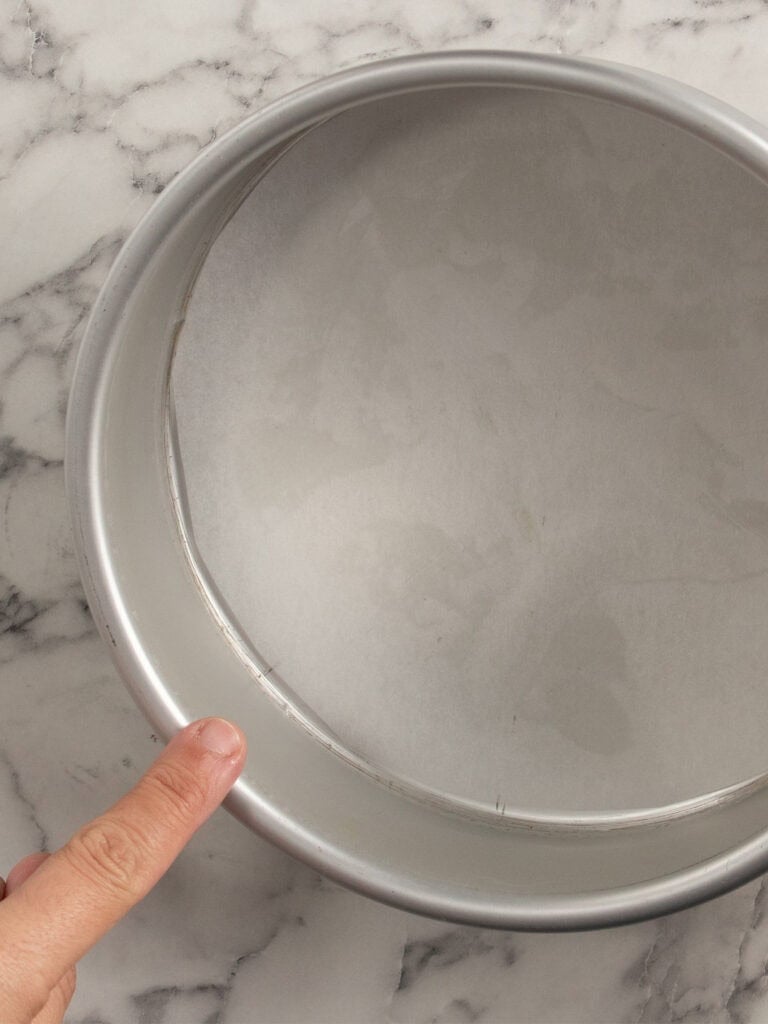
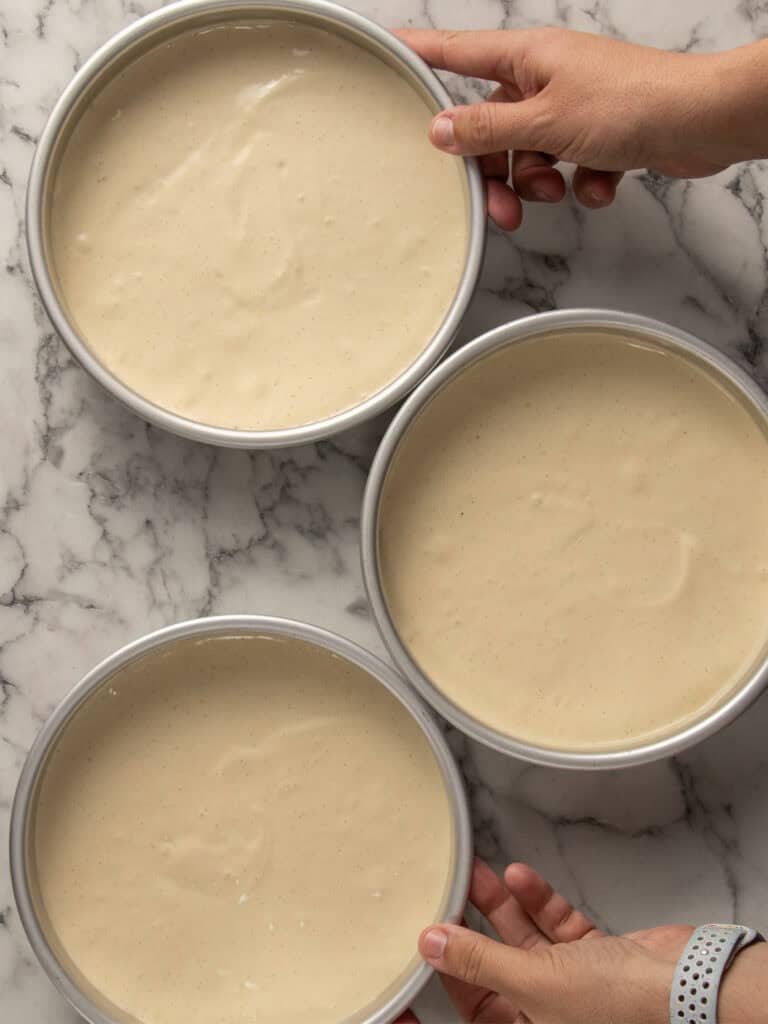
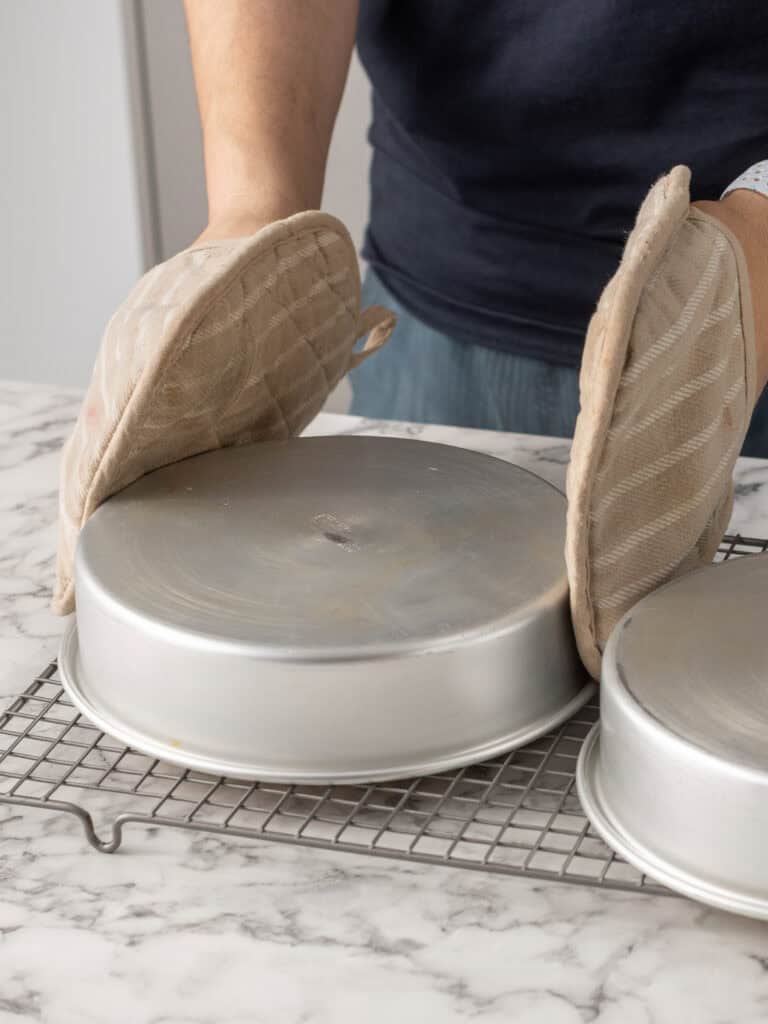
- Preparation of the chiffon sponge layers.
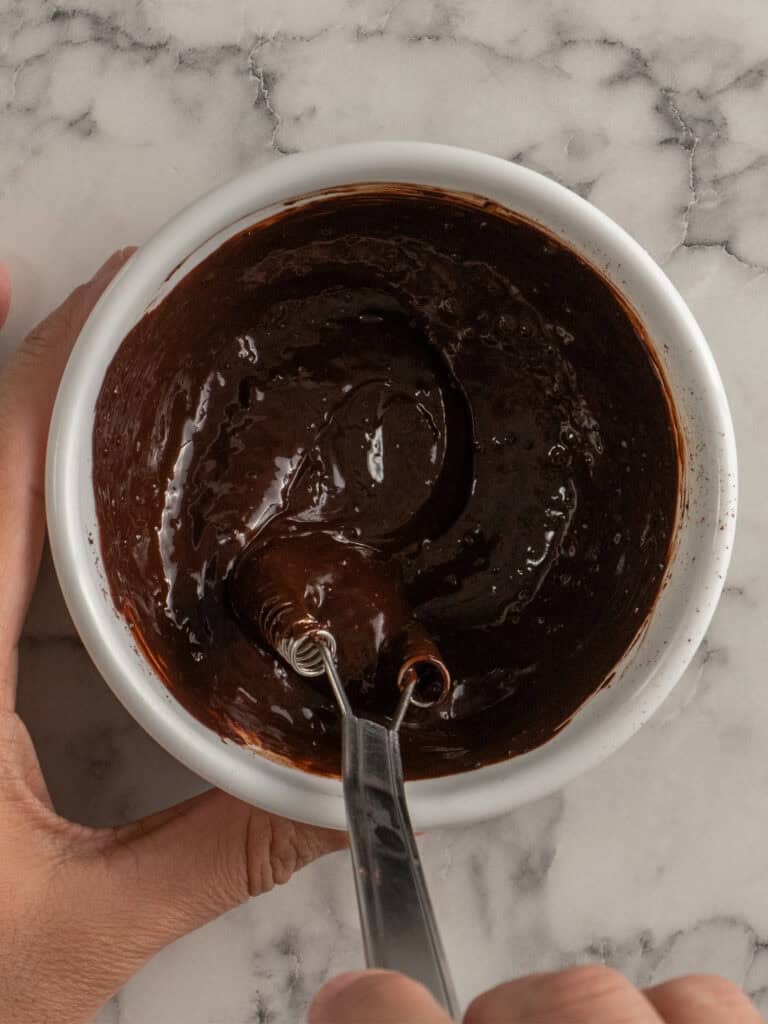
- Creation of the pastry cream and the cocoa slurry.
- Preparation of the rum-soaked syrup.
Day 2:
- Assembly of the layers (allowing for a minimum of 4 hours, or ideally overnight, to set).
- Preparation of the Chantilly cream and final decoration.
- Application of the strawberry glaze immediately before service.
Nutritional and Technical Notes
While this is a celebratory dessert, understanding the components is key to execution. The use of Dutch-processed cocoa powder is essential for the chocolate custard, as it provides a deep, non-acidic flavor profile. Furthermore, the use of weight-based measurements, rather than volume-based cups, is strictly advised to ensure the chemistry of the sponge remains consistent.

With an approximate caloric count of 430 kcal per slice, the recipe is designed to serve 20 people. It stands as a testament to the idea that with enough persistence and a rigorous, scientific approach to the culinary arts, even the most daunting bakery classics can be mastered within the domestic kitchen.

As the baking community continues to evolve, projects like these highlight a growing trend: the desire for "bakery-quality" results at home, driven by a deep appreciation for the technical skill required to turn simple flour, eggs, and cream into a masterpiece of structural engineering.


 Basiran
 Jia Lissa
