

 Dwi Wanna
 Nana Wu
 Muslim
 Reynand Wu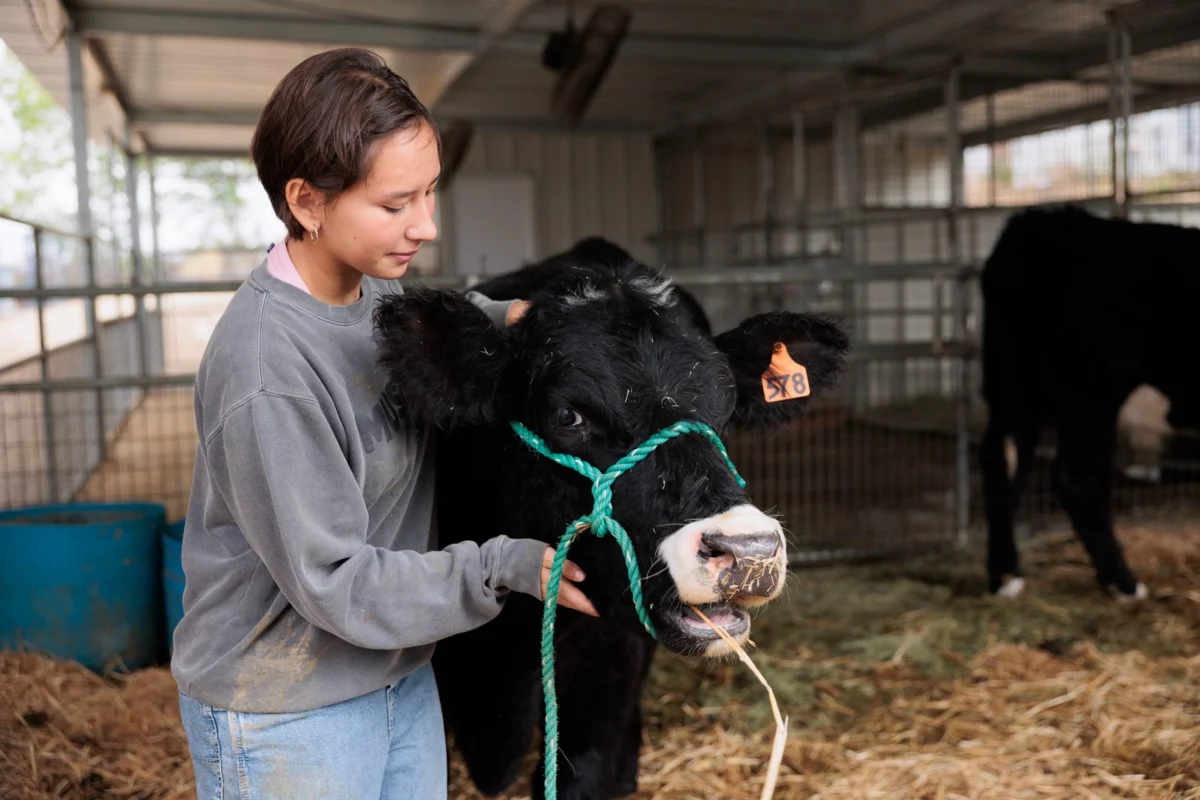
 Ammar Sabilarrohman
 Lina Hope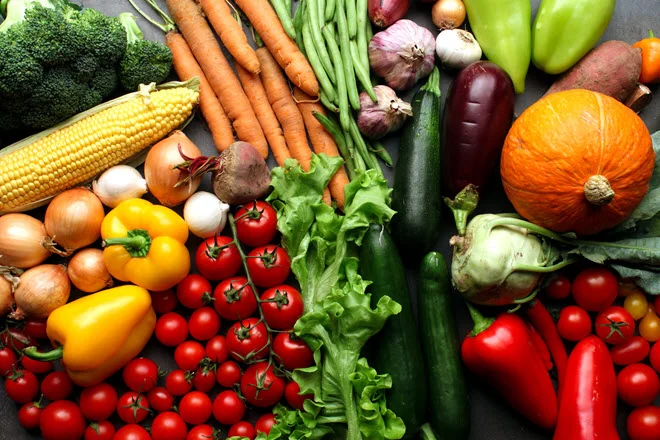
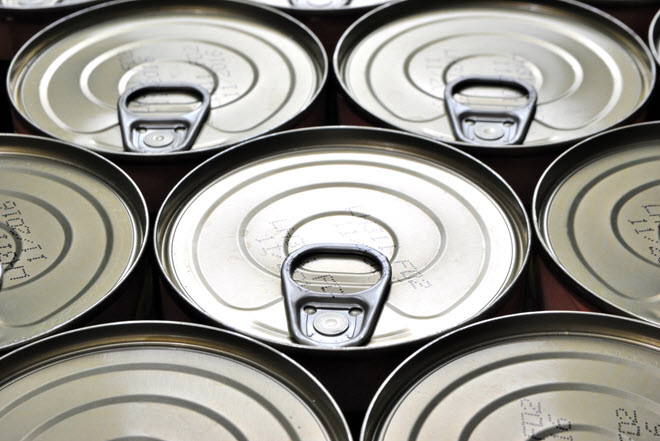
[Image: Canned Food items arranged neatly, suggesting a food drive donation.]
In a nation renowned for its affluence and agricultural abundance, the stark reality of widespread food insecurity remains a persistent, often hidden, crisis. Millions of Americans grapple daily with the fundamental uncertainty of their next meal, a challenge not born from scarcity, but from systemic poverty and economic instability. This article delves into the critical issue of food insecurity in the United States, examines the official and grassroots responses, and outlines practical, impactful ways individuals and communities can become vital advocates in the fight against hunger.
Main Facts: Unmasking the Scale of Hunger
Food insecurity, as defined by the United States Department of Agriculture (USDA), is the limited or uncertain availability of nutritionally adequate and safe foods, or limited or uncertain ability to acquire acceptable foods in socially acceptable ways. It is a condition distinct from outright hunger, which is a physiological sensation, but food insecurity often leads to hunger. It’s a nuanced problem, deeply intertwined with economic disadvantage rather than a lack of food production. The U.S. produces more than enough food to feed its entire population, yet logistical hurdles, waste, and, most critically, the purchasing power of its citizens, prevent equitable access.
In 2014, a staggering 48.1 million Americans found themselves living in food-insecure households. This included 32.8 million adults and a particularly alarming 15.3 million children. These figures represent not just statistics, but countless individual stories of families stretching meager budgets, skipping meals, or relying on less nutritious options to make ends meet. The thought that millions of children in our own neighborhoods regularly face uncertainty about their next meals underscores the urgency of this national challenge. While the numbers fluctuate annually, the underlying issue of widespread food insecurity remains a significant blot on the nation’s social landscape, demanding sustained attention and collective action.
Supporting Data: The Human Cost of Economic Disparity
The 2014 statistics paint a grim picture, revealing that roughly one in seven Americans experienced food insecurity. This pervasive issue disproportionately affects certain demographics, laying bare the deep-seated economic disparities within the country.
Vulnerable Populations:
- Families with Children: Households with children consistently experience higher rates of food insecurity, especially those headed by single women. The 15.3 million children living in food-insecure homes in 2014 faced not only the immediate discomfort of hunger but also long-term developmental and educational disadvantages.
- Low-Income Working Households: Many food-insecure individuals are not unemployed; they are the working poor, struggling with stagnant wages, underemployment, and the rising costs of housing, healthcare, and transportation. A full-time minimum wage job often isn’t enough to cover basic living expenses, let alone consistent access to nutritious food.
- Elderly Individuals: Senior citizens, particularly those on fixed incomes, are vulnerable to food insecurity as medical costs rise and retirement savings dwindle. Many must choose between purchasing medication and buying food.
- Rural vs. Urban Disparities: While urban centers often exhibit visible homelessness and poverty, rural communities face unique challenges, including limited access to grocery stores (food deserts), lack of public transportation, and fewer social services.
- Racial and Ethnic Minorities: Systemic inequalities contribute to higher rates of food insecurity among Black, Hispanic, and Indigenous communities, often stemming from historical discrimination in housing, employment, and education.
The Underlying Causes:
Beyond simple poverty, a confluence of factors drives food insecurity. These include:
- Stagnant Wages: For decades, real wages for many low-skilled workers have not kept pace with inflation or productivity gains.
- Rising Cost of Living: Housing, healthcare, and education expenses have soared, leaving less disposable income for food.
- Underemployment and Precarious Work: The rise of the gig economy and part-time work often means inconsistent income and lack of benefits.
- Unexpected Crises: A sudden job loss, medical emergency, or natural disaster can quickly plunge a stable household into food insecurity.
The economic costs of food insecurity are substantial, extending beyond individual suffering. Malnutrition can lead to increased healthcare expenditures, reduced educational attainment, and lower productivity in the workforce, creating a vicious cycle that perpetuates poverty across generations.
Official Responses: A Multifaceted Safety Net
Recognizing the gravity of food insecurity, both governmental bodies and large non-profit organizations have established a multifaceted safety net designed to provide critical assistance.
Federal Programs:
The U.S. government operates several key programs aimed at alleviating hunger:
- Supplemental Nutrition Assistance Program (SNAP): Formerly known as food stamps, SNAP provides eligible low-income individuals and families with financial assistance to purchase food. It is the largest federal food assistance program and plays a crucial role in reducing food insecurity.
- Special Supplemental Nutrition Program for Women, Infants, and Children (WIC): WIC provides nutritious foods, nutrition education, and healthcare referrals to pregnant women, new mothers, infants, and young children who are at nutritional risk.
- National School Lunch Program (NSLP) and School Breakfast Program (SBP): These programs ensure that children from low-income families receive free or reduced-price meals during the school day, recognizing the link between nutrition and academic performance.
- Summer Food Service Program (SFSP): When school is out, the SFSP fills the nutritional gap for children, providing meals and snacks at various community sites.
- Child and Adult Care Food Program (CACFP): This program provides healthy meals and snacks to children and adults in day care settings.
These federal initiatives form the backbone of the nation’s anti-hunger efforts, lifting millions out of the deepest levels of food deprivation. However, bureaucratic hurdles, eligibility restrictions, and insufficient funding often mean these programs do not reach everyone in need or provide enough support to completely eliminate food insecurity.
National Non-Profit Organizations:
Alongside government efforts, a robust network of non-profit organizations plays a pivotal role.
- Feeding America: As the nation’s largest domestic hunger-relief organization, Feeding America coordinates a network of over 200 food banks and 60,000 food pantries and meal programs across the country. They collect food from manufacturers, retailers, and farmers, then distribute it to local agencies.
- Local Food Banks and Pantries: These community-based organizations are on the front lines, directly distributing food to individuals and families. They rely heavily on donations, volunteers, and partnerships with local businesses and government agencies.
The combined efforts of these governmental and non-governmental entities create a crucial, though imperfect, safety net. They highlight a national commitment to addressing hunger, yet simultaneously underscore the persistent need for community-level action to supplement and support these broader initiatives.
Chronology: Planning and Executing Your Impactful Food Drive
While official responses provide a vital framework, the power of community-led initiatives, like food drives, cannot be overstated. These grassroots efforts directly channel resources to those in need, fostering local solidarity and awareness. Organizing a successful food drive requires meticulous planning and enthusiastic execution.
Hammering Out the Specifics: Defining Your Event’s Scope
The first step in any impactful food drive is to clearly define its scope and objectives.
- Set Your Goal: Do you envision a large-scale community event or a more modest, localized collection? The answer dictates your logistical needs.
- Identify Your Host Location: Consider where you can best leverage existing networks and communication channels. Options include your neighborhood, workplace, school, church, or a local community center. The key is to select a group you can communicate with effectively and motivate. For instance, a large corporate drive requires robust internal communication systems, whereas a neighborhood drive thrives on direct outreach.
- Form an Initial Planning Team: Reach out to trusted individuals within your chosen group who share your passion for the cause. Even a small core team can significantly lighten the planning load.
- Establish Event Mechanics: Decide on the duration and method of collection. Will it be a single designated day, time, and place for drop-offs, or an extended collection event over several days or weeks? Consider offering multiple collection sites or arranging pick-ups for larger donations.
- Choose Dates Wisely: Select dates that avoid major holidays, school breaks, or other events that might distract from your drive. A springtime school food drive, for example, would be most successful if collection dates avoid spring vacation.
Creative Event Formats: Beyond the Box
To maximize engagement, consider adopting creative event formats:
- "Fill-Up-the-Truck" Challenge: Encourage participants to collectively fill an entire box truck with donations. This visual goal can be highly motivating.
- Five-Pound Party: Guests bring five pounds of non-perishable food as their "entry fee," with a prize for the most items or heaviest donation.
- $5 Party: Guests are asked to spend $5 on non-perishable food items, with awards for the most items or biggest box.
- Themed Collection: Provide participants with themed bags (e.g., "Breakfast Bag," "Dinner Kit") to fill with specific items, simplifying donation choices.
- Food for Entry: For company parties, school dances, or community gatherings, require canned goods or non-perishable food items as the price of admission.
Remember, the chosen event type should align with the time and resources you can realistically dedicate. A smaller, well-executed drive is always more beneficial than an ambitious but failed one. Don’t hesitate to ask for help!
Put It All Together: Planning and Executing Your Drive
Once the specifics are hammered out, it’s time for detailed planning and execution.
1. Hold a Planning Meeting:
Gather your initial team to formalize roles and brainstorm.
- Choose a Theme: A compelling theme (e.g., "Harvest of Hope," "Holiday Meals for All") can capture attention and provide a cohesive identity for your drive.
- Develop a Catchy Slogan: A memorable slogan links the cause to your organization. Consider a poster contest to engage children and generate buzz.
2. Elect a Committee and Assign Roles:
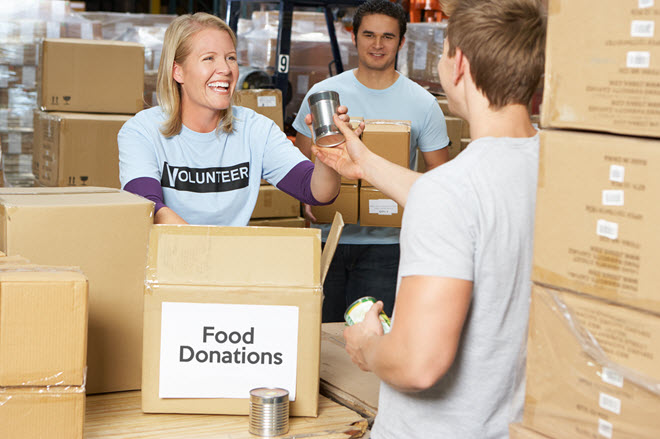
- Overall Coordinator: Likely your role, overseeing all aspects.
- Team Leaders: Designate leaders for key tasks such as food sorting, donation collection logistics, advertising, and volunteer management.
- Clear Responsibilities: Ensure each leader understands their duties, key dates, and has access to all necessary information. Create a volunteer roster with contact details for easy communication.
3. Finalize Collection Logistics:
- Drop-off Locations: Prioritize convenience, high traffic, and, for single-day events, an indoor option to mitigate weather risks. Local businesses, schools, churches, and grocery stores are excellent choices. Approach managers or principals with a clear proposal detailing your organization, goals, and dates.
- Transportation: Plan how donations will be moved from collection sites to the benefiting organization. This might involve volunteer vehicles or coordinating with the food bank.
4. Partner with Your Beneficiary Organization:
- Early Communication is Key: Contact the local food bank, pantry, or shelter early in the planning process. Inform them of your intent to donate and, crucially, inquire about their most pressing needs. They often have specific shortages (e.g., low-sodium items, baby formula, specific cultural staples) that can make your donations far more impactful. This avoids overwhelming them with items they already have in abundance.
5. Launch a Comprehensive Advertising Campaign:
Effective promotion is vital for success.
- Traditional Media: Send press releases to local newspapers, radio stations, and TV news channels. They might feature your event or include it in community calendars.
- Digital Outreach: Leverage company or school newsletters, local community websites, and social media platforms. Create an event page on Facebook, share updates on Twitter, and document your journey on a blog.
- Community Engagement: Post flyers at local libraries, community centers, churches, and grocery stores. Word-of-mouth remains incredibly powerful.
6. Engage and Incentivize Participants:
Sustaining momentum throughout the drive requires ongoing engagement.
- Retailer Partnerships: If working with a retailer, discuss potential incentives for employee involvement, in-store flyers, or asking customers for donations at the register. A holiday gift-wrapping station in exchange for canned goods can be highly effective.
- Prizes and Games: Offer incentives for participation. Schools could provide discounted event tickets, while companies might offer casual dress days. Local businesses can donate items for raffles. Creative games, like building sculptures from canned goods or voting in a photo contest with food donations, add a fun element.
- Track and Share Progress: Regularly update participants on your progress towards your goal. Post photos, create a dedicated website or social media page, and share results in newsletters. Visualizing the collective impact keeps excitement high.
- "Donation Jar" Policy: Adapt a "swear jar" concept. For minor office infractions (e.g., late for a meeting, phone ringing), require a small food donation.
[Image: A "swear jar" repurposed as a "donation jar" filled with small food items or coins.]
Think Outside the Box: Alternatives to Traditional Food Drives
While traditional food drives are invaluable, there are many other ways to advocate for hunger relief, particularly for those with limited time for extensive organizing.
Individual & Household Contributions:
- Pantry Clean-Out: Regularly go through your cabinets and donate unopened, non-expired food items from parties, barbeques, or forgotten purchases.
- Coupon Power: Utilize coupons and sales to purchase non-perishable food items specifically for donation, maximizing your giving power.
- Donations Instead of Gifts: For birthdays, anniversaries, or other celebrations, ask friends and family to bring non-perishable food items instead of gifts.
- Farmers Market Collections: Set up a stand at a local farmers market or community event (like a 5K race or music festival) to collect donations. Many attendees will be health-conscious and willing to contribute.
Large-Scale Community Events:
For those seeking a broader impact, organizing a community meal can be deeply rewarding.
- Host a Community Lunch or Dinner: Plan your own menu to cook, or organize a potluck where volunteers contribute home-cooked dishes.
- Logistical Considerations: Choose a neutral, non-religious, and conveniently located venue. Coordinate with local health departments for necessary permits and guidelines.
- Partnerships: Many organizations, like local shelters, offer programs where individuals or groups can prepare and serve home-cooked meals to their guests, simplifying some logistics.
- Broad Community Participation: Large events can attract wide participation. Consider setting up booths for public health assistance, ID services, or even free haircuts donated by local barbers. Invite local radio stations to broadcast live, generating publicity and engagement.
- Engage Celebrity Chefs: Reach out to local chefs. Many are passionate about hunger causes and may donate their time, expertise, or even incorporate charity into their business models. Even if they can’t participate directly, they might provide valuable referrals.
Direct Volunteering: The Backbone of Relief Efforts
Sometimes, the most direct and profound contribution is simply donating your time.
- Volunteer at a Soup Kitchen or Food Pantry: Even one or two nights a week can make an immense difference. Community kitchens and food banks always need hands-on help.
- Diverse Roles: Volunteers might prepare and serve meals, sort and distribute canned goods and clothing, clean facilities, fold linens, or assist with inventory management. No matter your skills or strengths, there’s a vital role you can play. This direct engagement offers a powerful, tangible connection to the community you are serving.
Shop Smart: Maximizing the Impact of Your Food Donations
While every donation is appreciated, strategic choices can significantly enhance the value of your contributions to food banks and those they serve.
Best Foods for General Donation Drives:
Prioritize nutrient-dense, shelf-stable items that are versatile and meet common dietary needs.

- Canned Proteins: Tuna, salmon, chicken, peanut butter, and dried beans (black beans, kidney beans, chickpeas) are excellent sources of protein.
- Grains: Pasta (whole grain or regular), rice (brown or white), macaroni and cheese boxes, and whole-grain cereals (rolled oats, corn flakes, raisin bran, high-fiber varieties).
- Canned Fruits: Choose fruits packed in their own juices or light syrup, rather than heavy syrup.
- Canned Vegetables: Opt for low-sodium or "no salt added" varieties.
- Soups: Protein-based soups like beef stew, chili, chicken noodle, and turkey rice are highly valued.
- Dairy & Alternatives: Evaporated milk, shelf-stable milk cartons, or powdered milk.
- Healthy Snacks: Dried fruit, whole-grain crackers, trail mix, fruit cups, unsweetened applesauce.
- Sauces & Broths: Low-sodium pasta sauce, chicken, beef, or vegetable broths and stock.
Practical Considerations:
- Pop-Top Lids: Canned goods with pop-top lids are preferable, especially for individuals who may not have access to a can opener.
- Avoid Glass Jars: Glass containers can break easily during transport and pose a safety hazard.
- Check Expiration Dates: Ensure all donated items are well within their expiration date.
- Culturally Appropriate Foods: If you know the demographic served by your local food bank, consider donating culturally relevant items (e.g., specific spices, grains, or canned goods).
Pet Food Donations: A Thoughtful Addition
Don’t forget the furry members of the family! Many food-insecure households struggle to feed their pets, leading to difficult choices or surrender to shelters.
- Dry or Canned Pet Food: Dog and cat food are always welcome.
- Other Pet Supplies: Bird seed or fish food can also find good homes.
These donations, even if not the main focus, can make a significant difference in keeping families and their beloved pets together.
"Superfoods" for Community Meal Events:
If you’re cooking for a large-scale event, integrating nutrient-packed "superfoods" can maximize the nutritional impact of each meal, especially for individuals whose diets may lack essential vitamins and minerals.
- Leafy Greens: Kale, spinach, and collard greens are rich in vitamins and minerals.
- Legumes: Lentils, chickpeas, and black beans are inexpensive sources of protein and fiber.
- Root Vegetables: Carrots and sweet potatoes are budget-friendly and packed with vitamins.
- Healthy Fats: Avocados (though pricier, can be used in moderation), nuts (raw almonds), and seeds.
- Fruits: Oranges and apples are readily available and nutrient-dense.
- Affordable Proteins: Chunk-light tuna (a good substitute for salmon), eggs, and chicken.
The Food Network and Campbell’s Soup websites offer numerous budget-friendly recipes that can be adapted for large-scale cooking, ensuring meals are both nutritious and economical.
[Image: A vibrant display of fresh vegetables and fruits, symbolizing healthy, nutritious food options.]
Implications: A Healthier, More Equitable Future
Food drives and other hunger advocacy efforts are far more than just charitable acts; they are powerful statements of community solidarity and collective responsibility. The difference you make, whether by organizing a large-scale event or volunteering a few hours at a soup kitchen, is ultimately immeasurable. Beyond providing immediate relief, these actions:
- Improve Health Outcomes: Access to nutritious food directly combats chronic diseases associated with poor diet and can significantly improve the physical and mental well-being of individuals.
- Enhance Educational Attainment: Children who are food-secure perform better in school, have fewer behavioral issues, and are more likely to pursue higher education.
- Boost Economic Productivity: A well-nourished workforce is a more productive workforce, contributing to stronger local economies.
- Strengthen Community Bonds: Working together to address hunger fosters a sense of shared purpose and resilience within communities.
- Raise Awareness and Advocate for Change: Each food drive, each meal served, shines a light on the persistent issue of food insecurity, encouraging broader dialogue and advocating for systemic policy changes that address the root causes of poverty.
Becoming a community hunger advocate is one of the most impactful choices you can make. It’s a commitment to a healthier, more equitable future where no one in America has to wonder where their next meal will come from.
Additional Helpful Resources
- Feeding America: www.feedingamerica.org
- USDA Food and Nutrition Service: www.fns.usda.gov
- DoSomething.org: www.dosomething.org
- Create The Good (AARP Foundation): www.createthegood.org
- Your Local Food Bank Website: (Search online for "[Your City/County] Food Bank")


 Iffa Jayyana
 Ali Ikhwan