
 Dwi Wanna
 Nana Wu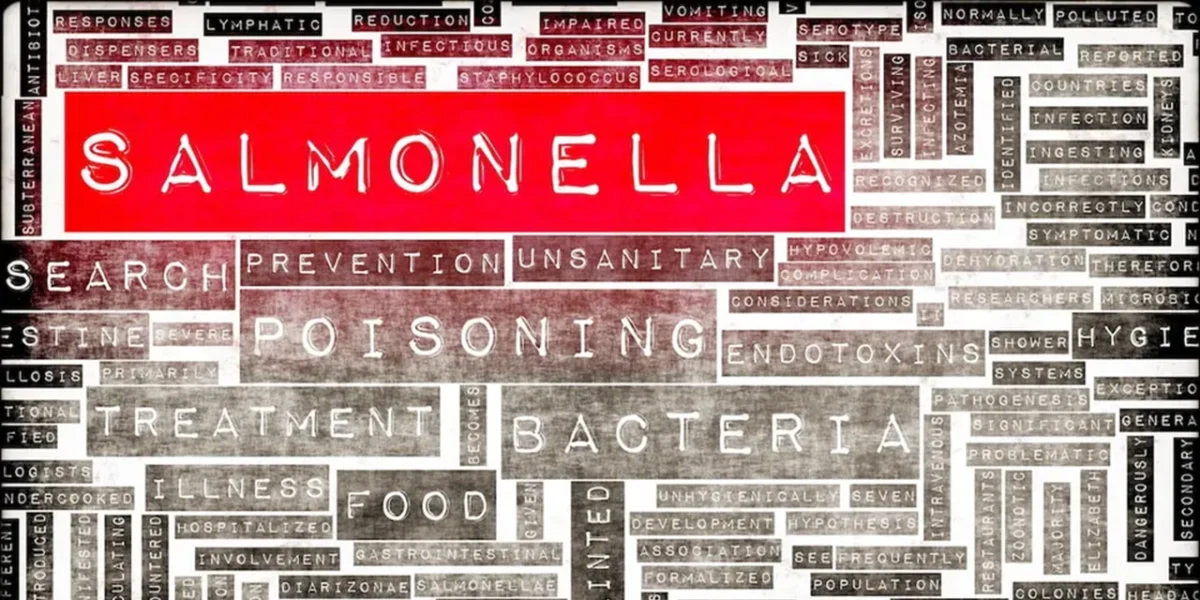
 Muslim
 Reynand Wu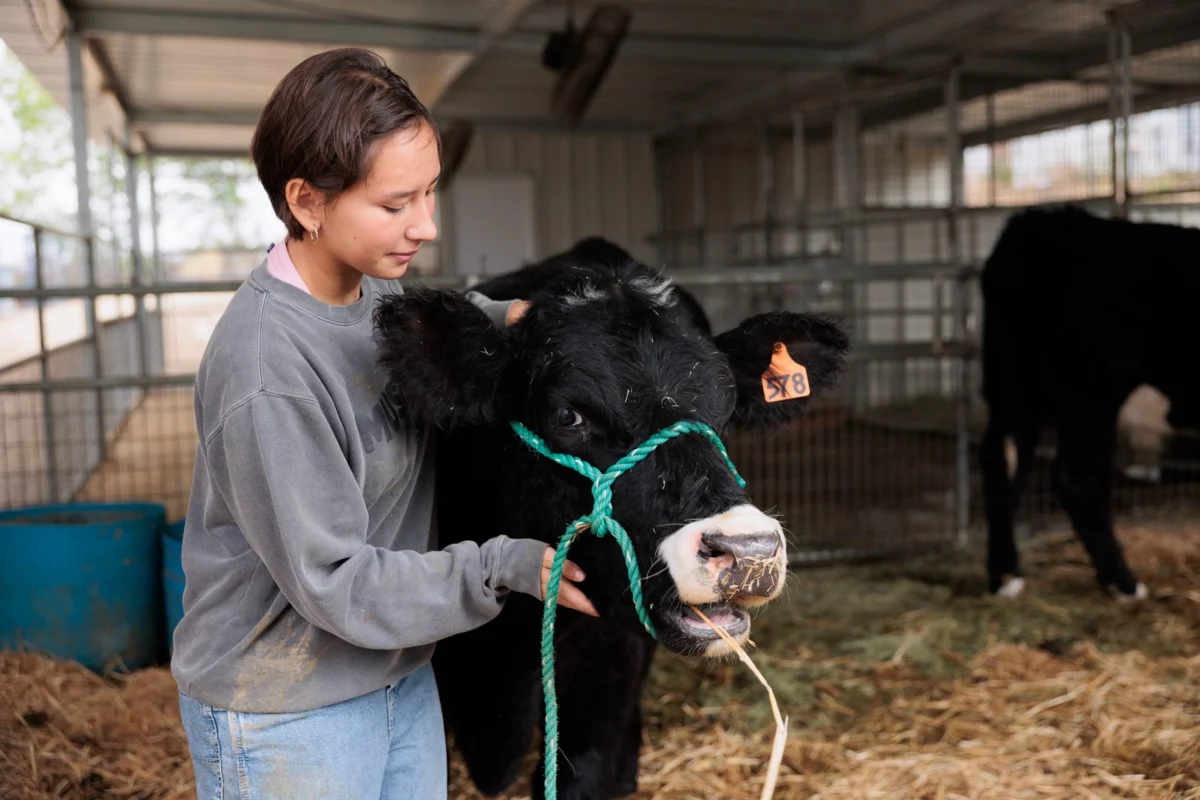
 Ammar Sabilarrohman
 Nana
Nana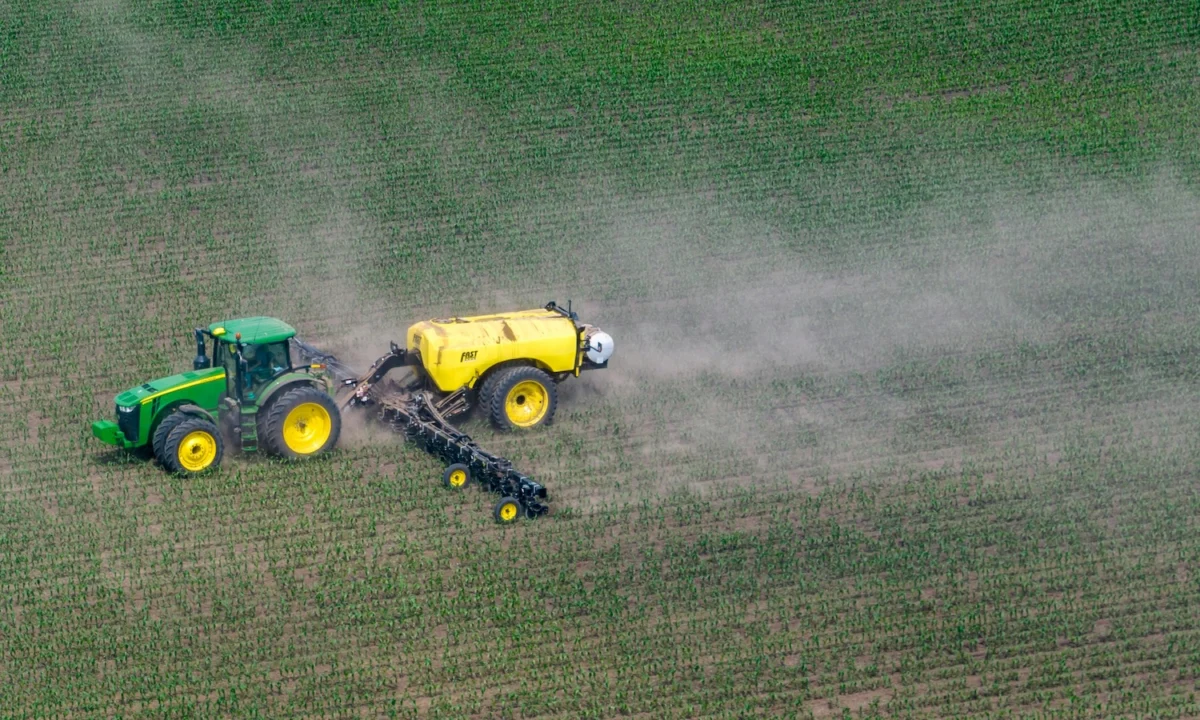
Each week, Food Tank curates a selection of news stories that challenge our understanding of the food landscape. From the polarizing rise of raw milk and the resurgence of parasitic threats to livestock, to the promising shifts toward regenerative agriculture and community-led conservation, this week’s headlines highlight a food system in flux.
The Raw Milk Controversy: Public Health vs. Personal Freedom
The debate surrounding the consumption of unpasteurized—or “raw”—milk has intensified in recent years, evolving from a niche dietary preference into a contentious political issue.
The Main Facts and Chronology
Data from NielsenIQ reveals that weekly sales of raw milk in the United States surged by as much as 65 percent between 2023 and 2024. This trend has been propelled by a vocal movement of proponents who claim that raw milk offers superior probiotic benefits, helps alleviate allergies, and aids in managing lactose intolerance.
However, the medical consensus remains starkly at odds with these testimonials. Brown University Health and the Centers for Disease Control and Prevention (CDC) have repeatedly issued warnings, noting that unpasteurized milk is a known vector for dangerous pathogens, including E. coli, Listeria, Brucella, and Salmonella. These bacteria pose a disproportionate risk to vulnerable populations, specifically children under the age of 5, adults over 65, pregnant individuals, and those with compromised immune systems.
The danger was underscored just last week, when the Idaho Department of Health and Welfare reported that 60 individuals fell ill following the consumption of raw milk, serving as a grim reminder of the risks involved.
The ProPublica Investigation
The rise of the industry is perhaps best exemplified by Mark McAfee, a prominent figure in the raw milk movement. Once a producer of conventional pasteurized dairy, McAfee transitioned his operations to raw milk in the early 2000s after witnessing the burgeoning demand. In 2011, he established a nonprofit dedicated to advocating for the perceived health benefits of raw products.
A recent investigation by ProPublica paints a concerning picture of the industry’s safety record. While McAfee has publicly acknowledged that his products have caused illness, he has consistently downplayed the severity. Internal data and regulatory reports suggest a more systemic issue: since 2006, his farm has been linked to eight distinct outbreaks, resulting in over 230 reported illnesses and at least 40 hospitalizations. Experts suggest these figures likely represent only a fraction of the actual total, as many cases go unreported.
Implications and Official Stance
The tension between the “raw milk movement” and public health authorities is exacerbated by the current political climate. Proponents, such as Health Secretary Robert F. Kennedy Jr., have actively promoted raw milk, framing its consumption as a matter of “true American freedom.” This political endorsement has emboldened consumers, leading many to dismiss scientific warnings as unfounded. As one consumer from California noted, the prospect of illness is viewed by some as “slim to none,” highlighting a deep-seated skepticism toward institutional health guidelines.
Beyond Synthetic Pesticides: A New Roadmap for Africa
In a significant contribution to agricultural discourse, the African Centre for Biodiversity (ACB) has released a new briefing paper that challenges the long-held assumption that industrial synthetic pesticides are indispensable for food security in Africa.
Supporting Data and Methodology
The ACB’s analysis, which synthesizes findings from 90 scientific studies conducted over the last 15 years, argues that Africa already possesses the necessary tools to pivot away from chemical dependency. The report emphasizes that a range of biological and agroecological approaches—such as intercropping, the use of botanical pesticides, and the enhancement of natural predator populations—are successfully helping farmers manage pests while simultaneously improving soil health and crop yields.
Implications for Future Policy
Despite these successes, the paper identifies systemic barriers preventing the scaling of these methods. Currently, most agroecological initiatives remain confined to small-scale pilot or experimental settings. The authors attribute this to a lack of institutional support, regulatory gaps, and limited investment.
Mariam Mayet, Director of the ACB, emphasizes that a shift in perspective is required. "Productive and resilient food systems do not require escalating chemical use," she asserts. "They require ecological integrity, functional biodiversity, and policies that support farmers to work with nature rather than against it." The study suggests that if governments prioritize integrated, system-level solutions, the transition to a pesticide-reduced future is not only possible but necessary for the long-term viability of the continent’s food systems.
Marine Conservation: A Grassroots Solution for Endangered Species
In Ghana, marine biologist Issah Seidu is pioneering an innovative model to protect the critically endangered guitarfish, a family of rays whose populations have been decimated by overfishing.
The Problem and the Pivot
More than half of all guitarfish species are now listed as critically endangered by the International Union for Conservation of Nature (IUCN). In Ghana, where guitarfish meat is a local delicacy, traditional conservation efforts often failed because they did not address the economic reality of the fishing communities.
Seidu’s approach, which began in 2019, focused on building relationships with local fishers. Through extensive training and dialogue, he helped the community understand the extinction crisis facing the guitarfish. The turning point came when Seidu introduced an alternative: the farming of African land snails.
Economic and Ecological Success
Giant land snails serve as a lucrative, high-protein alternative with low entry costs. By incentivizing this shift, Seidu has successfully convinced approximately 200 fishers to reduce or cease their guitarfish operations. This success has encouraged Seidu to set his sights on an even larger goal: the establishment of Ghana’s first locally managed marine protected area. This grassroots effort is being heralded by conservationists as a blueprint for balancing economic necessity with environmental stewardship.
Livestock Alert: The Return of the New World Screwworm
Public health and agricultural officials are currently on high alert following the detection of the New World Screwworm (NWS) in the United States.
Official Responses and Current Status
The U.S. Department of Agriculture (USDA) and the Animal and Plant Health Inspection Service (APHIS) have confirmed at least nine cases of NWS in Texas and New Mexico. The NWS is a parasitic fly whose larvae feed on the living tissue of warm-blooded animals. Infestations are not only painful for the animals but can be fatal, leading to significant economic losses for the livestock industry.
Joint federal-state task forces are currently conducting surveillance and response operations to contain the spread. In a precautionary move, Canada has implemented temporary restrictions on the import of livestock—including horses—from the affected regions in the U.S.
Food Safety Implications
Despite the severity of the threat to livestock, the USDA has moved to reassure the public. Officials have confirmed that the New World Screwworm does not infect fruits, vegetables, or processed meat products, and that the U.S. food supply remains safe for consumption.
Media Spotlight: "Groundswell" and the Regenerative Future
The conversation surrounding regenerative agriculture has been further amplified by the release of the documentary Groundswell, now available on Amazon Prime.
The Documentary Series
Directed by Josh and Rebecca Harrell Tickell, Groundswell is the final chapter of a trilogy that includes Kiss the Ground (2020) and Common Ground (2023). Narrated by Woody Harrelson and Demi Moore, the film explores how regenerative farming is being implemented by Indigenous leaders, scientists, and farmers across five continents.
Global Implications
The film does more than just document the practice; it serves as a call to action. In tandem with the film’s release, the directors launched "One Billion Acres," a global campaign aimed at accelerating the transition of farmland toward regenerative practices. By showcasing the tangible results of soil health restoration, the creators hope to shift the global agricultural narrative toward a system that regenerates the environment rather than depleting it.
Articles like the one you just read are made possible through the generosity of Food Tank members. We invite you to join our growing movement to build a more sustainable, equitable, and nutritious food system. Become a member today by visiting our website.

 Sagoh
Sagoh