Evan Lee Salim

 Asro
 Basiran
 Neng Nana
 Nila Kartika Wati

For decades, the standard for airline wine was a lukewarm, nondescript pour—a beverage often chosen more for its durability at room temperature than for its ability to impress a discerning palate. However, as the competition for the premium traveler intensifies, the “sky-high” wine experience is undergoing a radical metamorphosis. Leading this charge is United Airlines, which, in a pioneering collaboration with Sonoma-based winemaker Jesse Katz, has moved beyond simply buying bulk labels to engineering a wine specifically designed to thrive at 35,000 feet.
The Genesis of Air and Vine
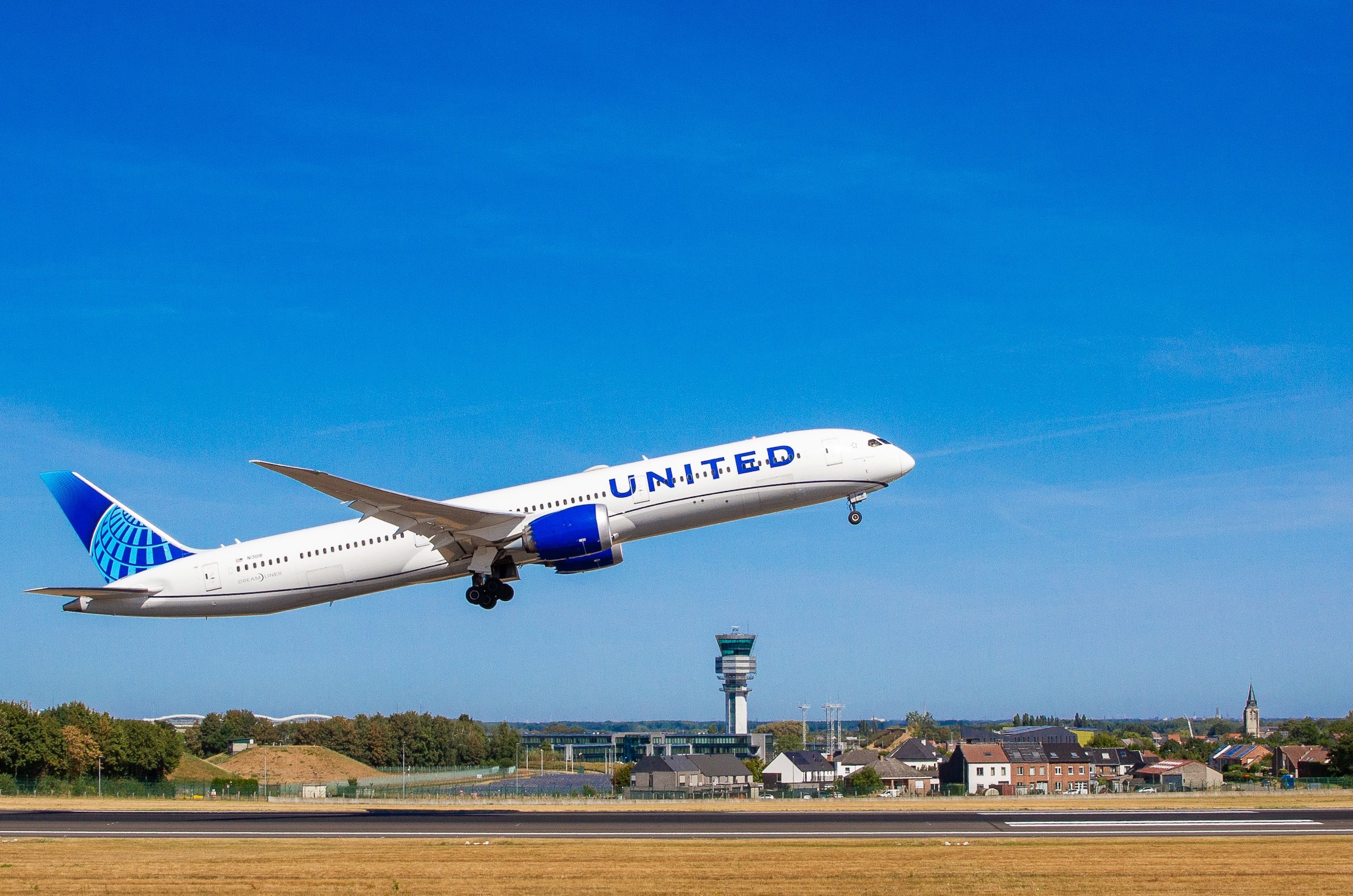
The project, which culminated in the creation of Air and Vine, represents a significant departure from traditional airline procurement. Jesse Katz, the acclaimed winemaker behind Aperture Cellars, found himself facing a unique challenge: creating a blend that could withstand the atmospheric pressures of a pressurized Boeing 787 cabin.
After nine iterative trial blends, Katz finally landed on a composition that married the lush fruit profiles of Sonoma County’s Farrow Ranch with the structural integrity required for high-altitude consumption. The final result, a 2024 blend scheduled for service in the Polaris business class cabin by 2028, consists of 76% Cabernet Sauvignon, 12% Malbec, 6% Merlot, 4% Petit Verdot, and 2% Cabernet Franc.
This was not merely a marketing exercise. Katz, who grew up traveling the world with his father, renowned photographer Andy Katz, credits his career to the very skies he is now helping to refine. For him, this project was an opportunity to bridge the gap between his heritage as a globetrotter and his mastery of the vine.
Chronology of a Culinary Shift
The transformation of United’s wine program was not an overnight decision, but a calculated pivot.
- Early 2024: Passengers began noticing a marked improvement in the quality of wines served in Polaris, with names like Heitz Cellar, Domaine Serene, Catena, and VIK appearing in the rotation.
- March 2024: Frequent travelers and wine critics noted the shift was significant enough to warrant investigation.
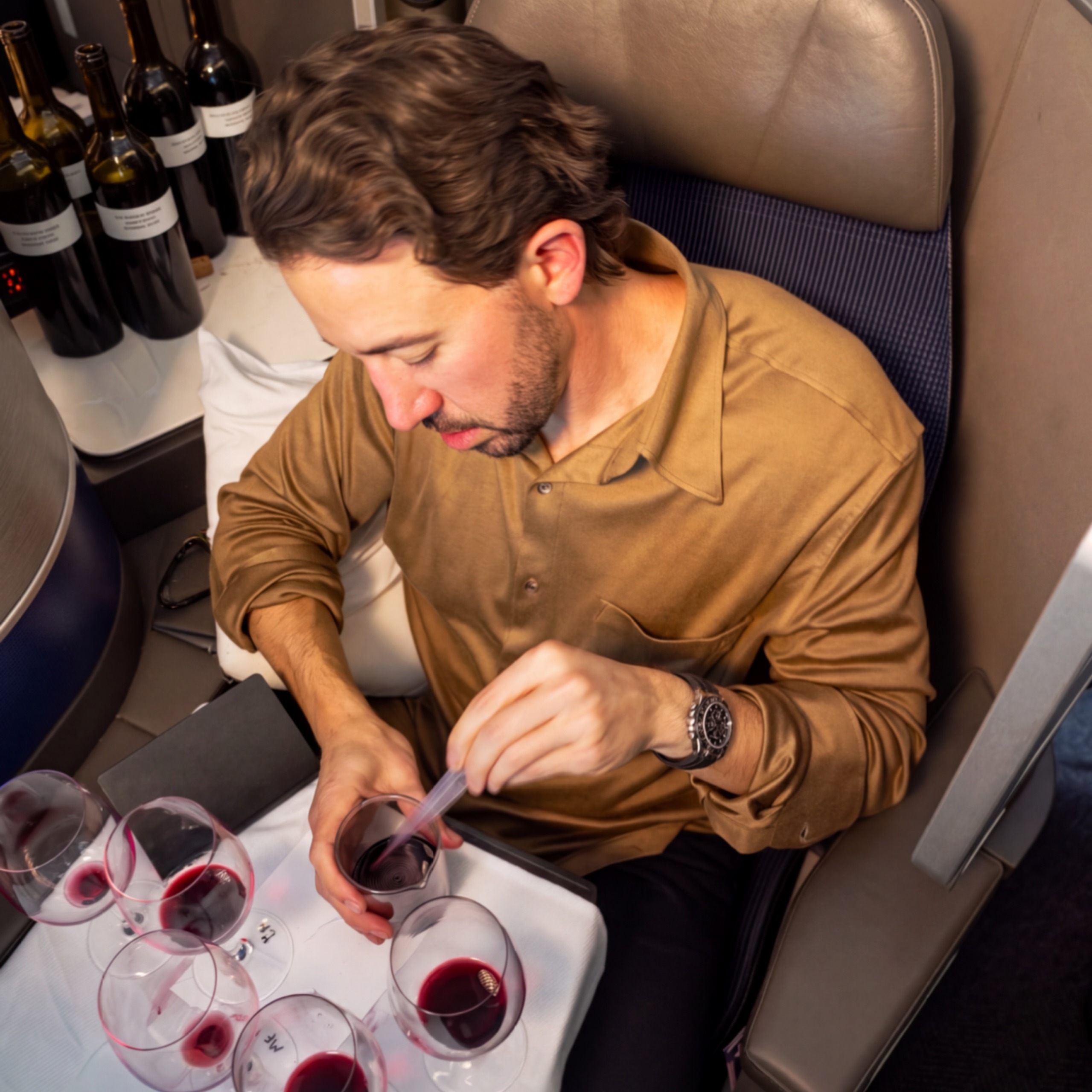
- September 2024: Jesse Katz conducted high-altitude tasting trials on a flight from New York to San Francisco. By tasting wine components mid-flight and immediately replicating the environment on the ground, he mapped exactly how cabin air muted aromatics and intensified perceived acidity and tannins.
- Late 2024/Early 2025: Implementation of the “Studio Polaris” seat experience, featuring redesigned interiors and interactive tasting flights.
- 2028: The formal introduction of the bespoke Air and Vine blend into the permanent rotation.
The Physics of Flavor: Why Altitude Changes Everything
The science of tasting at altitude is a well-documented, albeit often ignored, hurdle for airlines. Dry, pressurized cabin air significantly diminishes a passenger’s sense of smell, which is responsible for roughly 80% of perceived flavor. Simultaneously, the low-humidity environment can make wines taste more astringent, highlighting tannins and acidity while masking fruit-forward notes.
Katz’s process for Air and Vine was surgical. By understanding that cabin air “mutes” the aromatics, he intentionally adjusted the proportions of the blend to emphasize the mid-palate and the fruit-forward characteristics that would otherwise be lost. By “blending away” from the elements that become too harsh at altitude, Katz created a wine that achieves a level of complexity and balance rarely seen in commercial aviation.
Supporting Data: The Logistics of Scale
Developing a high-end wine program for a global carrier is a logistical marathon. According to Aaron McMillan, United’s managing director of hospitality programs, the challenge is one of sheer volume. A standard wine rotation lasts approximately three months and requires between 6,000 and 7,000 cases of wine.
This volume requirement traditionally excludes smaller, artisanal producers who simply cannot supply that level of stock. United has attempted to circumvent this by shortening the duration of certain offerings—such as the one-month feature of VIK wines—but the custom-blend model represents the most sustainable long-term solution. By partnering with winemakers, United can secure consistent supply chains while maintaining the “luxury cachet” that its Polaris customers demand.
Official Responses: Elevating the Cabin Experience
The shift is a core component of United’s strategy to remain competitive on long-haul international routes. Aaron McMillan is clear about the motivations: “When you think about luxury travel, premium travel, the investments customers are making to have this experience on board, you can’t neglect one part and leave the wine program behind. It’s got to keep pace with everything we’re doing.”
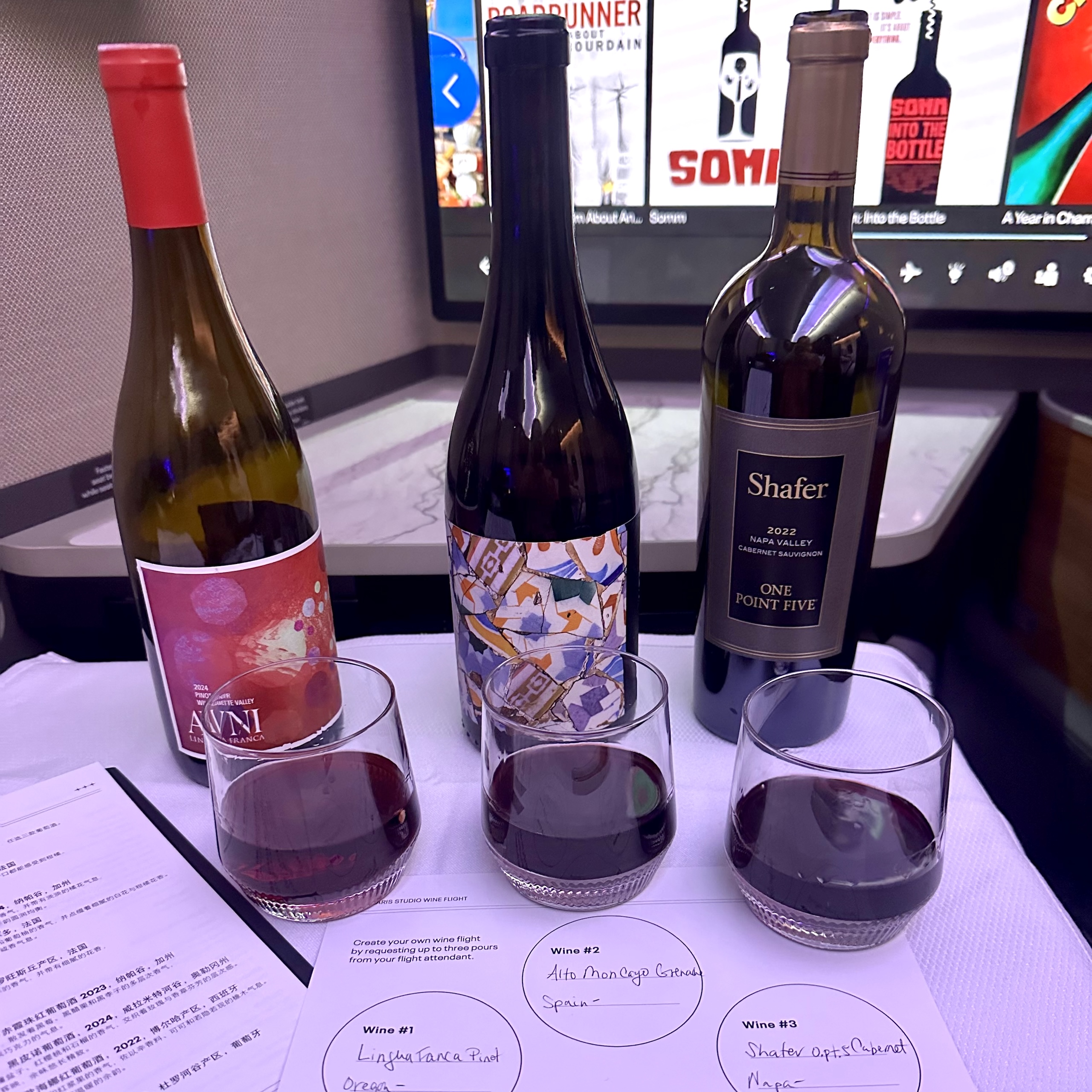
This investment in the "soft product"—the service and amenities—is designed to complement the “hard product,” namely the new Studio Polaris seats and the Elevated Interiors of the updated Boeing 787 fleet. By treating the wine list with the same rigor as the aircraft seating configuration, United is positioning itself as a leader in experiential travel.
Implications for the Airline Industry
United is not acting in a vacuum. The entire industry is currently experiencing a "renaissance of the pour."
- American Airlines: In May, they launched a sweeping refresh of their wine list, focusing on high-profile, recognizable California labels to satisfy the domestic premium market.
- Delta Air Lines: In October, Delta overhauled its Delta One wine program by enlisting Master Sommelier Andrea Robinson. Notably, Delta incorporated customer feedback by having SkyMiles members blind-taste potential selections, ensuring that the final list was not just "expert-approved," but "passenger-proven."
The implications are clear: wine has moved from being an afterthought to a competitive differentiator. For the traveler, this means that the days of settling for "whatever is open" are numbered.
Beyond the Bottle: The Interactive Experience
Perhaps the most innovative aspect of United’s new program is not just the liquid itself, but the delivery mechanism. The airline has introduced a perforated tasting sheet in the back of the menu for aircraft with Elevated interiors. This allows passengers to select three wines and compare them side-by-side, effectively bringing a professional tasting flight to their seat.
This change empowers the passenger, turning a simple meal service into an educational and engaging experience. It recognizes that the premium traveler is not just looking for a drink, but for a moment of leisure—a reprieve from the stress of transit.
The Future of "Sky-High" Viticulture
As we look toward 2028 and the full implementation of the Air and Vine program, it is evident that the marriage of aeronautical engineering and winemaking is just beginning. We are moving toward a future where "airline wine" is no longer a pejorative term, but a specific category of wine production—wines created with specific chemical compositions to delight the palate under extreme conditions.
For Jesse Katz, United, and their competitors, the goal is simple: to make the transit between destinations as memorable as the destinations themselves. As the cabin pressure drops and the engines hum at 35,000 feet, the glass of wine in front of the passenger is now the result of a scientific, logistical, and creative process as complex as the flight path itself. The "friendly skies" have finally become, in the truest sense, the "wine-friendly skies."