
 Dwi Wanna
 Nana Wu
 Muslim
 Reynand Wu
 Ammar Sabilarrohman
 Sagoh
Sagoh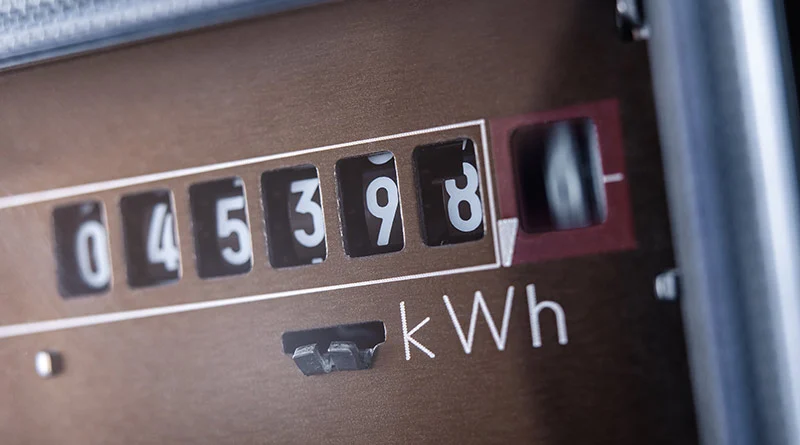
The United Kingdom’s hospitality sector, long considered the heartbeat of the nation’s high streets and rural communities, is currently facing a "perfect storm" of economic pressures. In a decisive move to safeguard the industry, UKHospitality—the leading trade body representing the sector—has issued a formal letter to the Chancellor of the Exchequer. The correspondence outlines a comprehensive six-point plan designed to provide targeted energy support and regulatory relief to businesses that are currently reeling from volatile energy markets, supply chain inflation, and a cooling consumer landscape.
Led by Chief Executive Allen Simpson, the organization warns that without immediate government intervention, the "fragility" of the sector could lead to the permanent closure of viable businesses, resulting in significant job losses and the erosion of community hubs across the country.
I. Main Facts: The Six-Point Energy Support Manifesto
UKHospitality’s proposal is not merely a request for a handout; it is a structured framework aimed at correcting systemic failures in the energy market and reducing the regulatory burden on businesses. The letter outlines six clear measures:
1. Energy Market Stability and Supplier Accountability
One of the primary grievances cited by hospitality operators is the predatory behavior of energy suppliers. UKHospitality is calling for a formal obligation for suppliers to offer new contracts to hospitality firms. Currently, many businesses find themselves "blacklisted" or subject to "sector-specific profiling," where suppliers refuse to provide quotes because the sector is deemed high-risk. Furthermore, the trade body demands a cap on the exorbitant deposits often required by suppliers, which can drain a business’s liquidity overnight.
2. Targeted Grants and Market Intervention
As businesses transition out of older, fixed-term contracts signed before the current price spikes, they are facing "price shock" on a massive scale. UKHospitality proposes fiscal support or direct market intervention for those businesses forced to renew contracts in a high-price environment. This measure is intended to bridge the gap until market volatility stabilizes.
3. Relief on Non-Commodity Charges
A significant portion of a business energy bill consists of "non-commodity charges"—fees for transmission, distribution, and various green levies. UKHospitality urges the government to keep these additional costs to an absolute minimum, ensuring that the unit cost of energy is not artificially inflated by administrative or infrastructure surcharges.
4. Re-evaluating Sector-Specific Levies
The trade body has taken a firm stance against using hospitality energy bills to subsidize other sectors. Specifically, the letter calls for a reconsideration of the current nuclear levy and insists that no additional levies be introduced to fund support for other industries. The argument is simple: a struggling sector should not be the piggy bank for national infrastructure projects.
5. CMA Investigation into the Business Energy Market
UKHospitality is calling for a formal referral of the business energy market to the Competition and Markets Authority (CMA). The organization argues that competition issues already identified in previous reports have not been adequately addressed, leaving business consumers with fewer protections than residential customers.
6. Postponement of Costly "Red Tape"
The final point of the manifesto focuses on regulatory breathing room. UKHospitality is requesting the postponement of several expensive new regulations currently under consultation. These include the Deposit Return Scheme (DRS), stricter advertising restrictions, and new mandatory reporting requirements. In the current climate, the sector argues that it lacks the administrative and financial capacity to implement these changes without risking insolvency.
II. Chronology: From Pandemic Recovery to Geopolitical Crisis
To understand the urgency of UKHospitality’s letter, one must look at the timeline of events that have brought the sector to this tipping point.
- 2020-2021: The Pandemic Hangover: The hospitality sector was the hardest hit by COVID-19 lockdowns. While government support (such as the furlough scheme and VAT cuts) helped many survive, businesses emerged from the pandemic with depleted cash reserves and significant debt.
- Early 2022: The Initial Energy Spike: Following the invasion of Ukraine, global energy prices skyrocketed. While the Energy Bill Relief Scheme (EBRS) provided a temporary buffer, it was a short-term fix for a long-term structural problem.
- 2023: The Transition to EBDS: The government replaced the EBRS with the Energy Bills Discount Scheme (EBDS), which offered significantly lower levels of support. This transition occurred just as many businesses were coming to the end of their low-rate fixed contracts.
- Late 2023: Geopolitical Volatility in the Middle East: As noted in Allen Simpson’s letter, the escalating crisis in the Middle East has introduced new levels of uncertainty into global oil and gas markets. This has had an immediate impact on rural venues, which are often reliant on heating oil—a commodity that has seen prices double in recent months.
- Present Day: The cumulative effect of these events has resulted in a "triple threat": direct energy costs, supply chain inflation (passed through from suppliers also facing high energy bills), and a consumer base with reduced discretionary income due to the cost-of-living crisis.
III. Supporting Data: The Economic Reality of the Hospitality Sector
The call for intervention is backed by sobering statistics regarding the health of the UK hospitality industry. Data from industry analysts and UKHospitality’s own research highlight the precariousness of the situation:
- Energy Cost Inflation: Some hospitality businesses have reported energy bill increases of over 300% compared to pre-2022 levels. For many pubs and restaurants, energy has shifted from being a manageable utility to the second-highest overhead after labor.
- Insolvency Rates: According to the Insolvency Service, the hospitality sector consistently ranks among the top industries for business failures. In the last 12 months, the rate of closures for independent restaurants and pubs has accelerated as "fixed-term protection" expires.
- The Rural Divide: Rural hospitality businesses are disproportionately affected. Because many are off the gas grid, they rely on heating oil. Reports suggest that the price of heating oil has fluctuated wildly, doubling in some regions, which threatens the viability of destination gastropubs and rural hotels.
- The "Price Ceiling": While other industries can pass costs onto consumers, hospitality faces a rigid price ceiling. If a pint of beer or a meal becomes too expensive, consumers simply stop going out. UKHospitality data suggests that customer footfall is increasingly sensitive to price hikes, leaving operators with no choice but to absorb costs and watch their margins vanish.
IV. Official Responses and the Political Landscape
The Treasury has historically maintained a stance of fiscal discipline, emphasizing that broad-based energy subsidies are unsustainable in the long term. However, the pressure from UKHospitality and other trade bodies is creating a political dilemma for the Chancellor.
The UKHospitality Perspective:
Allen Simpson’s letter is clear: "Timely intervention can reduce the risk that viable businesses are lost." He emphasizes that the sector was already fragile before the Middle East crisis and that the government must "urgently pull together" to prevent lasting damage to the economy.
The Broader Industry Consensus:
The sector is unanimous in its secondary demands. Beyond energy support, there is a loud call for a reduction in the VAT rate for hospitality to 10%. Proponents argue this would provide an immediate cash-flow injection. Additionally, calls to lower business rates and abolish the "holiday tax" (referring to various tourism-related levies) are central to the industry’s lobbying efforts.
Government Stance:
While the Chancellor has yet to issue a formal point-by-point response to the six measures, government spokespeople have previously pointed to the existing Energy Bills Discount Scheme and the recent freezes in alcohol duty as evidence of support. However, critics argue these measures are "sticking plasters on a gaping wound" and do not address the structural market failures identified by UKHospitality.
V. Implications: The Stakes of Inaction
The implications of the government’s response—or lack thereof—to this letter will be felt far beyond the balance sheets of individual pubs and restaurants.
1. The "Death of the High Street"
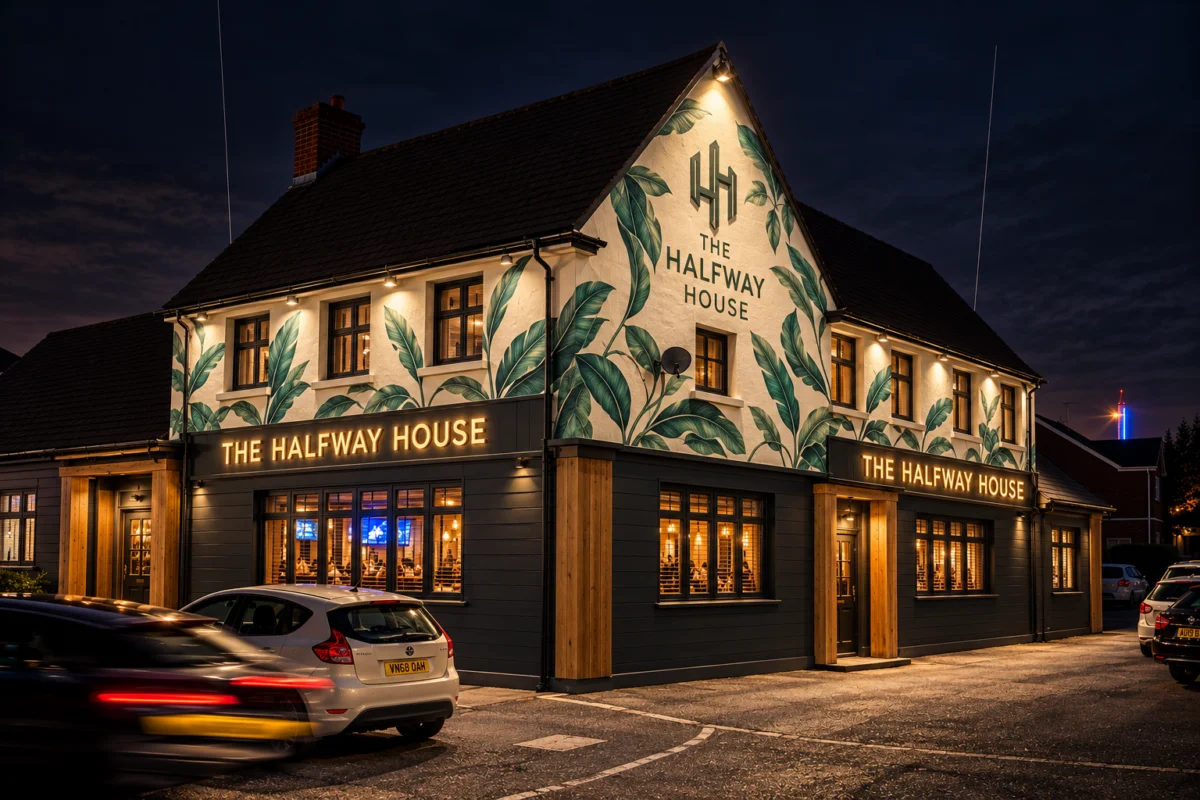
Hospitality businesses are often the "anchor tenants" of British high streets. When a prominent restaurant or pub closes, footfall to neighboring retail shops often drops. A wave of hospitality failures could trigger a domino effect, leading to the further decline of town centers that are already struggling.
2. Employment and Social Mobility
The hospitality sector is one of the UK’s largest employers, particularly for young people and those entering the workforce for the first time. It is a vital engine for social mobility. Mass closures would not only lead to unemployment but would also destroy the entry-level career ladders that the sector provides.
3. Community and Social Cohesion
In many rural areas, the local pub is the only remaining community space. The loss of these venues has a profound impact on social isolation and local identity. Allen Simpson’s warning about "lasting consequences for communities" refers to the social fabric that these businesses help maintain.
4. Long-term Economic Stagnation
If the sector is allowed to contract significantly, the tax revenue generated from VAT, business rates, and PAYE will diminish. This creates a fiscal paradox for the Treasury: by refusing to provide short-term support, the government may face a long-term reduction in tax receipts and an increase in welfare spending.
5. Market Integrity
The demand for a CMA investigation is perhaps the most significant long-term implication. If the investigation reveals that energy suppliers have been unfairly penalizing the hospitality sector, it could lead to a total overhaul of how business energy is regulated in the UK, potentially offering better protection for all SMEs (Small and Medium Enterprises) in the future.
Conclusion
The letter from UKHospitality to the Chancellor represents a critical junction for the UK economy. As the sector navigates the complexities of global geopolitical shifts and internal economic pressures, the six measures proposed offer a roadmap for stability. The government now faces a choice: intervene to stabilize a cornerstone of British life, or risk a permanent shift in the nation’s social and economic landscape. As Allen Simpson noted, the situation is "fragile," and the window for "timely intervention" is rapidly closing.

 Suro Senen
 Pevita Pearce