

 Dwi Wanna
 Nana Wu
 Muslim
 Reynand Wu
 Ammar Sabilarrohman
 Lina Irawan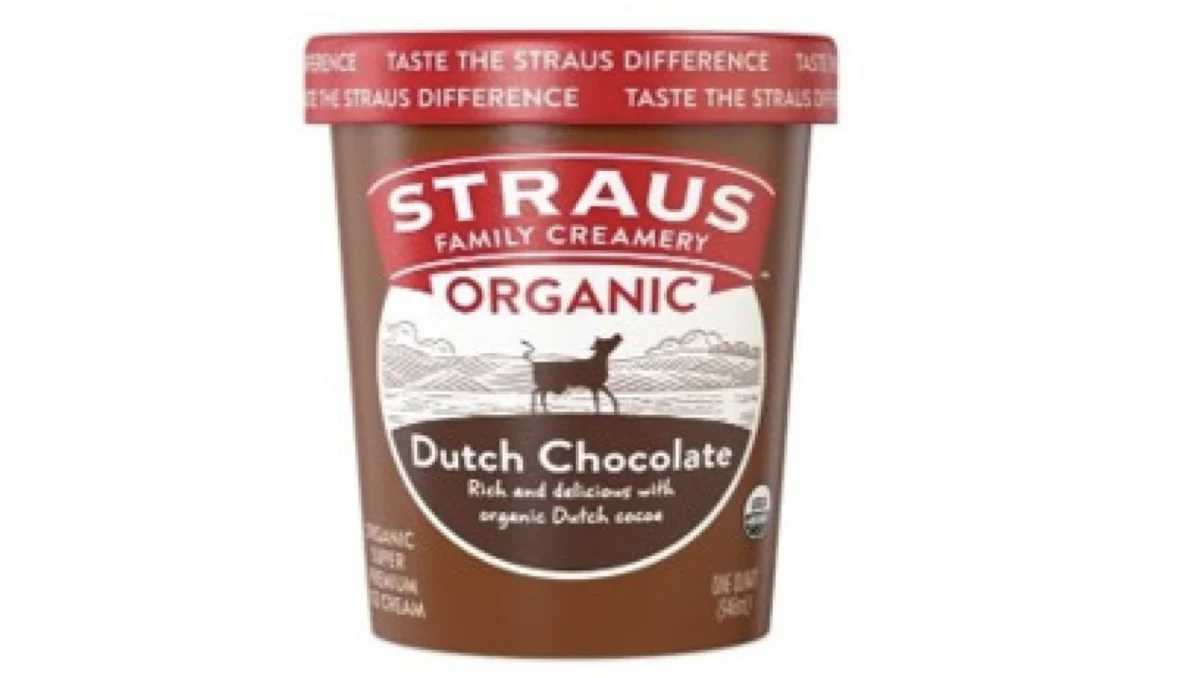
By Food Safety News Desk
Published: May 16, 2026, 8:51 PM
In a significant move to ensure consumer safety, Straus Family Creamery has initiated a voluntary recall of several of its premium organic ice cream products. The recall, which covers a variety of popular flavors, was prompted by the potential presence of foreign metal material within the products. While no injuries or adverse health effects have been reported to date, the manufacturer and federal regulators are acting with extreme caution to prevent any potential risks to the public.
The Scope of the Recall
The affected products, marketed under the "Straus Family Creamery Organic Super Premium Ice Cream" label, were distributed across seventeen states. Retailers began stocking these specific production runs on May 4, 2026. The contamination concern centers on specific batches that may contain small metal fragments, which, if ingested, could pose a serious choking or laceration hazard.
The recall impacts a wide geographic area, including Arizona, California, Colorado, Connecticut, Florida, Georgia, Iowa, Illinois, Indiana, Maryland, New Jersey, Oregon, Pennsylvania, South Carolina, Texas, Washington, and Wisconsin. Consumers residing in these regions are advised to inspect their freezers immediately.
Chronology of the Incident
The situation unfolded in early May when internal quality control measures at Straus Family Creamery identified a potential vulnerability in the production line. By May 16, the company had formalized the recall process in coordination with the U.S. Food and Drug Administration (FDA).
- May 4, 2026: The affected batches of ice cream hit retail shelves across the 17 identified states.
- Mid-May 2026: Straus Family Creamery detects a production anomaly during routine quality assurance checks.
- May 16, 2026: The company publicly announces the recall, working in tandem with the FDA to initiate an immediate stop-sale and removal of all identified inventory from retail locations.
Detailed Product Identification
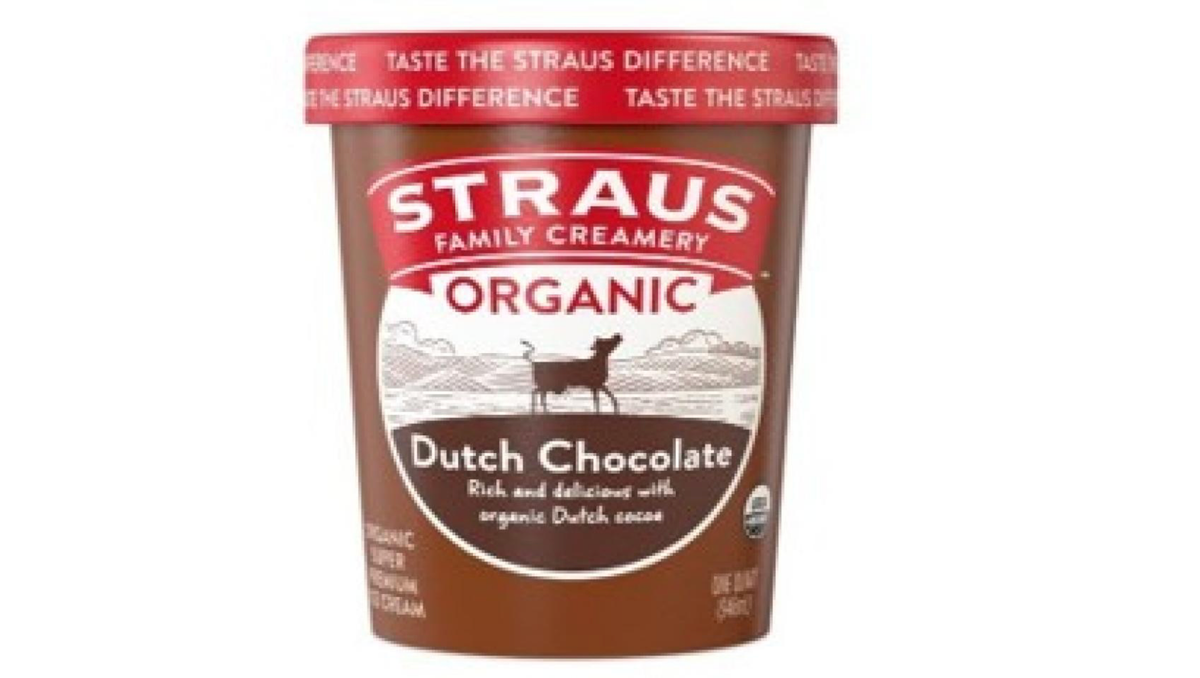
Straus Family Creamery is urging consumers to check their product labels carefully. The ice cream is packaged in standard paper cups with a secure seal and lid, available in both pint and quart sizes. To determine if your product is included in this recall, please compare the details on your container with the information provided below:
| Product | Size | Best By Date | UPC |
|---|---|---|---|
| Ice Cream Vanilla Bean | Pint | 23-Dec-2026 | 7-84830-10030-6 |
| Ice Cream Vanilla Bean | Pint | 28-Dec-2026 | 7-84830-10030-6 |
| Ice Cream Strawberry | Quart | 24-Dec-2026 | 7-84830-10097-9 |
| Ice Cream Strawberry | Pint | 25-Dec-2026 | 7-84830-10095-5 |
| Ice Cream Cookie Dough | Pint | 26-Dec-2026 | 7-84830-10104-4 |
| Ice Cream Dutch Chocolate | Quart | 27-Dec-2026 | 7-84830-10012-2 |
| Ice Cream Mint Chip | Pint | 30-Dec-2026 | 7-84830-10050-4 |
Understanding Metal Contamination in Food Manufacturing
Metal contamination in food products is a critical failure point that manufacturers strive to mitigate through rigorous safety protocols. In the dairy and frozen dessert industry, such contamination often occurs due to mechanical wear and tear on processing equipment. Over time, internal components—such as gaskets, agitators, or filling machinery—can degrade, shedding microscopic or small metal fragments into the product stream.
Modern food safety standards require the use of high-sensitivity metal detectors positioned at the end of the production line. However, should these systems malfunction or if a piece of equipment experiences a sudden failure, the possibility of foreign material entering the final packaged product increases. The "Organic Super Premium" classification of Straus Family Creamery products places them in a high-demand category, and the brand is known for its commitment to high-quality ingredients, making this recall a significant disruption for loyal customers.
Official Response and Consumer Guidance
Straus Family Creamery has issued a clear directive to consumers: do not consume the product. If you have purchased any of the listed items, you should discard them immediately. While the company is working with retailers to pull the stock, the primary concern is the ice cream that has already made its way into home freezers.
The FDA has been notified and is monitoring the situation to ensure that the company’s corrective actions are sufficient. While no injuries have been reported, the FDA defines this as a Class II recall—a situation in which the use of or exposure to a violative product may cause temporary or medically reversible adverse health consequences, or where the probability of serious adverse health consequences is remote.
The Broader Implications for Food Safety
This incident serves as a stark reminder of the complexities involved in the modern food supply chain. Even companies with strong reputations for organic and sustainable practices are not immune to the technical failures inherent in large-scale food manufacturing. For consumers, this highlights the necessity of staying informed regarding food safety alerts.
Food safety experts often emphasize that recalls are not necessarily a sign of a failing company, but rather a sign that a company’s safety protocols are functioning as intended. By catching the potential for contamination early and notifying the public, the manufacturer is proactively preventing potential harm. However, the economic impact on the brand, as well as the logistical challenge of removing products from thousands of retail locations across 17 states, is significant.

Looking Ahead: Regulatory Oversight
As the investigation continues, the focus will likely turn to identifying the specific piece of equipment that caused the issue. The FDA will likely conduct a follow-up review of the plant’s maintenance logs and metal detection procedures to ensure that such an incident is not repeated.
Consumers who have questions or wish to report a concern regarding the recalled product are encouraged to contact their local health departments or visit the official FDA recall portal. Furthermore, those who purchased the products are typically eligible for a refund at their point of purchase, though they should retain their receipts or the product packaging where possible to facilitate the process.
Final Word of Caution
The primary goal of any recall is the protection of the consumer. In this instance, the risk, while categorized as manageable, is one that requires immediate action. Consumers are reminded that even if a product appears normal to the naked eye, foreign materials can be hidden within the density of the ice cream. Do not attempt to inspect the product for metal yourself; simply discard it to ensure the safety of yourself and your family.
About Food Safety News
Food Safety News is a nonprofit, reader-funded organization dedicated to providing the latest information on foodborne illnesses, recalls, and regulatory developments. Your support allows us to remain independent and provide vital, evidence-based reporting that protects public health.
Your support ensures that we can continue to track and report on these essential safety issues. If you find our coverage valuable, please consider a tax-free donation to help us sustain this critical work.