

 Ali Ikhwan

 Iffa Jayyana

 Muslim

 Nana

 Dwi Wanna
 Lina Irawan
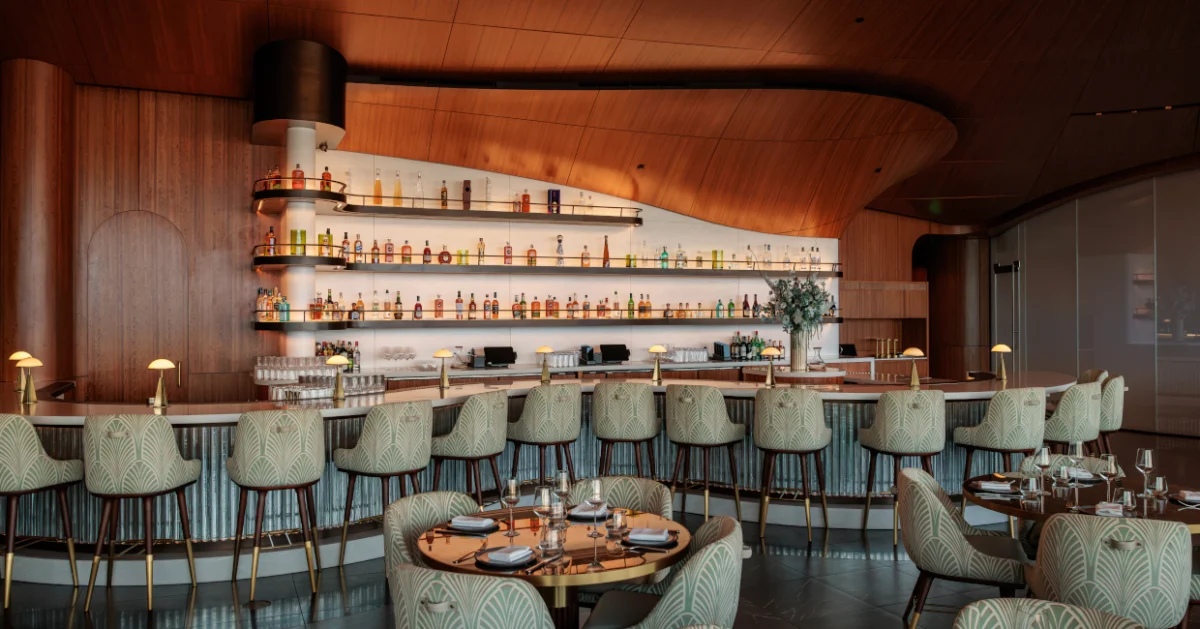
The landscape of Los Angeles’s cultural district, Exposition Park, has been forever transformed by the arrival of the Lucas Museum of Narrative Art. Within this sprawling, 28,000-square-meter architectural marvel, a new destination has emerged that promises to bridge the gap between high-concept design and communal hospitality: the Skywalker Grill. Designed by the renowned New York-based architecture and interior design firm Rockwell Group, the 160-cover restaurant and 18-cover bar represent a masterclass in thematic environmental design, blending the warmth of Mid-century Modern aesthetics with a futuristic, cinematic sensibility.
The Genesis of an Architectural Landmark
The Lucas Museum of Narrative Art has long been anticipated as a sanctuary for the art of storytelling. With its mission to explore the evolution of visual narratives, it was imperative that the museum’s on-site dining facility serve as more than a mere convenience—it had to be an extension of the museum’s core mission.
The project began with a vision to create a space that felt "intrinsically connected" to the architecture of the museum, according to David Rockwell, founder and president of the Rockwell Group. The design team sought to avoid the trap of literal interpretation—they were not interested in creating a "set" or a theme park experience. Instead, they aimed to capture the spirit of George Lucas’s creative world: an optimism about the future, a deep respect for craftsmanship, and an unwavering commitment to the power of imagination.
The chronology of the project was marked by an intense period of collaboration between the museum’s curators, the architects, and local artisans. From the initial concept sketches in the Rockwell Group’s Los Angeles office to the meticulous installation of the cherry-wood paneling, the development process was a multi-year effort focused on balancing the museum’s avant-garde exterior with an interior that felt undeniably human and lived-in.
A Fusion of Materiality and Atmosphere
At the heart of the Skywalker Grill’s design philosophy is a deliberate play of contrasts. The primary material palette—rich, hand-milled cherry wood paired with luminous, translucent surfaces—creates a dialogue between the organic and the experimental.
The Cherry Wood Narrative
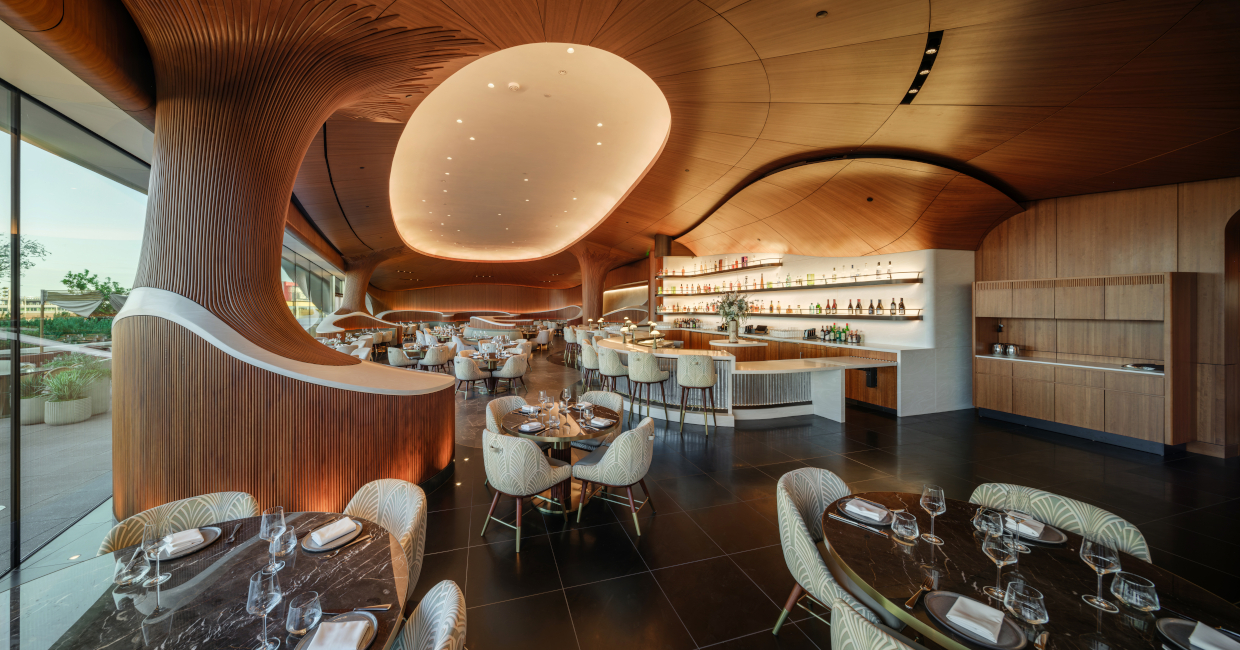
The choice of cherry wood is no coincidence. It serves as a direct, albeit subtle, nod to the warmth of George Lucas’s private sanctuary, Skywalker Ranch. In the dining room, walls and ceilings are wrapped in hand- and machine-milled cherry-wood panels. To ensure the space feels natural rather than factory-perfect, no two panels are identical. Each is unique in shape and size, mounted individually to highlight the high level of human craftsmanship involved in the construction.
Luminous Surfaces and Sculptural Geometry
While the wood provides a grounding warmth, the restaurant’s "otherworldly" quality is achieved through the strategic use of white onyx, slump-moulded Corian, and recessed, hidden lighting. The curvaceous cherry-wood walls rise gracefully to meet a coved ceiling finished with acoustical plaster. The panel joints are not merely structural; they are precisely aligned to conceal lighting sources, allowing the ceiling to glow with a soft, ambient radiance that mimics natural light.
The geometry of the room is intentionally rhythmic. Finger-raked cherry-wood columns create vertical movement, echoing the tambour banquettes that line the perimeter of the dining area. This repetition of form creates a sense of visual rhythm, guiding the guest’s eye toward the surrounding views of Exposition Park, which are framed by the restaurant’s wide, strategic apertures.
Supporting Data: The Anatomy of the Space
The logistics of the Skywalker Grill are as precisely engineered as its aesthetic. With a capacity for 160 guests in the main dining area and a dedicated 18-seat bar, the restaurant is designed to accommodate the heavy foot traffic of a major international museum while maintaining an air of intimacy.
- Total Capacity: 178 guests (combined dining and bar).
- Architectural Features: Custom-milled cherry-wood panels, white onyx and Corian surfaces, acoustical plaster ceilings.
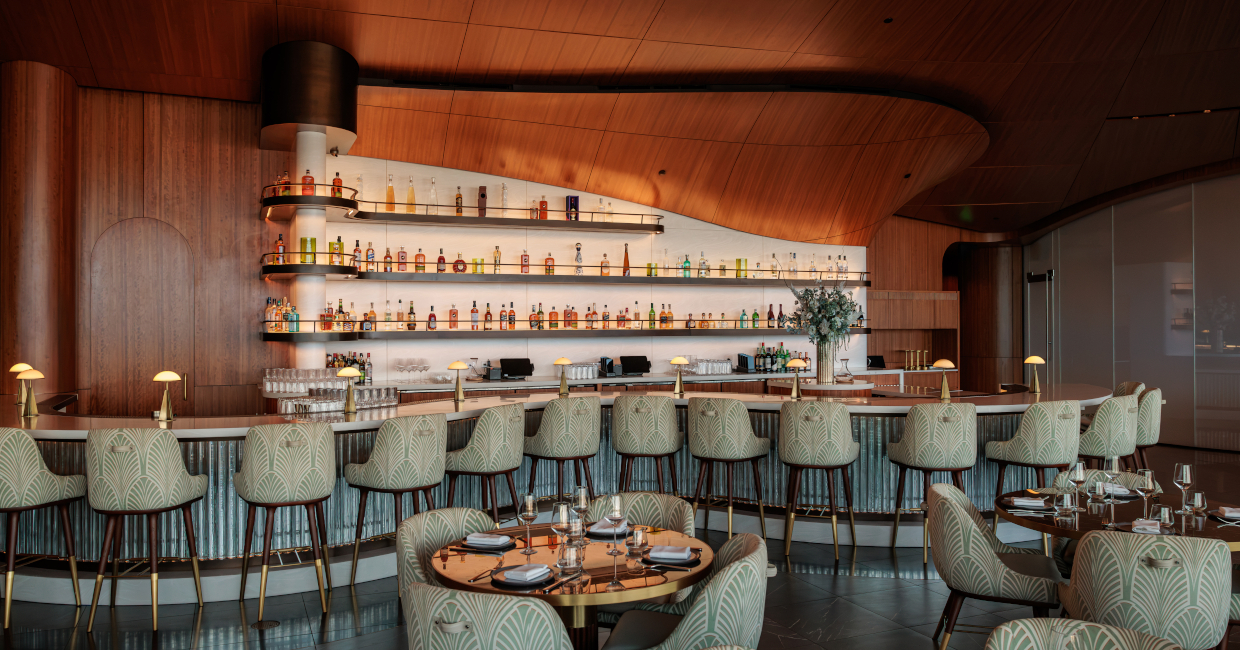
- The Bar: A centerpiece featuring a crystal silver-leaf bar die and a glowing Corian back bar wall.
- Dining Dynamics: A central, sculptural banquette serves as the room’s focal point, designed to encourage a sense of communal dining.
- Outdoor Integration: A serene terrace featuring lush plantings and flexible seating options, providing an escape from the interior buzz.
Official Perspectives: The Philosophy of Design
During the unveiling of the project, David Rockwell articulated the importance of the "human element" in the design. "The contrast between warm, highly crafted cherry wood and luminous, almost otherworldly surfaces allowed us to create a space that feels both familiar and futuristic," Rockwell explained. "There is a sense of discovery in the details, but ultimately it is a restaurant designed around people—somewhere welcoming, convivial, and memorable."
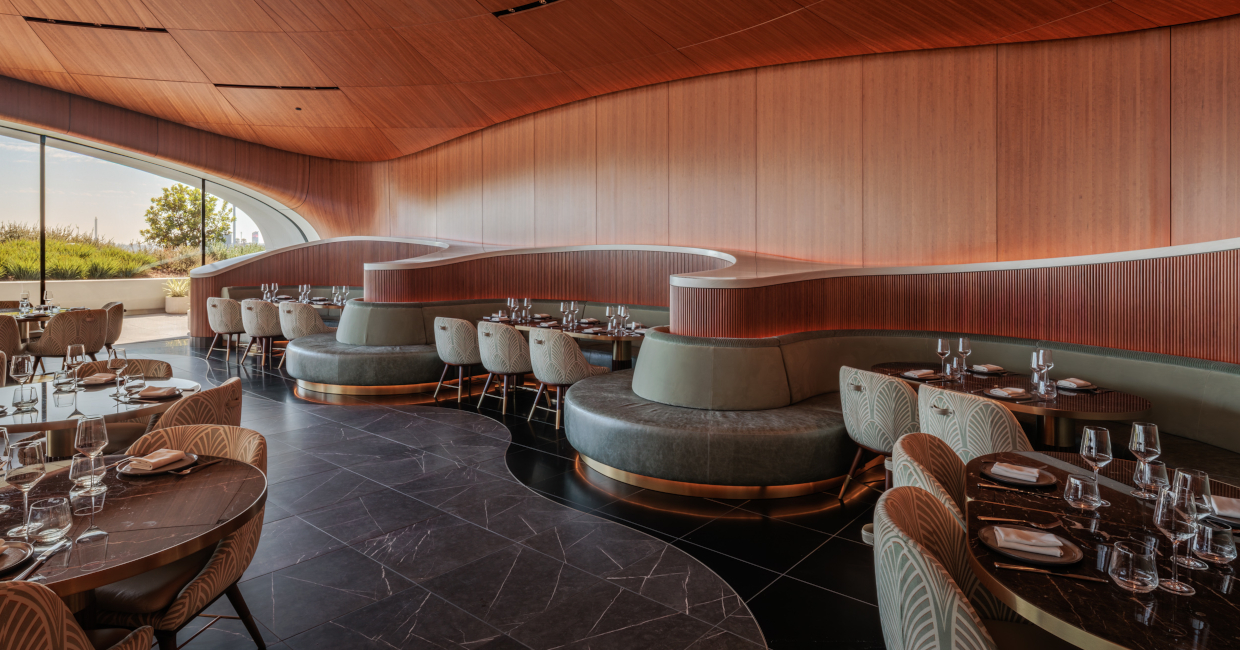
The design team’s intent was to ensure that the "magic" of the Lucas Museum was not confined to the galleries. By extending this atmosphere into the dining room, they have created a space where visitors can process their museum experience over a meal. The goal was to foster a "lived-in authenticity," where guests feel encouraged to linger rather than treat the restaurant as a brief transit point.
Immersive Details: From Glass Lenses to Switch-Glass
The richness of the Skywalker Grill reveals itself through layers of discovery. One of the most striking design choices is the inclusion of artisan-crafted glass lenses embedded in the bases of the custom wood tables. These lenses are internally illuminated, casting a soft, jewel-like glow across the floor that adds an ethereal, almost cinematic layer of mystery to the dining experience.
The Private Dining Room (PDR) further exemplifies the project’s focus on versatility. Utilizing "switch-glass" technology, the room can transition from fully transparent to frosted opacity with the touch of a button. This allows the PDR to feel like an extension of the main dining room during quieter periods, or a secluded, exclusive sanctuary for private events. The PDR also provides direct access to the outdoor terrace, effectively blurring the lines between the interior’s high-tech polish and the park’s natural, airy environment.
Implications for Museum Hospitality
The completion of the Skywalker Grill signals a shift in the role of hospitality within major cultural institutions. Modern museums are increasingly moving away from the "cafeteria" model of the 20th century, opting instead for destination-worthy dining experiences that reflect the prestige of the institution.
By hiring a world-class studio like the Rockwell Group, the Lucas Museum has signaled that its mission of "narrative art" extends to the environment in which its visitors socialize. The restaurant acts as a third space—neither a gallery nor a home—where the storytelling continues. The architectural dialogue between the wood-heavy, tactile interior and the sleek, light-infused surfaces mirrors the broader tension between the historical roots of storytelling and the cutting-edge technology of cinema that the museum celebrates.
Conclusion: A Living Narrative
The Skywalker Grill is more than a restaurant; it is a manifestation of an optimistic vision for the future of public spaces. Through its meticulous use of materials, its rhythmic, sculptural geometry, and its commitment to fostering human connection, the Rockwell Group has created a space that feels both grounded and aspirational.
As visitors traverse the galleries of the Lucas Museum, they are confronted with the vast possibilities of human imagination. When they eventually step into the Skywalker Grill, they are not exiting that world, but rather finding a place to sit within it. It is a testament to the fact that when architecture, design, and hospitality are treated as equal parts of the same narrative, the result is not just a place to eat, but a place to remember. In the heart of Los Angeles, the Skywalker Grill stands as a reminder that the best stories are the ones we share over a meal, in a room designed to make us feel at home in the future.


 Azzam Bilal Chamdy

