
 Azzam Bilal Chamdy

 Jia Lissa
 Sagoh

 Basiran

 Nana Wu
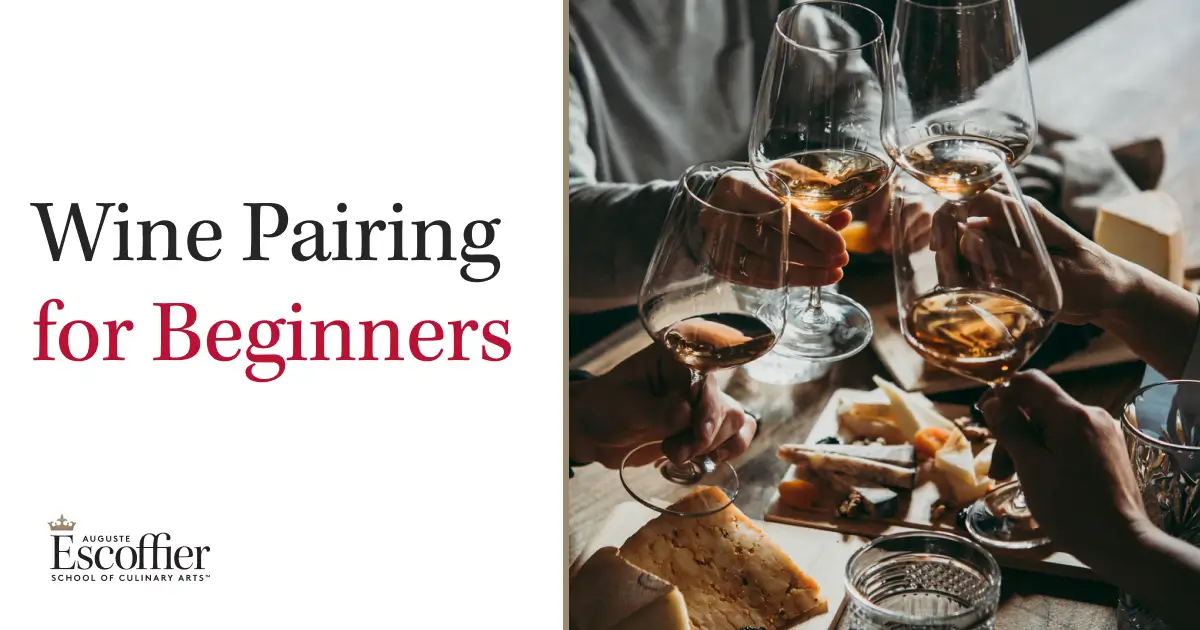
For centuries, the ritual of dining has been punctuated by the marriage of food and wine. From the primal satisfaction of a seared steak accompanied by a robust red to the delicate, ethereal union of oysters and chilled Champagne, certain pairings have achieved a near-mythic status. Yet, for many, the vast, crowded shelves of a wine shop or the daunting length of a restaurant’s cellar list can transform an exciting culinary decision into a source of anxiety.
Moving beyond the tired mantra of “white with fish, red with meat” is the first step toward true gastronomic confidence. To master the art of pairing, one must transition from memorizing rigid rules to understanding the fundamental chemistry of flavor, texture, and intensity.
The Foundation of Flavor: Moving Beyond Traditional Dogma
The traditional rule of thumb—white with fish, red with meat—is an antiquated shorthand that often leads to missed opportunities. While it serves as a baseline, it ignores the reality of modern cooking. A delicate filet of sole prepared with a rich, lemon-butter emulsion requires an entirely different companion than a blackened tuna steak crusted in peppercorns.
The secret lies in looking at the dish as an ecosystem rather than a collection of ingredients. The protein provides the structure, but the sauce, the cooking method, the seasoning, and the garnish dictate the flavor profile. By analyzing these components, you can navigate any menu with the ease of a seasoned sommelier.
Five Essential Questions for the Discerning Palate
Before selecting a bottle, professionals evaluate a dish through five distinct lenses. This systematic approach demystifies the process and ensures the wine elevates the food rather than competing with it.
1. How Intense Is the Dish?
Intensity is the primary anchor of any pairing. A delicate dish, such as a poached white fish or a crisp summer salad, will be completely obliterated by a high-alcohol, tannic Cabernet Sauvignon. Conversely, a bold, braised beef short rib will make a light, ethereal Pinot Grigio taste thin and watery. Matching the “weight” of the wine to the intensity of the food is the golden rule of balance.
2. What Is the Dish’s Dominant Flavor?
The most prominent ingredient on the plate is not always the star of the flavor show. A salmon fillet is relatively neutral, but once it is glazed with miso, soy, and ginger, it transforms into a savory, umami-forward dish. Identifying the "dominant" note—whether it is citrusy, smoky, earthy, or spicy—allows you to match the wine’s primary characteristics to the dish’s leading flavor profile.
3. Which Taste Element Stands Out?
Taste elements are the specific chemical signals on the tongue: acidity, sweetness, salt, fat, bitterness, and umami.
- Acidity: High-acid foods (tomatoes, vinaigrettes) require high-acid wines. If the wine is less acidic than the dish, the wine will taste flat.
- Sweetness: Sweetness in food can make a dry wine taste bitter. Always ensure the wine is at least as sweet as the dish.
- Salt: Salt acts as a flavor enhancer, softening tannins and making fruit notes in wine pop.
- Fat: Rich, fatty foods require acidity, bubbles, or tannins to "cleanse" the palate between bites.
- Chile Heat: Heat is a double-edged sword; it intensifies alcohol and bitterness. For spicy dishes, opt for lower-alcohol, fruit-forward wines with a hint of residual sugar.
- Umami: Savory ingredients like mushrooms or aged cheeses can make tannic wines feel aggressive. Low-tannin wines are the safest bet here.
4. Complement or Contrast?
Deciding whether to echo or oppose flavors is where the art of pairing truly begins. A "complementary" pairing matches similar qualities—think of an oaky, buttery Chardonnay paired with lobster in a cream sauce. A "contrasting" pairing uses the wine to refresh the palate, such as using the high acidity and bubbles of a sparkling wine to cut through the heavy fat of fried chicken.
5. The Principle of Regionality
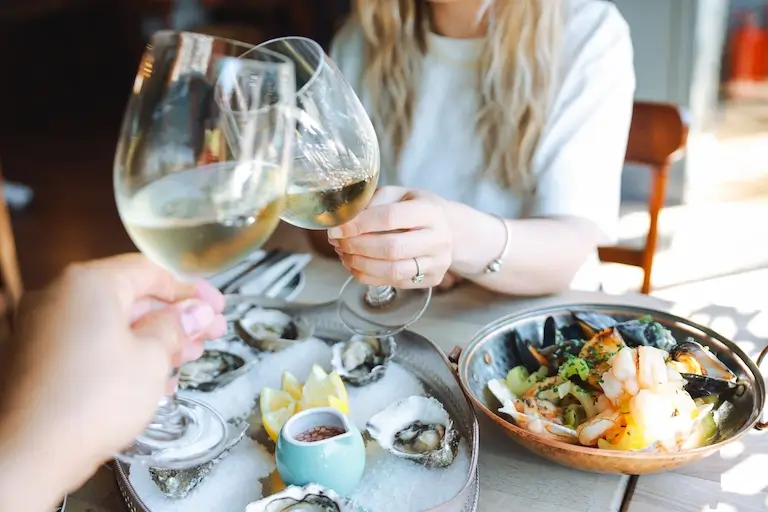
"What grows together, goes together" is an adage that has persisted for centuries for a reason. Regional cuisines and wines evolved in tandem. A Tuscan Sangiovese is chemically optimized to handle the acidity of a tomato-based ragù, while the crisp, saline minerality of a Muscadet is a response to the ocean-fresh oysters of the Loire Valley.
Understanding Tannin: The Architect of Structure
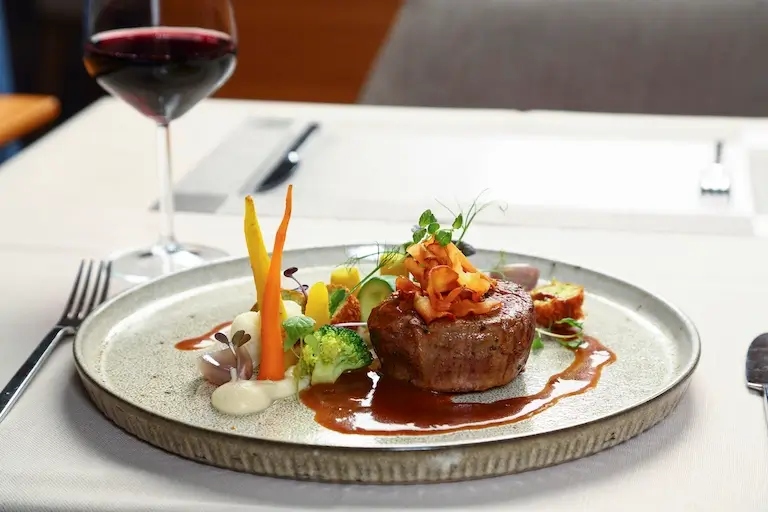
Tannins are the compounds found in grape skins, seeds, and stems that create that signature "grippy" sensation on the gums and tongue. They are the backbone of a wine’s structure. In the context of pairing, tannins act as a sponge for protein and fat. When you take a bite of a fatty ribeye, the fat coats your palate; the tannins in a bold red wine bind to that fat, cleansing the tongue and preparing it for the next bite. However, when paired with bitter or spicy foods, these same tannins can become unpleasantly harsh.
Chronology of a Perfect Pairing
The evolution of wine pairing has shifted from the rigid, exclusionary practices of the mid-20th century to a modern, inclusive, and playful approach.
- 1970s-1990s: The era of strict, rule-based service. Sommeliers focused on traditional French pairings, often prioritizing the prestige of the wine over the profile of the food.
- 2000s: The rise of the "Global Palate." As fusion cuisine became popular, the old rules crumbled. Sommeliers began looking to diverse regions like South Africa, South America, and the Pacific Northwest for solutions.
- 2010s-Present: The "Accessible Era." Modern professionals like André Hueston Mack have revolutionized the industry, championing the idea that a high-quality bottle of rosé with a taco is just as sophisticated as a grand cru with duck confit, provided the flavors are in balance.
Supporting Data: The Pairing Matrix
| Dish Type | Recommended Wine | Why It Works |
|---|---|---|
| Grilled Steak | Cabernet Sauvignon | Tannins cut through fat |
| Tomato Pasta | Chianti / Sangiovese | Matches acidity of tomatoes |
| Fried Foods | Champagne / Cava | Bubbles refresh the palate |
| Spicy Curry | Off-dry Riesling | Sweetness balances chile heat |
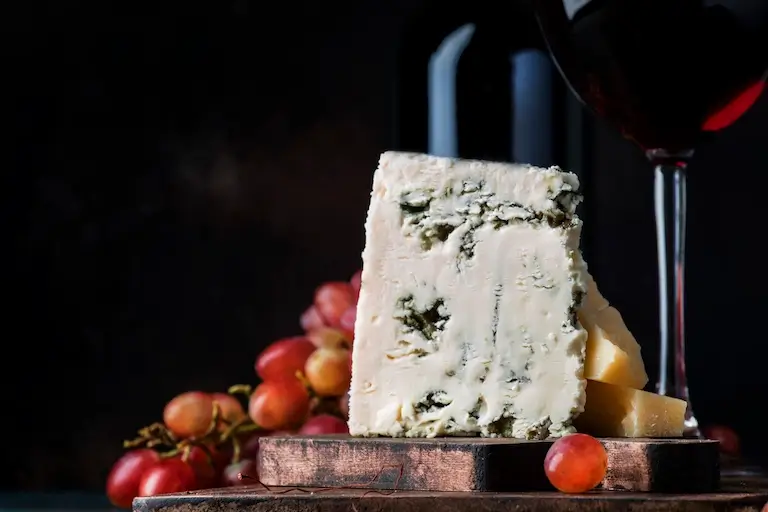
| Blue Cheese | Port | Sweetness balances pungency |
| Mushroom Risotto | Pinot Noir | Earthy notes complement fungi |
Official Perspectives: The Role of the Sommelier
Certified sommeliers, such as Escoffier instructor Gregory Bonath, emphasize that the ultimate goal of any pairing is the "shared experience." The technical aspects of chemistry are merely tools to facilitate connection. Bonath notes, "People want to attach themselves to a sense of place. If we are eating locally sourced trout, finding a wine from a nearby vineyard adds a narrative layer to the meal that transcends the plate."
Connor Fowler, another expert in the field, highlights that the most important skill for a student of wine is curiosity. He advises that the best way to learn is to ask questions during a meal. By understanding the "why" behind a sommelier’s recommendation, one begins to build an internal database of successful flavor interactions.
Implications for the Future of Dining
The implications of these pairing principles extend far beyond the dinner table. For culinary students and hospitality professionals, mastering these nuances is essential for menu development and service. A well-constructed menu isn’t just about the food; it’s about the holistic experience of the guest.
Furthermore, as the wine industry becomes more diverse and experimental, the definition of a "classic" pairing is expanding. We are moving toward a future where "accessibility" is the highest form of expertise. Whether you are building a career in the culinary arts or simply looking to impress at your next dinner party, remember that the "correct" pairing is ultimately the one that brings you and your guests the most joy.
As you continue to explore, let your palate be your guide. Start with the plate, ask the five core questions, and remember that every meal is an experiment in flavor. Through consistent practice and a healthy dose of curiosity, you will eventually find that the wall of bottles in the store is no longer a source of intimidation, but a map of endless possibilities.


 Siti Muinah

