Iffa Jayyana
 Asro
 Pevita Pearce

 Lina Hope

 Jia Lissa
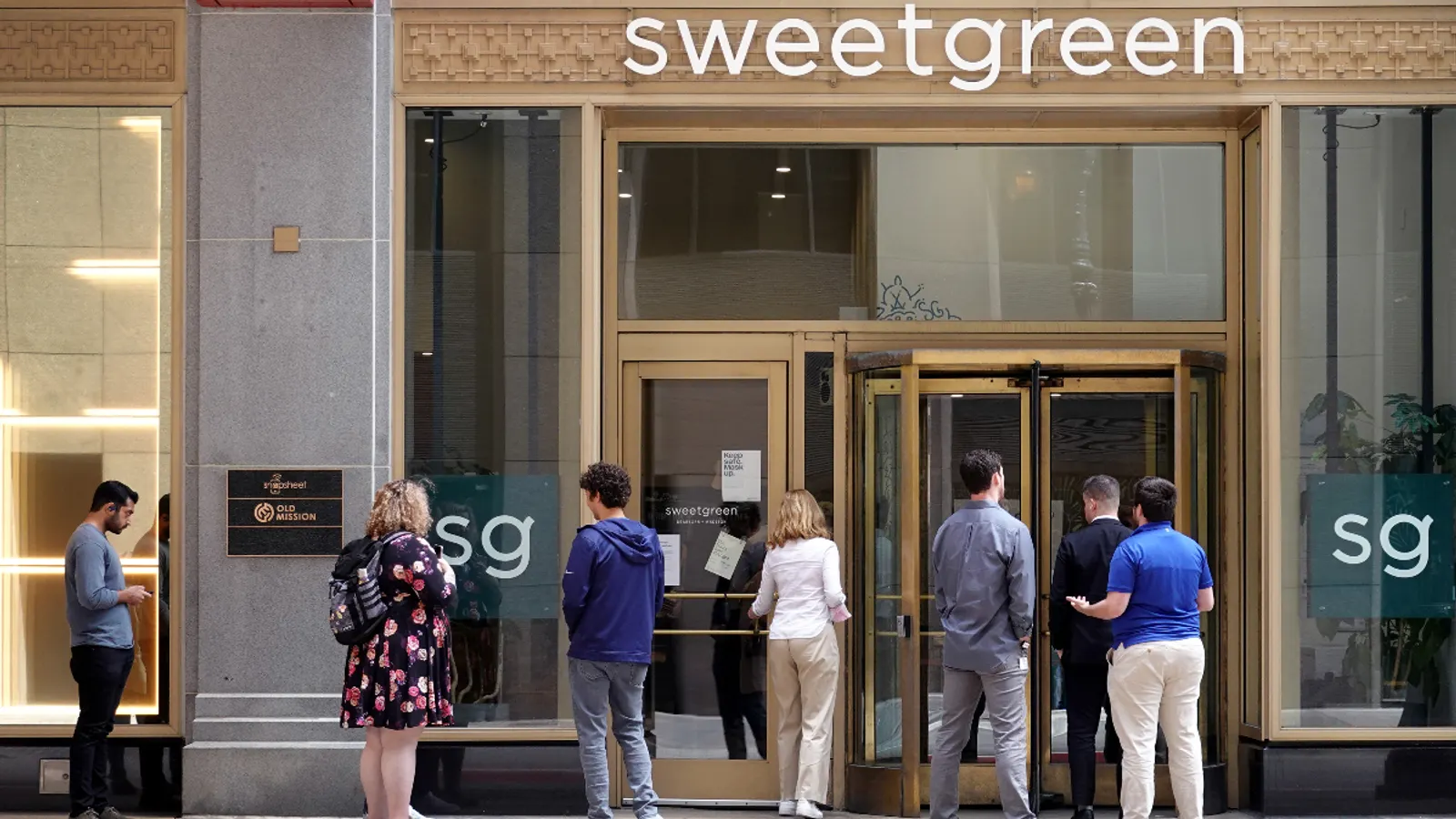
In a decisive move aimed at redefining the career trajectory of its frontline leadership, Sweetgreen, the prominent fast-casual chain, has announced a landmark shift in its compensation structure. By 2027, the company will raise the maximum annual compensation for its “Head Coaches”—the brand’s nomenclature for general managers—to $200,000. This aggressive financial recalibration is designed to solidify the company’s position in a hyper-competitive labor market and serve as the cornerstone of a broader, multi-pronged operational turnaround plan.
The Financial Architecture of the $200,000 Ceiling
The new compensation ceiling is not a static base salary but rather a comprehensive incentive package. According to Chief Operating Officer Jason Cochran, the $200,000 figure represents the upper echelon of a tiered system that integrates three primary financial components: a competitive base salary, performance-based bonuses tied to meeting and exceeding sales targets, and equity-based compensation.
This ambitious plan is specifically tailored to reward the company’s most effective leaders. To qualify for the maximum compensation, a Head Coach must work at a high-volume store, demonstrate sustained top-tier performance, and have a tenure of at least three years with the brand. Cochran estimates that between 10% and 12% of Sweetgreen’s current Head Coach population currently meets these rigorous criteria. For those who do reach this ceiling, the company anticipates an increase in total compensation of up to 50% compared to previous benchmarks.
Establishing a Clear Career Trajectory
At the heart of this initiative is a philosophical pivot regarding how restaurant chains view talent development. Cochran notes that the restaurant industry has historically struggled to provide transparent, upwardly mobile career paths for its employees, from entry-level team members to those assuming their first management responsibilities.
“In the industry, oftentimes there’s not a clear path forward for people, whether they are entering at a team member level, or first time in management or running an actual restaurant,” Cochran explained. “This gives a great career path forward.”
By professionalizing the Head Coach role and attaching significant financial rewards to performance, Sweetgreen aims to transform restaurant management from a transitory gig into a viable, long-term professional career. The strategy is to turn the restaurant into a training ground where employees can envision a future that evolves from hourly work to high-earning leadership.
The “Restaurateur Program” and Internal Mentorship
Complementing the salary increases is the launch of the "Restaurateur Program," a sophisticated mentorship and development framework. Under this program, top-performing Head Coaches, nominated by regional general managers, will receive exclusive access to advanced training and mentorship from Sweetgreen’s senior executive leadership.
This program creates a ripple effect of excellence within the organization. Beyond their personal compensation, Restaurateurs are incentivized to act as talent incubators. They will receive a $10,000 bonus for every individual they successfully mentor and develop into a new Head Coach. By tying leadership compensation directly to the success and development of their subordinates, Sweetgreen is effectively incentivizing a culture of coaching rather than mere oversight.
Operational Excellence: Re-emphasizing Training
The financial investment in management is being mirrored by a renewed commitment to standardized operational training. Sweetgreen is introducing a new position: the Regional Training Manager. These professionals will be tasked with standardizing communication and training protocols across different geographic regions.
These managers will conduct “shoulder-to-shoulder” in-person training seminars, ensuring that the brand’s standards for food quality, service, and hospitality are consistent regardless of the store location. Cochran emphasizes that consistency is the bedrock of the company’s turnaround.
“The best predictor of future performance is time-in-position because the teams are able to get the reps in,” Cochran stated. “We’re enabling the team members to get the reps in, so that way they’re delivering on better food, better service and hospitality.”
The Competitive Landscape: A Trend Toward Retention
Sweetgreen is not operating in a vacuum. The restaurant industry is currently witnessing a widespread arms race for managerial talent, particularly among chains attempting to scale rapidly or navigate difficult financial turnarounds.
The struggle for retention is driving major players to rethink their human resources models:
- Starbucks: Last year, the coffee giant introduced a new assistant store manager role, signaling a massive hiring push intended to relieve pressure on general managers and improve store-level efficiency.
- Chipotle: The Mexican grill chain has aggressively expanded its "Apprentice Program," which provides a clear path for kitchen managers and service managers to reach the General Manager level, now covering all company-owned locations.
- Burger King: In an effort to revitalize its brand image, the chain recently reworked the store manager role, pivoting away from purely administrative tasks to a heavy emphasis on hospitality and the guest experience.
- Cava: As a direct competitor for the health-conscious demographic, Cava has introduced an Assistant General Manager (AGM) role and implemented equity incentive grants for GMs to drive long-term retention.
Strategic Implications: Why Now?
The timing of this announcement is critical. Sweetgreen has been working through a complex turnaround strategy, addressing challenges ranging from supply chain logistics to food safety incidents and inconsistent store-level execution.
By investing in human capital, the company is betting that the key to sustained profitability lies in reducing turnover. In the restaurant business, the "revolving door" of management is one of the most significant hidden costs, leading to erratic food quality, declining customer service, and loss of institutional knowledge. By keeping a Head Coach for three or more years, Sweetgreen expects to see compounding returns on investment, as experienced managers are more adept at controlling food costs, reducing labor waste, and fostering a positive workplace culture.
Looking Toward 2027
As Sweetgreen approaches 2027, the success of this plan will be measured by a few key metrics: store-level profit margins, employee turnover rates, and the speed at which new, qualified managers are promoted from within.
If successful, the initiative could set a new industry standard for how fast-casual chains compensate their "captains." For the individual Head Coach, the promise of a $200,000 income represents a significant elevation in status and financial security. For Sweetgreen, it is a calculated gamble that by making its leaders wealthy, it will ensure its own operational stability and long-term brand health.
Ultimately, Cochran’s vision is one of alignment: “By tying their compensation directly to performance, we give them a real stake in the results they drive. We believe this creates a compelling reason for great leaders to join Sweetgreen, stay with us, and drive performance. It also gives our Team Members something meaningful to work toward as they develop into future Head Coaches.”
Whether this $200,000 threshold will be enough to insulate the brand from the volatility of the labor market remains to be seen, but the intent is clear: Sweetgreen is betting its future on the people who run its kitchens. By treating them as partners rather than employees, the company is attempting to rewrite the script on how high-volume fast-casual dining is managed in the 21st century.


 Azzam Bilal Chamdy