

 Raul Delapena Setiawan
 Ammar Sabilarrohman
 Lina Irawan
 Suro Senen
 Basiran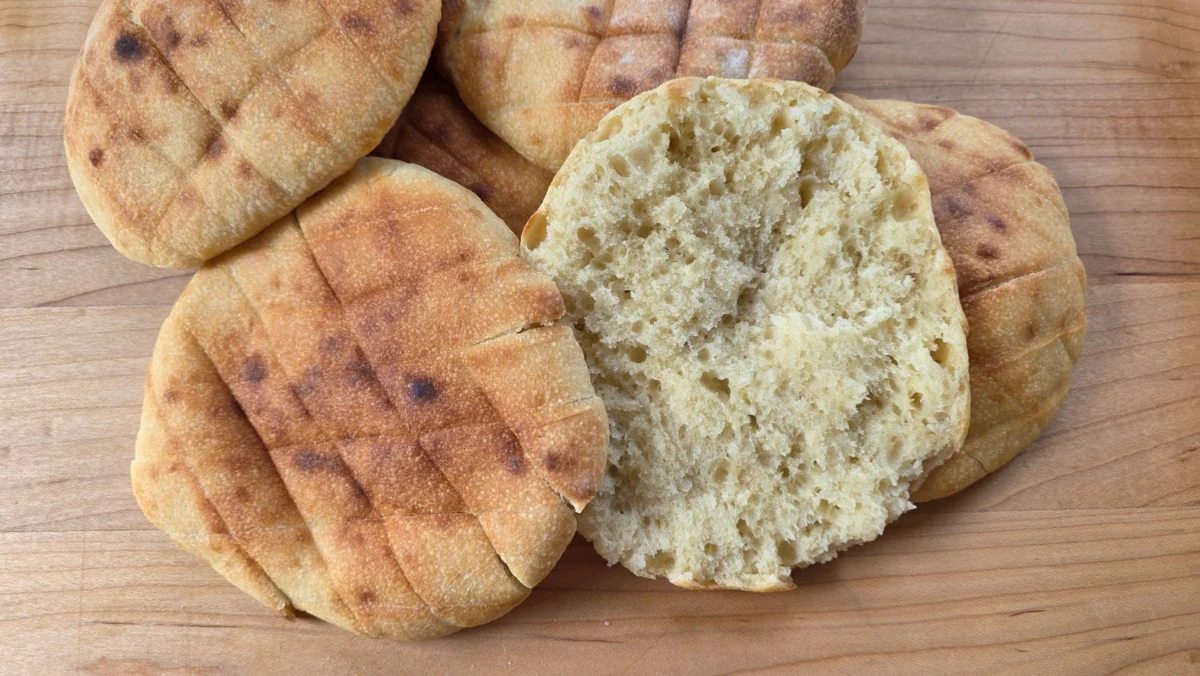
In the heart of the Balkans, from the bustling streets of Sarajevo to the quiet villages of Serbia and Croatia, the aroma of freshly baked flatbread is more than a culinary preference—it is a cultural anchor. Known as Lepinja or Somun, this iconic flatbread is the foundational element of the region’s most cherished street food. While often compared to the Mediterranean pita, the Lepinja distinguishes itself through a thicker, fluffier crumb and a distinctively artisanal preparation process that has been passed down through generations.
Today, modern home bakers are breathing new life into this ancient staple by marrying traditional techniques with the nuanced complexity of sourdough fermentation. By utilizing ingredients like buttery-sweet white Kamut flour and an extended cold-retard fermentation process, bread enthusiasts are discovering that the humble Lepinja is not merely a vessel for meat, but a sophisticated bread worthy of its own spotlight.
Main Facts: Defining the Balkan Staple
Lepinja, also known as Somun in parts of Bosnia and Herzegovina, is a yeast-leavened or sourdough flatbread that serves as the quintessential partner to Ćevapi—the iconic Balkan skinless sausages made from minced meat. Unlike the thinner, sometimes brittle pita bread found in other regions, a properly prepared Lepinja is pillowy, elastic, and designed to absorb the savory juices of grilled meats without disintegrating.
The bread is characterized by its signature diamond-patterned top. This aesthetic choice is rooted in both utility and history. Functionally, the scoring prevents the dough from ballooning excessively in the intense heat of a traditional brick oven. Culturally, some historians suggest the pattern mimics the mushebak—the ornate wooden latticework traditionally found on the windows of historic Balkan homes, providing privacy while allowing air to circulate.

When served in the traditional manner, the bread is sliced open and stuffed with grilled Ćevapi, then layered with ajvar (a vibrant spread made from roasted red peppers and eggplant), kajmak (a rich, clotted cream unique to the region), and fresh, pungent raw onion.
Chronology: The Journey of the Dough
The production of authentic Lepinja is a study in patience. While commercial versions often prioritize speed, the artisanal approach—as championed by modern sourdough practitioners—requires a meticulous three-stage rise.
Phase I: Initial Fermentation and Enrichment
The process begins with the integration of high-quality flour. While traditional recipes often rely on standard white bread flour, many modern bakers are experimenting with white Kamut flour. Kamut, an ancient grain, imparts a naturally buttery sweetness and a light, golden hue to the crumb. During the initial mixing phase, the ingredients are combined to form a soft, supple dough. The first rise is critical, as it establishes the structure of the gluten network that will eventually hold the steam needed to create the bread’s signature pocket.
Phase II: The Cold Retard
Following the initial rise, the dough is punched down to redistribute the yeast and strengthen the gluten. It is then placed into a cold environment—typically a refrigerator—for an overnight "cold retard." This extended fermentation is the secret to the bread’s flavor profile. Contrary to what one might expect from a sourdough, the resulting Lepinje do not possess an aggressive, vinegary tang. The interaction between the specific flour variety and a small amount of added sugar (which assists in the fermentation cycle) creates a balanced, mild profile that highlights the grain’s natural character.

Phase III: Final Proofing and the High-Heat Blast
The morning of baking, the dough is brought back to room temperature. Once divided into individual portions, it undergoes a final proofing stage before being subjected to a high-heat bake. The secret to the "pillowy" texture lies in the oven temperature; the dough must hit a preheated surface, often a baking stone or steel, to induce a rapid "oven spring." This quick rise, combined with the structural integrity provided by the diamond scoring, ensures a hollow, soft interior protected by a thin, flexible exterior.
Supporting Data: Why Sourdough and Kamut?
The shift toward sourdough in Lepinja production is more than a trend; it is a technical upgrade. Sourdough fermentation breaks down phytic acid in the flour, increasing the bioavailability of minerals and making the bread easier to digest.
Regarding the choice of Kamut flour, the data supports its inclusion for both flavor and performance. Kamut is a form of Khorasan wheat, an ancient grain that has remained largely unchanged for thousands of years. It contains higher levels of protein and lipids than modern common wheat, which contributes to the "buttery" mouthfeel mentioned by bakers.
Furthermore, the "three-rise" methodology serves a scientific purpose. Each punch-down and resting period allows for the refinement of the gas bubbles within the dough. By the time the Lepinja enters the oven, the structure is robust enough to expand evenly, creating the ideal "pocket" that makes this bread so perfect for the messy, delicious experience of eating Ćevapi.

Official Perspectives: The Cultural Significance of the Somun
Balkan culinary historians view the Lepinja as a unifying element of the region. Despite the geopolitical shifts that have defined the Balkans over the last century, the Somun remains a constant. In cities like Sarajevo, the production of Somun is a highly regulated art, particularly during the month of Ramadan, where specific bakeries are tasked with producing the bread for the Iftar meal.
"The bread is the conversation," says one local baker. "If the bread is cold or tough, the meal is ruined. The Lepinja must be warm, soft, and ready to soak up every drop of flavor from the grill."
The integration of the sourdough method into this traditional framework has been met with both curiosity and appreciation. While some traditionalists maintain that commercial yeast is the only path to the "classic" taste, the sourdough movement has introduced a complexity that allows the bread to stand alone, even without the heavy accompaniments of meat and cream.
Implications: A New Era for Flatbreads
The revival of Lepinja through sourdough and ancient grains suggests a broader trend in global baking: the reclamation of heritage recipes through modern, health-conscious techniques. By opting for long-fermentation methods, home bakers are not only creating a superior product in terms of taste and texture but are also reconnecting with a slower, more deliberate style of living.

For the aspiring baker, the transition from yeast to sourdough requires little more than a reliable starter and a commitment to the timeline. Whether using the traditional methods or adapting the recipe to fit a busy schedule via yeast conversion, the result remains the same: a bread that tells the story of the Balkans.
As we look to the future, the Lepinja stands as a testament to the resilience of food culture. It proves that even the simplest recipes—flour, water, salt, and time—can be elevated into a culinary masterpiece. Whether you are a seasoned baker looking to master the diamond-scored crust or a casual cook looking for the perfect vessel for your next grill-out, the Lepinja offers a gateway into one of Europe’s most vibrant and hospitable culinary traditions.
Summary of Best Practices for the Home Baker
- Manage your hydration: When substituting flours (such as swapping standard bread flour for Kamut), keep a portion of the water back. Adjust the final hydration based on the dough’s feel—it should be tacky but not unmanageable.
- Temperature control: The cold-retard phase is non-negotiable for that specific, non-sour flavor profile. Ensure your refrigerator is set to a consistent temperature.
- The Score: Don’t skip the diamond pattern. It is not just decorative; it is essential for an even rise and for preventing the bread from bursting at the seams during the bake.
- Heat is key: Use the highest setting your oven can safely maintain. The "blast" of heat is what creates the steam pocket inside the bread.

 Nana Muazin