

 Raul Delapena Setiawan

 Ammar Sabilarrohman
 Lina Irawan
 Suro Senen
 Ali Ikhwan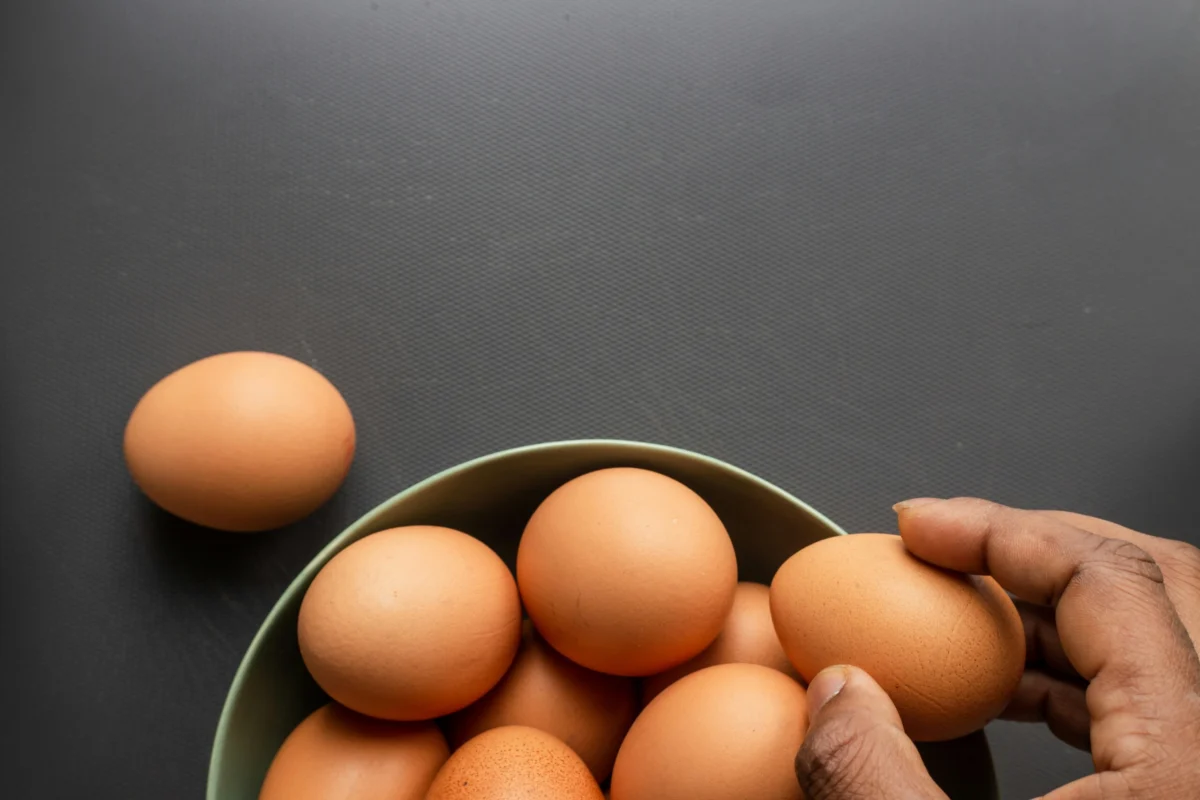
Food trends are rarely just about flavor; they are the cultural barometers of our collective health anxieties. Over the past decade, we have swung from the demonization of fat to the glorification of plant-based substitutes. Today, we find ourselves in the midst of a "protein gold rush." While gym-goers have long treated protein as the cornerstone of their existence, the movement has now permeated the mainstream, capturing a demographic that once prioritized "cardio bunnies" and low-fat diets.
But as the "plant-based" fever breaks—marked by a 4.5% dip in UK retail sales in the year leading to January 2025—the narrative has shifted toward the biological necessity of animal-sourced nutrition. Investigative food writer Joanna Blythman explores how this shift is being driven by everything from GLP-1 weight-loss drugs to a long-overdue appreciation for nutrient density.
The Rise and Fall of the Plant-Based Era
The rapid ascent of veganism, which reached its zenith in 2021, appears to have hit a definitive ceiling. What was once heralded as the inevitable future of human nutrition has encountered a "Waterloo moment." The symbolic turning point occurred when the former head of communications for Veganuary pivoted to advocate for "less and better" meat consumption.
This retreat from strict animal-free eating reflects a broader consumer realization: the promise of a plant-only diet was, for many, a difficult sell. As the fervor cools, there is a renewed recognition that animal-sourced foods—meat, fish, dairy, and eggs—are inherently more nutrient-dense and bioavailable than their plant counterparts.
The GLP-1 Factor: A New Catalyst for Consumption
Perhaps the most unexpected driver of the current high-protein trend is the global explosion of GLP-1 receptor agonists, such as Ozempic, Wegovy, and Mounjaro. These medications are powerful tools for weight loss, but they come with a biological trade-off: the rapid loss of lean muscle mass.
As millions of users—a demographic skewed heavily toward women—seek to mitigate muscle wasting, nutrition advice has shifted. No longer focused solely on caloric restriction, the new mantra involves pairing medical intervention with high-protein intake and resistance training. The rise of the "muscle mummy" on social media, who favors heavy lifting and steak over the treadmill and rice cakes, is more than a aesthetic choice; it is a clinical response to the physiological realities of drug-induced weight loss.
The Science of Protein Quality: DIAAS Explained
The shift toward animal protein is supported by a growing public understanding of "protein quality." The Food and Agriculture Organization (FAO) endorses the Digestible Indispensable Amino Acid Score (DIAAS) as the gold standard for measuring protein efficiency in the human gut.
When measured by this scale, the superiority of animal proteins becomes clear. Animal products provide all nine essential amino acids in highly absorbable forms. Consider the contrast:
- Beef: 1.22 DIAAS score
- Eggs: 1.12 DIAAS score
- Soy (a top-tier plant protein): 0.92 DIAAS score
- Kidney Beans: 0.61 DIAAS score
- Oats: 0.44 DIAAS score
This data is bolstered by reports from the Sustainable Food Trust, which emphasize that grass-fed livestock yield superior nutritional profiles compared to grain-fed equivalents, reinforcing the argument that how we farm is as important as what we eat.
Hormonal Health and the "Protein Leverage" Theory
The conversation around protein has also become central to discussions on women’s health, particularly regarding perimenopause and aging. As estrogen levels decline, the metabolic risk increases, and the body’s ability to maintain muscle mass becomes compromised. Experts now suggest that shifting energy intake away from carbohydrates and toward protein is a strategic move to stabilize metabolism, protect bone density, and manage weight during this biological transition.
Parallel to this is the "Protein Leverage Effect" theory. This hypothesis suggests that the human body has a specific "protein target." If that target is not met, the body will continue to signal hunger, leading to the overconsumption of fats and carbohydrates until the necessary protein threshold is reached. In an era where ultra-processed foods dominate the diet, this theory provides a compelling explanation for the modern obesity epidemic.
The Market Response: From Bone Broth to Cottage Cheese
The industry has been quick to capitalize on this renewed hunger for protein. Meat sales in the UK surged by £500 million in 2025, signaling that meat is officially "off the naughty step."
Simultaneously, traditional foods have experienced a renaissance. Bone broth—a staple of our ancestors—has transitioned from a home-kitchen relic to a high-end commercial product. Similarly, cottage cheese, once dismissed as a 1960s relic, has seen a 40% surge in sales. Companies like Grahams have successfully rebranded these products, with protein-fortified cottage cheese becoming a staple in the diets of a younger, fitness-conscious generation.
The Dark Side of the "Protein Halo"
However, the market success of high-protein products has a shadow side. Ultra-processed food manufacturers have realized that adding a "high protein" label provides a "health halo" to otherwise nutritionally void products.
Today, consumers can find protein-boosted versions of almost anything: crisps, energy bars, pizza dough, and even chocolate porridge. A closer inspection of these products often reveals significant drawbacks:
- Hidden Sugars: Some "high protein" porridges contain over 21% sugar, negating the health benefits.
- Additives: To make processed protein isolates (like soy or pea protein) palatable, manufacturers add emulsifiers, stabilizers, and artificial sweeteners.
- Digestive Issues: The use of chicory fibre (inulin) to bolster fibre content can lead to bloating, gas, and intestinal distress.
- Lack of Long-term Research: There is a startling lack of data on the long-term health impacts of consuming highly synthesized, industrial protein isolates compared to natural protein sources.
Implications: A Call for Whole-Food Nutrition
The high-protein trend is a double-edged sword. On one hand, it represents a positive shift away from the restrictive and often nutrient-poor plant-based craze, encouraging a return to nutrient-dense animal foods that support human biology. For those who cook from scratch, this focus on protein is a welcomed corrective.
On the other hand, the corporate co-option of this trend—flooding the market with ultra-processed "protein" snacks—poses a new risk. If a consumer’s diet is already composed of 50% ultra-processed foods, adding a "high protein" energy bar is unlikely to move the needle on health.
The lesson here is simple: while the science confirms that our bodies require high-quality protein to function optimally, the source matters. We should look to the "grazing livestock" models of agriculture for our nutrition, prioritizing whole, unprocessed sources like eggs, dairy, fish, and meat.
As we move forward, the goal should not be to chase the latest protein-fortified miracle in a packet, but to rediscover the wisdom of our forebears: that the most health-giving food is that which is grown, raised, and prepared with care, rather than manufactured in a laboratory.
Key Takeaways for the Consumer
- Check the Label: If a product has a long list of ingredients beyond the protein source itself, it is likely ultra-processed.
- Prioritize Bioavailability: Choose whole foods (meat, dairy, eggs) over isolates (whey powder, pea protein) whenever possible to maximize amino acid absorption.
- Avoid the "Halo" Trap: A "high protein" snack is still a snack. If it is high in sugar and additives, it remains detrimental to your health, regardless of the protein content.
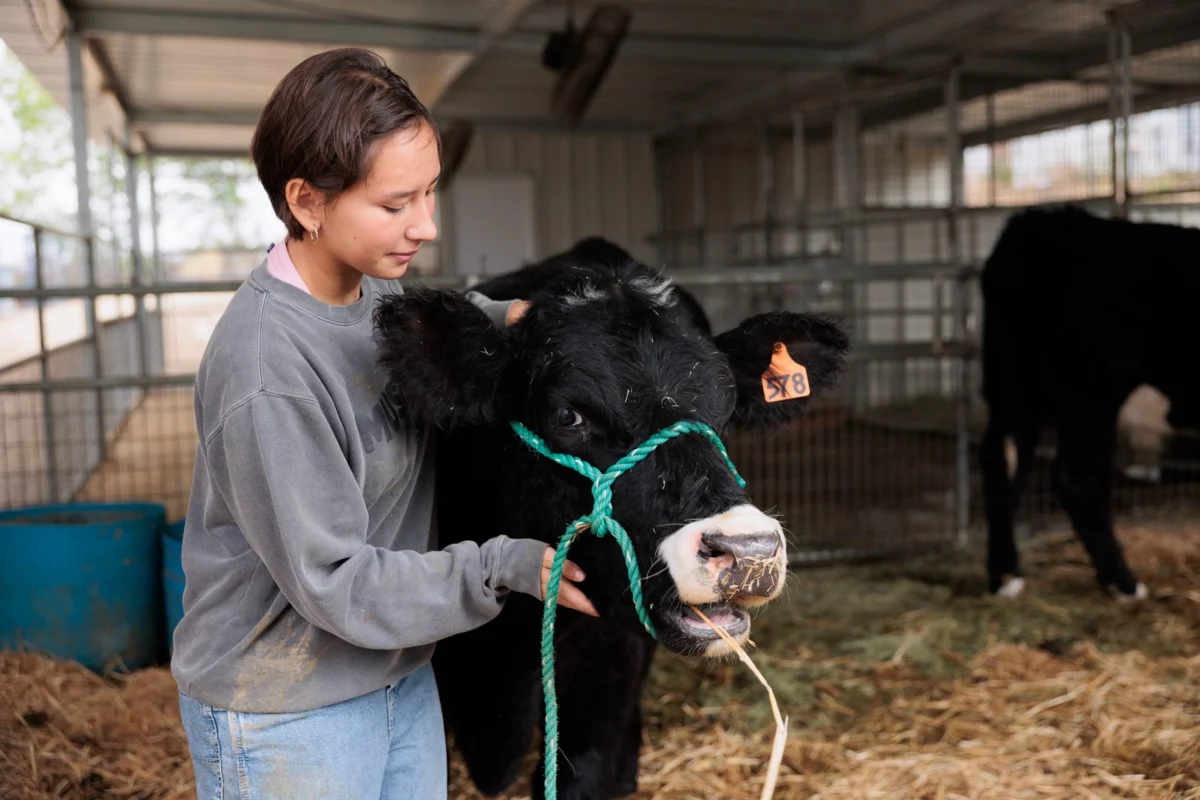
- Support Sustainable Agriculture: Look for grass-fed and pasture-raised products. The quality of the animal’s life is directly correlated to the nutritional quality of the food on your plate.
For those interested in the environmental and nutritional benefits of livestock, the Sustainable Food Trust’s report, "Grazing Livestock: It’s not the cow but the how," offers an in-depth analysis of how we can balance human nutritional needs with planetary health.

 Sagoh
Sagoh