

 Dwi Wanna
 Nana Wu
 Muslim
 Reynand Wu
 Ammar Sabilarrohman
 Laily UPN
The United States legislative machinery has finally lurched forward after years of gridlock, with the House of Representatives passing the Farm, Food, and National Security Act of 2026 in a narrow 224-200 bipartisan vote. This monumental, yet deeply contentious, piece of legislation aims to reauthorize the nation’s agricultural policy—the first such update since the 2018 Farm Bill. While the passage signals a long-awaited thaw in congressional stagnation, it has left behind a trail of controversy, divided advocacy groups, and a looming sense of uncertainty regarding the nation’s food security infrastructure.
The Path to Passage: A Chronology of Conflict
For years, the U.S. agricultural sector has operated on extensions of the 2018 Farm Bill, a state of legislative limbo that left farmers, researchers, and nutrition advocates in a precarious position. The road to the 2026 Act was anything but smooth.
The Stalled Beginnings
Following the expiration of the 2018 mandate, the House Agriculture Committee faced immediate hurdles. Disagreements over the Supplemental Nutrition Assistance Program (SNAP) and the inclusion of controversial environmental provisions turned routine committee markups into partisan battlegrounds. By early 2026, many political analysts predicted that a comprehensive bill would be impossible to pass in an election year.
The E15 and Pesticide Impasse
The early months of 2026 were defined by two major flashpoints: the year-round sale of E15 fuel—a blend containing 15 percent ethanol—and the "pesticide preemption" language. The ethanol provision, heavily lobbied for by corn-state representatives, threatened to alienate environmentalists, while the pesticide provision sought to shield chemical manufacturers from liability in state-level health-related litigation.
The Narrow Vote
In mid-2026, reports of a total breakdown in negotiations circulated, suggesting the bill might be shelved indefinitely. However, a last-minute push for a consensus—fueled by intense pressure from the agricultural lobby—resulted in a compromise. Lawmakers managed to salvage the bill by stripping away the most toxic elements of the pesticide shield while maintaining the controversial SNAP restrictions that had been established in the previous summer’s tax and spending legislation.
Supporting Data: The Human and Economic Cost
The Farm, Food, and National Security Act of 2026 is a complex tapestry of trade-offs, but the most pressing concerns revolve around the human element—specifically, food access for the most vulnerable populations.
The SNAP Contraction
The legislation effectively codifies the changes to SNAP eligibility enacted last summer. Data from the Center on Budget and Policy Priorities (CBPP) paints a sobering picture: approximately one in eight participants will face a reduction or total loss of access to food relief. This tightening of eligibility criteria comes at a time when inflation continues to erode the purchasing power of low-income households.
The Growing Burden on Food Pantries
Kathleen Merrigan, Executive Director of the Swette Center for Sustainable Food Systems at Arizona State University, notes that the true impact of these policies has not yet fully materialized. “People don’t understand how bad it’s going to be,” Merrigan states. Across Arizona and much of the Sun Belt, food pantries are already reporting record-breaking attendance.
The economic ripple effect is significant. When federal safety nets are restricted, the burden shifts to local charities and municipalities. As these organizations reach their capacity, the potential for a systemic breakdown in food security becomes a reality, not just a projection.
Official Responses and Political Shifts
The reaction to the House vote has been bifurcated. While some lawmakers celebrated the bill as a necessary "win" for American farmers and energy independence, policy experts and nutrition advocates view it as a missed opportunity to build a more resilient food system.
The "Sweet" Victory: The Pesticide Clause
Perhaps the most surprising aspect of the vote was the removal of the provision designed to shield pesticide manufacturers from health-related lawsuits. This pivot represents a major shift in legislative momentum.
"I don’t like a lot of what’s in this Farm Bill," Merrigan admits. "But I have to say that pesticide victory was sweet."
Many observers attribute this outcome to the rising influence of the Make America Healthy Again (MAHA) movement. The movement, which has gained significant cultural and political traction, has reframed the conversation around pesticides, moving it from a purely agricultural regulatory issue to a public health imperative. "We’re seeing this pesticide issue being a tipping point right now in food and agriculture policy," says Merrigan, noting that the pressure bubbling up from the grassroots level made it politically untenable for many representatives to back the corporate liability shield.
The Silence on Sustainability
Conversely, the bill has been criticized for its lack of focus on long-term climate resilience and sustainable agricultural practices. Critics argue that by prioritizing industrial-scale commodity production, the legislation ignores the environmental challenges—such as soil degradation and water scarcity—that threaten the future of the U.S. food supply.
Implications: A Future in Flux
With the House having cleared the path, the legislative focus now shifts to the Senate. A markup is anticipated for late May or early June, a timeline that leaves little room for error if the bill is to reach the President’s desk before the summer recess.
The Senate’s Burden
The Senate faces a delicate balancing act. They must appease the House leadership while addressing the demands of senators who feel that the current iteration of the bill abandons the social contract. If the Senate makes significant changes, the bill will return to the House, potentially re-opening the very debates that nearly derailed the legislation in the first place.
The Long-Term Consequences
For Merrigan, the concern is that the pursuit of a "successful" legislative outcome has overshadowed the need for a "good" policy. "I would say the costs of having success in the Farm Bill—if the Farm Bill looks like what just passed in the House—is not worth it," she argues. "We need to stand tall."
The concern is that the electorate remains largely unaware of the impending shift in the federal safety net. As Merrigan points out, "A lot of people who are going out to vote in November won’t realize that the safety net is pulled out from under them." The gap between the signing of a bill and the reality of its implementation is often measured in months, a delay that could have profound political consequences in the upcoming election cycle.
Conclusion: Reimagining the Farm Bill
The Farm, Food, and National Security Act of 2026 is, at its core, a reflection of the current political environment: fragmented, reactive, and driven by short-term political exigencies. While the passage of the bill is a milestone, it is a reminder that the U.S. food system is currently managed through compromise rather than a coherent long-term strategy.
As the Senate prepares for its markup, the pressure remains on lawmakers to consider the broader implications of their choices. Whether the final version of the bill will serve the needs of the average American family or continue to cater to the interests of the powerful remains to be seen. What is clear, however, is that the debate over the future of American agriculture is far from over.
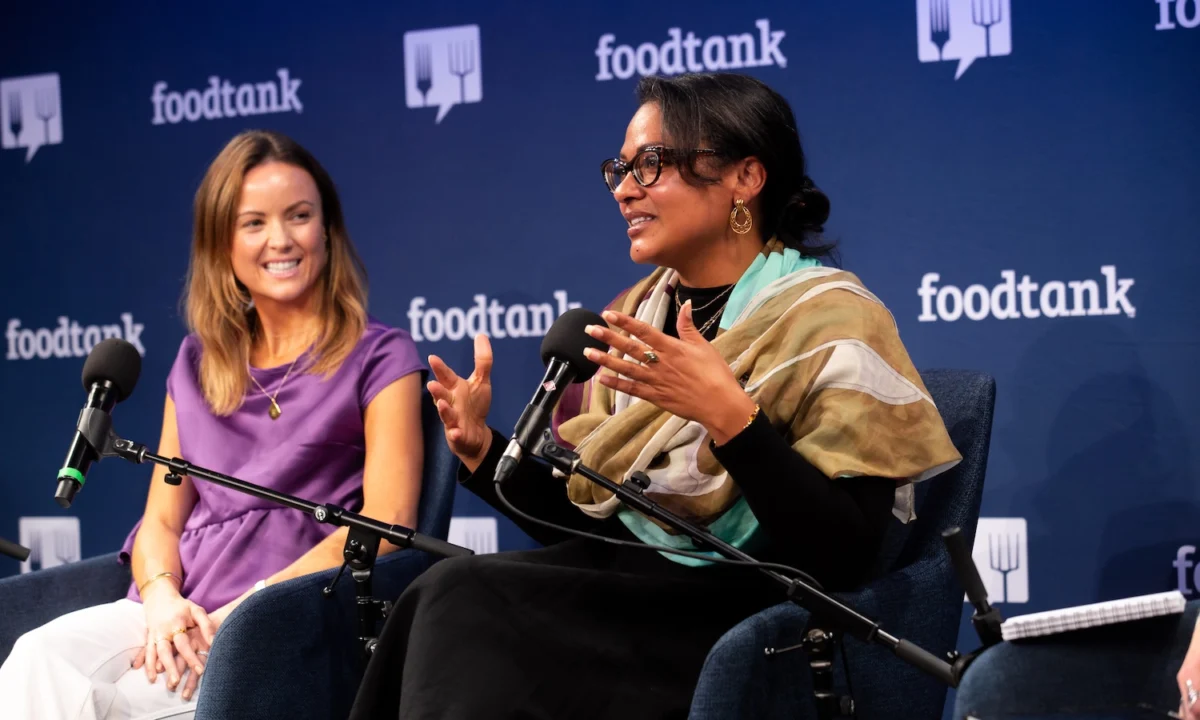
For a deeper dive into the complexities of this legislation, including the potential impacts of the USDA’s proposed reorganization plans, listeners can access the full conversation with Kathleen Merrigan on the "Food Talk with Dani Nierenberg" podcast.

 Sagoh
Sagoh