
 Dwi Wanna
 Nana Wu
 Muslim
 Reynand Wu
 Ammar Sabilarrohman
 Siti Muinah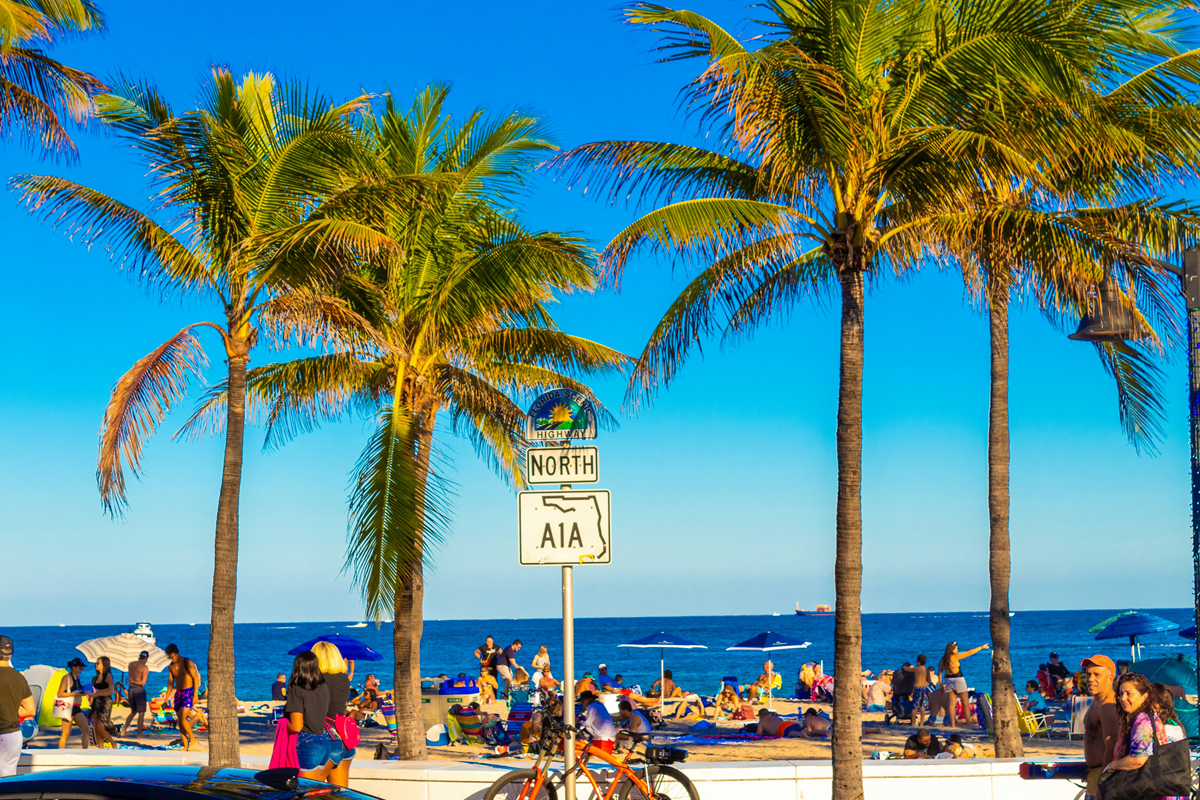
Despite a turbulent economic climate defined by persistent inflationary pressures and the sharpest spike in fuel costs seen in recent memory, the American appetite for travel remains largely unsated. As the calendar turns toward Memorial Day—the traditional curtain-raiser for the U.S. summer travel season—industry data indicates that the travel sector is not merely surviving; it is surging toward historic milestones.
While the cost of living has become a central concern for the average household, recent reports from financial institutions, travel advocacy groups, and booking platforms suggest that for many Americans, travel has shifted from a discretionary luxury to a non-negotiable priority.
Main Facts: A Summer of Unprecedented Movement
The core takeaway from the current market analysis is clear: Americans are prioritizing experiences over austerity. According to the latest forecasts from the American Automobile Association (AAA), the upcoming Memorial Day weekend is projected to be the busiest on record. The organization anticipates that 200,000 more travelers will take to the roads and skies between May 21 and May 25 compared to the previous year.
This surge is occurring against a backdrop of significant financial friction. Gasoline prices have soared by approximately 40% year-over-year, with national averages climbing above $4.50 per gallon. Historically, such a drastic increase in the cost of fuel would be expected to trigger a significant cooling effect on consumer behavior. However, the current data suggests a "resilience threshold" has been met, where travelers are absorbing these costs rather than canceling their plans.
Key figures include:
- Total Projected Travelers: 39.1 million people expected to travel by car alone.
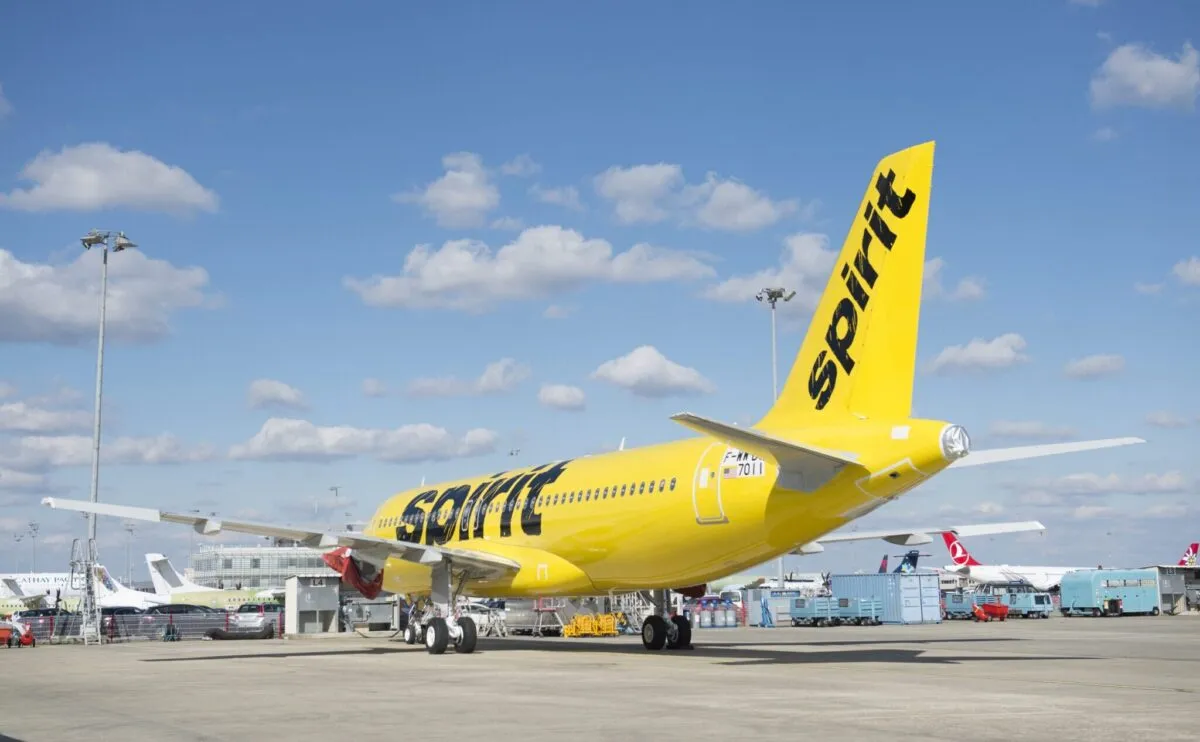
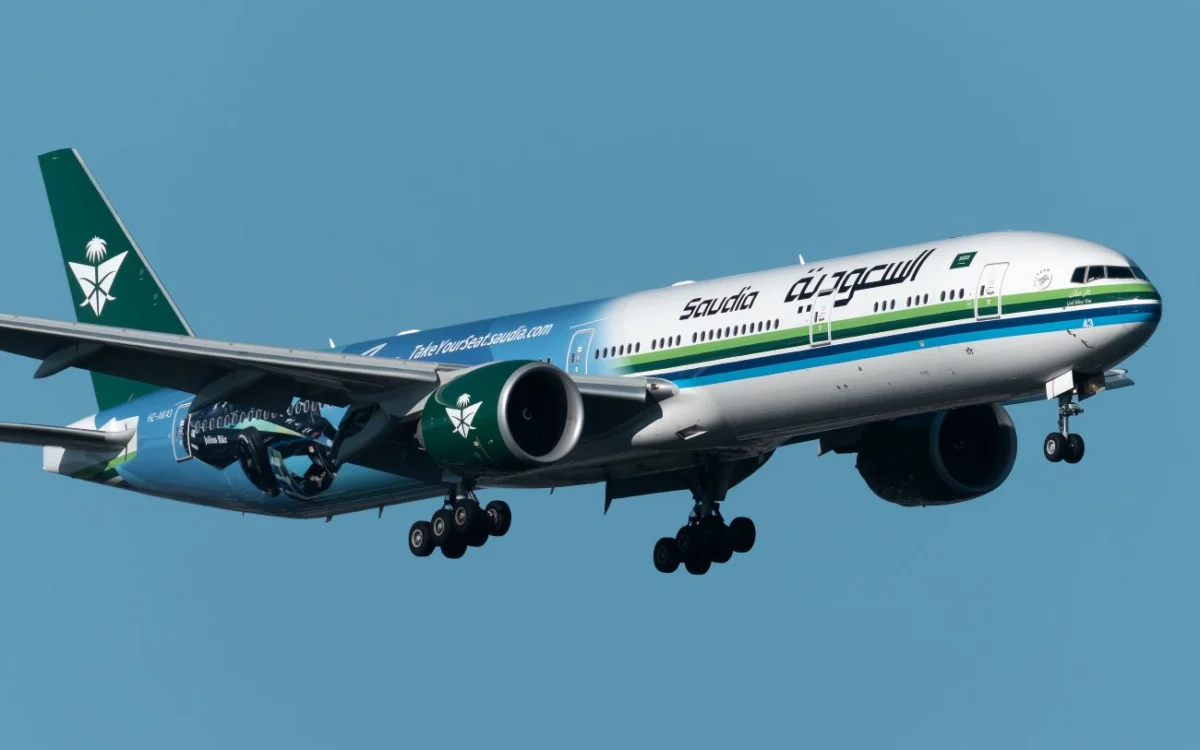
- Aviation Growth: 3.66 million travelers are projected to take to the skies.
- Economic Context: Travel spending remains robust, particularly within high-income demographics, according to internal tracking by Bank of America.
Chronology: The Evolution of the 2026 Travel Surge
The momentum building toward this record-breaking summer is the result of several months of shifting consumer sentiment.
Q1 2026: The Planning Phase
As early as January and February, travel search platforms reported a surge in advance bookings. Unlike the "last-minute" booking trend that dominated the immediate post-pandemic era, travelers returned to planning trips months in advance to lock in prices, fearing that inflation would only increase costs as the season approached.
Early May: The Price Shock
In the first two weeks of May, gas prices reached their recent peaks. Travel analysts held their breath, expecting a wave of cancellations or a shift toward "staycations." Instead, search engine data showed a pivot: rather than canceling, travelers began searching for more budget-friendly lodging, shifting their focus toward shorter-duration trips, or opting for destinations closer to home—but still traveling nonetheless.
May 21–25: The Memorial Day Benchmark
This five-day window serves as the official stress test for the transportation infrastructure. With AAA projections indicating that 2026 will officially surpass all previous records, the focus has now shifted to how airports and highways will handle the concentrated volume of humanity.
Supporting Data: Understanding the Consumer Mindset
The disconnect between high energy prices and high travel demand can be explained by a deep dive into consumer segmentation.
The "Wealth Effect" and High-Income Resilience
Bank of America’s internal consumer spending data offers a granular look at the travel market. While lower-income households are undeniably feeling the pinch of inflation, high-income earners are continuing to spend at pre-inflationary levels. This segment represents a significant portion of the air travel market, which has remained largely insulated from the volatility seen at the gas pump.
The Psychological Shift
Psychologists and consumer behavior analysts suggest that the "revenge travel" phenomenon—a carryover from the pandemic—has evolved into a permanent behavioral shift. After years of lockdowns and travel restrictions, the value proposition of a vacation has been recalibrated. Many consumers have decided that the utility of a vacation (mental health, family connection, and leisure) outweighs the financial pain of a $4.50-per-gallon tank of gas.
Modal Shifts
The data reveals interesting trade-offs. While road travel continues to dominate, the growth in aviation—projected at 3.66 million travelers—suggests that for long-haul travel, the high cost of airfare is being treated as a "fixed cost" that families are willing to pay, often by sacrificing other discretionary spending elsewhere in their household budgets.
Official Responses: Industry Leaders Speak
Industry stakeholders are navigating this period with a mix of optimism and operational caution.
The AAA Perspective
In their official statements, AAA spokespeople have emphasized that while the fuel prices are a deterrent, they are not a deal-breaker. "We are seeing a profound desire to reconnect," one representative noted. "The fact that we are expecting 39.1 million drivers despite fuel costs is a testament to the fact that travel has become a fundamental component of the American lifestyle."
Airline Industry Stance
Airlines have been preparing for this influx by increasing flight capacity and rehiring staff to mitigate the operational bottlenecks that plagued the industry in previous years. Executives have publicly noted that demand for premium cabins and international routes remains exceptionally strong, signaling that the "travel-at-all-costs" mentality is not limited to domestic road trips.
Financial Analysts
Economists at major investment firms, including Bank of America, have cautioned that this resilience may be short-lived if energy prices continue to climb into the summer months. However, they acknowledge that for the immediate Memorial Day horizon, the consumer’s "war chest" of savings and steady employment numbers are providing a sufficient buffer to support high levels of travel expenditure.
Implications: What This Means for the Future
The current travel landscape carries significant implications for the broader economy and the future of the tourism industry.
The "New Normal" of Pricing
The 2026 summer season is effectively testing the price elasticity of the American traveler. If the travel industry can maintain record numbers despite high energy costs, it may signal to corporations and tourism boards that consumers are willing to absorb higher prices. This could lead to a permanent shift in how travel packages are structured and priced.
Infrastructure Strains
The record-breaking volume of travelers places unprecedented stress on national infrastructure. With 39.1 million people on the roads and millions more in the air, the potential for delays and logistical challenges is high. This will likely spark renewed calls for federal investment in public transportation and airport modernization to accommodate a population that is clearly not interested in slowing down its travel habits.
A Test of Economic Health
Ultimately, the summer of 2026 will serve as a barometer for the American economy. If travel remains robust through July and August, it indicates that the labor market is strong enough to withstand inflationary pressures. If, however, we see a sharp decline in travel following the Memorial Day weekend, it may serve as the "canary in the coal mine" for a broader economic cooling.
Conclusion
As Memorial Day approaches, the narrative is one of defiance. Despite the daunting reality of rising energy costs, the American traveler has demonstrated a clear preference for movement over confinement. Whether this represents a sustainable trend or a final splurge before an economic tightening remains to be seen. For now, the airports are full, the highways are packed, and the American spirit of travel remains as relentless as ever. The industry is bracing for a record-breaking, albeit expensive, season that will undoubtedly leave a lasting mark on the economic and social fabric of the country.

 Basiran