 Dwi Wanna
 Nana Wu
 Muslim
 Reynand Wu
 Ammar Sabilarrohman
 Rifan Muazin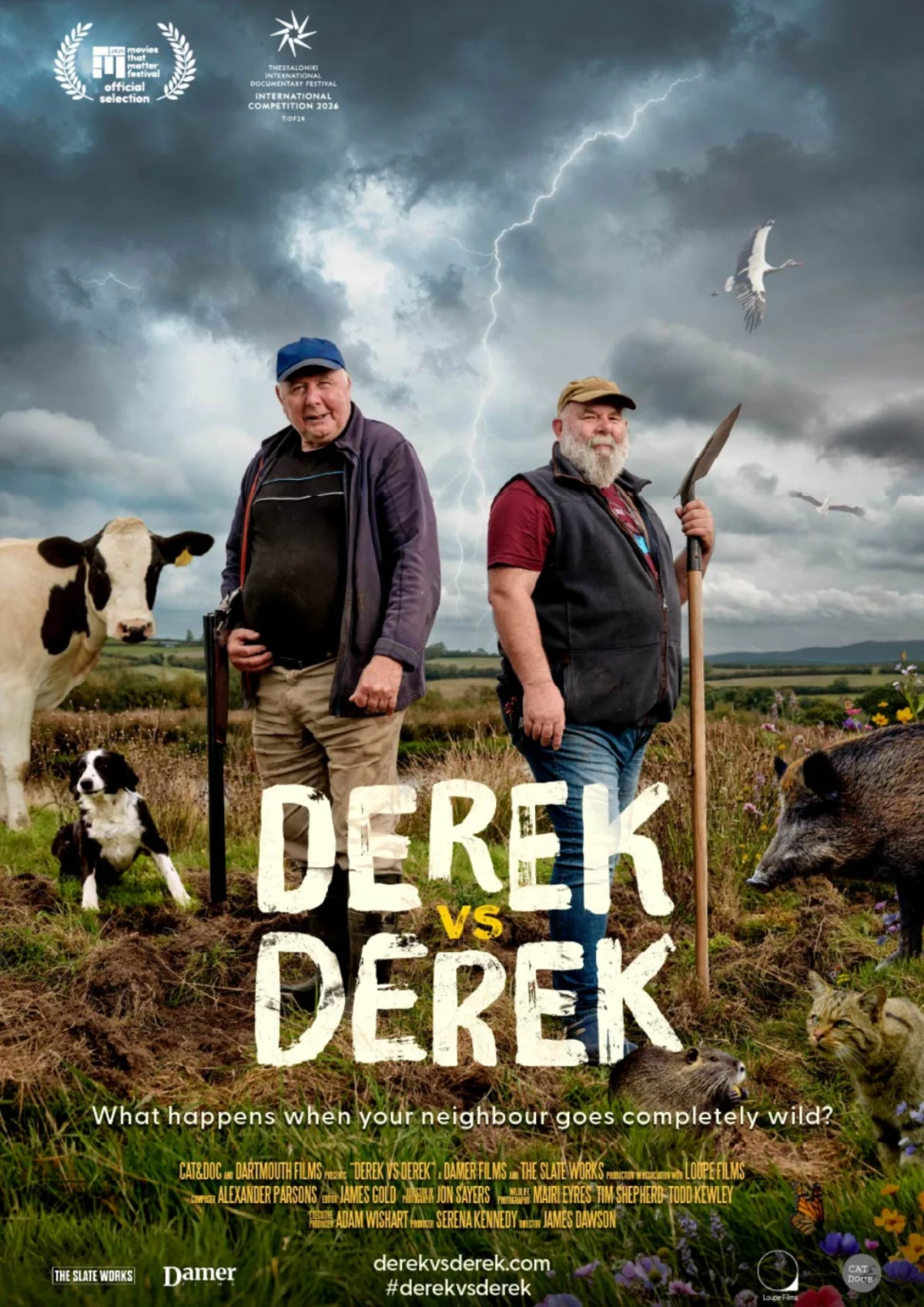
As the global food system faces unprecedented scrutiny, the Sustainable Food Trust (SFT) team has curated a definitive list of must-watch documentaries and series for the year ahead. From the hidden realities of ultra-processed diets to the inspiring stories of land restoration and the monarch’s vision for a greener future, these films offer more than just entertainment—they serve as a wake-up call for the modern consumer.
1. The Nutritional Reckoning: Ultra-Processed Food and the "Protein" Myth
What Not to Eat (Directed by Mickey Bishop)
In the Channel 4 series What Not to Eat, Dr. Tim Spector and GP Dr. Kandi Ejiofor embark on a visceral investigation into the UK’s dependency on ultra-processed foods (UPFs). The series follows four families, each relying on a staple diet of convenience-heavy, nutrient-poor items. The visual impact is immediate: the team replaces these diets with real food, using shocking visual aids—such as bathtubs filled with the sheer volume of pot noodles and sugary sodas consumed—to illustrate the physical toll of modern eating.
Key Implications: The documentary exposes that much of what we consider "food" is, in reality, a manufactured product with no nutritional value. Spector’s deep dive into ingredients reveals a disturbing trend: meat that is not meat, and custard that contains no dairy, highlighting a systemic failure in food transparency. While the families in the show saw weight loss and health improvements, the lasting question remains: can the population maintain these habits in a world where UPFs are the cheapest, most accessible option?

Protein: Everything You Need to Know (Directed by Liam Royales)
While What Not to Eat focuses on the baseline, Protein: Everything You Need to Know tackles the specific industry trend of "protein washing." Host Gemma Atkinson investigates the £20 billion industry that leverages health claims to market expensive, processed alternatives to whole foods.
Supporting Data: The film highlights that some "high-protein" snack bars contain more sugar and calories than a standard donut, while others offer a negligible protein boost for a 37% price markup. Experts such as Dr. Yanaina Chavez-Ugalde argue that consumers are being duped by marketing that masks ultra-processed ingredients under the guise of fitness. The takeaway is clear: the "protein obsession" has created a "fibre gap," as consumers prioritize synthetic additives over nutrient-dense, whole-food sources like lentils and seeds.
2. Stewardship and Restoration: The Land Management Debate
Derek vs. Derek (Directed by James Dawson)
Premiering at Sheffield DocFest, Derek vs. Derek provides a poignant look at the dichotomy between intensive agriculture and rewilding. The film centers on two neighbors in Devon: Derek Banbury, a traditional, intensive dairy farmer with deep family roots in the land, and Derek Gow, a conservationist dedicated to species recovery.

Chronology of Conflict and Cooperation:
- The Traditionalist: Derek Banbury represents the post-war industrial mandate—a relentless commitment to feeding the world through high-yield farming.
- The Restorationist: Derek Gow represents the shifting paradigm, where the goal is no longer just extraction, but the healing of the soil and the reintroduction of endangered wildlife.
The brilliance of the film lies in its refusal to paint either man as a villain. Both are driven by a fierce, uncompromising passion for their land. The documentary invites viewers to step into a wider debate about the future of British farming: can we balance the need for food security with the urgent requirement for biodiversity?
3. The Visionary Approach: A Royal Perspective
Finding Harmony: A King’s Vision (Directed by Nicolas Brown)
For decades, King Charles III has been a controversial yet consistent voice in the sustainability movement. Finding Harmony traces his journey from a young, often mocked advocate for organic farming at Highgrove House to a global leader in environmental thought.
Official Vision: The film explores the "Harmony Principles," which posit that humanity is not separate from nature, but an intrinsic part of it. The King’s work, particularly through the King’s Foundation and his efforts at Dumfries House, serves as a blueprint for community engagement and rural restoration.
Implications for Global Policy: The film details the King’s role in the 1991 Earth Summit, where he advocated for environmental protections that were, at the time, seen as radical. Today, his emphasis on "enquiries of learning"—where young people are encouraged to understand the interconnectedness of systems—is being recognized as a vital component of climate education.
4. The Realities of Small-Scale Farming
Flourish (Directed by Christopher Baker)
Calixta Killander’s farm, Flourish, is a microcosm of the challenges facing the modern regenerative agricultural movement. Awarded the BBC Best Food Producer 2025, the farm began in 2017 and has grown to 80 acres, serving high-end restaurants and local communities.

Supporting Data and Reality Check: Flourish is a rare, honest look at the economics of farming. During a staff meeting captured in the film, the reality of agricultural volatility is laid bare: the farm faces a year without profit, necessitating difficult personnel decisions.
The Human Cost: The film demonstrates that while regenerative agriculture is environmentally superior, it is not an easy "win." It requires a constant, grueling process of learning-by-doing, navigating market demands, and managing the thin margins of independent food production. It is an essential watch for those who want to understand the true cost of the food on their plates.
Summary and Final Considerations
The collection of documentaries recommended by the SFT team this year points to a singular, urgent conclusion: the current trajectory of our food system—defined by hyper-processing, chemical reliance, and a detachment from nature—is unsustainable.

Comparative Summary Table
| Film | Primary Focus | Key Takeaway |
|---|---|---|
| What Not to Eat | Ultra-processed food impact | Time to return to cooking from scratch. |
| Derek vs. Derek | Intensive vs. Regenerative | Passion exists on both sides; debate is essential. |
| Protein | Protein washing/Marketing | Read labels, not marketing buzzwords. |
| Finding Harmony | King Charles’s philosophy | Nature must be at the heart of our systems. |
| Flourish | Small-scale farming realities | Regenerative farming is vital, but inherently difficult. |
The Path Forward: A Call to Action
The underlying message across all these features is that consumer advocacy is the most powerful tool for change. Whether it is through the skepticism of marketing claims in Protein or the active support of small-scale, regenerative producers like Flourish, the power to shift the food landscape resides in the choices made in the kitchen and at the checkout counter.
The Sustainable Food Trust continues to advocate for a transition toward farming systems that prioritize soil health, nutritional density, and community resilience. By engaging with these narratives, viewers are not merely consuming media; they are informing themselves for a future where "food" once again means something that sustains both the body and the planet.
Where to begin?
- For those interested in immediate lifestyle changes, start with the free streaming options on Channel 4 for What Not to Eat and Protein.
- For those interested in the philosophical and systemic shifts required in agriculture, seek out screenings of Derek vs. Derek and Flourish.
- For a broader look at the historical and spiritual connection between human societies and the natural world, Finding Harmony offers a comprehensive, albeit personal, perspective from the monarchy.
As these films suggest, the "wake-up call" has arrived. The question for the year ahead is not just what we will eat, but how we will choose to sustain the world that feeds us.

 Sagoh
Sagoh