

 Dwi Wanna
 Nana Wu
 Muslim
 Reynand Wu
 Ammar Sabilarrohman
 Jia Lissa
As the frost line retreats across North America, May emerges as the most pivotal month in the agricultural calendar. It is a period defined by transition, where the urgency of the spring thaw gives way to the deliberate, high-stakes planning of the summer growing season. For farmers—from intensive market gardeners to large-scale producers—the decisions made this month regarding variety selection, crop spacing, and soil management will dictate the economic viability of their operations through the autumn.
While the local climate remains the primary arbiter of what can thrive, modern agricultural techniques, such as the use of row covers, high tunnels, and strategic micro-climate utilization, provide a necessary buffer. By leveraging these tools, growers can effectively extend their seasons, making it possible to cultivate a wider array of crops regardless of traditional frost dates.
The Strategic Imperative: Balancing Markets and Experiments
For professional growers, the May planting schedule is rarely a matter of personal preference; it is a calculated response to market demand. The most successful farms prioritize crops with a proven track record of profitability in their specific region. However, the most resilient operations also allocate a percentage of their land to "experimental" crops.
While an atypical crop may not always reach the profit margins of a staple like tomatoes or corn, its value is often found in the knowledge gained. Learning to master a new variety—or an entirely new species—builds institutional resilience, allowing farmers to adapt to shifting climate patterns and evolving consumer preferences. Whether you are focusing on maximizing revenue at the farmers’ market or diversifying your farm’s ecological profile, the following crops are essential for your May planting rotation.
Melons: The Heat-Loving Powerhouses
Cantaloupe, watermelon, and honeydew represent the quintessential summer bounty. As the soil warms in May, these cucurbits are ready to be sown. In regions where summers are characterized by intense, sustained heat, melons are not just a luxury; they are a high-yield commodity.
Cultivation Best Practices
Melon vines require significant real estate. Whether allowed to sprawl across the field or trained vertically on heavy-duty trellises, they thrive when provided with room to breathe and access to full sunlight. For optimal results, incorporate a consistent, diluted fertilization schedule. A weekly application of liquid fertilizer can ensure the high nutrient uptake required to support heavy fruit sets.
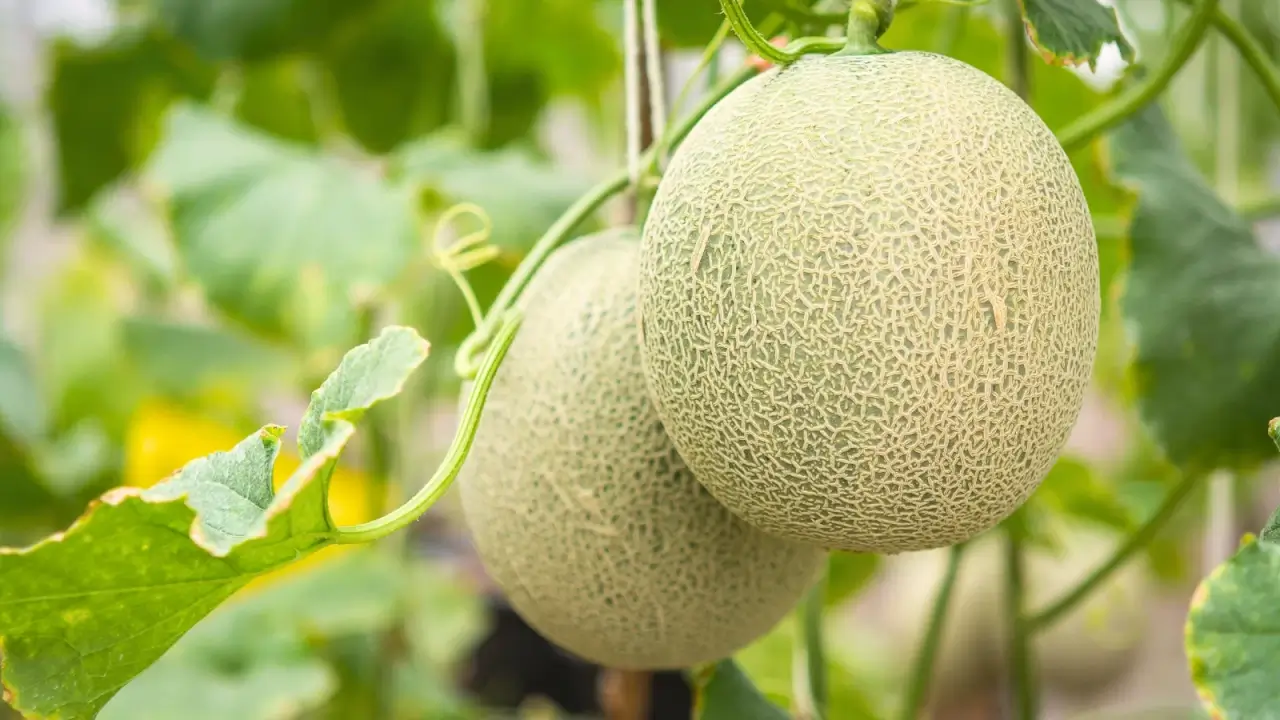
- Regional Strategy: Watermelons are particularly well-suited to coastal environments. Their preference for sandy, well-draining soil and their innate tolerance for wind and saline-rich air make them an ideal choice for growers in challenging maritime conditions. Conversely, muskmelons prefer richer, nutrient-dense soils. Before planting, growers should align their selection with their region’s "days to maturity" data to ensure the harvest concludes before the onset of the first autumnal frost.
Eggplant: The Case for Targeted Transplanting
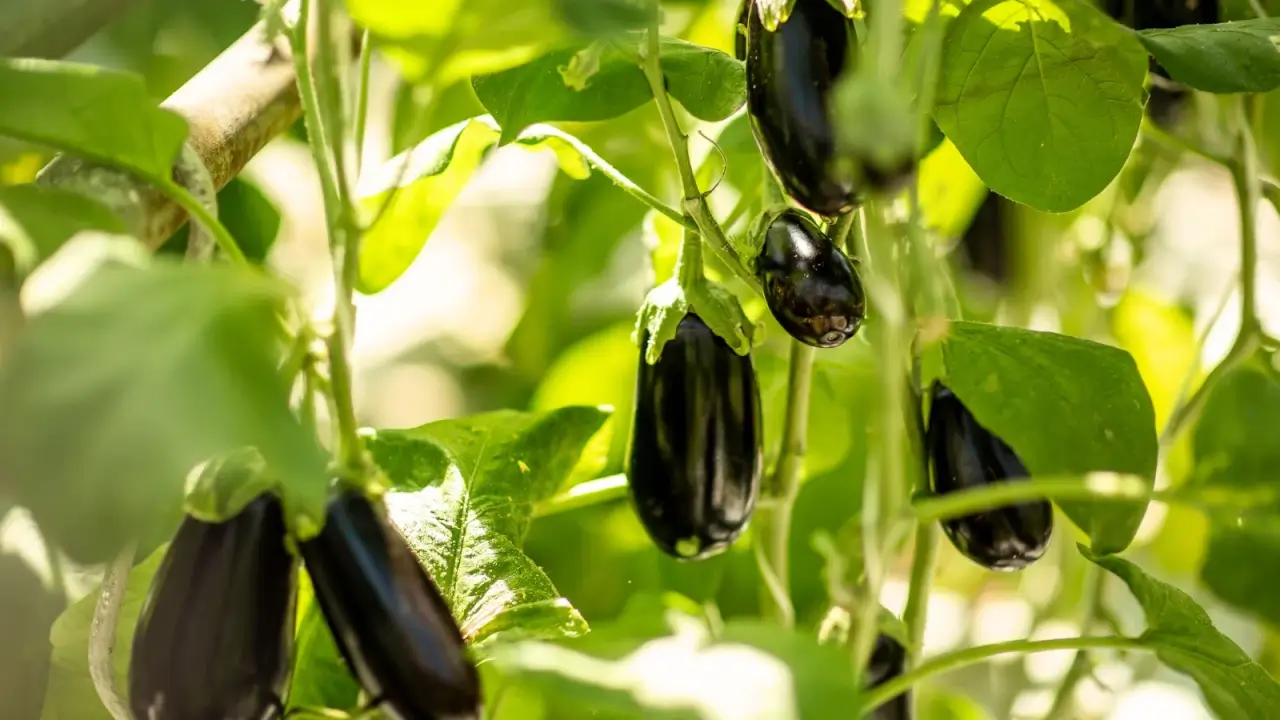
While many crops benefit from direct sowing, eggplants generally require a jump-start. Transplanting healthy, greenhouse-hardened starts in May is the most reliable way to ensure a robust harvest. These solanaceous plants are sensitive to temperature fluctuations and require a minimum of two and a half months of steady, warm weather to reach maturity.
Variety Selection for Success
For growers, variety is everything. The ‘Epic’ variety is a reliable workhorse that produces heavily in warm conditions, while the ‘Nadia’ is favored for its large, uniform fruit. For farms situated in cooler temperate zones where the ideal eggplant temperature range (75–85°F / 24–29°C) is not always guaranteed, ‘Orient Express’ and ‘Elondo’ provide consistent performance, even in less-than-perfect heat conditions.
Okra: The King of the Summer Heat
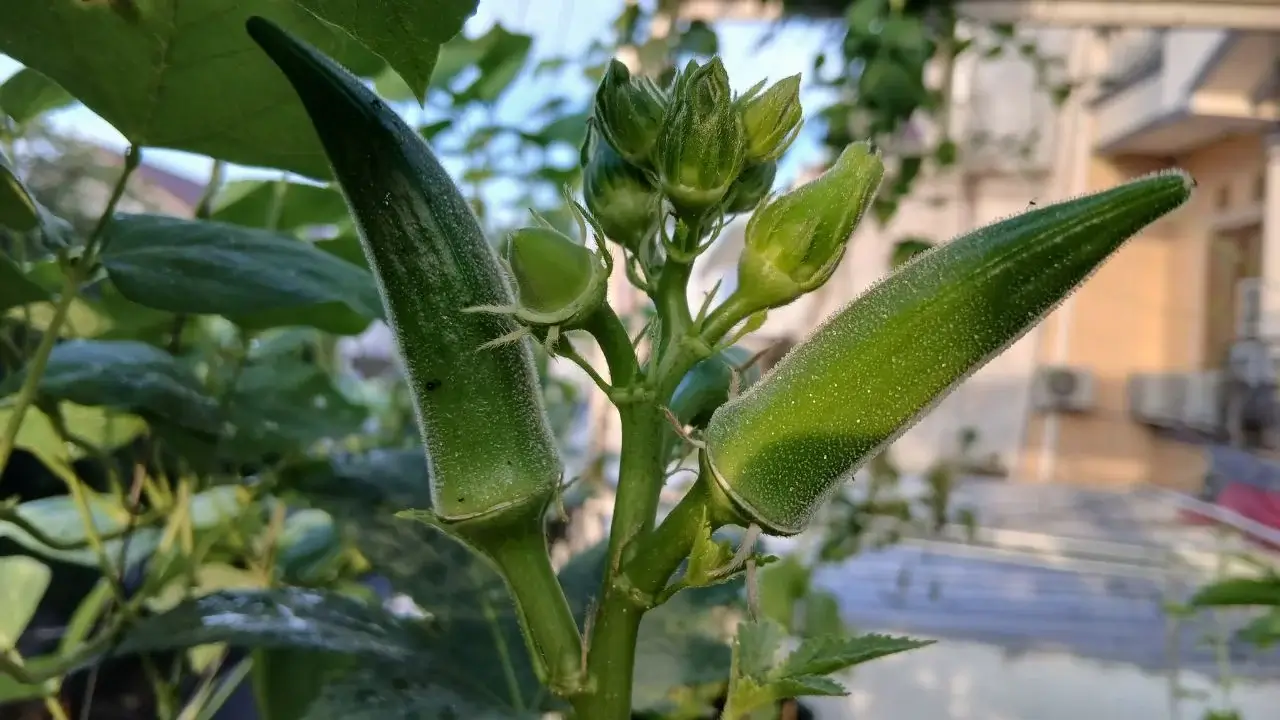
Okra is synonymous with summer, and for good reason—it possesses a seemingly insatiable appetite for heat. If your farm is located in a region where summer temperatures frequently climb, okra is arguably one of the most productive crops you can plant in May.
To mitigate the labor-intensive nature of harvesting spiny varieties, farmers are increasingly turning to spineless cultivars. The ‘Clemson Spineless 80’ is a standout choice that provides excellent yields without the skin irritation often associated with older varieties. Given its high productivity, okra is a perfect candidate for market stands; however, it requires consistent harvesting to prevent the pods from becoming woody.
Corn: A Study in Variety and Utility
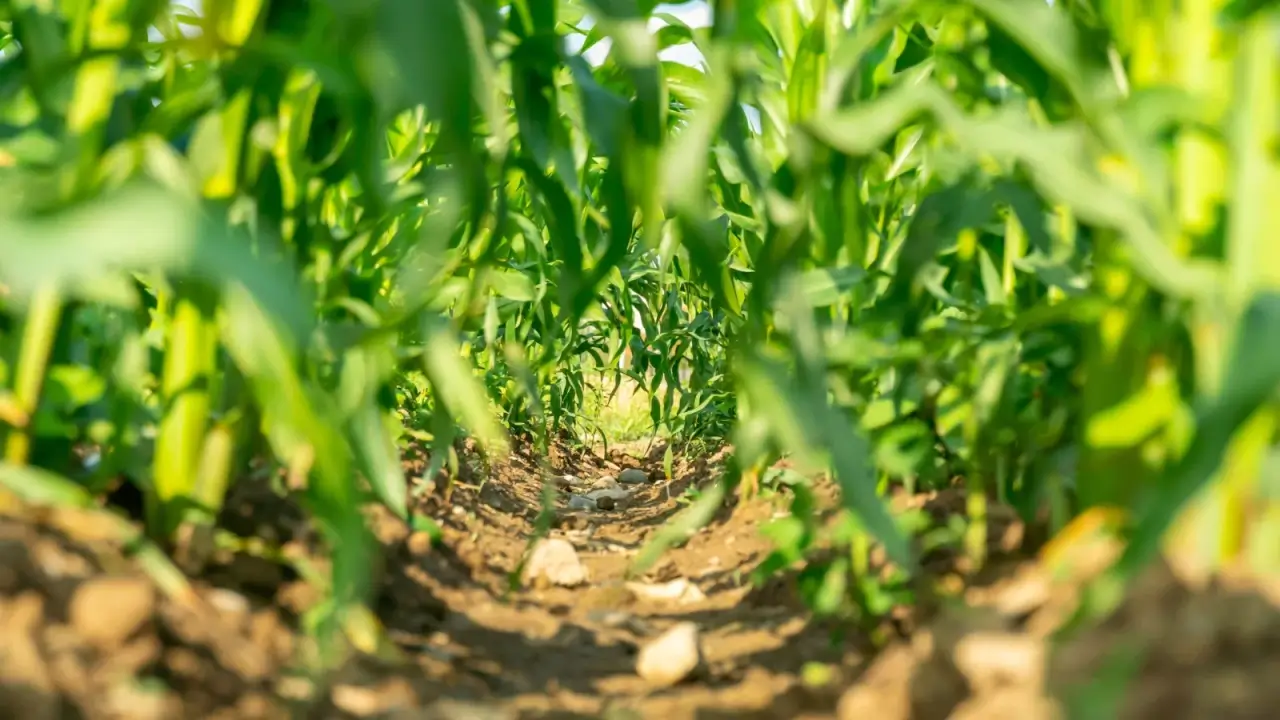
The inclusion of corn in a May planting schedule requires a long-term commitment of both land and labor, as most varieties require at least two and a half months to mature. However, the versatility of corn—ranging from sweet corn for fresh eating to dent corn for masa and cornmeal—makes it a staple for a reason.
Sustaining the Legacy
Modern farmers are increasingly looking toward heirloom and open-pollinated varieties. By choosing these over standard hybrids, growers can save their own seeds, effectively participating in a long tradition of regional adaptation. Whether you are planting flint corn for grinding or sweet corn for the table, selecting a variety that matches your specific market’s demand is the key to a profitable harvest.
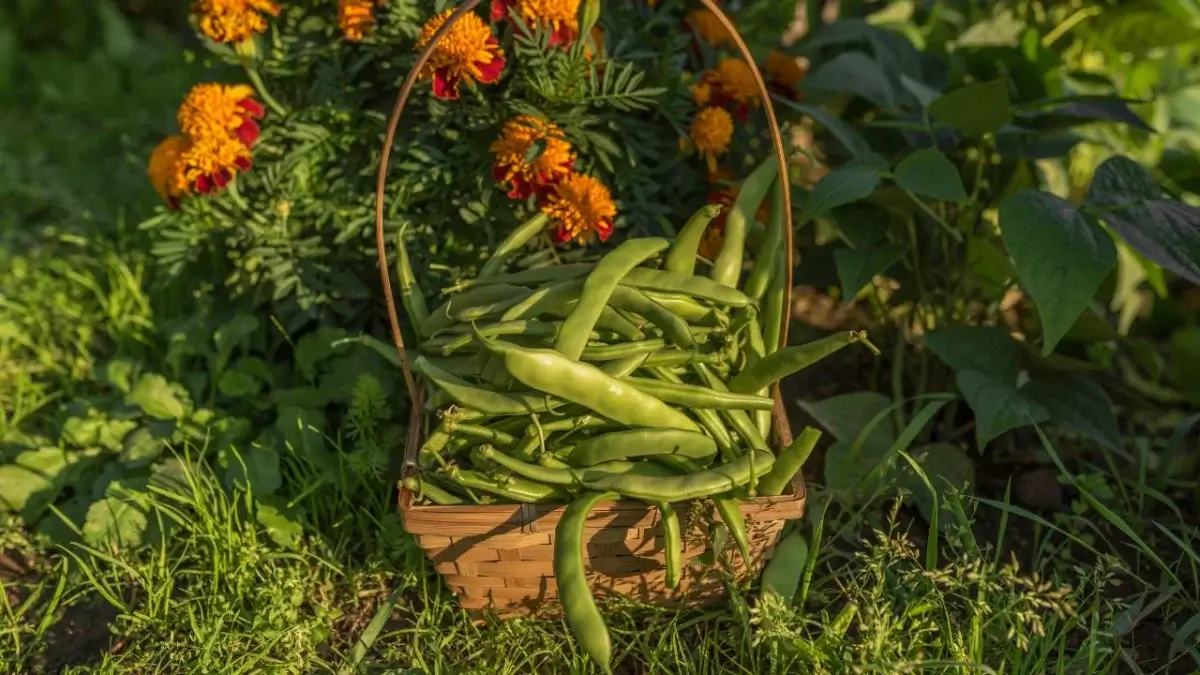
Beans: Versatility Across Climates
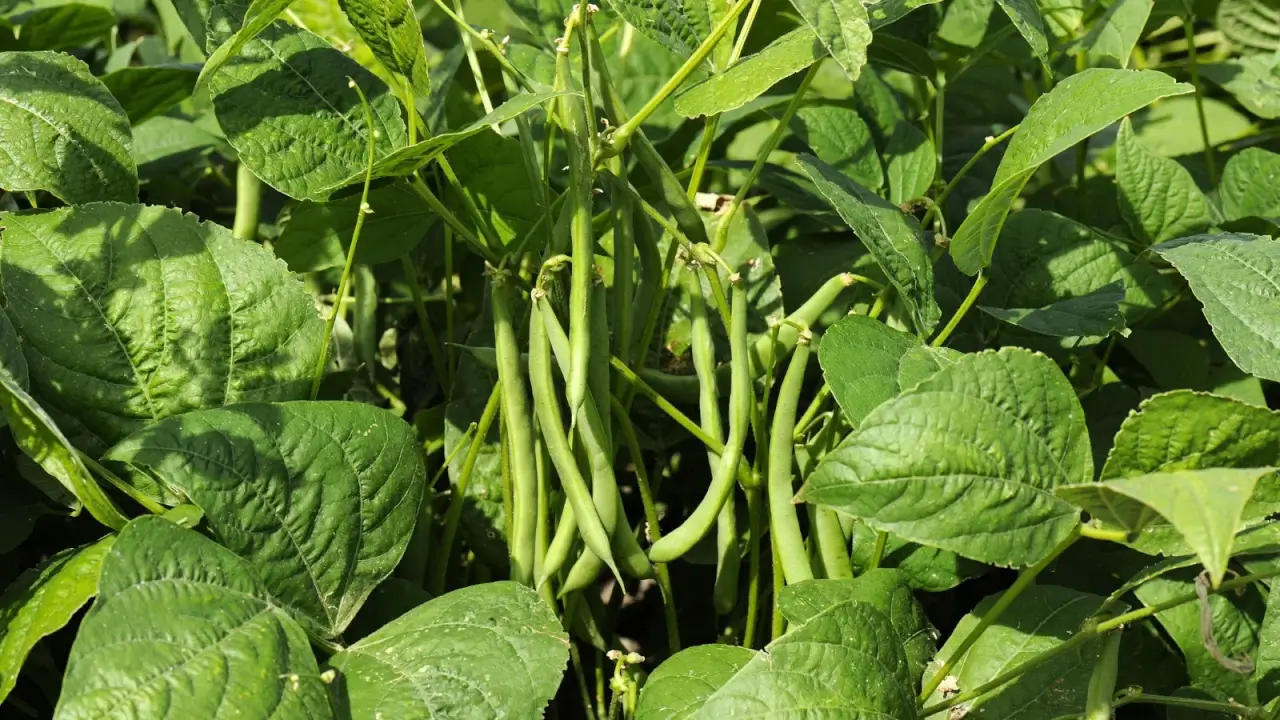
Beans are the ultimate flexible crop for May. Whether you are dealing with a short, cool season or a long, sweltering summer, there is a bean variety for you.
- Cooler Climates: Fava beans are an excellent choice for regions where the summer heat is brief.
- Arid/Hot Climates: Tepary beans, a staple of the American Southwest, are a testament to agricultural adaptation. These beans have been cultivated by Indigenous peoples for centuries, specifically selected for their ability to thrive in extreme heat and low-moisture environments. They represent a low-input, high-reward crop for growers in dry, challenging climates.
Squash: The Foundation of the Autumn Larder
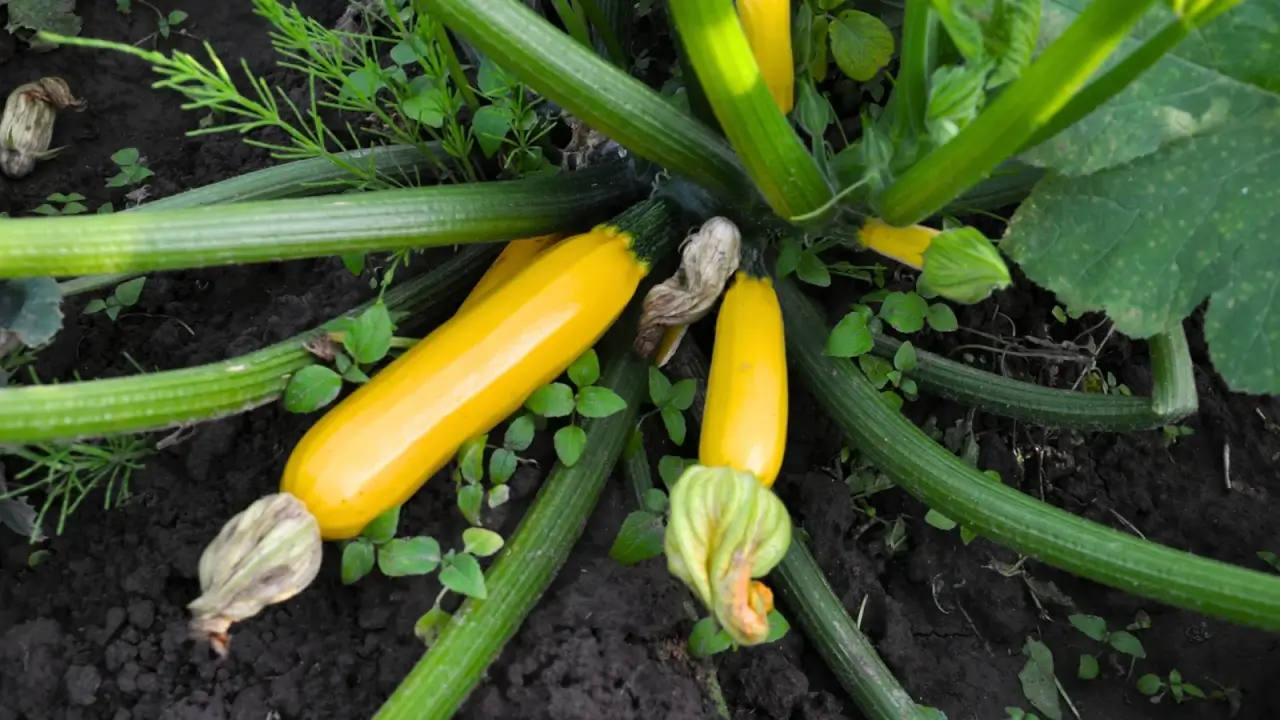
While summer squash—such as zucchini and patty pan—can be planted in successions throughout the spring, May is the critical window for winter squash. Pumpkins, butternuts, and acorn squash require three to four months to reach maturity. For farms where the first frost typically arrives in September, getting these in the ground during May is non-negotiable.
Management of Succession
For summer squash, keep the supply chain flowing by sowing new successions every two to three weeks. This ensures a consistent harvest for your customers and prevents the "feast or famine" cycle that plagues many small-scale vegetable operations.
Grains and Flowers: The Holistic Farm Approach
No farm is complete without a balance of production and ecosystem support.
Grains for Specialty Markets
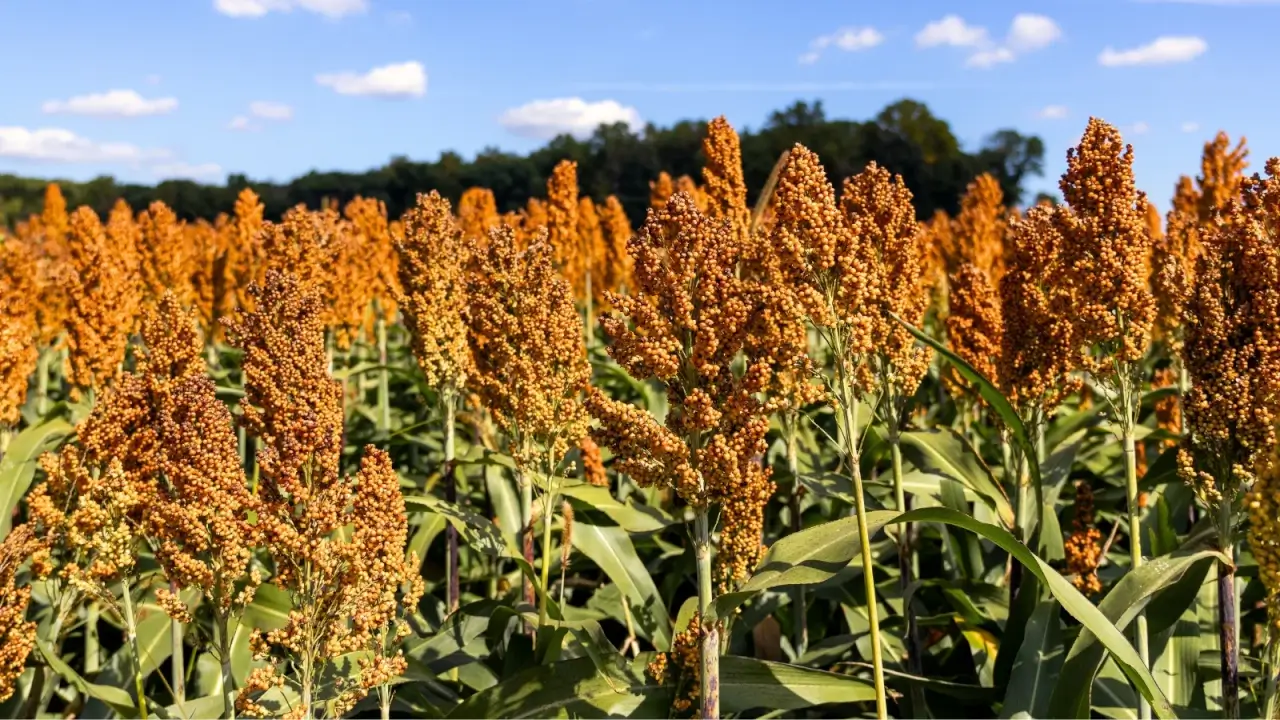
Amaranth remains a premier choice for warm-weather growers. Its dual utility—as an ornamental cut flower and a nutritious edible grain—makes it a high-value crop. Sorghum and millet are similarly well-adapted to hot, dry summers. Conversely, oats and buckwheat are better suited for temperate zones with cooler, shorter summers.
The Role of Flowers
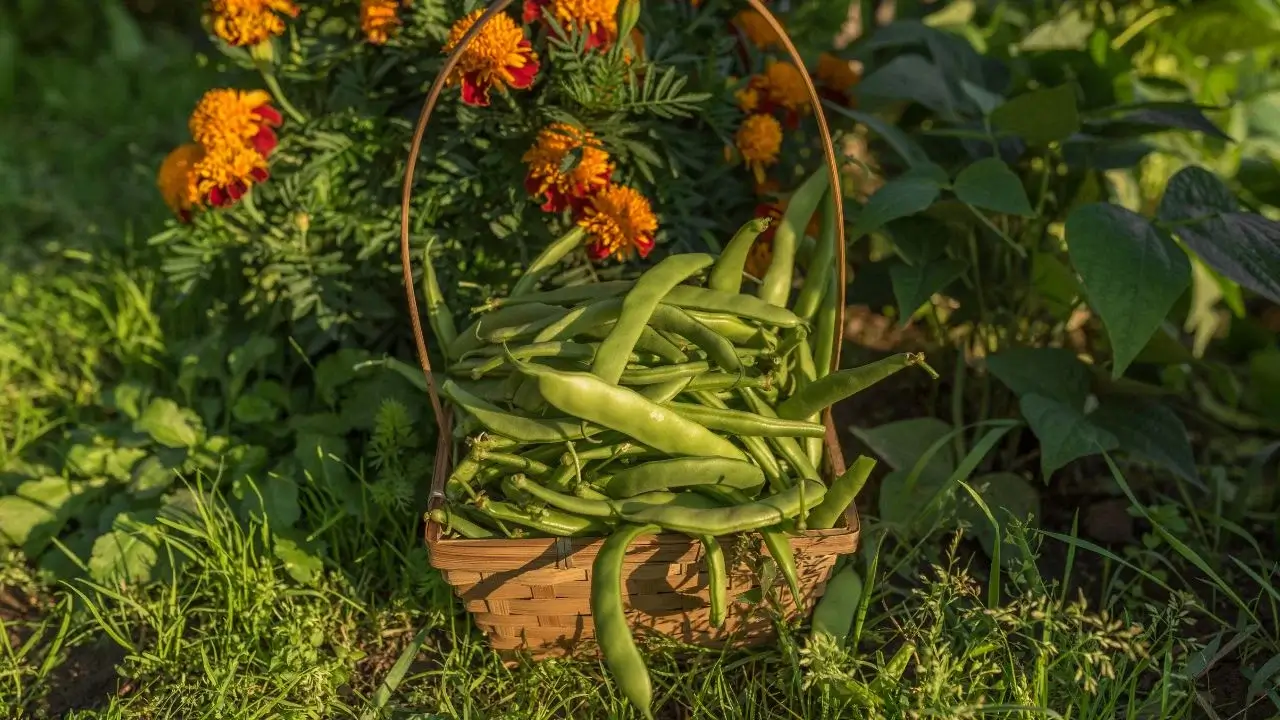
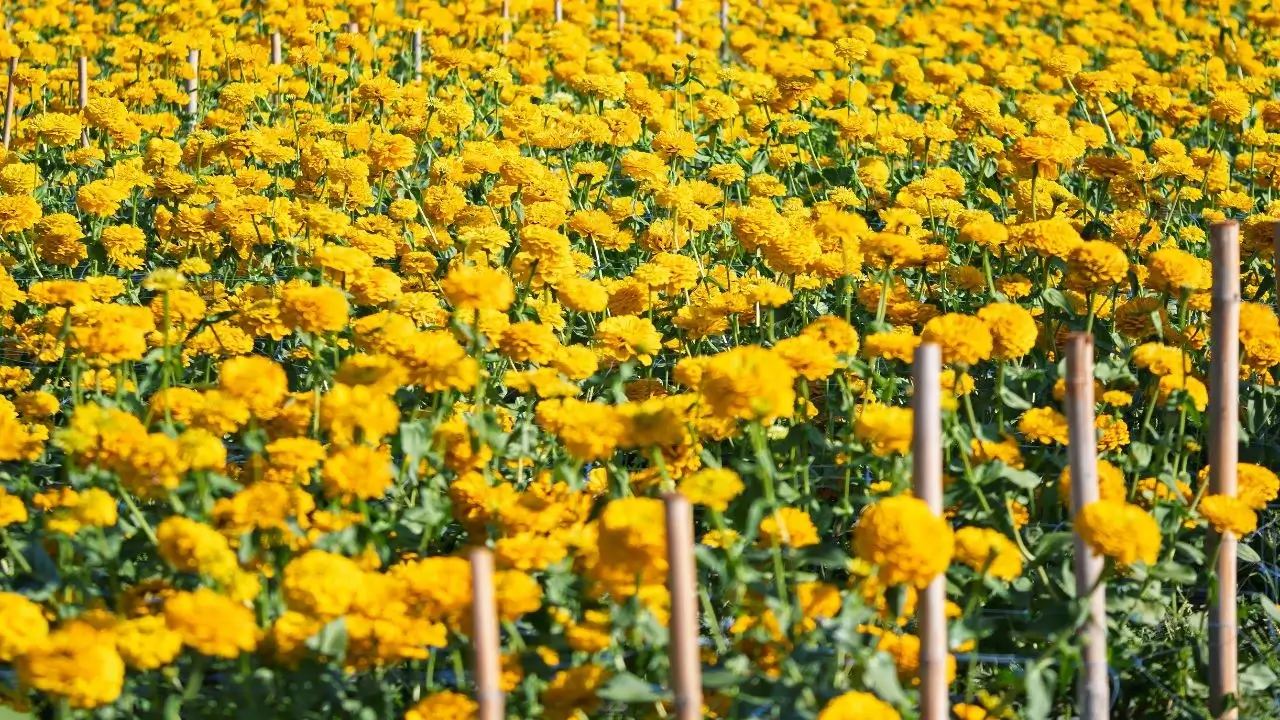
Integrating flowers into your vegetable production is not just aesthetic; it is a tactical decision. Pollinators and beneficial predatory insects are the farm’s unpaid workforce. Planting dahlias, sunflowers, zinnias, and cosmos in May creates a robust habitat that supports pest control and ensures high fruit set rates. Marigolds and borage are particularly effective in cooler May conditions, providing early-season nectar for beneficial insects.
Implications for the Future of Small-Scale Agriculture
The art of May planting is a balancing act between tradition and innovation. As climate volatility increases, the ability of a farmer to pivot—to select the right variety for the specific micro-climate, to manage soil health, and to provide the right inputs at the right time—becomes the primary determinant of success.
The trend toward heirloom, open-pollinated, and locally adapted seeds signifies a broader shift in the agricultural community. Farmers are no longer just growing for volume; they are growing for resilience. By focusing on crops that are well-suited to regional conditions and prioritizing soil biodiversity, growers are ensuring that their farms remain productive and profitable for decades to come.
As you head out to the fields this month, remember that every seed planted in May is a declaration of intent. Whether you are cultivating a field of drought-tolerant tepary beans or a row of heirloom corn, you are contributing to a food system that values quality, diversity, and long-term sustainability. The work is demanding, but the reward—a bountiful, resilient, and diverse harvest—is the bedrock of the modern farm.


 Sagoh
Sagoh