
 Raul Delapena Setiawan
 Ammar Sabilarrohman
 Lina Irawan
 Suro Senen
 Jia Lissa
By Editorial Staff
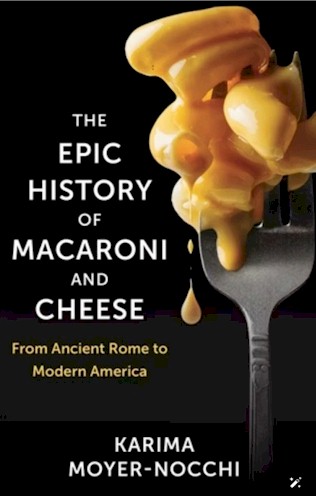
On Saturday, April 25, 2026, the Culinary Historians will host a landmark virtual event that promises to redefine how we perceive one of the world’s most ubiquitous comfort foods. In a rare joint meeting alongside the Culinary History Enthusiasts of Wisconsin (CHEW), distinguished culinary historian and University of Siena professor Karima Moyer-Nocchi will present a deep dive into her latest scholarly work: The Epic History of Macaroni and Cheese: From Ancient Rome to Modern America.
The session, scheduled for 10 a.m. Central Time via Zoom, invites attendees to look beyond the convenience of a blue box or a restaurant side dish and instead examine the socio-political forces, migrations, and labor histories that transformed a humble pasta preparation into a global cultural icon.
The Main Facts: A Culinary Lens on Human History
At its surface, macaroni and cheese appears to be a domestic staple, often associated with childhood nostalgia or mid-week convenience. However, Moyer-Nocchi’s research suggests that the dish serves as an ideal vessel for understanding broader historical shifts. By tracing the evolution of pasta and cheese from the Mediterranean basin to the dinner tables of the American frontier and beyond, Moyer-Nocchi challenges the "tidy origin stories" that have long permeated food writing.
The presentation aims to dismantle the myths surrounding the dish’s development. Rather than viewing the pairing as an accidental discovery, the talk will frame the dish’s trajectory through the lens of colonization, industrialization, and the shifting identities of the working class. Participants will gain insight into how a dish can accumulate cultural meaning, moving from an elite, artisanal creation to a mass-produced commodity that continues to define aspects of both European and American culinary identity.
Chronology: The Long Arc of the Pasta-Cheese Marriage
To understand the scope of Moyer-Nocchi’s research, one must look at the expansive timeline she explores. Her narrative does not begin in an American kitchen, but rather in the ancient landscapes of Rome, where the foundational techniques for pasta-making were first refined.
The Classical and Medieval Foundations
The historical journey begins with the ancient Roman approach to grain and dairy. Moyer-Nocchi traces the earliest iterations of pasta, noting how the technology of drying grain—essential for storage and long-distance trade—paved the way for the development of macaroni. During the Middle Ages and the Renaissance, the combination of pasta and cheese was a status symbol, often served at the tables of the aristocracy, flavored with exotic spices that reflected the reach of global trade routes.
Migration and Industrialization
As the narrative moves into the 18th and 19th centuries, the dish underwent a radical transformation. Moyer-Nocchi examines how the massive waves of migration—particularly from Italy to the Americas—brought these culinary traditions into a new environment. Here, the ingredients shifted from local, artisanal products to the standardized offerings of an industrializing society. The talk will detail how the mechanization of pasta production and the rise of the dairy industry in the United States fundamentally altered the nature of the dish, turning it into a staple for the working class.
The Modern Era
The 20th and 21st centuries saw the dish solidify its place as a cultural icon. From the post-WWII boom in processed foods to the modern artisanal "gourmet" macaroni and cheese movement, Moyer-Nocchi explores how the dish has been leveraged for its emotional resonance and economic accessibility, solidifying its status as a comfort food that bridges generations.
Supporting Data: The Scholarly Rigor of Karima Moyer-Nocchi
The authority behind this upcoming presentation is backed by years of rigorous academic fieldwork. Karima Moyer-Nocchi is not merely a food writer; she is a professor at the University of Siena with an extensive portfolio of research. Her previous works, Chewing the Fat: An Oral History of Italian Foodways from Fascism to Dolce Vita and The Eternal Table: A Cultural History of Food in Rome, established her as a preeminent voice in the study of Italian culinary anthropology.
In preparation for The Epic History of Macaroni and Cheese, Moyer-Nocchi was awarded prestigious fellowships at:
- The International Center for Jefferson Studies: Where she examined the historical context of Thomas Jefferson’s own fascination with pasta.
- The Smithsonian Institution: Providing the resources to study the intersection of food and American domestic history.
- The George Washington Presidential Library at Mount Vernon: A critical site for understanding early American foodways and the labor structures that supported them.
Moyer-Nocchi, who has resided in the Umbria region of Italy for over 35 years, brings a unique perspective as an American scholar immersed in the Italian food culture she studies. This dual perspective is essential to her methodology, allowing her to bridge the gap between Italian tradition and American interpretation.
Official Responses and Collaborative Impact
The decision to hold a joint meeting with the Culinary History Enthusiasts of Wisconsin (CHEW) underscores the significance of this event. Both organizations have expressed excitement about the collaboration, noting that the topic of macaroni and cheese provides a rare opportunity to engage a broad audience—from academics and historians to casual food enthusiasts.
"The goal is to foster a deeper appreciation for the ‘hidden’ history of our daily meals," a representative from the Culinary Historians stated. By inviting the Wisconsin-based CHEW, the organizers aim to tap into the regional culinary traditions of the American Midwest, where dairy production is a central pillar of the local economy and culture. This collaborative effort serves as a testament to the fact that food history is a communal endeavor, one that benefits from the exchange of regional insights and shared scholarly resources.

Implications: Why We Must Re-examine the Familiar
The implications of Moyer-Nocchi’s work extend far beyond the kitchen. By analyzing the "myth-making" processes behind the history of macaroni and cheese, the talk invites us to look at all of our food traditions with a more critical eye.
The Myth of Origins
We often cling to simple narratives—that a certain figure "invented" a dish or that a recipe has remained unchanged for centuries. Moyer-Nocchi argues that these myths often serve to obscure the messy, often exploitative, reality of labor and trade. By stripping away these layers, we see a more human, and arguably more interesting, reality: a dish shaped by survival, necessity, and the movement of people across borders.
Food as a Mirror
The history of macaroni and cheese is, in many ways, a history of globalization. The dish reflects how cultures interact, how technology changes our palate, and how social status dictates what we eat. As the world becomes increasingly interconnected, the lessons learned from the history of this single dish provide a roadmap for understanding the future of global food systems.
A Call to Engagement
The upcoming meeting on April 25 is an invitation to participate in this scholarly inquiry. For those unable to attend the live Zoom session, the Culinary Historians have confirmed that a video recording will be made available on their official YouTube channel within 24 hours of the event. This accessibility ensures that the discussion, and the historical revelations contained within, can reach a global audience.
How to Attend
The Culinary Historians encourage all interested parties to participate in this rare look at the history of a culinary staple.
- Date: Saturday, April 25, 2026
- Time: 10:00 AM Central Time
- Platform: Zoom
- Inquiries: For those wishing to receive the meeting link or submit questions for Professor Moyer-Nocchi, please direct correspondence to [email protected].
Whether you are a seasoned culinary historian or simply someone interested in the story behind your favorite meal, this event offers a unique chance to witness a master class in historical investigation. As Karima Moyer-Nocchi prepares to unveil her findings, the culinary community stands ready to look at the humble bowl of macaroni and cheese with newfound respect, recognizing it not just as food, but as a living piece of human history.

 Lina Hope