
 Raul Delapena Setiawan
 Ammar Sabilarrohman
 Lina Irawan
 Suro Senen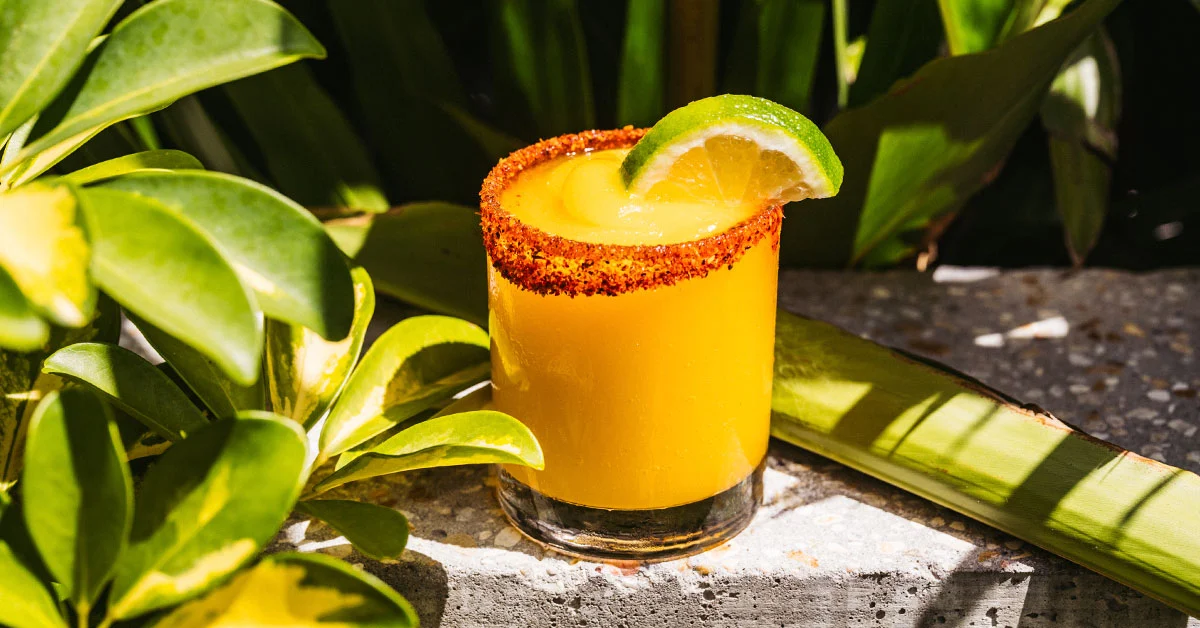
When the mercury rises and the mid-summer heat becomes inescapable, the humble kitchen blender transforms from a mere countertop appliance into an essential tool for high-end mixology. While the history of frozen cocktails is often unfairly maligned—frequently associated with sugary, neon-colored concoctions served in over-sized novelty cups—a new guard of bartenders and home enthusiasts is reclaiming the blender. By applying the same rigor and technical precision used for stirred or shaken drinks to their frozen counterparts, they are elevating the "frappé" to a sophisticated art form.
Whether you are craving the bracing, herbaceous notes of a frozen Daiquiri or the complex, savory depth of a salt-rimmed Mexican Martini, the possibilities for ice-cold innovation are virtually endless.
The Evolution of the Frozen Drink
For decades, the "frozen cocktail" occupied a polarizing space in the culinary world. In the mid-20th century, the advent of the electric blender—popularized by figures like Fred Waring—brought the Daiquiri and the Piña Colada into the American suburban home. However, as the 1980s and 90s progressed, the category became synonymous with cheap, pre-made mixers, artificial syrups, and high-fructose corn syrup-laden bases.

The modern renaissance of the frozen cocktail is defined by a shift toward quality ingredients. Today’s best recipes focus on fresh-pressed citrus, house-made tinctures, and high-proof spirits that hold their own against the dilution inherent in blending. This shift has turned the "frappé" into a canvas for texture and temperature control, proving that a drink can be both refreshing and intellectually engaging.
A Chronology of the Blended Revolution
To understand the current obsession with blended cocktails, we must look at the timeline of their resurgence:
- The Mid-Century Rise (1940s–1960s): The blender becomes a status symbol. The Daiquiri, a classic Cuban cocktail, is adapted for the American palate, leaning into heavy ice and fruit purees.
- The "Dark Ages" (1980s–2000s): Commercial slushie machines and cheap, shelf-stable mixers define the category, leading to a loss of prestige for the blender in high-end cocktail bars.
- The Craft Movement (2010s): Influential bars like New Orleans’ Jewel of the South and various tiki-revivalists begin treating blended drinks as serious culinary endeavors. They introduce concepts like "ice management" and proper dilution ratios.
- The Current Era (2020s–Present): A focus on "no-blender" frozen drinks—using sorbets and high-tech freezing techniques—blurs the line between cocktails and fine desserts.
Supporting Data: The Science of the Perfect Slush
Achieving the perfect texture in a frozen drink is a matter of thermodynamics. The primary challenge is balancing the sugar content (Brix) and the alcohol content (ABV).

Sugar and alcohol are both natural anti-freeze agents. If a drink contains too much alcohol, it will never reach the desired "slush" consistency; if it contains too much sugar, it will be cloying and syrupy. Professionals suggest aiming for an ABV between 10% and 15% for optimal freezing. Furthermore, the type of ice matters. "Hard" ice, such as that produced by a professional Scotsman machine, provides a cleaner, more consistent texture than the "soft" or "cloudy" ice found in standard residential refrigerator trays.
Spotlight on Iconic Recipes
The Daiquiri Frappé
The Daiquiri Frappé is the litmus test for any blender aficionado. By utilizing high-quality white rum, fresh lime juice, and a touch of simple syrup, the drink achieves a crystalline structure. To elevate it, consider adding a twist of lime zest directly into the blender, which releases essential oils that permeate the ice crystals, providing a sensory experience that standard shaken versions cannot replicate.
The Mango Margarita
The Mango Margarita has evolved from a beachside cliché to a gourmet staple. By using fresh, ripe mangoes—blended until completely smooth and then passed through a fine-mesh sieve—the cocktail gains a velvet-like mouthfeel. Pairing this with a reposado tequila adds an oaky, vanilla undertone that balances the intense acidity of the fruit.

The Daiquiri Menta
For those who prefer a more botanical profile, the Daiquiri Menta serves as an ideal bridge between the worlds of the Mojito and the frozen Daiquiri. By folding in fresh mint leaves during the final seconds of the blending process, you retain the bright green color and the aromatic punch of the herb without the bitterness that occurs if the leaves are over-processed.
The Lemony Snicker
A prime example of the "no-blender" approach, the Lemony Snicker, championed by mixologist Karen Fu, showcases the ingenuity of modern bartenders. By whisking Japanese gin (often infused with yuzu) into lemon sorbet, the drink achieves an instantaneous frozen state without the noise or the cleanup of a heavy appliance. It is a masterclass in efficiency and elegance.
The Cuj
"The Cuj" is a passion fruit-forward riff on the classic Margarita. The intense, tropical acidity of the passion fruit cuts through the richness of the agave spirit, creating a refreshing profile that is incredibly popular in warm-weather climates. It serves as a reminder that the best frozen drinks are those that maintain the integrity of their base spirit while playing with texture.

The Frozen Mexican Martini
The Frozen Mexican Martini is an Austin, Texas, institution. The inclusion of olive brine provides a savory, umami-rich element that is rarely seen in frozen drinks. This addition proves that frozen cocktails need not be relegated to the realm of the "sweet" or "fruity."
Implications for the Future of Home Mixology
As we look toward the future, the boundary between the kitchen and the bar continues to dissolve. We are seeing a move toward the use of liquid nitrogen for "flash freezing" at home, as well as the adoption of high-performance blenders that can handle everything from whole fruit to delicate herbs without compromising their structural integrity.
The implications for the home bartender are clear: the blender is no longer an appliance you hide in the pantry. It is an instrument that, when used with intent, allows for the creation of drinks that are as complex as a stirred Manhattan but as refreshing as a mountain spring.

Expert Perspectives: Why Texture is Everything
Professional bartenders emphasize that the secret to the perfect blended cocktail is the "melt rate." A great frozen cocktail should not separate into a watery layer at the bottom and a hard ice block on top. To achieve this, practitioners recommend:
- Pre-chilling your ingredients: Even the blender jar should be chilled in the freezer before use.
- The "Pulse" Technique: Rather than setting the blender to high speed, use short pulses to break down the ice without generating too much friction heat, which causes premature melting.
- Ingredient Balance: Always account for the dilution of the ice. A drink should taste slightly "over-flavored" before it is blended to ensure the final product is perfectly balanced.
Conclusion: Raising the Glass
The revival of the frozen cocktail is a testament to the fact that no category of drink is inherently "low-brow"—it is the execution that dictates the quality. Whether you are whipping up a batch of Lemony Snickers for a garden party or refining your technique on the classic Daiquiri, the blender offers a unique opportunity to explore the interplay between temperature, texture, and flavor.
As you experiment with your own creations, remember the core tenets: prioritize fresh ingredients, manage your ice quality, and never underestimate the power of a well-balanced, icy cocktail to turn a sweltering day into an occasion worth celebrating. With the right approach, the blender becomes not just a tool, but a gateway to a sophisticated and cooling world of mixology. Cheers to the chill.

 Nana Wu
 Asep Darmawan