 Dwi Wanna
 Nana Wu
 Muslim
 Reynand Wu
 Ammar Sabilarrohman
 Suro Senen
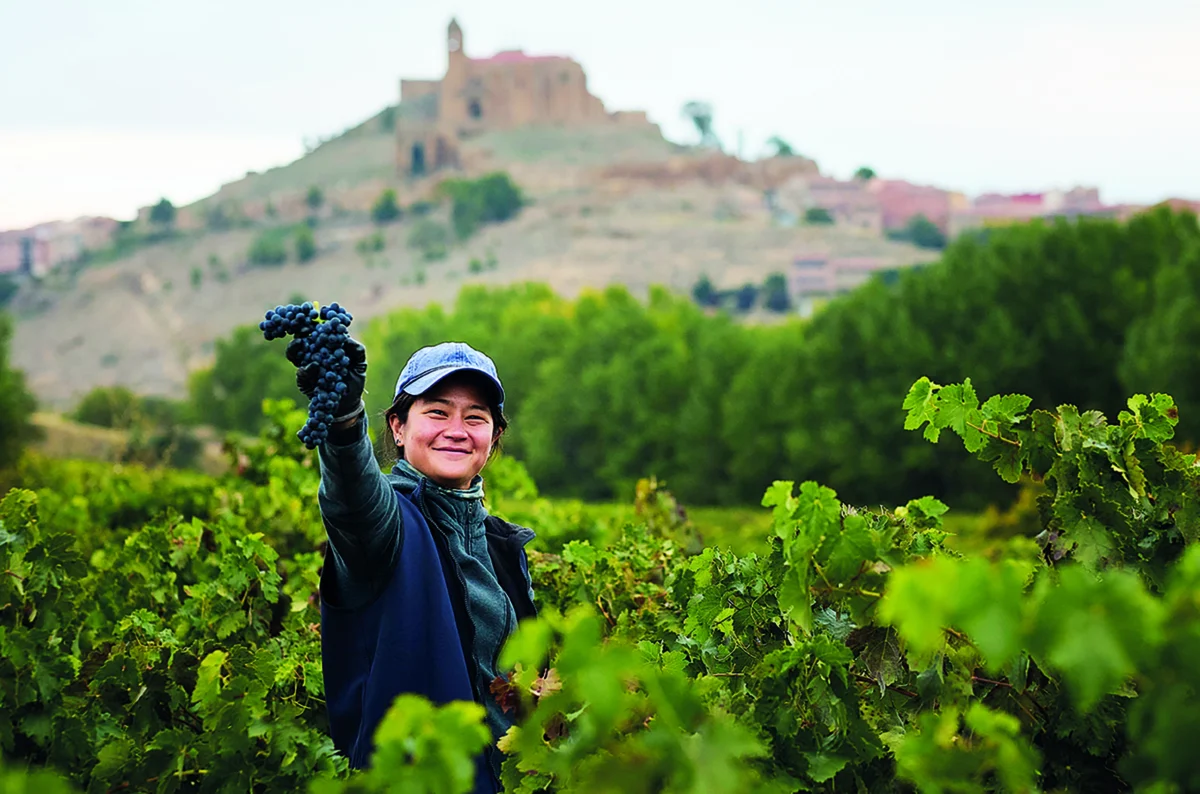
The Loire Valley, a sweeping expanse of greenery and limestone stretching nearly 1,000 kilometers from the rugged Massif Central to the salt-kissed Atlantic coast, holds a paradoxical position in the global wine hierarchy. Despite being France’s third-largest wine region, it remains an enigma to many casual drinkers—often eclipsed in the international consciousness by the opulent châteaux that dot its landscape. Yet, beneath the shadow of these Renaissance architectural marvels lies a viticultural powerhouse defined by over 50 distinct appellations, centuries of family-led stewardship, and a burgeoning spirit of modern innovation.
Main Facts: The Geography of Flavor
The Loire is not a singular wine style; it is a tapestry of microclimates. The river itself serves as the lifeblood of the region, regulating temperatures and providing the vital maritime influence that defines the styles of the wines. From the crisp, mineral-driven Sauvignon Blancs of Sancerre to the complex, age-worthy Chenin Blancs of Vouvray and the robust, terroir-expressive Cabernet Francs of Chinon, the diversity is staggering.
The region is characterized by small, family-owned estates, many of which have occupied the same parcels of land since the Middle Ages. This continuity of ownership is a rarity in the modern globalized wine industry. Here, the philosophy is one of "slow wine"—a deliberate rejection of industrial mass production in favor of a deep, almost ancestral understanding of the soil (terroir). Whether it is the tuffeau limestone caves used for storage or the unique drainage provided by the Loire’s tributaries, the geography dictates the identity of every bottle.
Chronology: Two Millennia of Viticulture
The story of the Loire is as old as the Roman Empire.
- 77 CE: Pliny the Elder’s Natural History serves as the earliest literary confirmation of the region’s viticultural potential. His documentation of vines lining the banks of the Loire suggests a sophisticated industry existed long before the modern state of France.
- 582 CE: Grégoire, the Bishop of Tours, provided the first localized accounts of the Touraine vineyards. His chronicles are historically significant not just for mentioning the production in Chinon and Vouvray, but for documenting the existential threats faced by early winemakers—specifically, the late frosts that have remained a primary concern for Loire growers for 1,500 years.
- Medieval Period: Throughout the Middle Ages, the Catholic Church acted as the primary custodian of viticultural knowledge. Monastic orders refined the selection of vineyard sites, identifying which hillsides offered the best drainage and sun exposure.
- 17th–18th Century: The Loire River became a logistical artery, connecting the landlocked vineyards of the central valley to the bustling port of Nantes. This allowed the region to export wines to the Netherlands and England, cementing the reputation of Muscadet and other local varietals.
- The French Revolution: This era marked a seismic shift in land ownership, as the Church’s massive holdings were redistributed, empowering the smallholder farmers who form the backbone of today’s industry.
Supporting Data: The Anatomy of the Appellations
The Loire Valley encompasses a vast array of AOC (Appellation d’Origine Contrôlée) designations. According to the Comité Interprofessionnel des Vins de Loire, the region produces over 300 million bottles annually.
Key Viticultural Zones:
- The Upper Loire (Centre-Loire): Dominated by the Kimmeridgian marl soils of Sancerre and Pouilly-Fumé, this region is the global benchmark for Sauvignon Blanc.
- Touraine: The "Garden of France," known for a diverse portfolio including Chenin Blanc, Sauvignon Blanc, and Cabernet Franc. It acts as a bridge between the continental climate of the center and the oceanic climate of the coast.
- Anjou-Saumur: Renowned for its production of world-class dry Chenin Blanc and sweet wines from the Coteaux du Layon, where the humidity of the river valleys encourages the development of noble rot (Botrytis cinerea).
- Nantais: The coastal gateway. This region is the home of Melon de Bourgogne, the grape responsible for Muscadet. Its proximity to the Atlantic gives the wine its characteristic saline edge, perfectly pairing with the region’s famous oysters.
Official Responses and Perspectives
The current generation of Loire winemakers is navigating a complex transition. In recent discussions with the Syndicat des Vins de Loire, representatives emphasized that "innovation is not the enemy of tradition."
There is a growing institutional focus on climate change adaptation. With the Loire experiencing more frequent heatwaves and erratic weather patterns—echoing the frosts that Bishop Grégoire wrote about in 582—the official bodies have moved to support sustainable viticulture. The "Terra Vitis" and organic certification initiatives have seen a significant uptick, with a large percentage of Loire producers now farming without synthetic pesticides.
"We are the guardians of a history that spans 2,000 years," says one prominent vintner in the Chinon region. "Our response to the modern world is not to change our style, but to refine our techniques. We use the technology of the 21st century to better understand the soil that our ancestors mapped by hand."
Implications: The Future of the Loire
The implications of the Loire’s current trajectory are significant for the global wine market. As consumers grow tired of the heavy, high-alcohol wines that dominated the early 2000s, the Loire’s emphasis on freshness, acidity, and lower alcohol content positions it perfectly for modern palates.
1. Market Accessibility
The "hidden gem" status of the Loire is quickly eroding. Increased investment in marketing and wine tourism—specifically around the châteaux-to-cellar experiences—is drawing a younger, more adventurous demographic of wine lovers.
2. Ecological Stewardship
The region’s reliance on the Loire River makes it a bellwether for climate change in France. The collaborative efforts between the local government and independent growers to protect water tables and soil health are setting a blueprint for how European wine regions can survive in a warming world.
3. Cultural Preservation
Perhaps most importantly, the Loire represents a triumph of the family-run business model. In an industry increasingly dominated by large conglomerates and private equity, the Loire’s ability to sustain small, multi-generational farms is a cultural victory. It suggests that economic viability and heritage preservation are not mutually exclusive.
Conclusion: A Living Legacy
To drink a glass of wine from the Loire Valley is to engage in a sensory conversation with history. It is a region where the Roman footprints of the first century are still visible in the viticultural map, and where the medieval influence of the Church remains etched into the structure of the vineyards.
As we look toward the future, the Loire Valley stands as a testament to the resilience of the vine. It is a region that has survived frosts, wars, and the shifting tides of fashion, only to emerge stronger and more relevant than ever. For the curious drinker, the Loire offers more than just a beverage; it offers a journey through the heart of France—a journey that is, in every sense, both ancient and perpetually new. As the river continues its thousand-kilometer march to the sea, the winemakers along its banks remain committed to the delicate balance of respect for the past and a bold, experimental embrace of what is yet to come.

 Iffa Jayyana